
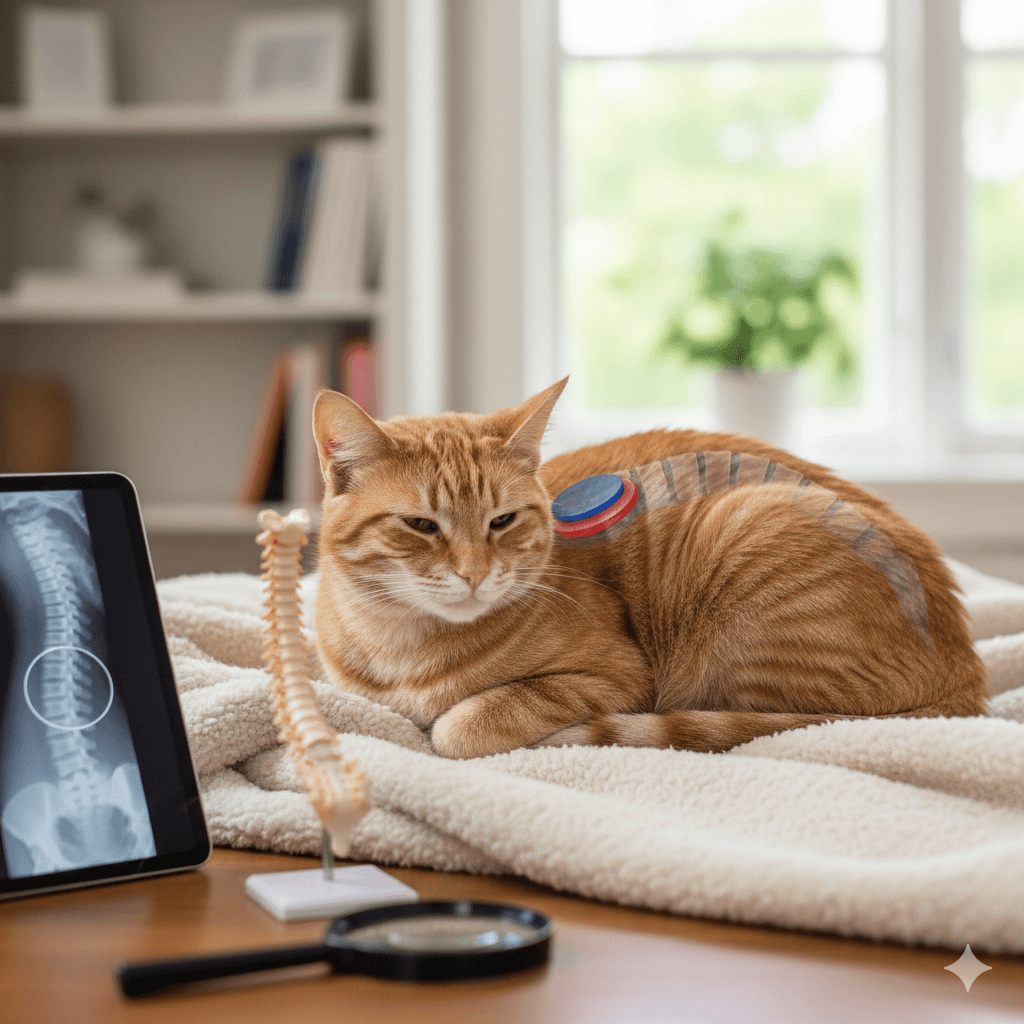

Understanding Intervertebral Disk Disease in Cats
Intervertebral Disk Disease (IVDD) is often associated with dogs, but cats can suffer from it too—though more rarely and usually with subtle signs. This degenerative condition affects the spinal cushions between vertebrae, potentially causing pain, nerve damage, or even paralysis. Because cats instinctively hide discomfort, early symptoms are easy to miss until the disease progresses. Recognizing behavioral changes and mobility issues can make a life-changing difference in your cat’s prognosis. With timely care and expert management, many felines maintain good quality of life despite this spinal challenge.
Common Signs Your Cat May Have Intervertebral Disk Disease
Cats with IVDD rarely cry out in pain; instead, they withdraw, alter posture, or reduce activity. These nuanced behaviors require close observation from attentive owners. If your cat seems “off” without obvious injury, consider these key indicators of spinal distress:
- Reluctance to Jump or Climb:
Your cat may avoid high surfaces they once leaped onto effortlessly, opting to stay low or walk around stairs. - Stiff or Hunched Back Posture:
A rigid, arched spine or tense muscles along the back can signal discomfort or nerve compression. - Limping or Weakness in Limbs:
One or more legs may appear uncoordinated, drag slightly, or bear less weight than usual during movement. - Reduced Grooming or Tail Movement:
Pain or nerve issues can cause your cat to neglect their tail, rear legs, or usual meticulous self-care routines. - Urinary or Fecal Incontinence:
In severe cases, loss of bladder or bowel control may occur due to spinal cord involvement in the lower back.
While these signs can mimic other conditions like arthritis or trauma, their combination often points toward spinal disk involvement—especially if they worsen suddenly.
When to Seek Veterinary Attention Immediately
IVDD can escalate quickly in cats, particularly if a disk herniates and compresses the spinal cord. Delaying care may reduce recovery chances, so act fast when you notice neurological changes or functional decline:
- Sudden Inability to Walk:
If your cat collapses or drags their hind legs, this is a medical emergency requiring same-day evaluation. - Loss of Pain Sensation in Limbs or Tail:
Gently pinch a toe (lightly!)—if your cat doesn’t react, nerve damage may be severe and urgent. - Crying or Hiding Unusually:
While cats rarely vocalize pain, persistent hiding, aggression when touched, or unusual vocalizations warrant concern. - Progressive Weakness Over Hours or Days:
Even mild wobbliness that worsens needs imaging (like MRI or CT) to assess spinal cord integrity. - History of Trauma or Fall:
Even a minor jump gone wrong can trigger disk rupture in a predisposed cat—don’t dismiss “just a stumble.”
Early diagnosis through advanced imaging is critical; treatment success often hinges on how quickly intervention begins after symptom onset.
Check this guide 👉Bronchitis in Cats: Best 7 Expert Tips!
Check this guide 👉Ehrlichia in Cats: Best 7 Expert Tips!
Check this guide 👉Hematuria in Cats: Best 7 Expert Tips!
Subtle Behavioral Clues | Neurological Red Flags |
|---|---|
Avoiding favorite perches | Inability to stand or walk |
Less playful or interactive | Dragging hind limbs |
Overgrooming one area | Loss of tail movement |
Sitting in unusual positions | Urinary retention or leakage |
Sensitivity to back touch | No response to toe pinch |
Causes and Risk Factors for IVDD in Cats
Unlike in dogs, IVDD in cats is typically linked to chronic degeneration rather than acute injury—though trauma can accelerate it. Certain factors increase susceptibility, even in otherwise healthy felines:
- Age-Related Disk Degeneration:
Older cats (8+ years) often experience natural wear of spinal disks, which can bulge or calcify over time. - Breed Predisposition:
While rare, Burmese and other short-nosed breeds may have higher incidence due to spinal conformation. - Obesity:
Excess weight strains the spine, accelerating disk wear and reducing mobility that helps maintain joint health. - Chronic Arthritis:
Degenerative joint disease can alter gait and posture, indirectly stressing intervertebral structures. - Previous Spinal Trauma:
A past fall or impact may leave residual weakness, making future disk issues more likely.
Most feline IVDD cases are Type II (slow, protrusive disk bulging), not the explosive Type I seen in dachshunds—making symptoms creep in gradually rather than strike suddenly.
Diagnostic Process and Veterinary Evaluation
Diagnosing IVDD in cats requires ruling out mimics like blood clots, infections, or tumors. Your vet will start with a full neurological exam and likely recommend advanced imaging:
- Neurological Assessment:
Tests for reflexes, proprioception (paw placement), pain response, and gait coordination pinpoint spinal lesion location. - X-Rays (Radiographs):
While not definitive for soft tissue, they can reveal disk calcification, fractures, or vertebral misalignment. - MRI or CT Scan:
Gold standard for visualizing disk herniation, spinal cord compression, and nerve root involvement—essential for surgical planning. - Blood Work and Urinalysis:
Used to exclude metabolic diseases (e.g., kidney issues) that might cause similar weakness or incontinence. - Spinal Fluid Analysis (Rarely):
If infection or inflammation is suspected, a CSF tap may be performed under anesthesia.
Accurate diagnosis is the foundation of effective treatment—never assume “just old age” without thorough evaluation.
Treatment Options: Medical vs. Surgical Approaches
Management depends on severity, location, and your cat’s overall health. Mild cases often respond to conservative care, while severe compression may need surgery:
- Strict Cage Rest:
4–6 weeks of confinement minimizes movement, allowing inflammation to subside and minor herniations to stabilize. - Pain Management:
Veterinarian-prescribed NSAIDs (used cautiously in cats), gabapentin, or opioids help control discomfort during recovery. - Physical Therapy & Rehabilitation:
Post-acute phase, gentle exercises, laser therapy, or acupuncture may improve mobility and nerve function. - Surgical Decompression:
In cases of paralysis or severe cord compression, a veterinary neurosurgeon may remove disk material pressing on the spine. - Supportive Care Devices:
Harnesses, slings, or even custom wheelchairs can maintain mobility and dignity during long recoveries.
Many cats with mild-to-moderate IVDD regain near-normal function—especially when treated before permanent nerve damage occurs.
Home Care and Long-Term Management Strategies
After diagnosis, your home becomes a healing sanctuary. Consistent daily practices significantly influence your cat’s comfort and stability:
- Create a Low-Impact Environment:
Place food, water, and litter boxes on one level; use ramps or steps to access favorite spots safely. - Monitor Litter Box Habits Closely:
Urinary retention is a silent emergency—check for straining, small output, or accidents outside the box. - Assist with Hygiene if Needed:
Cats with hind-end weakness may need help cleaning after elimination to prevent skin infections. - Maintain Ideal Body Weight:
Work with your vet on a diet plan to reduce spinal stress without compromising nutrition. - Schedule Regular Neurological Check-Ups:
Even stable cats benefit from periodic assessments to catch subtle declines early.
With thoughtful adaptation, most cats with IVDD live contentedly—proving that resilience isn’t just human.
Prevention and Proactive Spinal Health for Cats
While IVDD can’t always be prevented, you can support lifelong spinal wellness through environmental and lifestyle choices:
- Provide Stable, Non-Slip Surfaces:
Rugs or mats prevent risky slips on hardwood floors that could jolt the spine. - Encourage Gentle, Consistent Movement:
Interactive toys at ground level keep cats active without encouraging dangerous leaps. - Use Cat-Safe Furniture Climbers:
Vertical spaces with gradual steps or shelves reduce high-impact jumping from excessive heights. - Avoid Rough Handling or Belly Carries:
Always support your cat’s spine fully when lifting—never dangle or squeeze their midsection. - Annual Wellness Exams Including Neurological Checks:
Early detection of stiffness or reflex changes allows proactive intervention before crisis hits.
A spine-healthy home is built on awareness, not restriction—empowering your cat to move safely on their own terms.
Frequently Asked Questions About Intervertebral Disk Disease in Cats
Can cats recover from IVDD without surgery?
Yes—many cats with mild or moderate IVDD improve significantly with strict rest, pain control, and time, especially if caught early.
Is IVDD painful for cats?
Absolutely, though they rarely show it overtly. Subtle signs like hiding, reduced purring, or flinching when picked up often indicate discomfort.
How long does recovery take?
Medical management may show improvement in 2–4 weeks, but full recovery can take 2–3 months; surgical cases vary based on pre-op function.
Are certain cat breeds more at risk?
Burmese cats appear overrepresented in studies, but IVDD can occur in any breed or mixed cat, especially as they age.
Can IVDD recur after treatment?
Yes—once a disk is compromised, adjacent disks may degenerate over time, making lifelong spinal care essential.
Supporting Your Cat Through Spinal Challenges with Love
An IVDD diagnosis can feel overwhelming, but remember: cats are masters of adaptation, and your calm, consistent presence is their greatest anchor. By tuning into their quiet signals and partnering with your veterinary team, you can help your feline companion navigate this condition with dignity and comfort. Whether through gentle handling, environmental tweaks, or simply sitting beside them in stillness, your care makes all the difference. With patience and proactive support, many cats with IVDD continue to purr, nap in sunbeams, and share quiet moments of trust—reminding us that joy persists, even in the face of physical limits.
Is Rawhide Bad for Cats? Best 7 Expert Tips! – Discover the risks, safe alternatives, and expert advice to keep your feline friend healthy and happy.

Is Rawhide Bad for Dogs? Best 7 Expert Tips! – Discover the risks, benefits, and safer alternatives to rawhides for your dog’s chewing needs.

Understanding Anorexia in Cats: Best 7 Expert Tips! – Learn why cats stop eating, spot warning signs, and discover how to help your feline regain appetite safely.

Understanding Anorexia in Dogs: Best 7 Expert Tips! – Learn causes, symptoms, and solutions to help your dog regain appetite and stay healthy.