
Intensive Dog Training: Best 7 Expert Tips!
Unlock your dog’s full potential with focused, consistent, and compassionate intensive dog training. Whether you’re preparing for advanced obedience, addressing behavioral issues, or aiming for off-leash reliability, this structured approach builds trust, clarity, and lasting results. Intensive training isn’t about harsh discipline—it’s about deepening communication through repetition, positive reinforcement, and mutual respect. Done correctly, it transforms not only your dog’s behavior but also your relationship. Discover the seven expert-backed pillars that make intensive training effective, humane, and sustainable for dogs of all ages and breeds.
Foundations of Effective Intensive Dog Training
Successful intensive training begins with a clear understanding of canine psychology, motivation, and learning principles. Without this groundwork, even the most rigorous schedule can fall flat. Experts emphasize structure, timing, and emotional attunement as non-negotiable elements that turn effort into real progress:
- Clear Training Goals:
Define specific, measurable outcomes—such as “reliable off-leash recall” or “calm behavior during visitors”—to guide your daily sessions. - Consistent Daily Structure:
Dogs thrive on routine; intensive programs should include multiple short sessions (5–15 minutes each) spaced throughout the day for optimal retention. - Positive Reinforcement Focus:
Reward desired behaviors immediately with high-value treats, praise, or play to strengthen neural pathways and build enthusiasm. - Environment Control:
Begin training in low-distraction settings, then gradually increase difficulty (e.g., adding noise, movement, or distance) to proof the behavior. - Patience and Realistic Timelines:
True mastery takes weeks or months—not days. Rushing leads to frustration; steady progression builds confidence in both dog and handler.
When built on these foundations, intensive training becomes a joyful journey of mutual growth rather than a test of wills.
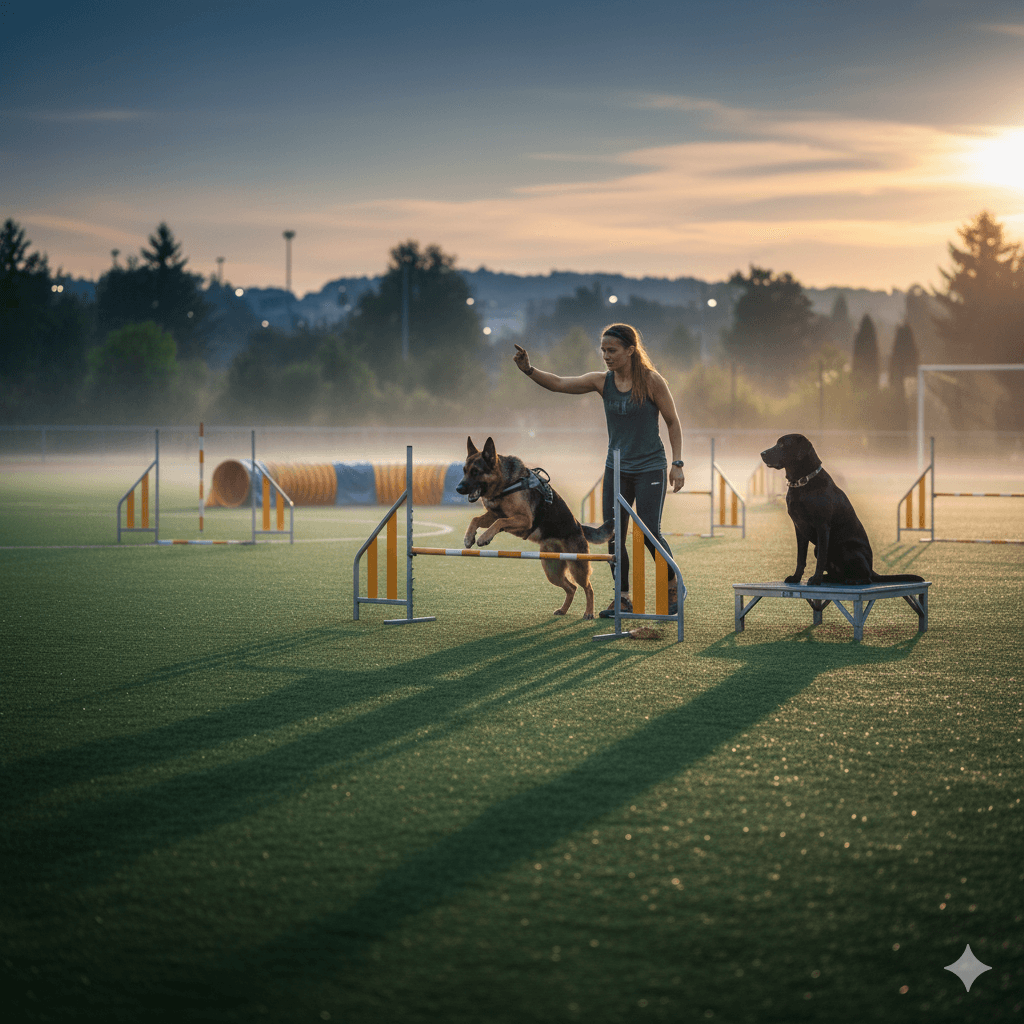
Core Principles Behind Canine Learning
Dogs learn through association, repetition, and consequence—and intensive training leverages these natural processes with scientific precision. Understanding how your dog’s mind works allows you to shape behaviors more effectively and humanely:
- Operant Conditioning in Action:
Behaviors followed by positive outcomes (like treats or freedom) increase; those followed by neutral or negative outcomes decrease over time. - Classical Conditioning for Emotional Responses:
Pairing neutral cues (like a leash) with positive experiences (walks) creates joyful anticipation, reducing fear or resistance. - Threshold Management:
Keep your dog “under threshold” (calm enough to think) during exposure to triggers like other dogs or loud sounds to enable learning. - Latent Learning and Mental Rest:
Dogs process lessons during downtime—rest days are as important as training days for neural consolidation and long-term retention. - Individual Learning Styles:
Some dogs respond best to food; others prefer toys, touch, or verbal praise. Tailoring reinforcement to your dog’s preferences boosts engagement.
Respecting these principles ensures your intensive efforts translate into reliable, stress-free behaviors—not just robotic compliance.
Check this guide 👉How to Become a Therapy Dog Trainer: Best 7 Expert Tips!
Check this guide 👉Advanced Dog Training: Best 7 Expert Tips!
Check this guide 👉Autism Service Dog Training: Best 7 Expert Tips!
Training Essentials | Common Pitfalls to Avoid |
|---|---|
Short, frequent sessions (3–5x/day) | Marathon sessions that cause fatigue or frustration |
High-value rewards for difficult tasks | Using low-interest treats in distracting environments |
Gradual increase in difficulty | Skipping foundational steps like “focus” or “impulse control” |
Daily consistency in cues and rules | Inconsistent commands (e.g., “come,” “here,” “come here”) |
Calm, confident handler energy | Showing anger, impatience, or confusion during setbacks |
Essential Tools and Techniques for Success
The right tools amplify your effectiveness—but they’re only as good as the method behind them. Modern intensive training prioritizes safety, clarity, and cooperation over coercion:
- Target Sticks and Clickers:
These bridge tools mark exact moments of correct behavior, speeding up learning without verbal clutter or delay. - Front-Clip Harnesses or Freedom Harnesses:
Reduce pulling and give gentle steering control during leash training without harming the trachea. - Treat Pouches and High-Value Rewards:
Keep small, smelly treats (like chicken or cheese) accessible to maintain motivation during complex drills. - Mats and Place Cues:
Teach “go to mat” as a default calm behavior—critical for managing reactivity or overexcitement in real-world settings. - Video Recording for Self-Assessment:
Review your sessions to spot inconsistencies in timing, body language, or cue delivery that your dog might be reacting to.
These tools support communication, not control—and that distinction makes all the difference in building willing cooperation.
Designing a Custom Intensive Training Schedule
One-size-fits-all plans rarely work. The most effective schedules align with your dog’s age, temperament, and current skill level while fitting realistically into your lifestyle:
- Puppies (8–16 weeks):
Focus on socialization, bite inhibition, and foundational cues like “name recall” and “sit”—2–3 minutes, 6x/day. - Adolescent Dogs (6–18 months):
Target impulse control, loose-leash walking, and distraction management—5–10 minute sessions, 4–5x/day. - Reactive or Fearful Dogs:
Prioritize counter-conditioning and threshold work—short, low-stress sessions (3–5 minutes) with ample recovery time. - Working or Sport Dogs:
Include skill chains, duration work, and proofing—structured blocks of 10–15 minutes with rest between disciplines. - Adult Dogs with Behavioral Issues:
Blend management (e.g., baby gates) with replacement behaviors (e.g., “go to bed” instead of barking)—consistent daily practice is key.
A well-designed schedule prevents burnout and ensures steady, measurable progress without overwhelming your dog.
Common Mistakes That Undermine Intensive Training
Even well-intentioned owners can sabotage progress through subtle errors in timing, consistency, or emotional tone. Awareness is the first step to correction:
- Inconsistent Cueing:
Using different words or hand signals for the same behavior confuses dogs and slows learning. Stick to one clear cue. - Poor Timing of Rewards:
Delaying a treat by even two seconds can reinforce the wrong action—like looking away instead of maintaining eye contact. - Training When Stressed or Rushed:
Dogs mirror your energy; if you’re impatient or distracted, your dog will struggle to focus or feel safe. - Skipping Generalization:
A dog may “know” a cue at home but not in the park. Practice in multiple locations to build true reliability. - Neglecting Mental and Physical Needs:
A tired dog learns better—but only if rested. Ensure adequate sleep, exercise, and play outside of formal training.
Correcting these pitfalls transforms frustrating plateaus into breakthrough moments.
When to Seek Professional Help
Intensive training is powerful—but not every challenge should be tackled alone. Knowing when to call a certified behaviorist or trainer protects your bond and your dog’s well-being:
- Aggression or Fear-Based Reactivity:
Growling, lunging, or snapping requires expert assessment to avoid worsening through improper handling. - Lack of Progress After 2–3 Weeks:
If foundational cues aren’t improving despite consistent effort, you may need help with technique or underlying issues. - History of Trauma or Rescue Dogs:
Dogs with unknown pasts may need trauma-informed approaches beyond standard obedience methods. - Complex Skill Goals (e.g., Service Tasks):
Tasks like medical alert or public access require specialized protocols and legal knowledge. - Owner Burnout or Frustration:
If training feels like a battle, a coach can reignite joy, reset expectations, and rebuild connection.
A great professional doesn’t take over—they empower you to succeed as your dog’s trusted leader.
Why Intensive Dog Training Works: The Science Behind the Success
Intensive dog training isn’t just about repetition—it’s grounded in decades of behavioral science and real-world results. When applied thoughtfully, this method taps into how dogs naturally learn, think, and bond with humans. Below are key reasons why structured, high-engagement programs consistently yield transformational outcomes:
- Neuroplasticity in Canine Brains:
Dogs’ brains adapt quickly to new patterns through repeated, positive experiences—intensive training accelerates this rewiring for faster habit formation. - Emotional Regulation Through Predictability:
Consistent cues and routines reduce anxiety, helping dogs feel safe and in control even in chaotic environments. - Strengthened Human-Canine Bond:
Daily focused interaction builds deep trust, turning training into a collaborative dialogue rather than a one-sided demand. - Prevention of Problem Behaviors:
Proactive training fills mental gaps that might otherwise lead to chewing, barking, or reactivity out of boredom or confusion. - Generalization Across Contexts:
Intensive programs prioritize practicing skills in varied settings, ensuring your dog responds reliably whether at home, in a park, or amid distractions.
This isn’t obedience through force—it’s empowerment through clarity, and it’s why so many dogs thrive under intentional, compassionate structure.
“Positive reinforcement is like a flashlight that actively illuminates the correct path. Other methods, such as relying solely on punishment or pressure, are just telling the dog what to avoid.”
— Karl Anthony
Frequently Asked Questions About Intensive Dog Training
What does “intensive” mean in dog training?
It refers to a focused, high-frequency program (multiple short sessions daily) over a defined period to accelerate learning or resolve specific issues.
Can any dog handle intensive training?
Most can—with adjustments. Puppies, seniors, or anxious dogs need shorter sessions and gentler pacing, but benefit greatly from consistency.
How long should an intensive training block last?
Typically 2–6 weeks for a specific goal, followed by maintenance sessions to reinforce learning in real-life contexts.
Do I need special equipment for intensive training?
No—just a treat pouch, leash, harness, and perhaps a clicker or target stick. Fancy tools aren’t necessary; clarity and consistency are.
Will intensive training make my dog stressed?
Not if done correctly. Watch for signs like lip-licking, avoidance, or lethargy—and always end on a positive, easy success.
Building a Lifelong Partnership Through Training
Intensive dog training isn’t just about commands—it’s about deepening the silent conversation between you and your dog. When approached with empathy, science, and joy, it becomes a shared language of trust, patience, and mutual respect. The effort you invest doesn’t just produce a well-behaved dog; it cultivates a companion who feels secure, understood, and eager to engage with the world alongside you. And that—far beyond perfect heel or rock-solid stay—is the true reward of intensive training.

Is Rawhide Bad for Cats? Best 7 Expert Tips! – Discover the risks, safe alternatives, and expert advice to keep your feline friend healthy and happy.

Is Rawhide Bad for Dogs? Best 7 Expert Tips! – Discover the risks, benefits, and safer alternatives to rawhides for your dog’s chewing needs.

Understanding Anorexia in Cats: Best 7 Expert Tips! – Learn why cats stop eating, spot warning signs, and discover how to help your feline regain appetite safely.

Understanding Anorexia in Dogs: Best 7 Expert Tips! – Learn causes, symptoms, and solutions to help your dog regain appetite and stay healthy.