
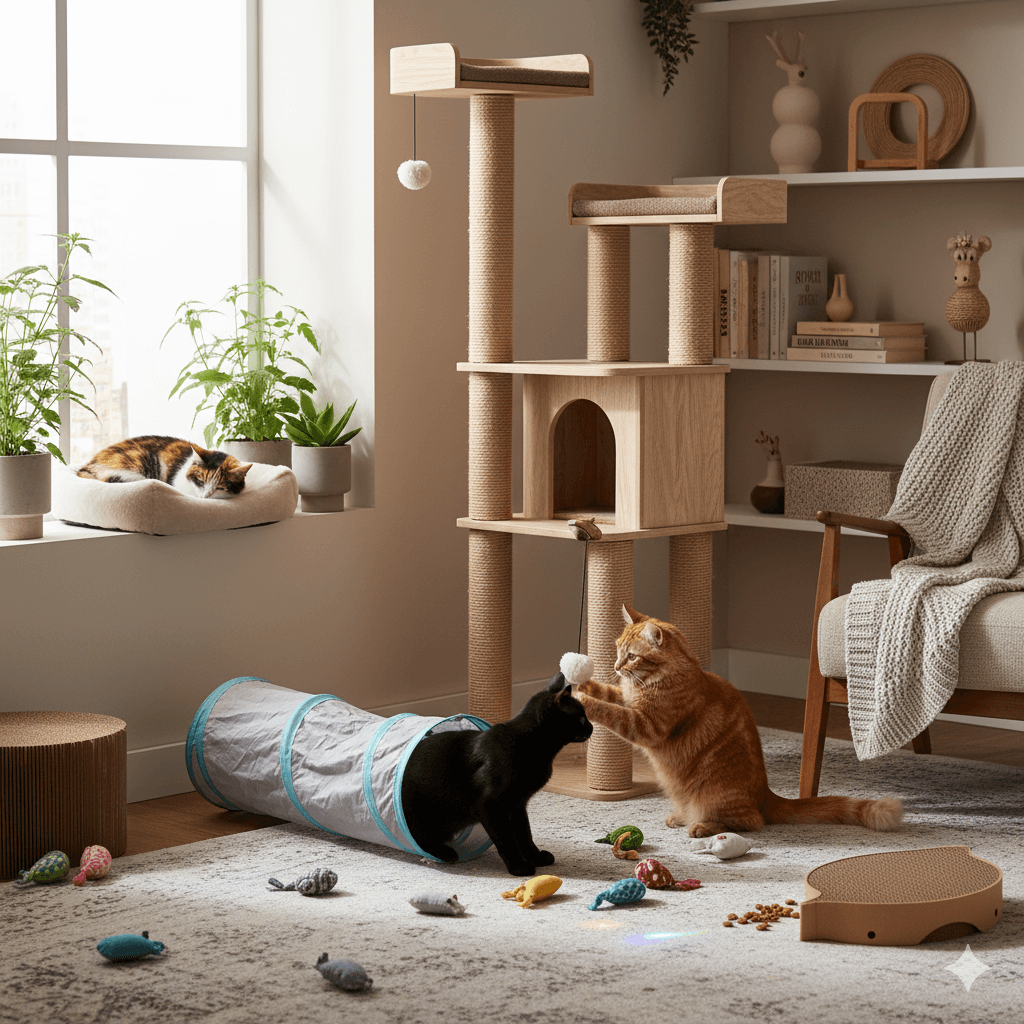

Indoor Activities for Cats: Best 7 Expert Tips!
Cats may seem content lounging in sunbeams, but their minds and bodies thrive on stimulation—even indoors. Without enough engagement, indoor cats can become bored, stressed, or even develop behavioral issues. The good news? You don’t need a huge space or expensive toys to keep your feline friend happy. With thoughtful setup and daily interaction, you can turn your home into a feline paradise full of enrichment, comfort, and play. Whether you live in a studio apartment or a quiet suburban house, these expert-backed strategies will help your cat live their most joyful, healthy life—inside.
Why Indoor Enrichment Matters for Your Cat
Cats are natural hunters, climbers, and explorers. When confined indoors without outlets for these instincts, they may redirect energy toward destructive scratching, overgrooming, or aggression. Purposeful indoor activities aren’t just “fun”—they’re essential for mental health, physical fitness, and emotional security.
- Prevents Boredom-Related Behaviors:
Without stimulation, cats may chew cords, knock things over, or vocalize excessively out of frustration. - Supports Physical Health:
Gentle play and climbing help maintain a healthy weight and joint mobility—especially vital for senior or indoor-only cats. - Reduces Stress and Anxiety:
Predictable routines combined with novel experiences build confidence and lower cortisol levels in sensitive cats. - Strengthens Your Bond:
Interactive play and shared moments of calm trust deepen your connection and improve communication. - Mimics Natural Hunting Cycles:
Short, frequent play sessions simulate the “hunt-catch-eat-rest” rhythm cats follow in the wild.
When you meet your cat’s instinctual needs indoors, you’re not just keeping them busy—you’re honoring their nature.
Easy DIY Enrichment Ideas You Can Start Today
You don’t need a pet store haul to spark joy—many enriching activities use household items and a little creativity. Focus on variety, safety, and your cat’s unique preferences to keep things fresh and engaging.
- Cardboard Box Forts:
Cats love enclosed spaces; stack or cut holes in boxes to create tunnels, hideouts, or multi-level “cat castles.” - Paper Bag Pounce Sessions:
Remove handles and lay a paper bag on its side—many cats can’t resist investigating (and ambushing) from within. - Towel or Blanket Burrows:
Drape a lightweight blanket over chairs to form a cozy cave—perfect for naps or surprise pounces. - Crinkle Balls and Ping Pong Toys:
Lightweight, noisy toys rolled across the floor trigger chasing instincts with minimal owner effort. - Window Perches with Views:
Place a cushioned shelf near a window overlooking birds, squirrels, or street activity for “TV time” that captivates for hours.
Simple, low-cost setups often bring more joy than expensive gadgets—especially when rotated regularly to maintain novelty.
Check this guide 👉Why Doesnt My Cat Play with Toys? Best 7 Tips!
Check this guide 👉Why Does My Cat Play in the Litter Box? Best 7 Tips!
Check this guide 👉How to Play with Your Cat: Best 7 Expert Tips!
Mental Stimulation | Physical Engagement |
|---|---|
Puzzle feeders with kibble | Feather wands for leaping and batting |
Hidden treats under cups | Cat trees for climbing and stretching |
Clicker training sessions | Laser pointer chases (always end with a tangible reward) |
Scent games (catnip, silvervine) | Tunnels for sprinting and hiding |
Novel object rotation (new toy weekly) | Vertical scratching posts for full-body stretching |
Interactive Play That Mimics Natural Hunting
Cats don’t just play to burn energy—they play to practice survival skills. The most satisfying sessions replicate stalking, chasing, and “killing” prey, ending with a sense of accomplishment.
- Use Wand Toys Strategically:
Move the toy like a bird or mouse—flutter, pause, dart, and hide it under a blanket to trigger predatory focus. - Let Your Cat “Catch” the Prey:
Always allow your cat to win at the end; this provides closure and prevents frustration. Offer a treat or kibble as the “kill.” - Schedule Two Daily Sessions:
Morning and evening align with natural crepuscular activity peaks—10–15 minutes each is ideal. - Avoid Hands as Toys:
Using fingers teaches biting; always use toys to protect your skin and reinforce boundaries. - Observe Body Language:
Flattened ears, tail lashing, or over-grooming post-play may signal overstimulation—adjust intensity accordingly.
When play mirrors instinct, your cat doesn’t just exercise—they fulfill a deep biological need.
Creating a Cat-Friendly Vertical Space
Cats feel safest when they can observe from above. Vertical territory reduces stress in multi-cat homes and maximizes small spaces by using walls and unused corners.
- Install Wall-Mounted Shelves:
Create a “cat superhighway” with staggered shelves leading to sunny windows or quiet nooks. - Use Cat Trees with Multiple Levels:
Look for stable, tall structures with platforms, hideaways, and scratching surfaces built in. - Repurpose Bookshelves or Cabinets:
Add soft cushions to unused upper shelves—just ensure your cat can access them safely. - Include Hiding Spots Up High:
Enclosed perches or covered beds on elevated surfaces offer security for shy or anxious cats. - Rotate High-Rest Locations Seasonally:
Move favorite perches toward warmer sun in winter or cooler breezes in summer for comfort.
Vertical space isn’t a luxury—it’s a core part of feline environmental design that promotes confidence and calm.
Scent and Foraging Games for Mental Sharpness
A cat’s sense of smell is 14 times stronger than a human’s—yet most indoor cats rarely use it. Engaging this powerful sense through scent and foraging activities provides deep cognitive enrichment.
- Hide Treats Around the House:
Start easy (in plain sight), then progress to under cups, inside toilet paper rolls, or behind furniture legs. - Introduce Safe Herbal Scents:
Offer catnip, silvervine, or valerian root in toys or sachets—many cats respond with joyful rolling or focused sniffing. - Use Puzzle Feeders Daily:
Turn mealtime into a hunt by using slow feeders, rolling balls, or muffin tins with kibble in each cup. - Create a “Snuffle Mat”:
Sew or knot strips of fleece onto a mat and tuck treats between fibers for your cat to nose out. - Rotate Scent Toys Weekly:
Store unused herbal toys in the freezer to preserve potency and reintroduce them as “new” experiences.
These activities slow down eating, reduce anxiety, and tap into ancient feline brain pathways that simple bowl feeding misses.
Adapting Activities for Senior, Shy, or Special-Needs Cats
Not all cats leap at feather wands—older, timid, or medically fragile cats need gentler, tailored approaches to enrichment. The goal is engagement without overwhelm.
- Senior Cats:
Offer soft plush toys, heated beds near windows, and low-effort puzzles (like treat-dispensing balls that roll easily). - Shy or Anxious Cats:
Start with distant observation (e.g., bird feeders outside windows) and gradually introduce interactive toys from a distance. - Blind or Visually Impaired Cats:
Use crinkly, jingly, or scented toys they can locate by sound or smell; keep furniture arrangements consistent. - Arthritic or Mobility-Limited Cats:
Place enrichment at ground level—tunnels, soft tunnels, or food puzzles on flat surfaces reduce strain. - Overstimulated Cats:
Provide solo activities like self-play balls or wall-mounted toys they can engage with on their own terms.
Adaptation isn’t lowering standards—it’s respecting your cat’s current needs so they can still experience joy.
Expert-Backed Ways to Keep Your Indoor Cat Mentally Sharp
Mental stimulation isn’t a luxury—it’s a necessity for indoor cats, whose natural curiosity and problem-solving instincts need daily exercise. Without cognitive engagement, even the calmest cats can develop stress-related behaviors or lose interest in their surroundings. Fortunately, simple, expert-recommended strategies can keep your cat’s mind active and resilient for years to come.
- Rotate Toys Weekly:
Introducing “new” toys from a hidden stash every few days reignites interest and mimics the novelty of outdoor hunting. - Use Mealtime as a Puzzle:
Skip the bowl—use treat balls, snuffle mats, or DIY muffin-tin puzzles to make eating an engaging, slow-paced activity. - Teach Simple Tricks:
Cats can learn “sit,” “high-five,” or “come” with clicker training, which builds confidence and strengthens your bond through positive reinforcement. - Create Novel Sensory Experiences:
Offer safe, cat-friendly herbs like silvervine or introduce cardboard boxes with different textures to explore by paw and nose. - Schedule Daily “Hunt-Play-Eat” Routines:
Simulate the natural sequence: play with a wand (hunt), let them “catch” it (kill), then feed a small meal (eat)—followed by rest.
Consistent mental challenges don’t just prevent boredom—they enhance your cat’s emotional well-being and cognitive longevity, turning everyday moments into opportunities for joy and discovery.
“Cats need to be mentally and physically engaged for the same reason that we all do — it is what allows them to live happier and healthier lives,” says Dr. Lori Teller
Frequently Asked Questions About Indoor Activities for Cats
Can indoor cats be happy without going outside?
Yes—when provided with consistent enrichment, vertical space, and interactive play, indoor cats often live longer, healthier lives than outdoor cats.
How often should I rotate my cat’s toys?
Every 3–5 days. Store unused toys out of sight and reintroduce them later to maintain novelty and interest.
Is it okay to leave my cat alone with puzzle feeders?
Yes, and it’s encouraged! Puzzle feeders provide safe, independent mental stimulation while you’re away.
Do all cats like catnip?
No—about 30% of cats don’t respond to catnip due to genetics. Try silvervine or valerian root as alternatives.
What if my cat ignores all toys?
Try mimicking prey movement more realistically, play during their natural active times (dawn/dusk), or pair play with meals to boost motivation.
Building a Lifetime of Joy Within Four Walls
Your home can be more than just shelter—it can be a kingdom of discovery, comfort, and quiet adventure for your cat. By weaving simple, intentional activities into daily life, you honor your feline friend’s instincts while deepening the quiet trust between you. Whether it’s the gleam in their eyes during a wand chase, the contented sigh from a sunlit perch, or the playful pounce from a cardboard fortress, these moments matter. Indoor living doesn’t limit a cat’s happiness—it simply invites you to become the architect of their joy. And in return, you’ll be rewarded with purrs, head bumps, and the quiet companionship of a cat who feels safe, seen, and deeply loved.
Is Rawhide Bad for Cats? Best 7 Expert Tips! – Discover the risks, safe alternatives, and expert advice to keep your feline friend healthy and happy.

Is Rawhide Bad for Dogs? Best 7 Expert Tips! – Discover the risks, benefits, and safer alternatives to rawhides for your dog’s chewing needs.

Understanding Anorexia in Cats: Best 7 Expert Tips! – Learn why cats stop eating, spot warning signs, and discover how to help your feline regain appetite safely.

Understanding Anorexia in Dogs: Best 7 Expert Tips! – Learn causes, symptoms, and solutions to help your dog regain appetite and stay healthy.