
Understanding Hypothyroidism and Its Impact on Cat Skin
Common Skin Symptoms of Hypothyroidism in Cats
- Hair Loss (Alopecia):
Hair loss is one of the most visible symptoms, typically starting symmetrically along the sides, flanks, or tail. The fur may appear patchy or thin, and regrowth is often slow or absent without proper treatment. - Dry and Flaky Skin:
The lack of thyroid hormones reduces natural oil production, leading to excessively dry, scaly, or flaky skin. This dryness can cause discomfort and make your cat more prone to secondary infections. - Dull Coat Appearance:
A cat’s coat may lose its usual shine and softness, becoming brittle or coarse to the touch. This change reflects the body’s reduced ability to maintain healthy hair follicles and skin cells. - Thickened or Hyperpigmented Skin:
In chronic cases, the skin may thicken and develop dark patches, a condition known as hyperpigmentation. These areas are often itchy and uncomfortable for the cat. - Slow Wound Healing:
Reduced hormone levels impair cellular regeneration, resulting in delayed wound healing and increased susceptibility to infections or irritations.
Causes of Hypothyroidism in Cats
- Post-Treatment Effects from Hyperthyroidism Therapy:
Radioactive iodine therapy or surgical removal of the thyroid gland to treat hyperthyroidism can sometimes lead to an underactive thyroid. Overcorrection during treatment is a common cause. - Congenital Thyroid Disorders:
Some kittens are born with underdeveloped or nonfunctional thyroid glands, though this is extremely rare and usually diagnosed early in life. - Iodine Deficiency:
Insufficient dietary iodine can impair thyroid function, though commercial cat foods generally provide adequate levels to prevent this issue. - Medications or Toxins:
Certain medications or exposure to environmental toxins may interfere with thyroid hormone production, though this is less common in cats than in other species. - Autoimmune Thyroiditis:
In rare cases, the immune system mistakenly attacks the thyroid gland, reducing its ability to produce hormones. This condition is poorly understood in felines.
Check this guide 👉Understanding Cat Skin Colors: Best 7 Expert Tips!
Check this guide 👉Common Cat Skin Infections: Best 7 Expert Tips!
Check this guide 👉Understanding Cat Skin Cancer: Best 7 Expert Tips!
Common Skin Symptoms | Treatment Options |
|---|---|
Hair loss (alopecia) | Synthetic thyroid hormone replacement |
Dry and flaky skin | Moisturizing shampoos and topical creams |
Dull coat appearance | Omega-3 fatty acid supplements |
Thickened or hyperpigmented skin | Antibiotics for secondary infections |
Slow wound healing | Regular grooming and hydration support |
How Hypothyroidism Affects a Cat’s Skin Health
- Reduced Sebum Production:
Thyroid hormones regulate sebaceous glands; their deficiency leads to decreased oil secretion, causing dryness and irritation. - Slowed Cell Turnover:
Normal skin cell renewal slows down, resulting in a buildup of dead cells that contribute to flakiness and dullness. - Weakened Immune Response:
Low hormone levels compromise the skin’s natural defenses, making it more vulnerable to infections, parasites, and allergens. - Altered Hair Growth Cycle:
Hormonal imbalance disrupts the anagen (growth) phase of hair follicles, leading to poor coat quality and excessive shedding. - Increased Sensitivity to Environmental Factors:
Cats with hypothyroidism often react more strongly to temperature changes, humidity, or grooming products due to compromised skin barriers.
Diagnostic Process for Hypothyroidism in Cats
- Physical Examination:
Vets assess skin texture, coat condition, weight changes, and overall demeanor to identify signs consistent with hypothyroidism. - Blood Tests for Thyroid Hormones:
Measuring levels of T4 (thyroxine) and TSH (thyroid-stimulating hormone) helps confirm low thyroid activity. However, results must be interpreted carefully due to variations in normal ranges. - Exclusion of Other Conditions:
Skin issues similar to hypothyroidism can result from allergies, parasites, or nutritional deficiencies; ruling these out is essential for accurate diagnosis. - Response to Trial Treatment:
In ambiguous cases, vets may initiate synthetic hormone therapy to observe whether symptoms improve, confirming the diagnosis indirectly. - Monitoring Progress Over Time:
Follow-up tests track hormone levels and symptom resolution, ensuring the chosen treatment plan is effective and adjusted as needed.
Treatment Options for Hypothyroidism-Related Skin Issues
- Synthetic Thyroid Hormone Replacement:
Levothyroxine supplements are administered daily to replenish deficient hormones and reverse systemic symptoms, including skin issues. - Topical Treatments for Dry Skin:
Moisturizing shampoos, sprays, or creams alleviate dryness and irritation, providing temporary relief until hormone therapy takes effect. - Dietary Adjustments:
High-quality diets rich in omega-3 fatty acids support skin health and promote better coat quality alongside medical treatment. - Antibiotics for Secondary Infections:
If bacterial or fungal infections arise due to compromised skin barriers, antibiotics or antifungals may be prescribed to clear them. - Regular Grooming and Hydration:
Frequent brushing removes loose fur and debris, while encouraging water intake keeps skin hydrated and minimizes flakiness.
Long-Term Management of Feline Hypothyroidism
- Regular Veterinary Check-Ups:
Routine blood tests every 6–12 months ensure hormone replacement therapy remains effective and dosages are adjusted as needed. - Weight Management Strategies:
Hypothyroidism often leads to weight gain; controlled feeding and exercise plans help maintain a healthy body condition. - Environmental Modifications:
Minimizing stressors like loud noises or sudden changes supports your cat’s emotional well-being and indirectly benefits skin health. - Supplemental Nutritional Support:
Adding vitamins, minerals, or probiotics to the diet strengthens immunity and aids recovery from prolonged hormonal imbalances. - Observation of Behavioral Changes:
Subtle shifts in activity, appetite, or grooming habits may indicate unresolved issues requiring further investigation.
Preventing Recurrence of Hypothyroidism Symptoms
- Avoid Overcorrection During Hyperthyroidism Treatment:
Careful monitoring during radioactive iodine therapy or surgery prevents accidental damage to the thyroid gland. - Provide Balanced Nutrition:
Feeding high-quality, iodine-sufficient diets supports thyroid function and reduces the likelihood of deficiencies. - Limit Exposure to Toxins:
Keeping your home free of harmful chemicals or substances protects your cat’s endocrine system from external disruptions. - Monitor Post-Treatment Recovery Closely:
After hyperthyroidism therapy, regular vet visits detect any signs of hypothyroidism early, allowing prompt intervention. - Educate Yourself About Feline Endocrine Disorders:
Staying informed about thyroid health empowers you to recognize warning signs and advocate for your cat’s care effectively.
Frequently Asked Questions About Hypothyroidism and Cat Skin
What are the first signs of hypothyroidism in cats?
The earliest signs often include dry, flaky skin, hair loss, and a dull coat, accompanied by lethargy or weight gain.
Can hypothyroidism be cured in cats?
While rare, hypothyroidism is typically managed with lifelong synthetic hormone therapy rather than being “cured.”
Is hypothyroidism common in cats?
No, hypothyroidism is quite rare in cats and usually occurs secondary to treatment for hyperthyroidism.
How long does it take to see improvement with treatment?
Most cats show improvement in skin and coat condition within 4–8 weeks of starting hormone replacement therapy.
What should I do if my cat’s symptoms worsen?
Contact your veterinarian immediately, as dosage adjustments or additional treatments may be necessary to address complications.
Supporting Your Cat Through Hypothyroidism Recovery

How to Check Your Cat for a Fever: Best 7 Expert Tips! – Learn the signs, safe temperature checks, and when to see a vet. Keep your feline healthy and happy!

How to Check Your Dog for a Fever: Best 7 Expert Tips! – Learn the signs, safe temperature checks, and when to see a vet if your dog has a fever.
Hypothyroidism and Its Impact on Cat Skin: Best 7 Tips! – Discover how hypothyroidism affects your cat’s skin, spot symptoms early, and learn effective care strategies to keep your feline healthy.
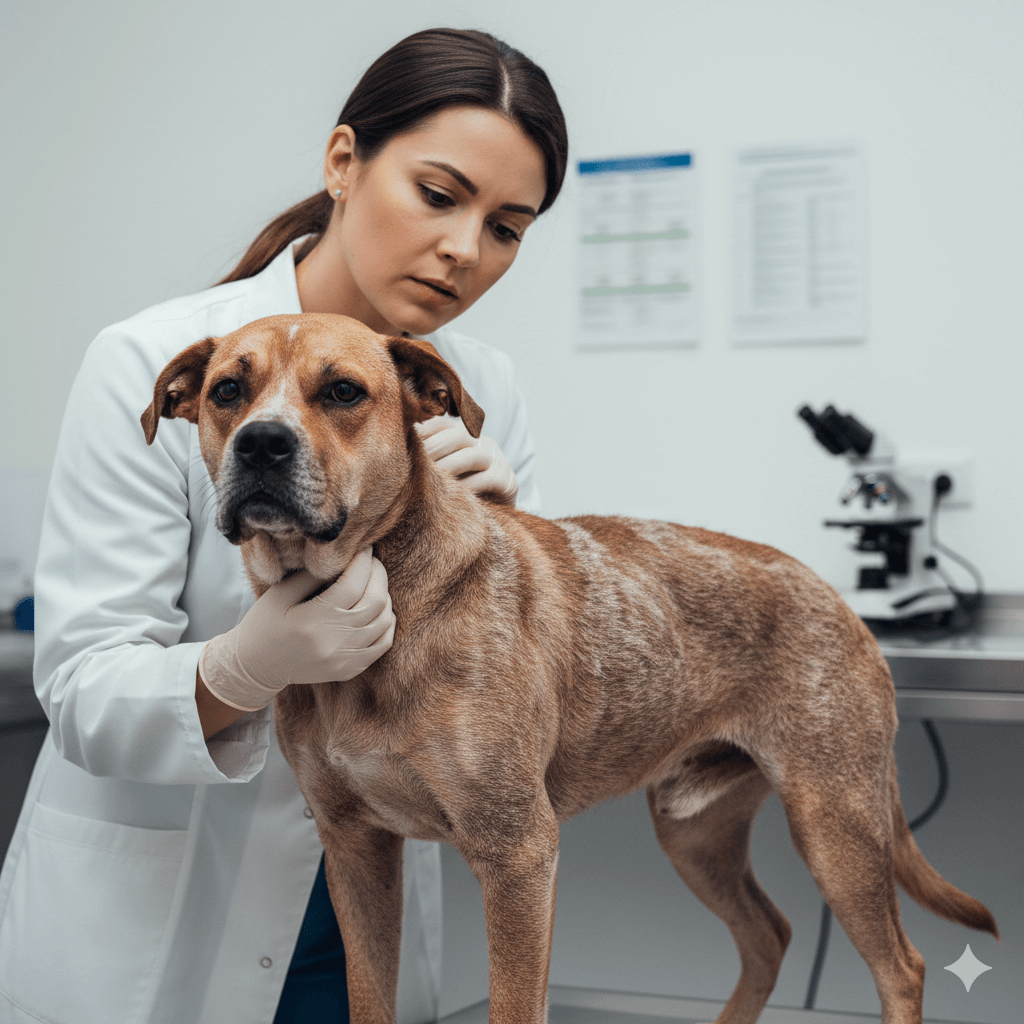
Hypothyroidism and Its Impact on Dog Skin: Best 7 Tips! – Discover how hypothyroidism affects your dog’s skin, spot symptoms early, and learn effective care strategies to restore their health.