

Hyphema in Dogs: Understanding the Causes and Care
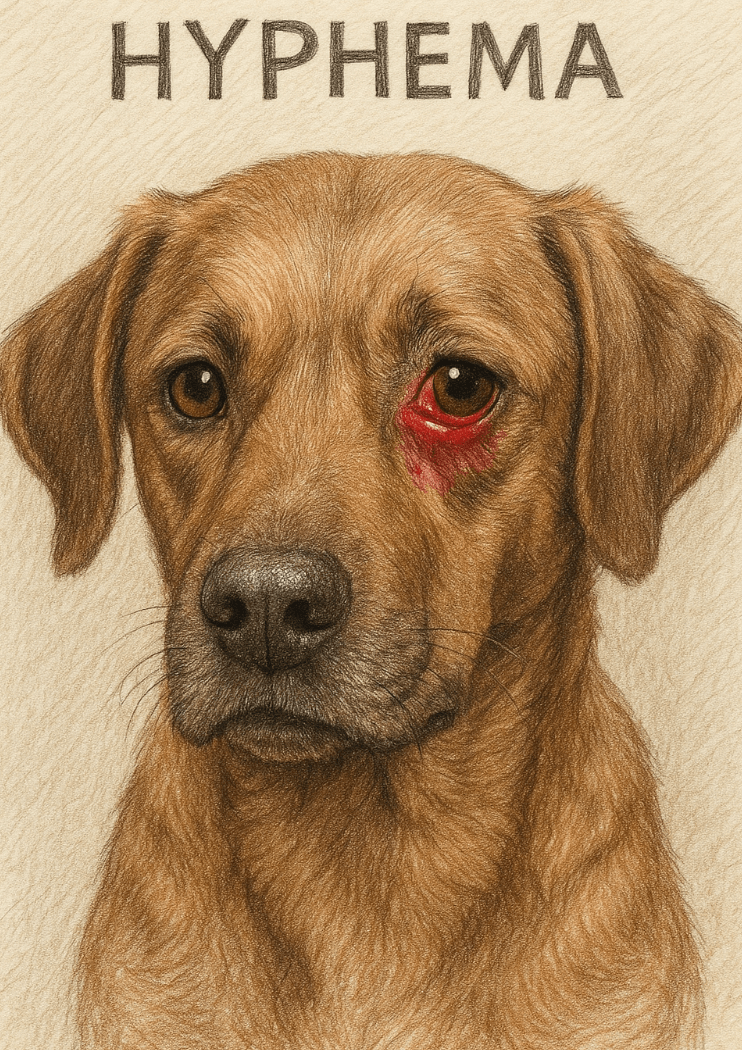
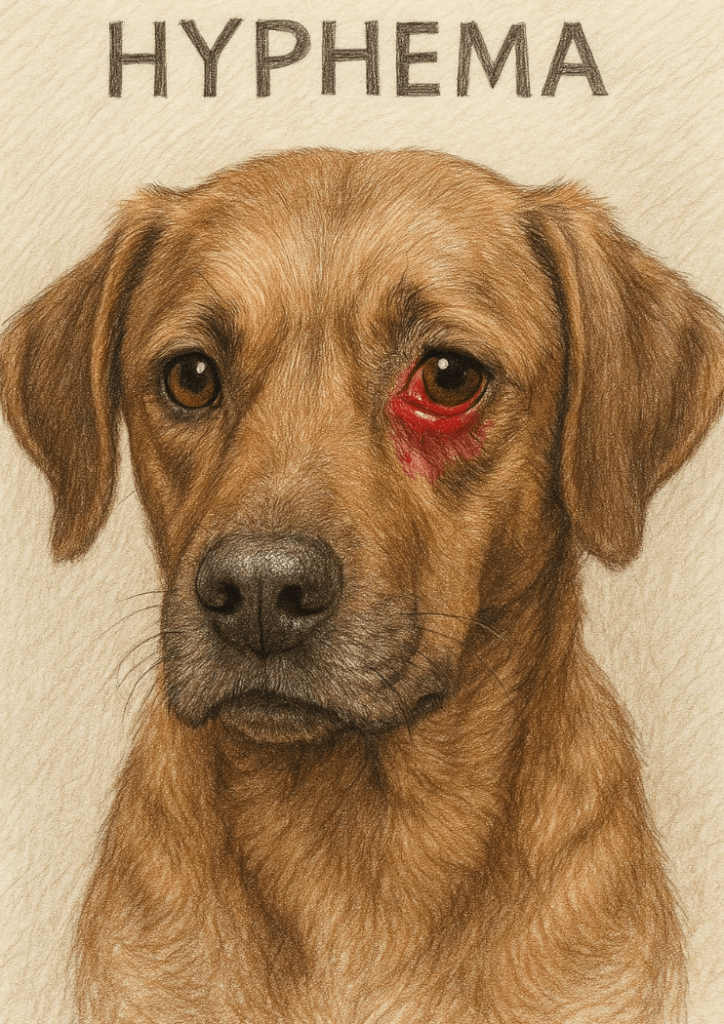
Hyphema in dogs refers to the presence of blood within the anterior chamber of the eye, often appearing as a red or pink discoloration. This condition can range from mild to severe and may indicate underlying health issues that require immediate attention. While it can be alarming for pet owners to notice their dog’s eye filling with blood, understanding the causes, symptoms, and treatment options is crucial for ensuring your furry friend receives the care they need. In this blog post, we’ll explore everything you need to know about hyphema in dogs, from recognizing the signs to managing recovery effectively.
Common Causes of Hyphema in Dogs
Hyphema in dogs can stem from a variety of factors, ranging from trauma to systemic diseases. Identifying the root cause is essential for proper diagnosis and treatment.
Trauma or Injury:
Blunt force to the eye, such as from a fall or collision, can damage blood vessels and lead to bleeding within the eye.Glaucoma:
Increased intraocular pressure due to glaucoma can rupture blood vessels, causing hyphema.Blood Clotting Disorders:
Conditions like thrombocytopenia or hemophilia impair the blood’s ability to clot, increasing the risk of bleeding in the eye.Infections (Uveitis):
Inflammation of the uvea, often caused by infections, can result in bleeding inside the eye.Tumors or Growths:
Abnormal growths near or within the eye can disrupt blood vessels and cause hyphema.
Understanding these potential causes helps veterinarians narrow down the diagnosis and develop an effective treatment plan tailored to your dog’s needs.
Recognizing the Symptoms of Hyphema in Dogs
Early detection of hyphema is critical to prevent complications and preserve your dog’s vision. Keep an eye out for these common symptoms, which may indicate bleeding in the eye.
Visible Blood in the Eye:
The most obvious sign is the presence of blood, which may appear as a red haze or pooling in the front part of the eye.Cloudiness or Discoloration:
The affected eye may look cloudy, pinkish, or darker than usual due to the accumulation of blood.Squinting or Pawing at the Eye:
Dogs with hyphema may squint frequently or paw at their eye in response to discomfort or pain.Sensitivity to Light:
Photophobia, or sensitivity to bright light, is a common symptom associated with hyphema.Reduced Vision or Blindness:
In severe cases, hyphema can impair vision or even lead to temporary blindness if left untreated.
If you notice any of these symptoms, seek veterinary care promptly to address the underlying issue and prevent further damage.
Check this guide 👉Bladder Cancer in Dogs: Best 7 Expert Tips!
Check this guide 👉Spleen Cancer in Dogs: Best 7 Expert Tips!
Check this guide 👉Trigeminal Neuritis in Dogs: Best 7 Expert Tips!
Causes of Hyphema in Dogs | Potential Complications |
|---|---|
Trauma or injury to the eye | Permanent vision loss |
Glaucoma | Increased intraocular pressure |
Blood clotting disorders | Systemic bleeding risks |
Uveitis (eye inflammation) | Chronic pain or recurring episodes |
Tumors or abnormal growths | Spread of cancerous cells |
Treatment Options for Hyphema in Dogs
The treatment for hyphema depends on its severity and underlying cause. A veterinarian will tailor the approach to address both the symptoms and the root issue effectively.
Addressing Underlying Conditions:
Treating conditions like glaucoma, infections, or clotting disorders is essential to stop further bleeding and promote healing.Medications for Pain and Inflammation:
Anti-inflammatory drugs and pain relievers may be prescribed to reduce discomfort and swelling.Antibiotics or Steroids:
In cases of infection or inflammation, antibiotics or topical steroids may be used to manage symptoms.Monitoring Blood Pressure:
Controlling systemic blood pressure can help prevent additional bleeding in the eye.Surgical Intervention:
In severe cases, surgery may be necessary to remove excess blood or repair damaged structures within the eye.
With timely and appropriate treatment, many dogs recover fully from hyphema, though ongoing monitoring is often required.
Preventing Hyphema in Dogs
While not all cases of hyphema can be prevented, there are steps you can take to minimize the risk and protect your dog’s eye health.
Regular Veterinary Check-Ups:
Routine exams help detect and manage conditions like glaucoma or clotting disorders before they lead to complications.Protecting Your Dog’s Eyes:
Use protective gear, such as goggles, during activities that pose a risk of eye injury, like hiking or playing outdoors.Avoiding Rough Play:
Supervise interactions with other animals to prevent accidental scratches or impacts to the eyes.Prompt Treatment of Infections:
Address any signs of eye infections early to prevent them from progressing to more serious conditions.Genetic Screening for Breeds at Risk:
Certain breeds are predisposed to eye issues; genetic testing can help identify potential vulnerabilities.
By taking proactive measures, you can significantly reduce the likelihood of hyphema and ensure your dog’s long-term eye health.
Dietary Support for Eye Health in Dogs
A balanced diet rich in nutrients can support your dog’s eye health and aid in recovery from conditions like hyphema. Consider these dietary tips to boost ocular well-being.
Omega-3 Fatty Acids:
Found in fish oil, these reduce inflammation and support retinal health.Antioxidant-Rich Foods:
Blueberries, carrots, and spinach contain antioxidants that protect eye tissues from oxidative stress.Vitamin A Supplementation:
Essential for maintaining healthy vision, vitamin A supports the function of the cornea and retina.Zinc and Selenium:
These minerals play a role in maintaining the structural integrity of the eye and supporting immune function.Hydration:
Proper hydration ensures the tear film remains healthy, lubricating and protecting the surface of the eye.
Incorporating these nutrients into your dog’s diet promotes long-term eye health and aids recovery.
Breeds Prone to Hyphema and Eye Issues
Certain dog breeds are more susceptible to eye problems, including hyphema, due to genetic predispositions. Awareness of these breeds helps owners take preventive measures.
Boston Terriers:
Known for their prominent eyes, they are prone to injuries and conditions like glaucoma.Boxers:
Often affected by uveitis and other inflammatory eye diseases.Cocker Spaniels:
Susceptible to glaucoma and lens luxation, both of which can lead to hyphema.German Shepherds:
May develop clotting disorders that increase the risk of bleeding in the eye.Shih Tzus:
Their shallow eye sockets make them vulnerable to trauma and related complications.
Owners of these breeds should prioritize regular eye exams and preventive care.
Home Care Tips for Dogs Recovering from Hyphema
Once your dog begins recovering from hyphema, providing a safe and supportive environment at home is crucial for their healing process.
Limit Physical Activity:
Restrict exercise and rough play to prevent further strain on the injured eye.Create a Calm Environment:
Reduce stress by keeping your dog in a quiet, low-light area to avoid irritating the eye.Administer Medications as Directed:
Follow your veterinarian’s instructions carefully when giving prescribed medications.Monitor for Changes:
Watch for signs of worsening symptoms, such as increased redness or discharge, and report them to your vet.Use an Elizabethan Collar:
Prevent your dog from pawing or rubbing their eye by using a protective collar.
With attentive home care, you can support your dog’s recovery and ensure a smooth healing process.
Frequently Asked Questions About Hyphema in Dogs
What should I do if I notice blood in my dog’s eye?
Contact your veterinarian immediately for a thorough examination and diagnosis.
Can hyphema heal on its own?
Mild cases may resolve without intervention, but severe cases require medical treatment to prevent complications.
Is hyphema painful for dogs?
Yes, it can cause discomfort or pain, especially if accompanied by inflammation or increased pressure in the eye.
How long does it take for hyphema to resolve?
Recovery time varies depending on the cause and severity, ranging from days to weeks with proper care.
Can hyphema lead to blindness?
If left untreated, it can result in permanent vision loss, so prompt veterinary attention is crucial.
Prioritizing Your Dog’s Eye Health
Hyphema in dogs is a concerning condition that requires swift action to protect your pet’s vision and overall well-being. By recognizing the symptoms, understanding the causes, and seeking timely veterinary care, you can help your dog recover and prevent future episodes. Remember, prevention plays a key role in maintaining your dog’s eye health—regular check-ups, protective measures, and attentive care go a long way in safeguarding their quality of life. With love and vigilance, you can ensure your furry companion enjoys clear vision and happy, healthy eyes for years to come.
Keeping Your Dog Safe This Summer: Best 7 Expert Tips! – Learn how to protect your pup from heatstroke, dehydration, and more this summer. Stay safe!

When Was Cat Food Invented? Best 7 Expert Tips! – Discover the history, key milestones, and evolution of cat food from scraps to scientifically balanced diets.

When Was Dog Food Invented? Best 7 Expert Tips! – Discover the origins, evolution, and milestones of dog food, and how it transformed pet nutrition over time.
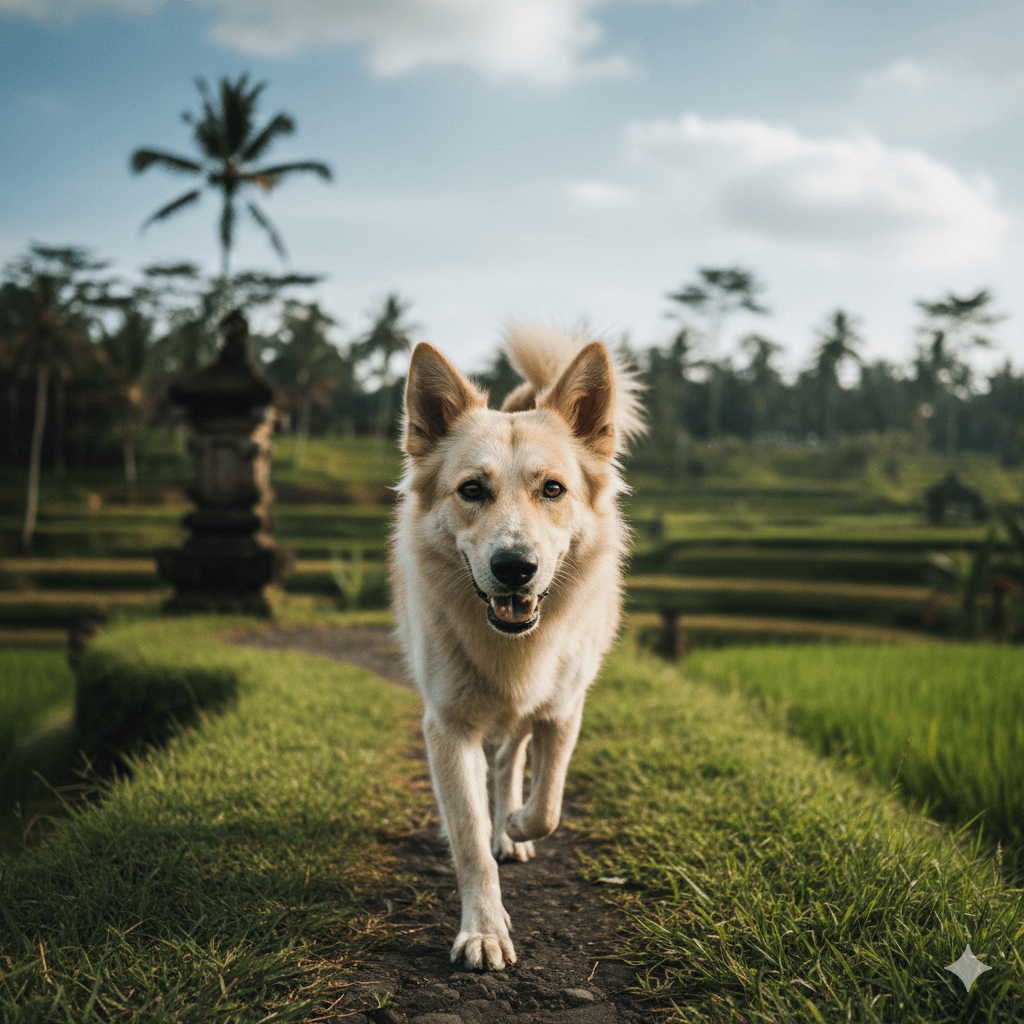
Kintamani Dutch Shepherd Mix: Best 7 Expert Tips! – Discover the perfect blend of loyalty, agility, and charm with this unique hybrid. Learn expert care tips now!