



How to Travel Long Distance with a Cat: A Stress-Free Guide for Pet Owners
Traveling long distances with a cat can feel like a daunting task, especially if your feline companion is not accustomed to leaving their comfort zone. Whether you’re moving to a new home, going on vacation, or visiting family, planning ahead is key to ensuring a smooth and safe journey for both you and your furry friend. Cats are creatures of habit, and the idea of being confined in a carrier for hours—or even days—can make them anxious.
However, with the right preparation, patience, and tools, traveling long distance with a cat can be a manageable and even enjoyable experience. In this blog post, we’ll explore everything you need to know about preparing for the trip, keeping your cat comfortable, and handling challenges along the way. Let’s dive in and make your journey as stress-free as possible!
Preparing Your Cat for Long-Distance Travel
The key to a successful long-distance trip with your cat lies in preparation. Ensuring your cat is ready for the journey will help minimize stress and potential issues during travel. Here’s how to prepare your cat effectively:
Visit the Vet Before Traveling
Schedule a check-up to ensure your cat is healthy and up-to-date on vaccinations. Obtain any necessary health certificates if crossing state or international borders.Introduce the Carrier Early
Allow your cat to get used to their travel carrier by leaving it out at home with familiar bedding or toys inside. This helps reduce anxiety when it’s time to travel.Practice Short Trips
Take your cat on short car rides to acclimate them to the sensation of being in a moving vehicle.Update Identification Tags
Ensure your cat’s collar has updated contact information, including your destination address and phone number.Pack a Travel Kit
Prepare a bag with essentials like food, water, medications, a litter box, and favorite toys to keep your cat comfortable during the trip.
By taking these steps, you’ll set the stage for a smoother journey. Preparation not only benefits your cat but also gives you peace of mind knowing you’ve done everything possible to keep them safe and calm.
Essential Tips for Traveling Long Distances with Your Cat
Once you’ve prepared your cat, it’s time to focus on the actual journey. Long-distance travel requires careful planning and attention to detail. Here are some essential tips to make the trip as comfortable as possible:
Choose the Right Mode of Transportation
Decide whether you’ll travel by car, train, or plane, and research pet policies for each option. Cars often provide the most flexibility for frequent breaks.Plan Frequent Rest Stops
If driving, stop every 2-3 hours to allow your cat to stretch, use the litter box, and hydrate.Keep Noise Levels Low
Minimize loud noises, such as music or conversations, to avoid startling your cat during the journey.Provide Familiar Scents
Bring items that smell like home, such as blankets or toys, to create a sense of familiarity in unfamiliar surroundings.Monitor Your Cat’s Behavior
Watch for signs of stress, such as excessive meowing, panting, or hiding, and take steps to calm them if needed.
These tips will help ensure your cat remains as relaxed as possible throughout the trip. Remember, patience and attentiveness are crucial when traveling with a nervous feline.
Check this guide 👉How Far Can a Cat Travel in a Day? Best 7 Expert Tips!
Check this guide 👉How to Travel with a Cat on a Plane: Best 7 Expert Tips!
Check this guide 👉The Role of Cat Sedatives for Travel: Best 7 Expert Tips!
Pre-Trip Checklist | During the Trip Tips |
|---|---|
Visit the vet for a health check | Take frequent rest stops for hydration |
Introduce the carrier early | Keep noise levels low to avoid startling |
Update ID tags | Provide familiar scents for comfort |
Pack a travel kit with essentials | Monitor behavior for signs of stress |
Practice short trips | Choose the best mode of transportation |
Keeping Your Cat Comfortable During the Journey
Comfort is key to reducing stress during long-distance travel. Here are practical ways to ensure your cat feels secure and relaxed throughout the trip:
Use a Well-Ventilated Carrier
Choose a carrier that’s spacious enough for your cat to move slightly but secure enough to prevent escape. Ensure it has proper ventilation.Line the Carrier with Soft Bedding
Place a soft blanket or towel inside the carrier to make it cozy and absorb any accidents.Offer Water Regularly
Bring a portable water bottle or bowl to keep your cat hydrated, especially during rest stops.Stick to Their Routine
Try to maintain your cat’s feeding and sleeping schedule as closely as possible to reduce disruption.Bring Calming Aids
Consider using calming products like pheromone sprays or natural supplements to soothe your cat during travel.
By prioritizing your cat’s comfort, you’ll help them feel more at ease during the journey. A little extra effort goes a long way in making the experience positive for both of you.
Handling Challenges While Traveling Long Distances
Even with careful planning, challenges can arise when traveling long distances with a cat. Knowing how to handle these situations can make a big difference. Here’s what to do if things don’t go as planned:
Dealing with Motion Sickness
If your cat shows signs of nausea, consult your vet beforehand for medication options to ease motion sickness.Managing Anxiety
If your cat becomes overly anxious, try distracting them with toys or speaking in a soothing voice to reassure them.Addressing Litter Box Needs
For extended trips, bring a portable litter box and clean it regularly to encourage your cat to use it.Handling Escape Attempts
Ensure the carrier is securely closed and never leave your cat unattended in the vehicle or public spaces.Coping with Delays
If there are unexpected delays, have a backup plan for food, water, and overnight stays to keep your cat comfortable.
Being prepared for these challenges will help you stay calm and focused, ensuring your cat remains safe and cared for no matter what happens.
Signs Your Cat Is Stressed During Travel
Cats can exhibit various signs of stress during long-distance travel, and recognizing these cues early can help you address their discomfort promptly. Here are some common indicators to watch for:
Excessive Vocalization
If your cat starts meowing or crying more than usual, it could be a sign they’re feeling anxious or overwhelmed.Panting or Heavy Breathing
Cats rarely pant, so this behavior often signals stress or overheating during the journey.Hiding Behavior
Your cat may try to burrow into blankets or hide in corners of the carrier as a way to feel safe.Refusal to Eat or Drink
A loss of appetite or refusal to drink water can indicate that your cat is too stressed to focus on basic needs.Aggression or Restlessness
Some cats may hiss, scratch, or move around excessively when they’re feeling uneasy.
By paying attention to these signs, you can take steps to comfort your cat and reduce their stress levels. Early intervention ensures a smoother travel experience for everyone involved.
Fun Facts About Cats and Travel
While cats aren’t typically known as adventurous travelers, there are some fascinating insights about felines and their relationship with travel. Here are a few fun facts to brighten your journey:
Cats Are Territorial Creatures
Unlike dogs, cats are highly territorial, which is why leaving their familiar environment can be stressful for them.Some Cats Love Car Rides
While rare, some cats enjoy car rides and may even fall asleep during the trip!Cats Can Adapt to New Environments
With time and patience, most cats can adjust to new surroundings, even after a long journey.Famous Traveling Cats Exist
There are stories of adventurous cats who have traveled across countries and continents with their owners.Cats Prefer Routine
Maintaining a consistent schedule during travel helps cats feel more secure and less anxious.
These fun facts highlight the unique nature of cats and their ability to adapt, even if they prefer the comforts of home. Understanding their quirks can make traveling together more enjoyable.
Tips for International Travel with Your Cat
Traveling internationally with your cat requires additional planning due to varying regulations and longer journeys. Here are some tips to ensure a smooth international trip:
Research Pet Import Regulations
Check the destination country’s requirements for vaccinations, microchipping, and quarantine periods well in advance.Obtain Necessary Documentation
Secure a pet passport or health certificate, as many countries require proof of your cat’s health status.Choose Pet-Friendly Airlines
Select airlines that offer pet-friendly policies and prioritize animal safety during flights.Prepare for Quarantine (if required)
Some countries mandate quarantine for incoming pets; plan accordingly to minimize disruption.Pack for Cultural Differences
Bring extra supplies in case pet food or litter brands differ in the destination country.
International travel with a cat involves extra steps, but careful preparation ensures compliance with regulations and reduces stress for both you and your furry companion. With the right approach, your international adventure can be a success!
Frequently Asked Questions About Traveling Long Distances with a Cat
Can I sedate my cat for long-distance travel?
Sedation should only be used under veterinary guidance, as it can pose risks to your cat’s health.
How often should I stop during a road trip with my cat?
Aim to stop every 2-3 hours to let your cat stretch, use the litter box, and hydrate.
What should I pack for a long trip with my cat?
Essentials include food, water, a litter box, carrier, bedding, toys, medications, and grooming supplies.
Is it safe to fly with a cat?
Flying can be safe if you follow airline regulations and ensure your cat is comfortable in their carrier.
How can I calm my cat during a stressful trip?
Use familiar scents, calming aids, and a consistent routine to help your cat feel more secure.
Making Long-Distance Travel a Positive Experience for Your Cat
Traveling long distances with a cat may seem challenging at first, but with the right preparation and mindset, it can be a rewarding experience for both you and your feline companion. By focusing on your cat’s needs, maintaining their routine, and staying patient, you can ensure they remain comfortable and stress-free throughout the journey. Remember, every cat is unique, so tailor your approach to suit their personality and preferences. Whether you’re embarking on a road trip or flying to a new destination, the bond you share with your cat will make the adventure all the more special. With love, care, and a little planning, you can turn long-distance travel into a memorable experience for your furry friend. Safe travels!
Can I Give My Cat Midol? Best 7 Expert Tips! – Learn the risks, symptoms, and safe alternatives to keep your cat healthy and avoid toxic reactions.
Can I Give My Dog Midol? Best 7 Expert Tips! – Discover the risks, safe alternatives, and expert advice to keep your dog safe from accidental poisoning.
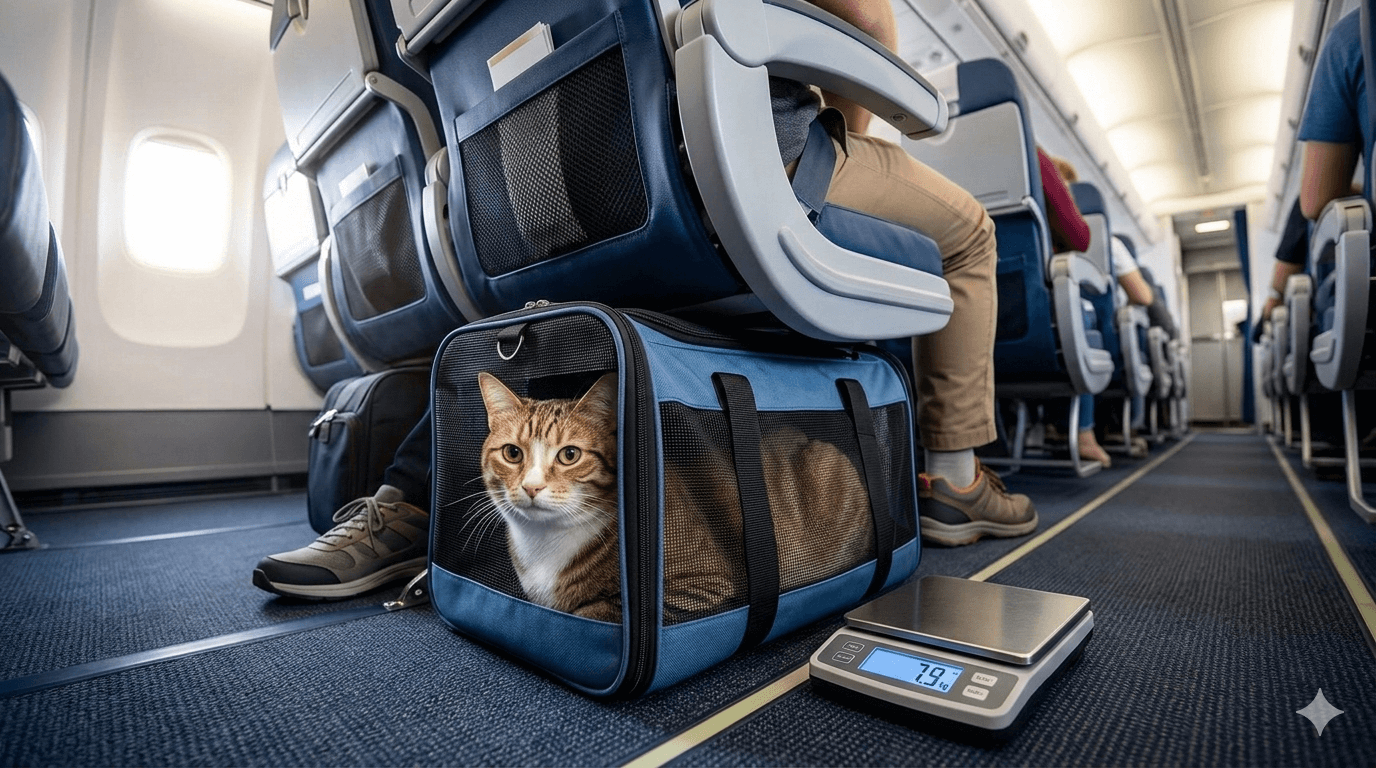
Maximum Weight for Cats on Planes: Best 7 Expert Tips! – Learn airline policies, tips to stay compliant, and ensure safe travels for your feline friend.
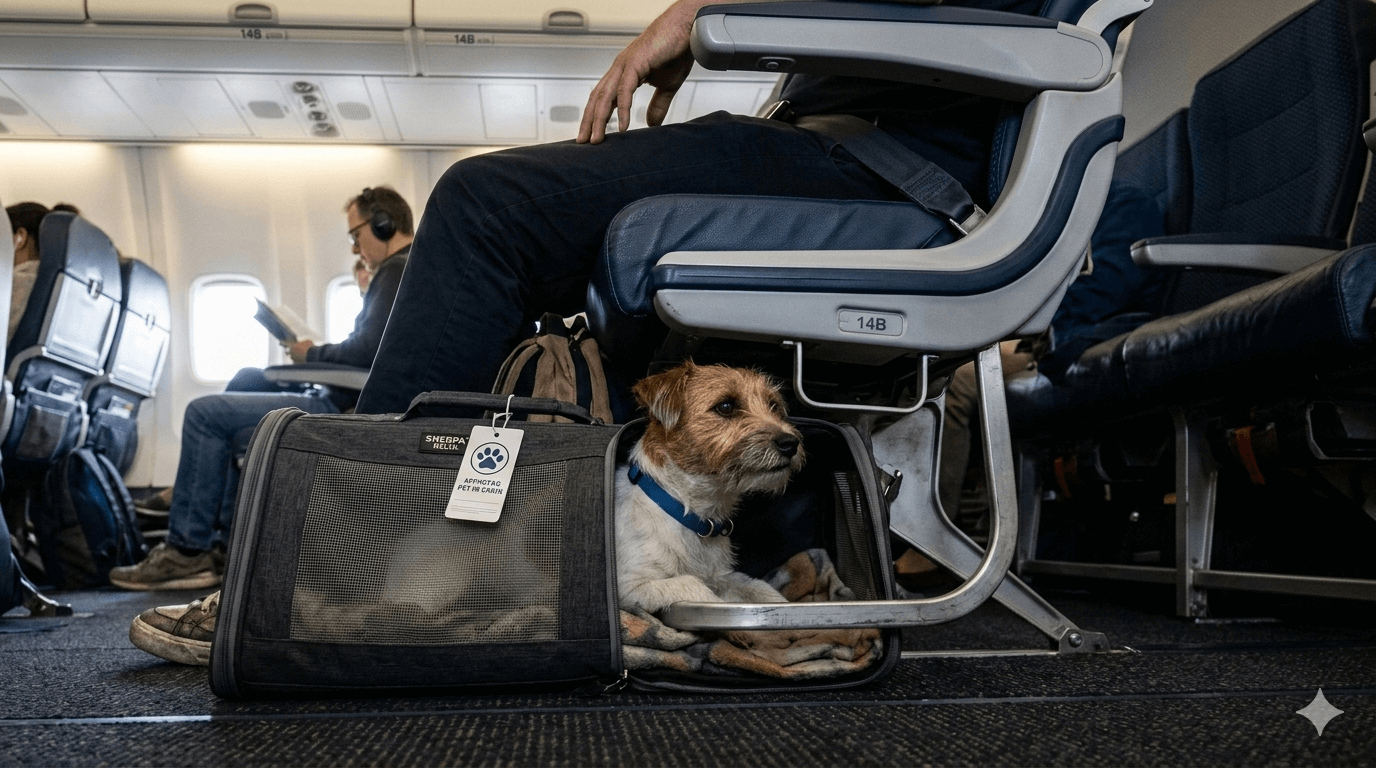
Max Weight for Dogs on Planes: Best 7 Expert Tips! – Discover airline weight limits, safe travel tips, and solutions for flying with your dog stress-free.