
How to Train Your Cat to Hold Pee Longer
Training your cat to hold their pee for longer periods can be a lifesaver, especially during busy days or travel. While cats naturally prefer frequent bathroom breaks, they can learn to adjust their habits with patience and consistency. By understanding their needs and using positive reinforcement, you can help your feline friend adapt without stress or discomfort.
Understanding Your Cat’s Natural Urination Habits
Cats are creatures of habit, and their urination patterns are deeply rooted in their biology and environment. Training them to hold their pee longer requires an understanding of their natural instincts and limitations. Cats typically urinate multiple times a day, depending on factors like water intake, diet, and stress levels. While some cats can naturally hold their bladder for longer periods, others may struggle due to age, health conditions, or anxiety. Recognizing these nuances helps you set realistic expectations and tailor your approach accordingly.
- Frequency of Normal Urination:
Healthy cats usually urinate 2–4 times daily, depending on hydration levels and dietary habits. Monitoring this baseline helps identify abnormal patterns early. - Factors Influencing Bladder Control:
Age plays a significant role; kittens and senior cats have weaker bladder control compared to adult cats. Additionally, stress or environmental changes can disrupt routines. - The Role of Diet and Hydration:
Wet food increases water intake, leading to more frequent urination, while dry food may slightly extend holding capacity but risks dehydration if not balanced properly. - Health Conditions That Affect Urination:
Conditions like urinary tract infections (UTIs), bladder stones, or kidney disease can impair bladder control and make training more challenging. - Instinctual Need for Cleanliness:
Cats instinctively avoid soiled areas, making it crucial to provide clean litter boxes even during training to prevent accidents.
Understanding these factors ensures you approach training with empathy and patience, respecting your cat’s biological needs while gently encouraging behavioral adjustments.
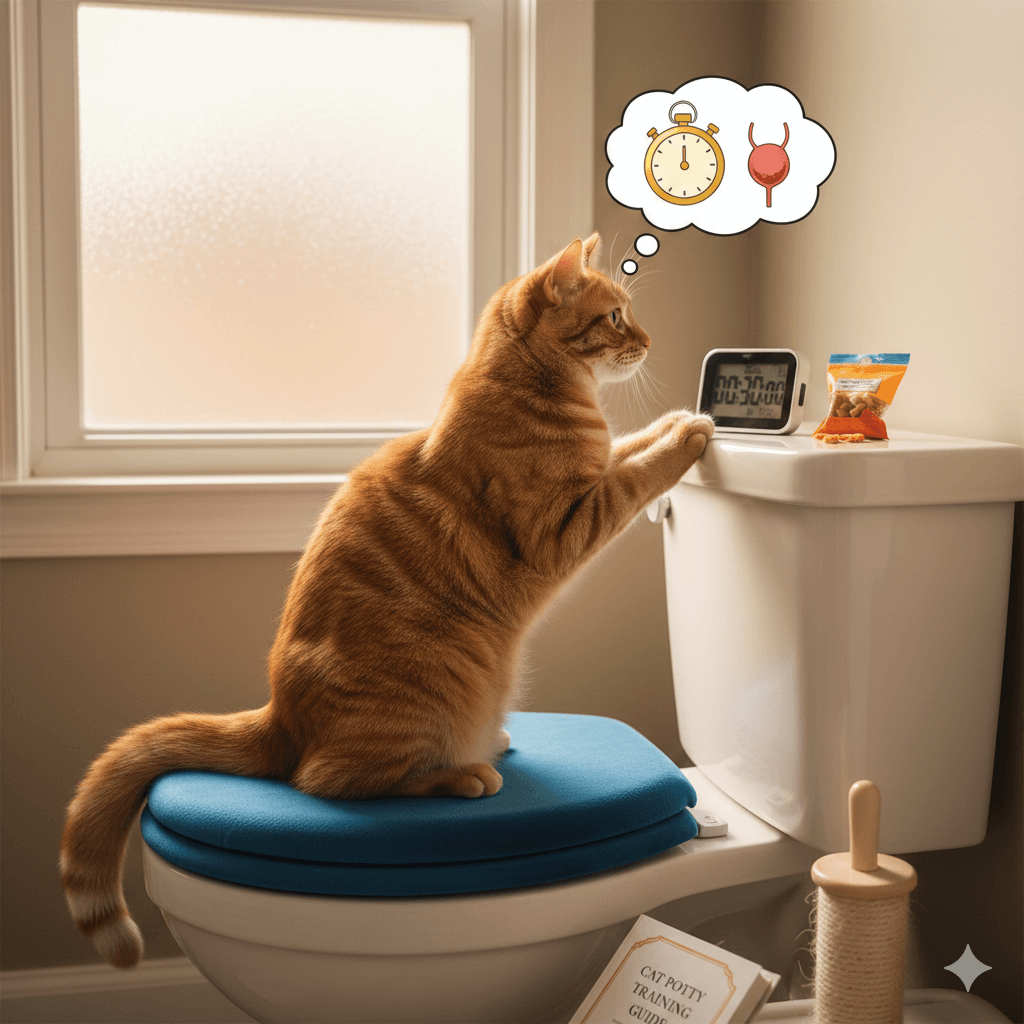
Preparing Your Cat for Extended Holding Periods
Before attempting to train your cat to hold their pee longer, preparation is key. This involves creating a supportive environment, ensuring your cat is healthy, and establishing trust through consistent routines. Proper preparation minimizes stress and sets the stage for successful training.
- Schedule a Veterinary Check-Up:
Rule out underlying medical issues that could hinder bladder control. A vet can confirm your cat’s health and provide guidance tailored to their needs. - Create a Comfortable Environment:
Ensure your home feels safe and predictable. Cats thrive on routine, so maintaining consistent feeding, play, and bathroom schedules builds confidence. - Introduce Gradual Changes:
Sudden disruptions to their routine can cause stress. Start by extending bathroom breaks incrementally to allow your cat time to adapt. - Provide Mental Stimulation:
Boredom or anxiety can lead to accidents. Engage your cat with toys, climbing structures, or interactive play to keep their mind occupied. - Use Positive Reinforcement Early On:
Reward calm behavior and successful bathroom trips with treats or praise to build trust and motivation before starting formal training.
Preparation lays the foundation for success, ensuring your cat feels secure and ready to learn new habits without undue stress.
Check this guide 👉Does Cat Pee Kill Plants? Best 7 Expert Tips!
Check this guide 👉Does Bleach Get Rid of Cat Pee Smell? Best 7 Expert Tips!
Check this guide 👉Understanding Normal Cat Pee Clump Size: Best 7 Tips!
| Effective Training Tips | Common Mistakes to Avoid |
|---|---|
| Gradually extend bathroom intervals by 15–30 minutes. | Expecting immediate results without incremental steps. |
| Use positive reinforcement like treats or praise. | Punishing your cat for accidents, which increases stress. |
| Provide mental stimulation to distract during holding periods. | Neglecting to clean litter boxes regularly, deterring usage. |
| Ensure access to fresh water to support urinary health. | Ignoring signs of discomfort or underlying health issues. |
| Maintain a consistent routine for feeding and bathroom breaks. | Placing litter boxes in noisy or high-traffic areas. |
Step-by-Step Guide to Extending Holding Time
Training your cat to hold their pee longer requires a structured approach that respects their limits while encouraging gradual progress. Patience and consistency are essential throughout the process. Follow these steps to guide your cat toward better bladder control.
- Establish a Baseline Routine:
Observe how long your cat typically holds their pee under normal circumstances. Use this as a starting point for incremental extensions. - Increase Break Intervals Gradually:
Add 15–30 minutes to their usual holding time every few days. Avoid pushing too quickly, as this can cause discomfort or accidents. - Offer Distractions During Extended Periods:
Provide toys, scratching posts, or puzzle feeders to keep your cat engaged and distracted from the urge to urinate. - Reward Successful Attempts:
Praise and reward your cat immediately after they successfully hold their pee for the extended period. Positive reinforcement strengthens desired behaviors. - Monitor for Signs of Discomfort:
Watch for pacing, meowing, or squatting, which indicate they need to go. If these signs occur, take them to the litter box promptly to avoid accidents.
This step-by-step method ensures steady progress without overwhelming your cat, fostering trust and cooperation throughout the training process.
Addressing Challenges During Training
Even with careful planning, challenges may arise during training. Cats are sensitive animals, and setbacks are common when introducing new behaviors. Anticipating potential obstacles allows you to address them proactively and maintain momentum.
- Dealing with Accidents Gracefully:
Clean up accidents thoroughly using enzymatic cleaners to remove odors that might attract repeat incidents. Avoid scolding, as punishment can increase anxiety. - Managing Anxiety or Stress:
Changes in routine or unfamiliar environments can trigger stress-related accidents. Use calming aids like pheromone diffusers to soothe your cat. - Adjusting Expectations for Age or Health:
Older cats or those with medical conditions may require shorter intervals. Be flexible and prioritize their comfort over rigid goals. - Reinforcing Trust After Setbacks:
If your cat has an accident, reassure them with gentle words and continue training positively to rebuild confidence. - Recognizing When to Pause Training:
If your cat shows persistent distress or resistance, pause and consult your vet to ensure there are no hidden health issues.
Addressing challenges compassionately ensures your cat remains comfortable and motivated, preserving the bond between you during training.
The Role of Diet in Bladder Control
Your cat’s diet plays a critical role in their ability to hold urine for extended periods. Certain foods and hydration practices can either support or hinder bladder control, making dietary adjustments an important part of training.
- Incorporate High-Quality Wet Food:
Wet food increases water intake, diluting urine and reducing irritation that could trigger frequent urges to urinate. - Limit Dry Food Consumption:
While convenient, excessive dry food can lead to dehydration, concentrating urine and increasing the risk of urinary issues. - Avoid Irritating Ingredients:
Some ingredients, like artificial additives or high sodium levels, can irritate the bladder and disrupt control. Opt for natural, species-appropriate options instead. - Encourage Regular Hydration:
Place multiple water bowls around the house or invest in a cat fountain to encourage drinking, supporting overall urinary health. - Consult Your Vet About Supplements:
Probiotics or cranberry extracts may promote bladder health, though professional advice is essential before introducing supplements.
A balanced diet supports optimal urinary function, enhancing your cat’s ability to adapt to longer holding periods comfortably.
Creating a Safe Space for Bathroom Breaks
Providing a designated, inviting space for your cat to relieve themselves reduces stress and encourages cooperation during training. Cats value privacy and cleanliness, so designing a suitable bathroom area is crucial.
- Choose Quiet, Accessible Locations:
Place litter boxes in low-traffic areas where your cat feels safe and undisturbed, avoiding noisy or chaotic spaces. - Maintain Immaculate Cleanliness:
Scoop litter daily and change it weekly to prevent odors that deter usage. Cats dislike dirty boxes and may refuse to use them. - Select Appropriate Litter Types:
Experiment with unscented, fine-textured litters, as many cats prefer these over heavily fragranced or coarse alternatives. - Ensure Adequate Box Size:
Large, open-top boxes provide ample space for movement, reducing anxiety during bathroom trips. Covered boxes may trap odors and feel confining. - Provide Multiple Boxes if Needed:
For multi-cat households, follow the “one box per cat plus one extra” rule to minimize territorial disputes and ensure availability.
A well-designed bathroom setup promotes relaxation and reinforces good habits, aiding your training efforts significantly.
Building Long-Term Success Through Consistency
Consistency is the cornerstone of any successful training program. By maintaining routines, reinforcing positive behaviors, and addressing setbacks calmly, you create a sustainable framework for long-term success.
- Stick to Established Schedules:
Consistent feeding, play, and bathroom routines help regulate your cat’s internal clock, improving bladder control over time. - Continue Positive Reinforcement:
Even after initial progress, regularly reward your cat for holding their pee longer to reinforce the behavior permanently. - Adapt to Changing Needs:
As your cat ages or experiences lifestyle changes, adjust training strategies to accommodate evolving requirements. - Monitor Health Regularly:
Schedule annual vet check-ups to catch any emerging issues early and ensure ongoing urinary health. - Celebrate Small Milestones:
Acknowledge incremental achievements, such as holding for an extra hour, to stay motivated and celebrate your cat’s progress together.
With dedication and consistency, you can achieve lasting results, strengthening the bond between you and your feline companion along the way.
“A healthy adult cat can typically hold their urine for 24 to 48 hours. However, this doesn’t mean it’s safe for them to regularly hold it for such long periods. Consistently delaying urination can strain the urinary system and increase the risk of urinary tract infections (UTIs) or other bladder problems.” — Basepaws Veterinary Team
Frequently Asked Questions About Training Cats to Hold Pee Longer
Can cats naturally hold their pee for longer periods?
Yes, adult cats can typically hold their urine for 8–12 hours under normal circumstances, but training helps them adapt comfortably to extended durations.
What if my cat has an accident during training?
Clean the area thoroughly with enzymatic cleaners to remove odors, and avoid scolding your cat. Accidents are part of the learning process.
How long does it take to train a cat to hold pee longer?
Clean the area thoroughly with enzymatic cleaners to remove odors, and avoid scolding your cat. Accidents are part of the learning process.
Are there health risks associated with holding pee too long?
Forcing cats to hold urine excessively can lead to urinary tract infections (UTIs) or bladder stones. Always prioritize their comfort and monitor for signs of distress.
Can older cats be trained to hold their pee longer?
Yes, senior cats can learn with patience and adjustments for their reduced bladder control. Consult your vet to rule out age-related health concerns first.
Strengthening the Bond Through Patience and Trust
Training your cat to hold their pee longer is more than just a behavioral adjustment—it’s an opportunity to deepen the bond you share. By approaching the process with empathy, consistency, and respect for your cat’s needs, you create a foundation of trust that extends beyond this specific goal. Remember, every small milestone reflects your dedication and love, proving that even the most challenging tasks become rewarding when done together. Celebrate each success, no matter how minor, and cherish the journey of growing closer to your feline companion.

Is Rawhide Bad for Cats? Best 7 Expert Tips! – Discover the risks, safe alternatives, and expert advice to keep your feline friend healthy and happy.

Is Rawhide Bad for Dogs? Best 7 Expert Tips! – Discover the risks, benefits, and safer alternatives to rawhides for your dog’s chewing needs.

Understanding Anorexia in Cats: Best 7 Expert Tips! – Learn why cats stop eating, spot warning signs, and discover how to help your feline regain appetite safely.

Understanding Anorexia in Dogs: Best 7 Expert Tips! – Learn causes, symptoms, and solutions to help your dog regain appetite and stay healthy.