
How to Tell If Your Cat Is Hungry: Best 7 Expert Tips
Cats are masters of subtle communication, and understanding their hunger cues can strengthen your bond while ensuring their nutritional needs are met. Whether it’s a gentle nudge or an insistent meow, recognizing the signs of hunger helps you respond appropriately. However, it’s equally important to differentiate between true hunger and attention-seeking behavior. By learning how to interpret your cat’s signals, you can provide balanced meals and maintain a happy, healthy feline companion.
Common Behavioral Signs That Indicate Hunger in Cats
Cats have unique ways of expressing their needs, and hunger often triggers specific behaviors that are easy to recognize if you know what to look for. These signs range from vocalizations to physical gestures, all designed to grab your attention. Understanding these cues helps you determine whether your cat is genuinely hungry or simply seeking interaction.
- Persistent Meowing or Chirping:
Cats use vocalizations to communicate their needs, and hunger often prompts repeated meows or chirps near their food bowl or while following you around the house. This behavior escalates as mealtime approaches, especially if your cat associates certain times with feeding. - Rubbing Against You or Furniture:
Hunger can make cats more affectionate than usual, rubbing against your legs or furniture to signal their need for food. This behavior also marks their territory with scent glands, reinforcing their connection to you during moments of anticipation. - Pawing at You or Their Food Bowl:
Some cats resort to pawing at their owners or knocking their food bowls around to draw attention. This action is a clear sign they’re eager to eat and may feel frustrated if their request isn’t met promptly. - Following You Around the House:
If your cat suddenly becomes your shadow, trailing you wherever you go, it’s likely they’re trying to remind you about mealtime. This clingy behavior is a common tactic used by cats to ensure they don’t go unnoticed when they’re feeling peckish. - Sitting Near or Staring at Their Food Bowl:
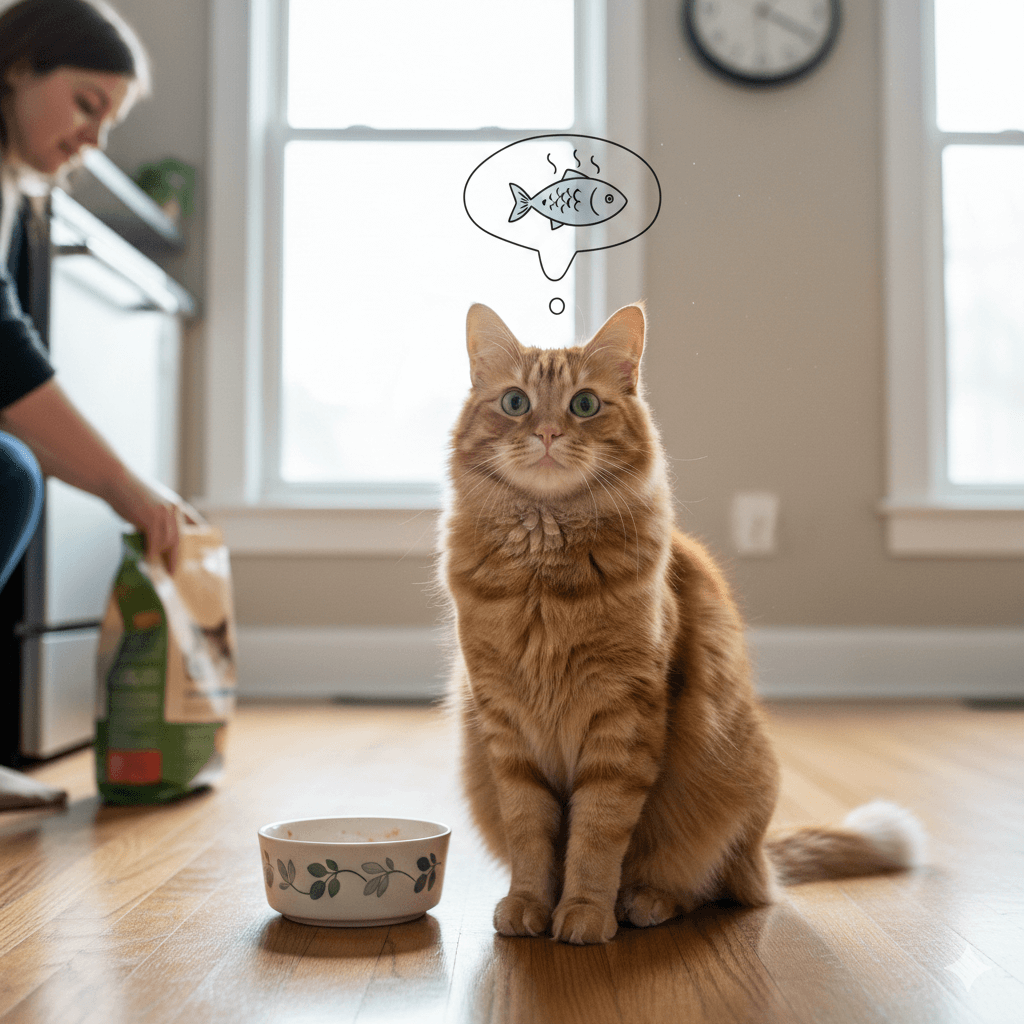
Cats often position themselves strategically near their feeding area, staring intently at their empty bowl or sitting patiently nearby. This visual cue is one of the most direct ways they express their desire for food.
By paying close attention to these behavioral patterns, you’ll be better equipped to identify genuine hunger signals and respond appropriately to keep your cat satisfied.
Physical Signs That Your Cat Might Be Hungry
In addition to behavioral cues, cats exhibit physical signs when they’re hungry. These changes in posture, energy levels, or even grooming habits can indicate unmet nutritional needs. Observing these subtle shifts allows you to assess your cat’s condition accurately.
- Increased Restlessness or Pacing:
Hungry cats often display restless energy, pacing back and forth or moving between rooms in search of food. This heightened activity contrasts sharply with their usual calm demeanor when well-fed. - Licking Lips or Smacking Mouth:
When cats are anticipating food, they may lick their lips repeatedly or smack their mouths as if savoring imaginary flavors. This reflexive behavior is triggered by thoughts of eating or smelling food remnants. - Overgrooming Themselves:
Grooming is a self-soothing mechanism for cats, and excessive licking or grooming might indicate stress caused by hunger. While this behavior overlaps with other issues, it’s worth considering alongside other hunger signs. - Dilated Pupils or Alert Posture:
A hungry cat may appear unusually alert, with dilated pupils and an upright stance as they focus on potential sources of food. This heightened state reflects their eagerness to secure a meal. - Nudging Objects Related to Feeding:
Cats sometimes nudge items like food bags, utensils, or storage containers associated with meals. This clever tactic aims to remind you of their dietary needs through indirect association.
Recognizing these physical indicators ensures you address your cat’s hunger before it leads to frustration or discomfort, maintaining harmony in your household.
Check this guide 👉How Much Hard Food Should a Cat Eat? Best 7 Expert Tips!
Check this guide 👉What Can a Baby Cat Eat? Best 7 Expert Tips!
Check this guide 👉How Much Cheese Can a Cat Eat? Best 7 Expert Tips!
True Hunger Indicators | Attention-Seeking Behaviors |
|---|---|
Consistent meowing near food bowl | Random vocalizations throughout the day |
Restlessness or pacing tied to mealtime | Sudden bursts of energy unrelated to feeding schedule |
Dilated pupils and alert body posture | Playful nudging or pawing for interaction |
Sitting by or staring at empty food bowl | Following you around without focusing on food areas |
Increased lip-licking or mouth-smacking | Begging behavior when distracted by toys or treats |
Differentiating True Hunger from Attention-Seeking Behavior
Not every sign of “hunger” actually stems from an empty stomach. Cats are intelligent creatures who quickly learn how to manipulate their environment to get what they want. Distinguishing true hunger from attention-seeking requires careful observation and consistency.
- Timing of Requests Relative to Meal Schedule:
True hunger typically aligns with established feeding times, whereas random demands throughout the day may signify boredom rather than actual need. Look for patterns tied to routine versus spontaneous outbursts. - Consistency Across Multiple Signs:
When multiple hunger-related behaviors coincide—such as meowing, pacing, and lip-licking—it’s more likely your cat is genuinely hungry. Singular actions without supporting context could point to attention-seeking. - Response to Treats or Distractions:
Offering toys, playtime, or affection instead of food can help clarify intentions. If your cat loses interest after engaging in alternative activities, their initial behavior was probably not driven by hunger. - Body Condition and Weight Trends:
Monitor your cat’s body condition regularly; significant weight loss or visible ribs suggest inadequate nutrition, reinforcing the likelihood of genuine hunger. Conversely, overweight cats may beg out of habit rather than necessity. - Health Issues Mimicking Hunger Cues:
Conditions like hyperthyroidism or diabetes can increase appetite dramatically. If your cat consistently acts ravenous despite proper feeding, consult your veterinarian to rule out underlying medical causes.
Understanding these distinctions prevents overfeeding while addressing your cat’s true needs effectively.
The Role of Routine in Managing Hunger Signals
Establishing a consistent feeding schedule plays a crucial role in managing your cat’s hunger signals. Predictability reduces anxiety and ensures your cat feels secure about their access to food. A structured routine benefits both you and your feline companion.
- Setting Fixed Meal Times:
Feeding at the same times daily trains your cat to anticipate meals predictably, minimizing unnecessary begging outside those windows. Most adult cats thrive on two meals per day spaced evenly apart. - Portion Control Based on Age and Activity Level:
Tailoring portion sizes to your cat’s age, size, and activity level prevents overfeeding or underfeeding. Kittens require smaller, more frequent meals, while seniors benefit from controlled portions to avoid obesity. - Using Automatic Feeders for Consistency:
Automatic feeders dispense precise amounts at set intervals, ensuring your cat receives timely meals even if you’re unavailable. This tool eliminates guesswork and keeps schedules intact. - Avoiding Free Feeding Whenever Possible:
Leaving food out all day encourages grazing but disrupts natural hunger rhythms. Scheduled meals promote healthier digestion and sharper appetite awareness. - Gradual Adjustments During Changes:
Switching routines should happen gradually to avoid confusion or stress. Introduce new schedules incrementally, allowing your cat time to adapt comfortably.
A reliable routine fosters trust and stability, helping your cat feel content and reducing unnecessary hunger-related behaviors.
How Environmental Factors Influence Hunger Perception
Your cat’s environment significantly impacts how they perceive hunger. Stressors, distractions, or disruptions can amplify feelings of deprivation, leading to exaggerated hunger cues. Addressing these external factors creates a calmer atmosphere conducive to balanced eating habits.
- Noise Levels and Household Activity:
Loud noises or chaotic environments heighten stress, causing cats to seek comfort through food. Creating quiet spaces for meals reassures them and minimizes anxiety-driven requests. - Competition Among Multi-Cat Households:
Cats sharing homes with others may feel pressured to compete for resources, prompting them to act hungrier than they truly are. Providing separate feeding stations resolves territorial tensions. - Temperature Fluctuations and Seasonal Changes:
Cold weather increases calorie needs slightly, making cats appear hungrier during winter months. Ensuring adequate warmth and nutrition counters seasonal fluctuations effectively. - Access to Fresh Water and Hydration Sources:
Dehydration mimics hunger symptoms, so always provide clean water. Cats drinking less may confuse thirst with appetite, leading to unnecessary begging behaviors. - Availability of Enrichment Activities:
Boredom drives cats to seek stimulation through food. Offering interactive toys, climbing structures, or puzzle feeders redirects their focus away from constant nibbling.
Minimizing environmental stressors promotes a peaceful setting where your cat’s hunger signals remain genuine and manageable.
The Importance of Balanced Nutrition in Curbing Excessive Hunger
Even if your cat eats regularly, poor-quality or imbalanced diets can leave them feeling unsatisfied and perpetually hungry. Prioritizing high-quality nutrition ensures their dietary needs are fully met, reducing persistent begging behaviors.
- High-Protein, Low-Carbohydrate Formulas:
Cats are obligate carnivores requiring protein-rich diets. Low-carb options mimic their natural prey-based diet, promoting satiety and sustained energy levels. - Avoiding Fillers and Artificial Additives:
Low-quality ingredients like corn, soy, or artificial preservatives lack nutritional value, leaving cats craving more. Opt for premium brands free of unnecessary fillers. - Including Moisture-Rich Foods:
Wet food provides essential hydration and mimics the texture of raw prey, satisfying cats’ instinctual preferences better than dry kibble alone. - Supplementing with Omega Fatty Acids:
Omega-3 and omega-6 fatty acids support skin, coat, and overall health, contributing to a sense of fullness and well-being post-meal. - Rotating Proteins for Variety:
Introducing different protein sources (chicken, fish, turkey) keeps meals exciting and prevents boredom-induced overeating. Variety also supports nutrient diversity.
Investing in superior nutrition pays dividends by curbing excessive hunger and fostering long-term vitality.
When to Seek Veterinary Advice for Persistent Hunger
While occasional begging is normal, persistent or unusual hunger signals warrant professional evaluation. Certain health conditions manifest as insatiable appetites, necessitating prompt diagnosis and treatment.
- Hyperthyroidism and Increased Appetite:
An overactive thyroid gland accelerates metabolism, causing rapid weight loss despite voracious eating. Blood tests confirm this common senior cat ailment. - Diabetes Mellitus and Insulin Imbalance:
Diabetic cats often drink excessively, urinate frequently, and exhibit relentless hunger due to impaired glucose regulation. Early intervention improves outcomes significantly. - Parasitic Infections Affecting Nutrient Absorption:
Intestinal worms or protozoa rob cats of vital nutrients, triggering compensatory overeating. Fecal exams identify parasites requiring deworming treatments. - Inflammatory Bowel Disease (IBD):
Chronic inflammation disrupts digestion, leaving cats perpetually hungry despite consuming adequate calories. Specialized diets and medications manage IBD effectively. - Behavioral Disorders Linked to Anxiety:
Psychogenic polyphagia describes compulsive eating stemming from stress or anxiety. Addressing root causes restores balance and alleviates unnatural hunger patterns.
Consulting your vet ensures any underlying issues are addressed promptly, safeguarding your cat’s health and happiness.
“If a cat eats so quickly you can’t even see them chew, it’s a sign that they are likely truly hungry.”
— Dr. Lorna Whittemore, BVMS, MRCVS
Frequently Asked Questions About Cat Hunger Signals
How often should I feed my cat?
Most adult cats thrive on two meals per day, spaced 12 hours apart, while kittens require smaller, more frequent meals every 4–6 hours.
What if my cat begs between meals?
Redirect their focus with playtime or interactive toys; avoid reinforcing begging with snacks outside scheduled feeding times.
Can stress make my cat act hungrier?
Yes—environmental changes, loud noises, or multi-cat competition can increase stress, leading to exaggerated hunger signals.
Is free feeding a good option for cats?
Free feeding (leaving food out all day) disrupts natural hunger rhythms and increases obesity risks; timed meals are preferable.
Why does my cat wake me up at night for food?
Cats are crepuscular by nature, meaning they’re most active during dawn and dusk; establishing a consistent bedtime routine minimizes nighttime interruptions.
Understanding Your Cat’s Unique Hunger Language
Deciphering your cat’s hunger signals requires patience, observation, and consistency. By recognizing both behavioral and physical cues, you’ll build a deeper connection with your feline companion while ensuring their nutritional needs are met. Whether it’s through structured meal times, high-quality nutrition, or addressing environmental factors, every step you take fosters trust and well-being. Remember, your cat relies on you to interpret their subtle language—responding thoughtfully strengthens the bond you share and creates a harmonious home where they feel safe, satisfied, and loved.

Is Rawhide Bad for Cats? Best 7 Expert Tips! – Discover the risks, safe alternatives, and expert advice to keep your feline friend healthy and happy.

Is Rawhide Bad for Dogs? Best 7 Expert Tips! – Discover the risks, benefits, and safer alternatives to rawhides for your dog’s chewing needs.

Understanding Anorexia in Cats: Best 7 Expert Tips! – Learn why cats stop eating, spot warning signs, and discover how to help your feline regain appetite safely.

Understanding Anorexia in Dogs: Best 7 Expert Tips! – Learn causes, symptoms, and solutions to help your dog regain appetite and stay healthy.