
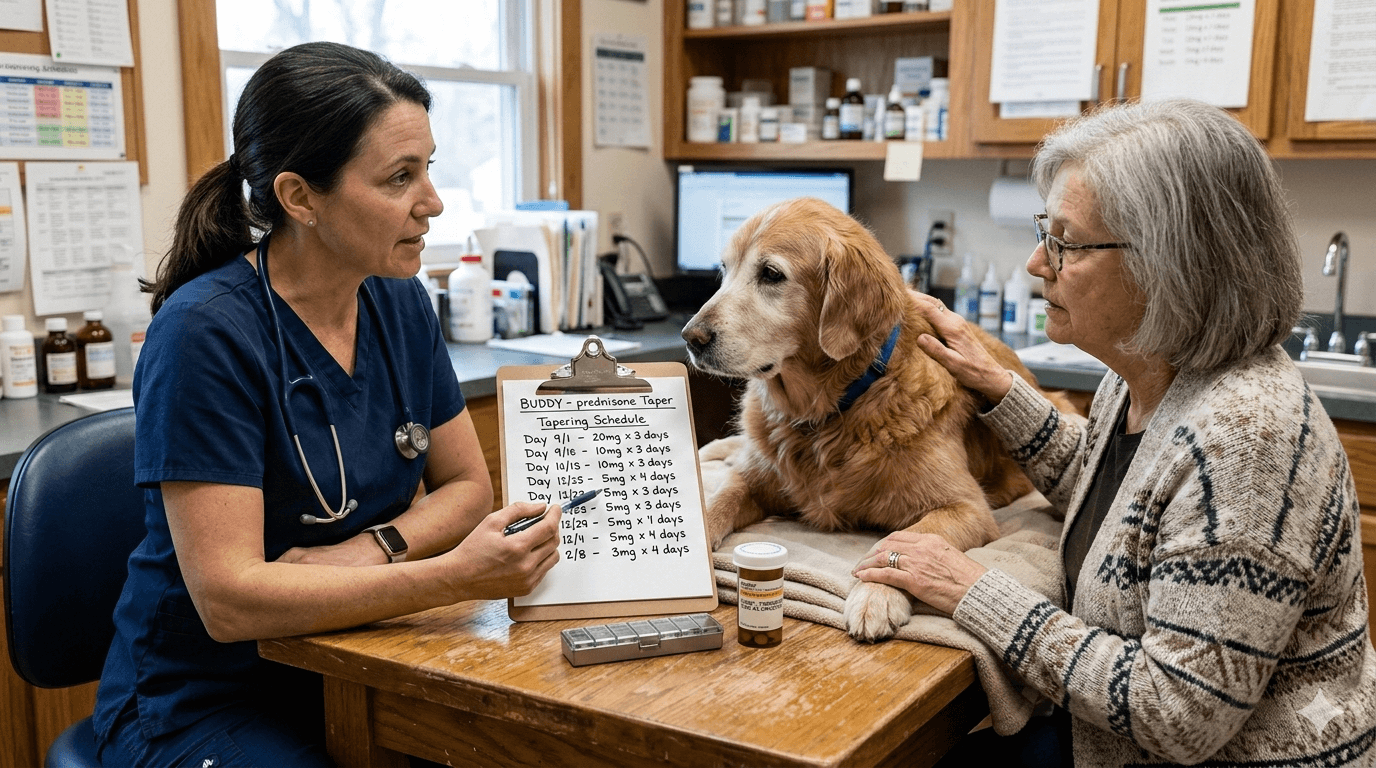
How to Taper Off Prednisone Schedule for Dogs: A Safe Approach
The Role of Prednisone in Canine Health
- Anti-Inflammatory Properties:
Prednisone reduces inflammation by suppressing the immune system, making it effective for conditions like arthritis, skin allergies, or asthma. However, prolonged use can lead to dependency, necessitating a gradual reduction in dosage. - Immune System Suppression:
By dampening the immune response, prednisone helps control autoimmune diseases such as lupus or immune-mediated hemolytic anemia. This suppression, while beneficial, increases vulnerability to infections if not tapered properly. - Management of Chronic Conditions:
Dogs with chronic illnesses like Addison’s disease or severe allergies often rely on prednisone for long-term management. A tapering schedule ensures the body can gradually resume normal cortisol production after extended steroid use. - Short-Term vs. Long-Term Use:
Short-term prednisone use (less than two weeks) may not require tapering, but longer courses demand a structured plan to prevent withdrawal symptoms like lethargy, vomiting, or weakness. - Veterinary Guidance Is Essential:
Only a veterinarian can determine the appropriate tapering schedule based on your dog’s condition, dosage, and duration of treatment. Skipping this step risks serious health complications.
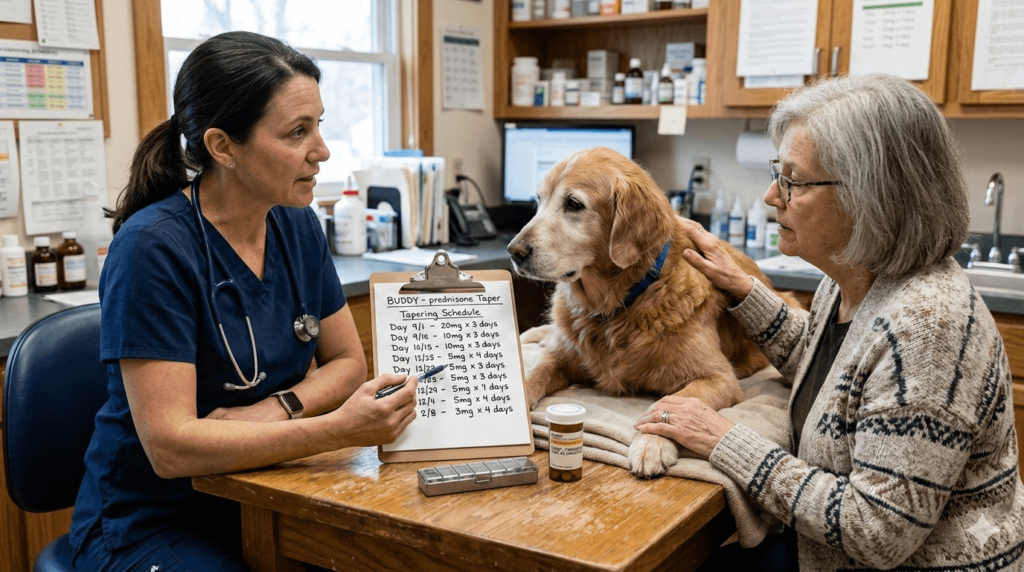
Recognizing Signs Your Dog Needs Tapering
- Increased Thirst and Urination:
One of the earliest signs of prednisone dependency is excessive thirst and frequent urination, which may persist even after the underlying condition improves. - Lethargy and Weakness:
A dog struggling with steroid withdrawal may appear unusually tired or unwilling to engage in normal activities, signaling the need for a slower tapering process. - Gastrointestinal Upset:
Vomiting, diarrhea, or loss of appetite can occur if prednisone is stopped too quickly, as the digestive system struggles to adapt to reduced medication levels. - Skin and Coat Changes:
Dogs may develop dry, flaky skin or a dull coat during tapering, reflecting hormonal adjustments and the need for supportive care. - Behavioral Shifts:
Irritability, anxiety, or clinginess often accompany steroid withdrawal, indicating your dog’s body is under stress and requires a more gradual reduction.
Check this guide 👉Prednisone and Dog Panting: Best 7 Expert Tips!
Check this guide 👉Dog Acting Weird on Prednisone? Best 7 Expert Tips!
Check this guide 👉How Much Prednisone Can I Give My Dog? Best 7 Expert Tips!
Prednisone Tapering Tips | Potential Challenges During Tapering |
|---|---|
Consult your vet before starting tapering | Adrenal insufficiency (lethargy, weakness) |
Reduce dosage gradually (e.g., 25% every 1–2 weeks) | Rebound inflammation or flare-ups of the original condition |
Monitor energy levels, appetite, and behavior daily | Gastrointestinal upset (vomiting, diarrhea) |
Provide a balanced diet and hydration support | Behavioral changes (irritability, anxiety) |
Use supplements like probiotics to aid digestion | Owner frustration with slow progress |
Step-by-Step Guide to Tapering Prednisone
- Consult Your Veterinarian First:
Before starting tapering, discuss your dog’s current dosage, condition, and any observed symptoms with your vet to create a tailored plan. - Reduce Dosage Gradually:
Typically, the dose is decreased by 25% every 1–2 weeks, depending on your dog’s response. For example, a dog on 10 mg daily might drop to 7.5 mg, then 5 mg, and so on. - Monitor for Withdrawal Symptoms:
Keep a close eye on your dog’s energy levels, appetite, and overall behavior during tapering. Any concerning changes warrant immediate veterinary consultation. - Adjust Based on Response:
If withdrawal symptoms arise, your vet may slow the tapering process or temporarily increase the dose before resuming reductions. Flexibility is key. - Final Phase of Tapering:
The last stages involve very low doses (e.g., 1–2 mg) administered every other day to allow complete recovery of natural hormone production.
Common Challenges During Prednisone Tapering
- Adrenal Insufficiency Risk:
Prolonged prednisone use suppresses adrenal gland function, leading to temporary insufficiency during tapering. Symptoms include weakness, collapse, or severe lethargy. - Rebound Inflammation:
Underlying conditions may flare up as the medication decreases, requiring additional treatments or slower tapering to manage symptoms. - Behavioral Changes:
Some dogs become irritable or anxious due to hormonal fluctuations, testing your patience during the tapering process. - Digestive Sensitivity:
Reduced prednisone levels can irritate the stomach lining, causing vomiting or diarrhea. Probiotics or dietary adjustments may help mitigate these effects. - Owner Frustration:
The tapering process can feel lengthy and frustrating, especially if setbacks occur. Staying committed to your dog’s well-being is crucial.
Supporting Your Dog During Tapering
- Nutritional Adjustments:
Feed a balanced diet rich in antioxidants and omega-3 fatty acids to support immune function and reduce inflammation naturally. - Hydration Is Key:
Encourage water intake to flush toxins and maintain kidney health, especially if your dog experiences increased thirst during tapering. - Supplement Wisely:
Probiotics, joint supplements, or fish oil can alleviate side effects like digestive upset or joint stiffness during the transition. - Mental Stimulation:
Engage your dog with puzzle toys or short training sessions to distract them from discomfort and keep their mind sharp. - Comfort Measures:
Provide a cozy resting area, gentle massages, or warm compresses to soothe sore muscles or joints affected by tapering.
Preventing Relapse After Tapering
- Regular Veterinary Check-Ups:
Schedule routine exams to monitor your dog’s health and catch potential issues early before they require aggressive treatment. - Allergy Management:
For dogs with allergies, hypoallergenic diets, regular bathing, and environmental controls reduce triggers and prevent flare-ups. - Weight Maintenance:
Keeping your dog at a healthy weight reduces stress on joints and organs, lowering the risk of chronic conditions that might necessitate prednisone. - Stress Reduction:
Minimize stress through consistent routines, mental enrichment, and a calm environment to support immune health and overall well-being. - Alternative Therapies:
Consider acupuncture, chiropractic care, or herbal remedies as complementary options to manage symptoms without relying on steroids.
Long-Term Effects of Prednisone Use
- Muscle Loss and Weakness:
Prolonged steroid use leads to muscle wasting, particularly in senior dogs, impacting mobility and overall strength. - Increased Infection Risk:
Immune suppression makes dogs more susceptible to bacterial, viral, or fungal infections, requiring vigilant monitoring. - Diabetes Development:
Chronic prednisone use can trigger insulin resistance, increasing the likelihood of diabetes in predisposed individuals. - Skin and Coat Deterioration:
Thinning skin, hair loss, and poor wound healing are common side effects of extended steroid therapy. - Bone Density Loss:
Long-term prednisone use contributes to osteoporosis or fractures, particularly in small breeds or older dogs.
Frequently Asked Questions About Tapering Off Prednisone for Dogs
How long does it take to taper off prednisone for dogs?
The tapering process typically lasts 2–6 weeks, depending on the dosage, duration of use, and your dog’s response. Your vet will guide you through the exact timeline.
What happens if I stop prednisone abruptly?
Stopping prednisone suddenly can lead to adrenal insufficiency, causing symptoms like lethargy, vomiting, weakness, or collapse due to hormonal imbalances.
Can I taper prednisone without a vet’s help?
No—tapering requires veterinary supervision to ensure safety and prevent complications. Only a vet can determine the correct schedule for your dog.
What are signs of withdrawal during tapering?
Withdrawal symptoms include fatigue, loss of appetite, vomiting, diarrhea, or behavioral changes. If these occur, contact your vet immediately.
How can I support my dog during tapering?
Provide a balanced diet, keep them hydrated, monitor their behavior closely, and offer mental stimulation to reduce stress during the process.
A Safe Transition for Your Dog’s Health

How to Taper Off Prednisone for Cats: Best 7 Expert Tips! – Safely reduce prednisone with vet guidance. Learn now!
How to Taper Off Prednisone Schedule for Dogs: Best 7 Tips! – Learn the safe way to reduce prednisone, recognize withdrawal signs, and keep your dog healthy during the process.

Can a Cat Scratch Give You Rabies? Best 7 Expert Tips! – Learn how rabies spreads, assess risks from cat scratches, and know when to seek medical help. Stay safe!

Can a Dog Scratch Give You Rabies? Best 7 Expert Tips! – Learn the risks, symptoms, and steps to take if scratched by a dog. Stay informed and protect yourself from rabies exposure.