

How to Taper Off Prednisone for Cats: A Safe and Gradual Approach
Why Tapering Off Prednisone Is Essential for Cats
- Understanding Adrenal Suppression:
Prednisone mimics cortisol, a hormone produced by the adrenal glands. Prolonged use suppresses natural cortisol production, leaving the body reliant on external steroids. Suddenly stopping prednisone forces the adrenals to restart production abruptly, which they may not be able to do effectively. - Risk of Addisonian Crisis:
An abrupt halt in prednisone can trigger an Addisonian crisis, a life-threatening condition where the body cannot produce enough cortisol. Symptoms include lethargy, vomiting, diarrhea, and collapse, requiring immediate veterinary intervention. - Preventing Disease Rebound:
Conditions like allergies, asthma, or autoimmune disorders often require prednisone. Stopping it suddenly can cause these conditions to flare up aggressively, worsening your cat’s symptoms and prolonging recovery. - Monitoring During Tapering:
Veterinarians typically design tapering schedules based on the duration and dosage of prednisone. Regular check-ups ensure the cat’s body adapts well to decreasing doses without adverse reactions. - Tailoring the Schedule:
Each cat’s tapering plan is unique, depending on factors like age, weight, and the condition being treated. A vet may adjust the schedule dynamically based on the cat’s response.

Step-by-Step Guide to Creating a Tapering Schedule
- Initial Assessment:
The vet evaluates the cat’s current dosage, treatment duration, and overall health to determine the tapering timeline. Longer treatments often require slower tapers. - Gradual Dose Reductions:
Typically, the dose is reduced by 10–25% every 1–2 weeks. For example, if your cat is on 10 mg daily, the next step might be 7.5 mg daily for a week, then 5 mg, and so on. - Monitoring Symptoms:
Throughout the tapering process, watch for signs of withdrawal or disease recurrence, such as increased itching, breathing difficulties, or lethargy. Report these to your vet immediately. - Adjustments Based on Response:
If your cat shows adverse effects during tapering, the vet may temporarily increase the dose slightly before resuming reductions. Flexibility is key to success. - Final Phase Considerations:
The last stages of tapering are often the most delicate. The vet may switch to alternate-day dosing to further ease the transition before stopping completely.
Check this guide 👉 Prednisone and Cat Panting: Best 7 Expert Tips!
Check this guide 👉 Cat Life Expectancy After Heartworm Treatment: Best 7 Tips!
Check this guide 👉 Medicine for Cat Fever: Best 7 Expert Tips!
Key Steps for Tapering Off Prednisone | Common Challenges During Tapering |
|---|---|
Gradual dose reductions (10–25% every 1–2 weeks) | Adrenal insufficiency symptoms (lethargy, weakness) |
Regular veterinary check-ups and monitoring | Disease rebound effects (allergies, asthma flare-ups) |
Adjustments based on your cat’s response | Gastrointestinal issues (vomiting, diarrhea) |
Final phase: alternate-day dosing before stopping | Behavioral changes (irritability, restlessness) |
Tailored schedules for individual needs | Risk of Addisonian crisis if tapering is rushed |
Signs Your Cat May Be Struggling with Tapering
- Adrenal Insufficiency Symptoms:
Lethargy, weakness, and loss of appetite may indicate that the adrenal glands are struggling to resume cortisol production. These symptoms should never be ignored. - Disease Rebound Effects:
Conditions like allergies or asthma may return with a vengeance. Increased scratching, wheezing, or skin irritation are common indicators. - Gastrointestinal Issues:
Vomiting, diarrhea, or changes in appetite often signal stress on the digestive system due to hormonal imbalances during tapering. - Behavioral Changes:
Cats may become more withdrawn, irritable, or restless as their bodies cope with the adjustment. Behavioral shifts can provide valuable clues about their comfort level. - When to Contact Your Vet:
If any of these symptoms persist or worsen, contact your veterinarian immediately. They may need to modify the tapering schedule or provide supportive care.
Supporting Your Cat During the Tapering Process
- Maintaining a Consistent Routine:
Cats thrive on predictability. Stick to regular feeding, play, and sleep schedules to reduce anxiety during the tapering period. - Nutritional Support:
A balanced diet rich in antioxidants and omega-3 fatty acids supports immune function and reduces inflammation. Consult your vet for dietary recommendations. - Hydration is Key:
Ensure fresh water is always available. Dehydration can exacerbate stress on the body during hormonal adjustments. - Minimizing Environmental Stressors:
Keep your home calm and quiet. Avoid introducing new pets, loud noises, or significant changes during the tapering process. - Encouraging Gentle Exercise:
Short play sessions or interactive toys keep your cat active without overexertion, supporting physical and mental well-being.
Common Mistakes to Avoid When Tapering Prednisone
- Skipping Veterinary Guidance:
Attempting to taper without professional advice can lead to incorrect dosages or timelines, increasing risks of withdrawal or relapse. - Rushing the Process:
Decreasing prednisone too quickly overwhelms the adrenal glands, potentially causing severe complications like an Addisonian crisis. - Ignoring Warning Signs:
Overlooking symptoms of distress delays necessary adjustments to the tapering schedule, compromising your cat’s well-being. - Self-Medicating Without Approval:
Administering supplements or medications without consulting your vet may interfere with the tapering process or exacerbate side effects. - Neglecting Follow-Up Appointments:
Regular check-ups allow the vet to monitor progress and make real-time adjustments to the tapering plan. Missing these appointments can hinder success.
Long-Term Effects of Prednisone Use in Cats
- Adrenal Gland Atrophy:
Extended prednisone use can cause the adrenal glands to shrink due to lack of stimulation, impairing their ability to produce cortisol naturally. - Increased Infection Risk:
Prednisone suppresses the immune system, making cats more susceptible to infections even after tapering is complete. - Metabolic Changes:
Long-term use may lead to weight gain, diabetes, or liver enzyme elevations, requiring ongoing monitoring and management. - Skin and Coat Issues:
Prolonged steroid use can thin the skin, delay wound healing, and cause excessive shedding or coat dullness. - Behavioral Shifts:
Some cats exhibit increased aggression, anxiety, or restlessness during or after prolonged prednisone use, affecting their quality of life.
Alternatives to Prednisone for Managing Feline Conditions
- Non-Steroidal Anti-Inflammatory Drugs (NSAIDs):
Medications like meloxicam can reduce inflammation and pain without the same adrenal suppression risks as prednisone. - Antihistamines:
For allergies, antihistamines like chlorpheniramine or cetirizine offer milder relief with fewer side effects than steroids. - Immunosuppressants:
Drugs like cyclosporine target autoimmune conditions without the broad hormonal impact of prednisone. - Topical Treatments:
Shampoos, sprays, or creams containing hydrocortisone or other soothing agents address localized issues without systemic effects. - Natural Supplements:
Omega-3 fatty acids, quercetin, or probiotics may complement traditional treatments, reducing reliance on steroids over time.
Frequently Asked Questions About Tapering Off Prednisone for Cats
How long does it take to taper off prednisone for cats?
What happens if I stop prednisone abruptly?
Stopping prednisone suddenly can lead to adrenal insufficiency or an Addisonian crisis, which is life-threatening. Always follow your vet’s tapering plan.
Can I adjust the tapering schedule myself?
No—adjustments should only be made by your veterinarian. Self-modifying the schedule risks complications or relapse of the underlying condition.
How do I know if my cat is struggling during tapering?
Signs like lethargy, vomiting, diarrhea, or worsening symptoms indicate trouble. Contact your vet immediately if these occur.
Are there alternatives to prednisone for long-term use?
Yes, alternatives like NSAIDs, antihistamines, or immunosuppressants may be considered. Discuss options with your vet to find the best fit.
A Lifeline in Every Step of the Journey
How to Taper Off Prednisone for Cats: Best 7 Expert Tips! – Safely reduce prednisone with vet guidance. Learn now!
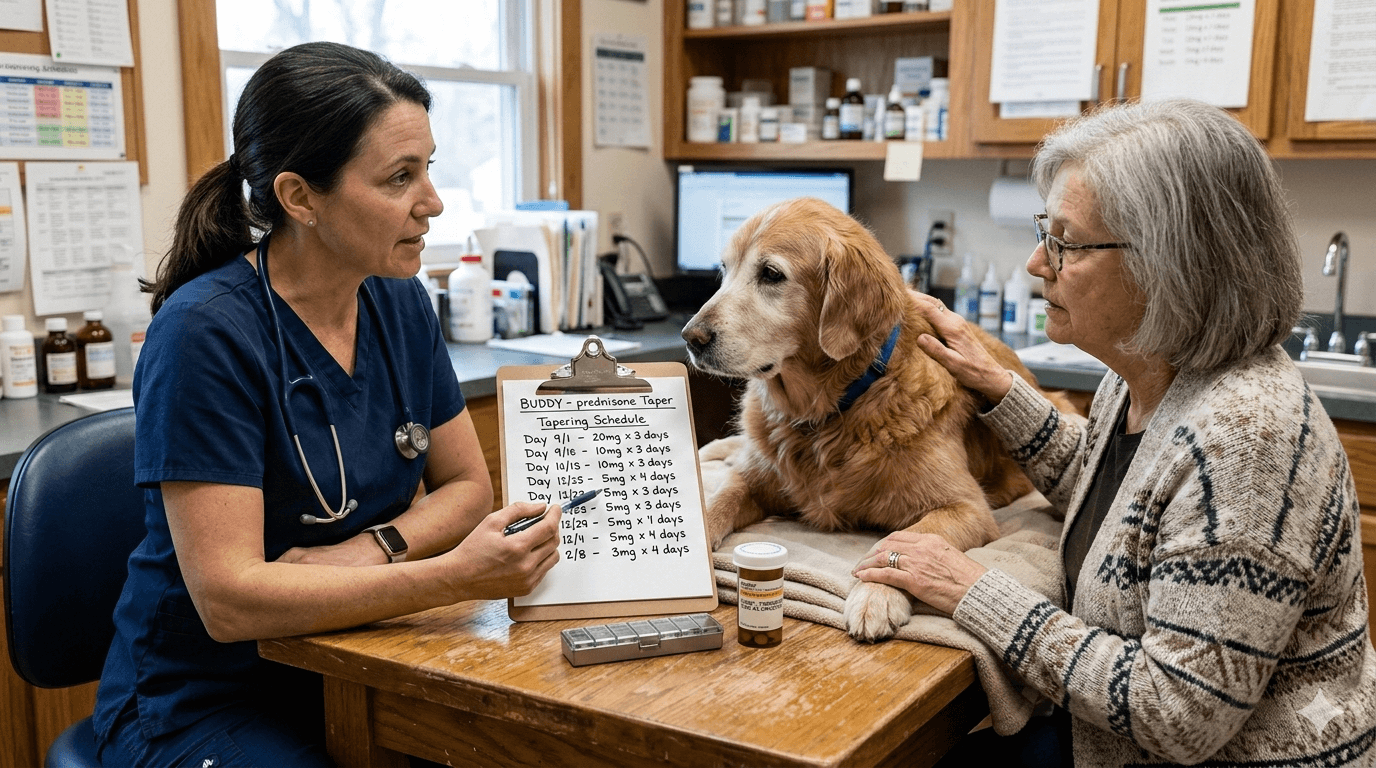
How to Taper Off Prednisone Schedule for Dogs: Best 7 Tips! – Learn the safe way to reduce prednisone, recognize withdrawal signs, and keep your dog healthy during the process.

Can a Cat Scratch Give You Rabies? Best 7 Expert Tips! – Learn how rabies spreads, assess risks from cat scratches, and know when to seek medical help. Stay safe!

Can a Dog Scratch Give You Rabies? Best 7 Expert Tips! – Learn the risks, symptoms, and steps to take if scratched by a dog. Stay informed and protect yourself from rabies exposure.