
Understanding How to Stop Your Dog from Farting: Best 7 Expert Tips
Excessive flatulence in dogs can be unpleasant for pet owners, but it’s often a sign of underlying dietary or digestive issues that need attention. While occasional gas is normal, persistent or foul-smelling farts may indicate that something isn’t quite right with your dog’s diet, eating habits, or gut health. Fortunately, there are practical steps you can take to reduce your dog’s gas and improve their overall comfort. By identifying the root causes and making thoughtful adjustments, you can help your furry friend feel better—and make your home smell fresher too.
Common Causes of Excessive Gas in Dogs
Excessive flatulence in dogs is often a sign of digestive discomfort or dietary issues. Understanding the root causes helps you address the problem effectively and prevent future episodes. While some gas is normal, persistent or foul-smelling farts can indicate underlying problems that need attention.
- Poor-Quality Dog Food:
Low-quality kibble often contains fillers like corn, soy, or by-products that are difficult for dogs to digest, leading to excessive fermentation in the gut and gas production. Upgrading to a high-quality, easily digestible diet can make a significant difference. - Food Intolerances or Allergies:
Certain ingredients like dairy, wheat, or artificial additives may irritate your dog’s digestive system, causing bloating and gas. Identifying and eliminating these triggers through an elimination diet can help reduce symptoms significantly. - Eating Too Quickly:
When dogs gulp down their food, they swallow large amounts of air along with it, which contributes to flatulence. Using slow-feed bowls or puzzle feeders encourages them to eat at a more controlled pace, reducing swallowed air. - Lack of Exercise:
Physical activity stimulates digestion and helps move gas through the intestines. Sedentary dogs are more prone to bloating and gas buildup, so incorporating regular walks or playtime into their routine is essential for digestive health. - Sudden Diet Changes:
Switching your dog’s food abruptly without a gradual transition disrupts the balance of gut bacteria, leading to indigestion and gas. Always introduce new foods slowly over 7–10 days to allow their system time to adjust.
Addressing these common causes not only reduces flatulence but also improves your dog’s overall digestive health and well-being.
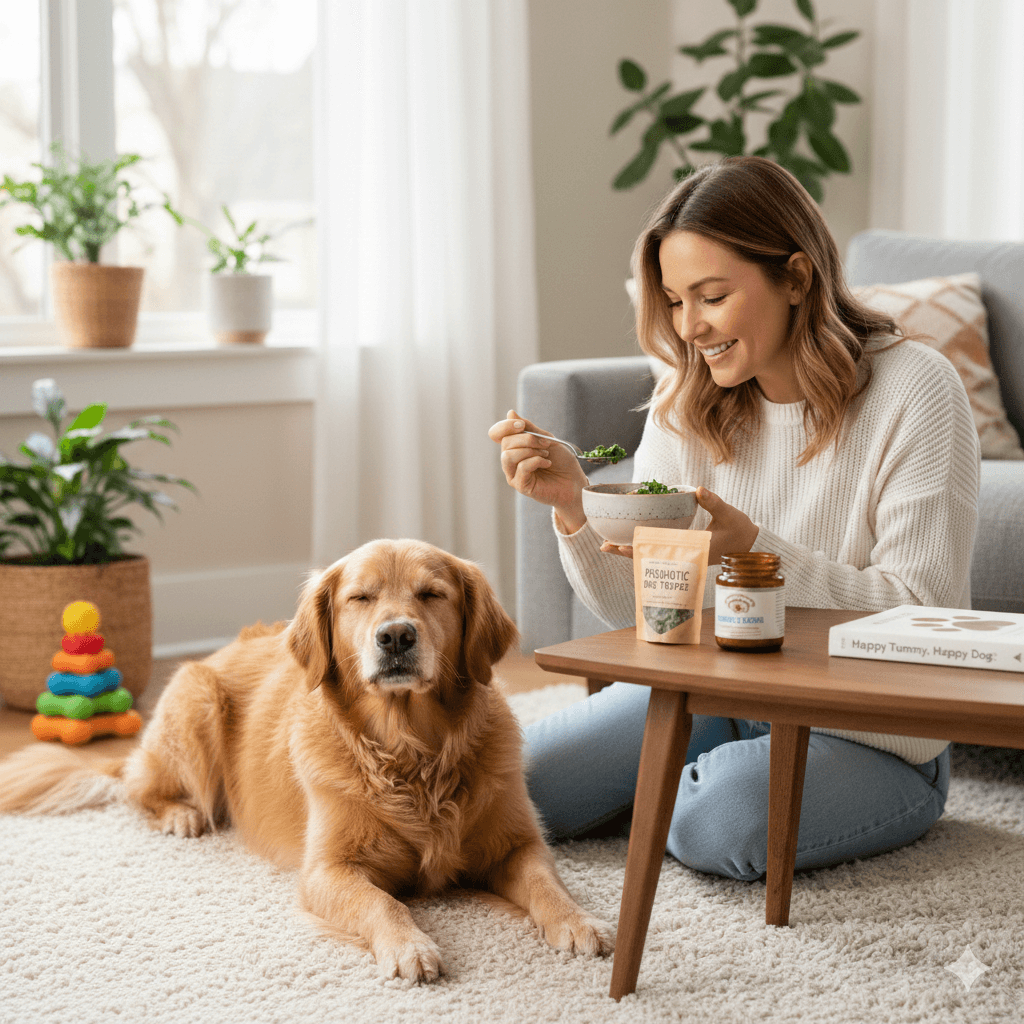
Dietary Adjustments to Reduce Dog Flatulence
Making thoughtful changes to your dog’s diet is one of the most effective ways to combat excessive gas. A balanced, species-appropriate diet ensures proper digestion and minimizes fermentation in the gut.
- Switch to High-Quality Protein Sources:
Choose dog foods with single, high-quality protein sources like chicken, beef, or fish instead of meat by-products or low-grade proteins. These are easier to digest and less likely to cause gas. - Incorporate Fiber-Rich Ingredients:
Moderate amounts of soluble fiber, such as pumpkin or sweet potato, support healthy digestion and regulate bowel movements. However, avoid excessive fiber, as it can worsen gas in some cases. - Avoid Problematic Ingredients:
Steer clear of foods containing lactose, grains, or artificial preservatives, as these are common culprits of digestive upset. Opt for grain-free or limited-ingredient diets if your dog has sensitivities. - Introduce Probiotics Gradually:
Probiotics replenish beneficial gut bacteria, aiding digestion and reducing gas. Look for supplements specifically formulated for dogs or foods enriched with probiotics like Lactobacillus or Bifidobacterium. - Limit Table Scraps and Human Foods:
Many human foods, especially those high in fat, sugar, or spices, are difficult for dogs to digest and contribute to flatulence. Stick to dog-safe snacks and avoid sharing your meals with your pup.
By focusing on a nutritious, well-balanced diet tailored to your dog’s needs, you can significantly reduce gas and improve their overall comfort.
Check this guide 👉Why Does My Dog Fart So Much? Best 7 Expert Tips!
Check this guide 👉Why Do Dog Farts Smell So Bad? Best 7 Expert Tips!
Check this guide 👉Bacteria in Dog Poop: Best 7 Expert Tips!
Dietary Adjustments | Lifestyle Changes |
|---|---|
Switch to high-quality, easily digestible dog food | Establish consistent meal times to regulate digestion |
Avoid foods with lactose, grains, or artificial additives | Use slow-feed bowls to reduce swallowed air during meals |
Incorporate probiotics or prebiotics into their diet | Ensure regular exercise to stimulate gut motility |
Limit table scraps and human foods | Supervise your dog to prevent consumption of non-food items |
Gradually transition between different foods | Reduce stress through mental stimulation and a calm environment |
How Eating Habits Contribute to Flatulence
Your dog’s eating habits play a major role in how much gas they produce. Gulping food, consuming inappropriate items, or irregular feeding schedules can all lead to digestive distress.
- Gulping Air During Meals:
Dogs that eat too quickly tend to swallow large amounts of air, which gets trapped in their digestive tract and leads to flatulence. Slow-feed bowls or portioned meals help minimize this issue. - Competitive Eating Around Other Pets:
If you have multiple pets, competition during mealtime can cause your dog to rush through their food. Feeding them separately reduces stress and encourages slower eating. - Overfeeding or Large Portions:
Feeding your dog more than they need overwhelms their digestive system, leading to incomplete digestion and gas. Measure portions carefully based on their size, age, and activity level. - Feeding Inconsistent Meal Times:
Irregular feeding schedules disrupt digestion and gut motility. Establishing consistent meal times helps regulate their system and reduces bloating or gas. - Consuming Non-Food Items:
Some dogs chew on grass, toys, or other non-food objects, which can ferment in the stomach and cause gas. Supervise their behavior and provide safe chew alternatives.
Adjusting your dog’s eating habits promotes healthier digestion and reduces the likelihood of excessive flatulence.
The Role of Gut Health in Dog Flatulence
A healthy gut microbiome is essential for proper digestion and minimal gas production. Imbalances in gut bacteria often lead to increased fermentation and flatulence.
- Understanding Gut Microbiota:
The gut contains trillions of bacteria that aid in breaking down food. When harmful bacteria outnumber beneficial ones, fermentation increases, leading to gas. - Signs of an Unhealthy Gut:
Symptoms like diarrhea, constipation, vomiting, or excessive gas indicate an imbalance. Addressing these signs early prevents further complications. - Importance of Prebiotics:
Prebiotics act as food for beneficial bacteria, promoting their growth and activity. Ingredients like chicory root or beet pulp are excellent sources of prebiotics for dogs. - Impact of Antibiotics:
Antibiotics kill both harmful and beneficial bacteria, disrupting gut balance. Supplementing with probiotics after antibiotic treatment restores microbial harmony. - Stress and Gut Health:
Stress negatively impacts gut health, leading to digestive issues and gas. Reducing environmental stressors and providing a calm environment supports a healthy gut.
Maintaining a balanced gut microbiome through proper nutrition and care minimizes flatulence and enhances your dog’s overall health.
Exercise and Its Effect on Digestion
Regular physical activity plays a crucial role in managing your dog’s flatulence. Exercise stimulates digestion, reduces bloating, and helps expel trapped gas more efficiently.
- Walking After Meals:
A gentle walk within 30 minutes of eating aids digestion and prevents gas buildup. Avoid vigorous exercise immediately after meals to reduce the risk of bloat. - Playtime for Digestive Motility:
Interactive games like fetch or tug-of-war engage your dog physically and mentally, promoting better gut motility and reducing gas. - Weight Management Through Activity:
Overweight dogs are more prone to digestive issues and flatulence. Regular exercise helps maintain a healthy weight, improving digestion and overall health. - Mental Stimulation and Stress Reduction:
Exercise reduces anxiety and stress, which can negatively impact digestion. A happy, relaxed dog is less likely to experience digestive discomfort. - Consistency Is Key:
Establishing a daily exercise routine ensures your dog’s digestive system functions optimally, minimizing gas and bloating over time.
Incorporating regular physical activity into your dog’s life supports digestive health and reduces excessive flatulence.
Natural Remedies for Dog Flatulence
Natural remedies offer safe and effective ways to reduce your dog’s flatulence without resorting to medications. These solutions target the root causes of gas and promote overall digestive wellness.
- Pumpkin Puree:
Plain, canned pumpkin (not pumpkin pie filling) is rich in fiber and helps regulate digestion, reducing bloating and gas. Add a tablespoon to your dog’s food daily for best results. - Fresh Ginger:
Ginger has anti-inflammatory properties that soothe the digestive tract and reduce gas. Grate a small amount into their food or steep it in water to create a mild tea. - Chamomile Tea:
Chamomile calms the stomach and reduces inflammation, making it an excellent remedy for digestive discomfort. Cool the tea before offering it to your dog in small amounts. - Activated Charcoal Supplements:
Charcoal binds to toxins and gases in the gut, neutralizing them before they cause discomfort. Use these supplements sparingly and under veterinary guidance. - Yogurt with Live Cultures:
Plain, unsweetened yogurt contains probiotics that support gut health and reduce gas. Ensure your dog tolerates dairy before introducing it into their diet.
These natural remedies complement dietary adjustments and lifestyle changes, providing holistic support for your dog’s digestive system.
When to Consult a Veterinarian About Flatulence
While occasional gas is normal, persistent or severe flatulence may indicate an underlying health issue requiring professional attention. Knowing when to seek veterinary care ensures your dog receives timely treatment.
- Severe or Foul-Smelling Gas:
If your dog’s flatulence is unusually strong or frequent, it could signal a gastrointestinal infection, parasites, or another serious condition. - Accompanying Symptoms:
Vomiting, diarrhea, loss of appetite, or lethargy alongside flatulence warrants immediate veterinary evaluation to rule out diseases like pancreatitis or IBD. - Unexplained Weight Loss:
Sudden weight loss despite normal eating habits may indicate malabsorption or chronic digestive issues that need diagnosis and treatment. - Abdominal Pain or Swelling:
Signs of discomfort, such as whining, restlessness, or a distended abdomen, suggest bloating or intestinal blockages requiring urgent care. - No Improvement Despite Changes:
If dietary adjustments, probiotics, and other interventions fail to reduce flatulence, consult your vet for further testing and tailored solutions.
Timely veterinary involvement provides clarity and peace of mind, ensuring your dog’s flatulence doesn’t mask a more serious condition.
Frequently Asked Questions About Dog Flatulence
Why does my dog fart so much?
Excessive gas is often caused by poor diet, eating too quickly, or underlying digestive issues. Identifying the root cause helps you address the problem effectively.
Is it normal for dogs to fart occasionally?
Yes—occasional flatulence is normal, especially after meals. However, persistent or foul-smelling gas may indicate a health issue requiring attention.
Can I give my dog yogurt to reduce gas?
Plain, unsweetened yogurt with live cultures can help if your dog tolerates dairy. Otherwise, opt for probiotic supplements designed for pets.
What should I do if my dog’s farts smell extremely bad?
Severe or foul-smelling gas may signal an underlying condition like gastrointestinal infections or dietary intolerances. Consult your vet for proper diagnosis and treatment.
Are certain dog breeds more prone to flatulence?
Some breeds, like Bulldogs or Boxers, are more susceptible due to their brachycephalic anatomy or sensitive digestive systems.
Supporting Your Dog Through Digestive Challenges
Managing your dog’s flatulence requires patience, observation, and a proactive approach to their overall well-being. By making thoughtful dietary adjustments, addressing behavioral habits, and staying attuned to their needs, you not only reduce gas but also enhance their quality of life. Remember, every small step you take—whether it’s upgrading their food, introducing probiotics, or simply taking them for a walk—demonstrates your unwavering commitment to their happiness and health. With consistency and care, you’ll create a happier, fresher-smelling home for both you and your furry companion.
How to Taper Off Prednisone for Cats: Best 7 Expert Tips! – Safely reduce prednisone with vet guidance. Learn now!
How to Taper Off Prednisone Schedule for Dogs: Best 7 Tips! – Learn the safe way to reduce prednisone, recognize withdrawal signs, and keep your dog healthy during the process.

Can a Cat Scratch Give You Rabies? Best 7 Expert Tips! – Learn how rabies spreads, assess risks from cat scratches, and know when to seek medical help. Stay safe!

Can a Dog Scratch Give You Rabies? Best 7 Expert Tips! – Learn the risks, symptoms, and steps to take if scratched by a dog. Stay informed and protect yourself from rabies exposure.