
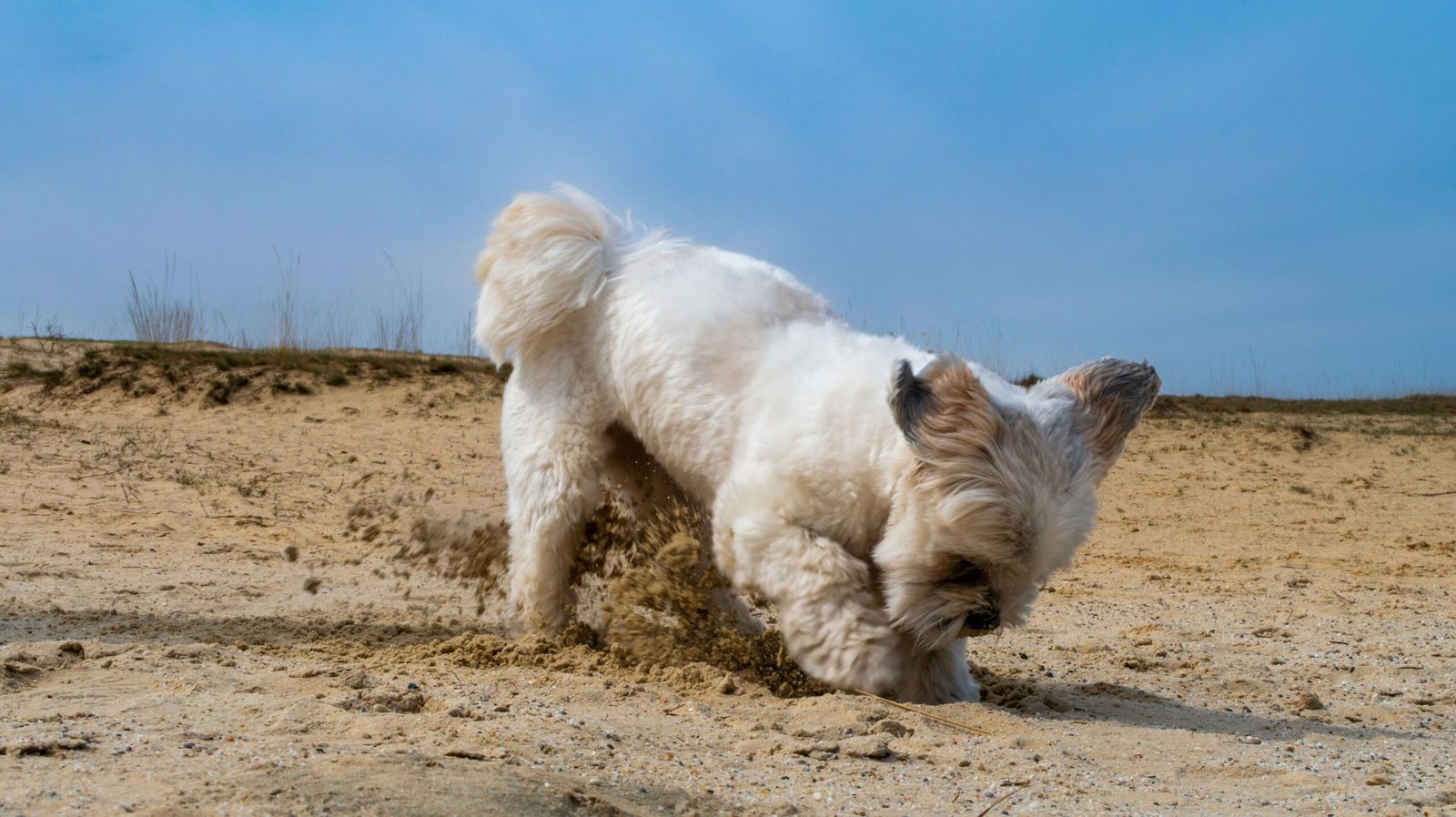

How to Stop Your Dog from Digging in the Yard: Best 7 Tips!

How to Stop Your Dog from Digging in the Yard: Best 7 Tips!

How to Stop Your Dog from Digging in the Yard

If you’ve ever come home to find your once-pristine yard transformed into a crater-filled disaster zone, you’re not alone. Digging is a common behavior among dogs, but it can be frustrating for pet owners who take pride in their outdoor space. Whether your dog is digging out of boredom, curiosity, or instinct, understanding the root cause is key to addressing the problem. Fortunately, there are effective strategies to curb this behavior and redirect your pup’s energy toward more constructive activities. In this blog post, we’ll explore why dogs dig, how to prevent it, and practical tips to reclaim your yard while keeping your furry friend happy and entertained.


Why Do Dogs Dig in the Yard?

Before tackling the issue, it’s important to understand why dogs dig. This behavior is natural and often driven by instinct, but the specific reasons can vary. Here are some common motivations behind digging:

 
  • Boredom : Dogs with excess energy and little stimulation may dig as a way to entertain themselves.

  • Instinct : Certain breeds, like terriers, have a natural instinct to dig for prey or create dens.

  • Comfort : Some dogs dig to cool off in hot weather or create a cozy spot to rest.

  • Anxiety or Stress : Digging can be a coping mechanism for dogs feeling anxious or uneasy.

  • Attention-Seeking : If your dog feels neglected, they may dig to get your attention—even if it’s negative attention.


By identifying the underlying cause, you can tailor your approach to address the behavior effectively and compassionately.

Effective Strategies to Stop Your Dog from Digging

Stopping your dog from digging requires patience and consistency. Here are some proven strategies to help curb this behavior:

 
  • Provide Mental Stimulation : Puzzle toys, treat-dispensing toys, and interactive games can keep your dog mentally engaged.

  • Increase Physical Exercise : A tired dog is less likely to dig, so ensure your pup gets plenty of walks, runs, or playtime.

  • Create a Designated Digging Area : Set aside a sandbox or small patch of the yard where your dog is allowed to dig freely.

  • Use Positive Reinforcement : Reward your dog with treats or praise when they avoid digging in inappropriate areas.

  • Supervise Outdoor Time : Keep an eye on your dog during yard time to intervene before they start digging.


With these strategies, you can redirect your dog’s energy and teach them where and when digging is acceptable.

How to Stop Your Dog from Digging in the Yard: Best 7 Tips!
Preventive Measures
Common Mistakes to Avoid
Provide plenty of mental stimulation
Ignoring the behavior and hoping it stops
Ensure adequate physical exercise
Punishing your dog harshly for digging
Create a designated digging area
Leaving your dog unsupervised in the yard
Use positive reinforcement consistently
Neglecting to address underlying causes
Supervise outdoor activities
Allowing access to vulnerable garden areas

How to Redirect Your Dog’s Energy

Redirecting your dog’s energy is a key part of stopping unwanted digging. Here are some ways to channel their enthusiasm into more appropriate activities:

 
  • Introduce Fetch or Frisbee : These high-energy games provide an outlet for your dog’s natural instincts and burn off excess energy.

  • Teach New Tricks : Training sessions that focus on learning new commands or tricks can keep your dog mentally sharp.

  • Set Up Agility Courses : DIY agility courses in your yard can challenge your dog physically and mentally.

  • Offer Chew Toys : Durable chew toys can satisfy your dog’s need to gnaw and distract them from digging.

  • Rotate Toys Regularly : Keeping toys fresh and exciting prevents boredom and reduces the likelihood of destructive behavior.


By providing alternative outlets for your dog’s energy, you can reduce their desire to dig and encourage more desirable behaviors.

Addressing Anxiety-Related Digging

For some dogs, digging is a symptom of anxiety or stress. Here’s how to address this emotional trigger:

 
  • Identify Triggers : Observe your dog’s behavior to determine what might be causing their anxiety, such as loud noises or separation.

  • Provide Comfort Items : Blankets, stuffed animals, or calming sprays can help soothe an anxious dog.

  • Stick to a Routine : A consistent daily schedule can provide stability and reduce stress-related behaviors.

  • Consider Calming Supplements : Natural supplements like melatonin or chamomile may help ease mild anxiety.

  • Consult a Professional : If anxiety persists, seek advice from a veterinarian or certified animal behaviorist.


Addressing the emotional root of digging ensures your dog feels safe and secure, reducing their need to dig out of stress.

How to Make Your Yard Less Appealing for Digging

Sometimes, the environment itself can encourage digging. Making your yard less appealing for this behavior can help deter your dog. Here are some practical tips:

 
  • Remove Temptations : Clear the yard of bones, toys, or objects that might encourage your dog to dig them up.

  • Use Deterrents : Sprinkle natural deterrents like citrus peels or vinegar around areas where your dog tends to dig.

  • Install Fencing : Add barriers around flower beds or sensitive areas to prevent access.

  • Cover Bare Spots : Fill in holes and cover exposed dirt with mulch, gravel, or decorative stones.

  • Add Water Features : Dogs often dislike wet soil, so installing a sprinkler system can discourage digging.


By making your yard less inviting for digging, you can reduce the likelihood of your dog engaging in this behavior.

Fun Alternatives to Keep Your Dog Occupied

Providing alternative activities can help redirect your dog’s energy away from digging. Here are some engaging options to try:

 
  • Interactive Toys : Puzzle feeders or treat-dispensing toys keep your dog entertained and mentally stimulated.

  • Obedience Training : Short, focused training sessions can tire out your dog’s mind and body.

  • Playdates with Other Dogs : Socializing with other dogs can burn off excess energy and satisfy their social needs.

  • Hide-and-Seek Games : Hide treats or toys around the yard (in approved areas) to encourage exploration without digging.

  • Water Play : Set up a kiddie pool or sprinkler for your dog to splash around in during warm weather.


By offering fun and rewarding alternatives, you can keep your dog engaged and far too busy to dig.

Signs Your Dog May Be Digging Out of Boredom

Boredom is one of the most common reasons dogs dig, but how can you tell if this is the cause? Here are some signs to look out for:

 
  • Excessive Energy Indoors : If your dog seems restless or hyperactive inside, they may be seeking an outlet outdoors.

  • Lack of Daily Exercise : Dogs that don’t get enough physical activity are more likely to dig out of pent-up energy.

  • Random Digging Patterns : Holes scattered all over the yard rather than in one specific spot suggest boredom.

  • Increased Chewing : Bored dogs often chew on furniture, shoes, or other inappropriate items as well.

  • Following You Around : A dog that constantly seeks attention may be trying to tell you they’re understimulated.


If these signs resonate, it’s time to incorporate more mental and physical stimulation into your dog’s routine to curb their digging habit.

Frequently Asked Questions About Stopping Dogs from Digging

Is digging always a bad behavior?

Not necessarily. Digging is a natural instinct for many dogs, but it can be redirected to appropriate areas.

Punishment is often ineffective and can increase anxiety, leading to more digging. Positive reinforcement works better.

The timeline varies depending on the dog, but consistency and patience are key. It may take weeks or months.

Yes, breeds like terriers, dachshunds, and huskies are more likely to dig due to their instincts.

Address the reason for escape attempts, such as boredom or fear, and reinforce your yard’s boundaries.

Reclaiming Your Yard While Keeping Your Dog Happy

Stopping your dog from digging in the yard doesn’t have to be a battle. By understanding the reasons behind this behavior and implementing effective strategies, you can create a harmonious outdoor space for both you and your pup. Whether through increased exercise, mental stimulation, or creating a designated digging zone, there are countless ways to redirect your dog’s energy and protect your yard. Remember, patience and consistency are essential—your dog learns best through positive reinforcement and compassionate guidance. With time and effort, you can enjoy a beautiful yard while ensuring your furry friend remains happy, healthy, and fulfilled.

Cuterebra Larvae in Cats: Best 7 Expert Tips!

Cuterebra Larvae in Cats: Best 7 Expert Tips! – Expert advice on signs, treatment & prevention of this rare but serious feline parasitic infestation.

Cuterebra Larvae in Dogs: Best 7 Expert Tips!

Cuterebra Larvae in Dogs: Best 7 Expert Tips! – Expert advice on signs, treatment & prevention of this rare but serious parasitic infestation.

Cat Tumor on Paw: Best 7 Expert Tips!

Cat Tumor on Paw: Best 7 Expert Tips! – Expert advice on signs, diagnosis, treatment & care for feline paw tumors.

Panacur Side Effects in Dogs: Best 7 Expert Tips!

Panacur Side Effects in Dogs: Best 7 Expert Tips! – Safe usage, common reactions & when to call the vet.

Leave a Reply

Your email address will not be published. Required fields are marked *

Post Category


