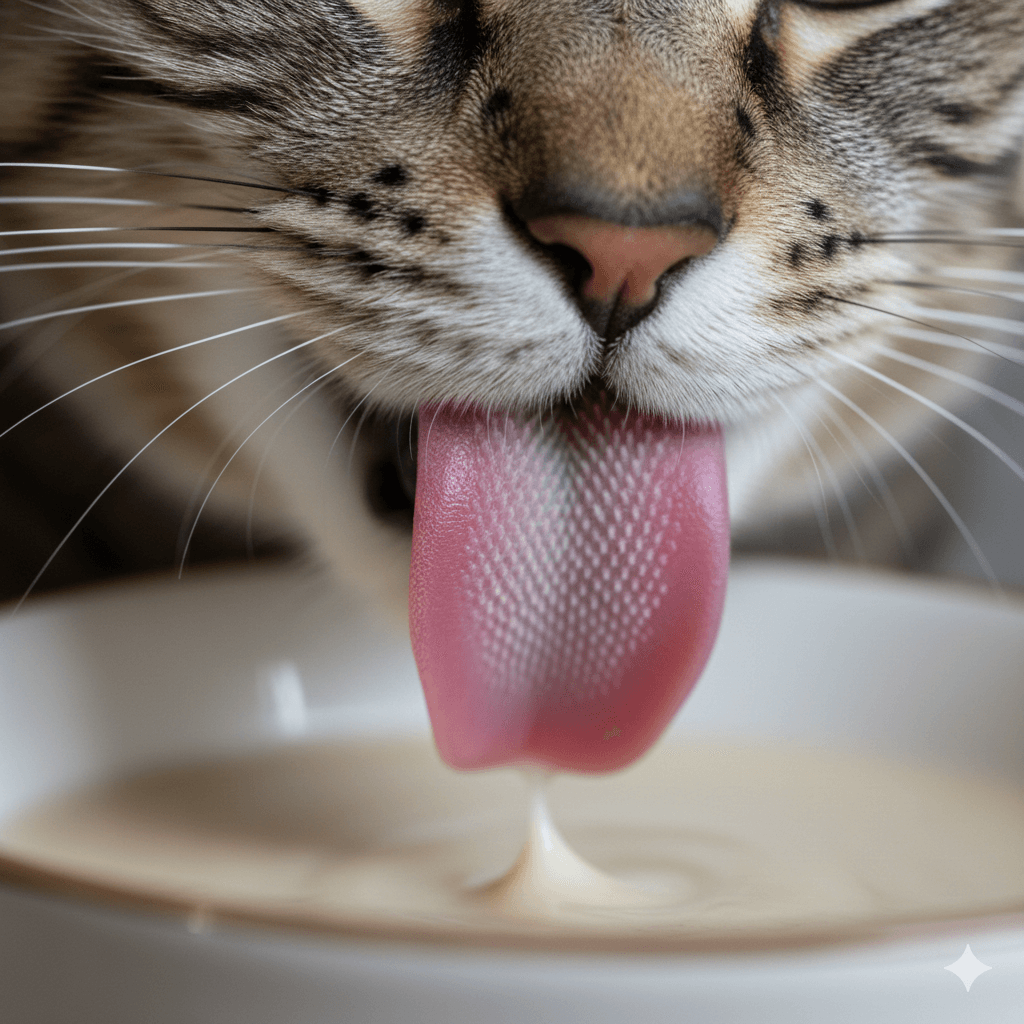
How to Stop My Dog from Biting When Excited: Best 7 Tips!

How to Stop My Dog from Biting When Excited: Best 7 Tips!

How to Stop My Dog from Biting When Excited


Dogs are naturally playful and energetic creatures, but sometimes their excitement can lead to unwanted behaviors like biting. While this behavior is often a sign of joy or enthusiasm, it can become problematic if not addressed early. Understanding why your dog bites when excited and learning how to redirect their energy is key to fostering a well-behaved and happy companion. In this blog post, we’ll explore effective strategies, practical tips, and expert advice to help you manage and curb this behavior while strengthening your bond with your furry friend.

Why Do Dogs Bite When Excited?


Before addressing the issue, it’s important to understand why dogs bite when they’re excited. This behavior is rooted in their natural instincts and emotional responses. Here are some common reasons behind this action:

 
  • Puppy Teething:
    Puppies often bite during play as part of their teething process, exploring the world through their mouths.

  • Lack of Bite Inhibition:
    If a dog hasn’t learned bite inhibition as a puppy, they may not understand how hard they’re biting during moments of excitement.

  • Overstimulation:
    Dogs can become overstimulated by high-energy situations, leading to impulsive behaviors like mouthing or biting.

  • Playful Nature:
    Many dogs view biting as a form of play, especially when they’re interacting with humans or other animals.

  • Attention-Seeking Behavior:
    Some dogs bite out of excitement because they’ve learned it gets a reaction from their owners, even if it’s negative attention.


Understanding these triggers helps you address the root cause of the behavior and implement appropriate training techniques.

How to Stop My Dog from Biting When Excited: Best 7 Tips!

Effective Strategies to Stop Excitement Biting


Stopping your dog from biting when excited requires consistency, patience, and positive reinforcement. Here are some proven strategies to help you manage this behavior effectively:

 
  • Teach Bite Inhibition:
    Practice gentle games that encourage soft mouthing, rewarding your dog when they use minimal pressure.

  • Redirect Their Energy:
    Provide chew toys or interactive puzzles to redirect their focus away from biting and onto appropriate objects.

  • Use Calm Commands:
    Train your dog to respond to commands like “sit” or “stay” when they become overly excited, helping them regain composure.

  • Reward Calm Behavior:
    Reinforce calm actions with treats, praise, or affection, teaching your dog that being calm earns positive rewards.

  • Avoid Physical Punishment:
    Physical corrections can escalate excitement or fear, making the biting behavior worse instead of resolving it.


By implementing these strategies consistently, you can teach your dog to express their excitement in healthier, more controlled ways.

Prevention Tips for Excitement Biting
Training Techniques to Address Biting
Socialize your dog from an early age
Use positive reinforcement during training
Provide plenty of physical exercise
Teach “leave it” or “drop it” commands
Offer mentally stimulating toys
Practice impulse control exercises
Avoid rough play that encourages biting
Introduce structured playtime routines
Stay consistent with rules and boundaries
Reward calm behavior consistently

Managing High-Energy Situations


High-energy moments, such as greeting guests or playing outdoors, often trigger excitement biting. Managing these situations proactively can prevent unwanted behavior before it starts.

 
  • Create a Greeting Routine:
    Train your dog to sit or stay when visitors arrive, rewarding them for calm greetings instead of jumping or mouthing.

  • Use Leash Control:
    Keep your dog on a leash during high-energy scenarios to maintain control and prevent impulsive biting.

  • Set Boundaries During Play:
    Establish clear rules for playtime, stopping the activity immediately if biting occurs and resuming only when your dog calms down.

  • Practice Controlled Walks:
    Teach your dog to walk calmly on a leash without pulling or nipping, reinforcing good behavior with treats or praise.

  • Limit Overstimulation:
    Avoid overwhelming your dog with too much excitement at once, gradually increasing their tolerance for high-energy environments.


By managing these situations effectively, you can reduce the likelihood of excitement biting and promote better behavior overall.

Building a Strong Bond Through Training


Training your dog to stop biting when excited not only addresses the behavior but also strengthens your relationship. Positive interactions foster trust and communication between you and your pet.

 
  • Engage in Interactive Play:
    Use toys like tug ropes or fetch balls to channel your dog’s energy into constructive activities, reducing the urge to bite.

  • Incorporate Obedience Training:
    Basic obedience commands like “sit,” “down,” and “come” provide structure and improve your dog’s self-control.

  • Practice Patience and Consistency:
    Dogs thrive on routine, so consistent training sessions help reinforce desired behaviors over time.

  • Celebrate Small Wins:
    Acknowledge and reward progress, no matter how small, to motivate your dog and build confidence.

  • Spend Quality Time Together:
    Strengthen your bond through shared activities like walks, grooming, or cuddling, creating a sense of security and trust.


Through patient training and meaningful interactions, you can transform excitement biting into an opportunity for growth and connection.

Common Mistakes to Avoid

When training your dog to stop biting when excited, certain mistakes can hinder progress. Avoiding these pitfalls ensures a smoother and more successful process.

 
  • Reacting Negatively:
    Yelling or punishing your dog for biting can increase anxiety and worsen the behavior.

  • Ignoring Early Warning Signs:
    Failing to address mild biting early can lead to more serious issues as your dog grows older.

  • Inconsistent Rules:
    Allowing biting in some situations but not others confuses your dog and slows down learning.

  • Relying Solely on Punishment:
    Punishment alone doesn’t teach your dog what to do instead—it’s essential to focus on positive reinforcement.

  • Skipping Regular Exercise:
    A lack of physical activity can leave your dog with excess energy, fueling impulsive behaviors like biting.


By avoiding these common mistakes, you set yourself and your dog up for success in overcoming excitement biting.

Tools to Support Training Efforts

Certain tools and resources can enhance your ability to train your dog effectively. These aids complement your efforts and make the process easier for both you and your pet.

 
  • Chew Toys:
    Durable chew toys provide a safe outlet for your dog’s urge to bite and mouth objects.

  • Treat Pouches:
    Keep treats easily accessible during training sessions to reward good behavior instantly.

  • Crate Training:
    Crates offer a calming space for your dog to retreat to when they feel overwhelmed or overly excited.

  • Clicker Training Devices:
    Clickers help mark desired behaviors clearly, making it easier for your dog to understand what you want.

  • Interactive Feeders:
    Puzzle feeders engage your dog’s mind and burn off excess energy, reducing hyperactivity and impulsive actions.


Using these tools strategically can accelerate your dog’s progress and make training sessions more enjoyable.

Recognizing Progress and Adjusting Expectations

As you work to stop your dog from biting when excited, recognizing progress and adjusting your expectations are crucial for long-term success. Here’s how to stay motivated and realistic throughout the process.

 
  • Track Improvements:
    Keep a journal of your dog’s behavior to notice patterns and celebrate incremental improvements.

  • Be Patient with Setbacks:
    Expect occasional regressions—they’re normal and part of the learning process. Stay consistent and don’t give up.

  • Adjust Training Methods:
    If one technique isn’t working, try a different approach tailored to your dog’s individual needs and personality.

  • Involve Family Members:
    Ensure everyone in your household follows the same rules and reinforces training consistently.

  • Maintain Realistic Goals:
    Understand that changing deeply ingrained behaviors takes time, and focus on gradual, sustainable progress rather than overnight results.


By staying observant and flexible, you can adapt your strategy to meet your dog’s evolving needs and achieve lasting success.

Frequently Asked Questions About Stopping Excitement-Related Biting

 
Is excitement-related biting dangerous?

Generally, it’s not dangerous but can become problematic if left unaddressed, especially as your dog grows stronger.

The timeline varies depending on the dog, but consistent training over several weeks or months typically yields results.

Punishment is not recommended, as it can increase fear and anxiety, worsening the behavior.

This may indicate specific triggers or preferences. Observe interactions to identify patterns and address them accordingly.

If the behavior persists despite your efforts, seeking guidance from a certified trainer or behaviorist is advisable.

Creating a Harmonious Relationship with Your Dog


Stopping your dog from biting when excited requires understanding, patience, and dedication. By addressing the root causes of the behavior and implementing consistent training techniques, you can guide your dog toward healthier expressions of excitement. Remember, every dog is unique, and progress takes time. Celebrate small victories along the way and enjoy the journey of building a stronger bond with your furry companion. With love, commitment, and the right approach, you can create a peaceful and joyful home environment for both you and your dog.

Newfoundland Dog Personality: Best 7 Expert Tips!

Newfoundland Dog Personality: Best 7 Expert Tips! – Discover the gentle, loyal, and protective nature of this giant breed perfect for families.

Can Hot Pavement Burn Your Cats Paws? Best 7 Expert Tips!

Can Hot Pavement Burn Your Cats Paws? Best 7 Expert Tips! – Learn how to protect your cat’s paws from hot surfaces and prevent painful burns this summer.

Can Hot Pavement Burn Your Dogs Paws? Best 7 Expert Tips!

Can Hot Pavement Burn Your Dogs Paws? Best 7 Expert Tips! – Learn how to protect your dog’s paws from hot surfaces and ensure safe summer walks.

Irish Wolfhound Size: Best 7 Expert Tips!

Irish Wolfhound Size: Best 7 Expert Tips! – Discover the ideal height, weight, and care tips for this majestic giant breed. Learn how to manage their impressive stature responsibly.

Leave a Reply

Your email address will not be published. Required fields are marked *