
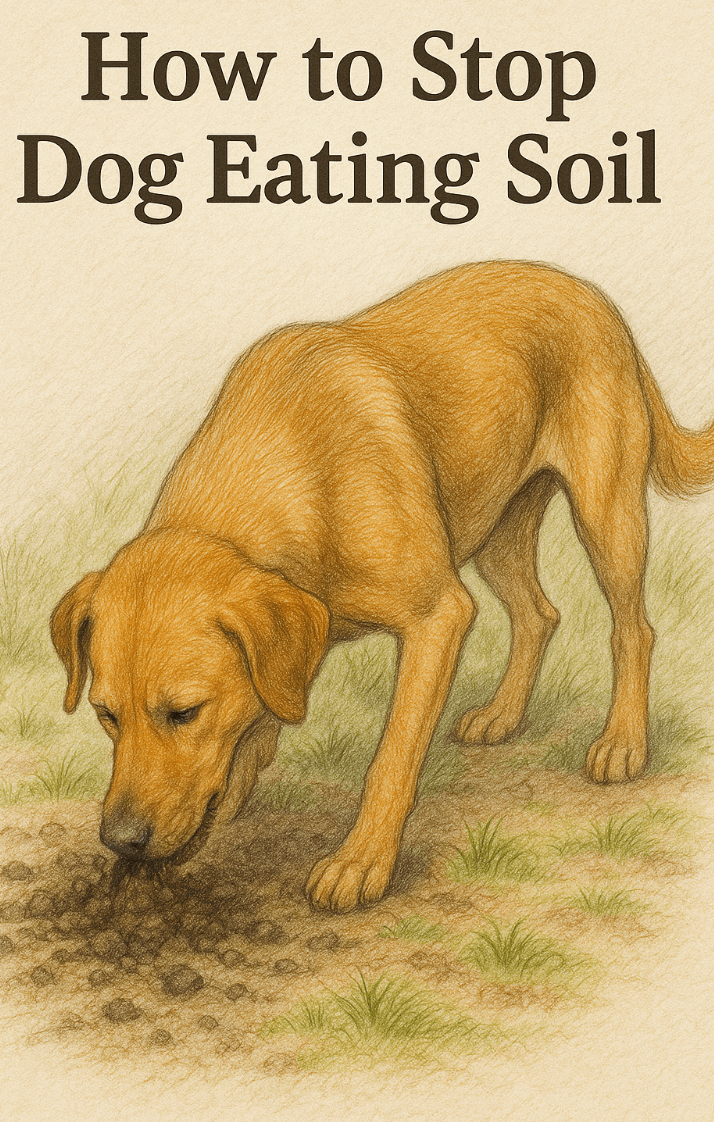

How to Stop Dog Eating Soil: A Guide to Understanding and Addressing the Behavior
If you’ve ever caught your dog munching on soil, you’re not alone. This peculiar behavior, known as geophagia, can leave pet owners puzzled and concerned. While occasional soil nibbling might not be harmful, persistent consumption could indicate underlying issues or pose health risks. Understanding why dogs eat soil is the first step toward addressing this habit effectively. In this blog post, we’ll explore the potential causes of this behavior, practical tips to stop it, and ways to ensure your furry friend stays healthy and happy.
Why Do Dogs Eat Soil? Common Causes
Dogs may eat soil for a variety of reasons, ranging from nutritional deficiencies to behavioral triggers. Identifying the root cause is essential to finding an effective solution.
Nutritional Deficiencies:
A lack of essential minerals or vitamins in their diet might drive dogs to seek nutrients from unconventional sources like soil.Boredom or Anxiety:
Dogs often engage in unusual behaviors when they’re bored, stressed, or seeking attention. Soil eating can be a form of self-soothing.Pica Disorder:
Pica is a condition where animals consume non-food items due to compulsive behavior or medical issues.Curiosity or Exploration:
Puppies, in particular, are naturally curious and may taste soil as part of their exploration of the world.Underlying Health Issues:
Conditions like gastrointestinal discomfort, parasites, or hormonal imbalances can lead to soil consumption.
Understanding these causes helps you address the behavior more effectively while ensuring your dog’s well-being.
Practical Tips to Stop Your Dog from Eating Soil
Stopping your dog from eating soil requires a combination of training, environmental management, and addressing any underlying issues. Here are some actionable steps to help curb this behavior.
Provide a Balanced Diet:
Ensure your dog’s food meets their nutritional needs. Consult your vet to rule out deficiencies and choose high-quality dog food.Supervise Outdoor Time:
Keep a close eye on your dog during walks or playtime in the yard to prevent access to soil.Redirect Their Attention:
Use toys, treats, or commands to distract your dog whenever they show interest in soil.Train with Positive Reinforcement:
Reward your dog for ignoring soil and engaging in appropriate behaviors. Consistency is key to reinforcing good habits.Create a Safe Play Area:
Fence off areas with soil or use designated spaces with grass or sand to minimize temptation.
With patience and consistency, these strategies can help reduce and eventually eliminate soil-eating behavior.
Check this guide 👉How Many Boiled Eggs Can a Dog Eat in a Day? Best 7 Tips!
Check this guide 👉How to Stop Your Dog from Eating Cat Poop: Best 7 Tips!
Check this guide 👉How to Stop a Dog from Jumping: Best 7 Expert Tips!
Preventive Measures | Potential Health Risks of Eating Soil |
|---|---|
Provide nutrient-rich meals | Ingestion of harmful bacteria or toxins |
Supervise outdoor activities | Risk of intestinal blockages |
Engage in regular exercise and play | Exposure to pesticides or chemicals |
Train basic obedience commands | Dental damage from chewing hard objects |
Schedule regular vet check-ups | Potential parasite infections |
Behavioral Strategies to Discourage Soil Eating
Addressing soil eating often involves modifying your dog’s behavior through structured training and environmental adjustments. These strategies can make a significant difference.
Use Verbal Cues:
Teach commands like “leave it” or “stop” to interrupt your dog before they eat soil.Engage in Interactive Play:
Incorporate games like fetch or tug-of-war to keep your dog mentally and physically stimulated.Introduce Chew Toys:
Offer safe, durable chew toys as alternatives to satisfy your dog’s urge to gnaw on soil.Practice Recall Training:
Strengthen your dog’s ability to come when called, especially in areas where soil is accessible.Reward Good Choices:
Praise and reward your dog whenever they ignore soil and focus on appropriate activities.
By combining these techniques, you can redirect your dog’s focus and discourage unwanted behaviors over time.
When to Consult a Veterinarian About Soil Eating
While occasional soil nibbling might not be alarming, persistent or excessive behavior warrants professional evaluation. Here’s when to seek veterinary advice.
Frequent Episodes:
If your dog consistently eats soil despite your efforts, it could signal an underlying issue that needs attention.Changes in Appetite or Digestion:
Loss of appetite, vomiting, diarrhea, or other digestive problems may indicate gastrointestinal distress.Weight Loss or Lethargy:
Unexplained weight loss or lack of energy could point to nutritional deficiencies or illness.Visible Signs of Parasites:
Check for worms in your dog’s stool or signs of discomfort, which may contribute to soil eating.Behavioral Changes:
Sudden shifts in personality, anxiety, or compulsive behaviors should be evaluated by a vet.
Timely veterinary intervention ensures your dog receives proper care and prevents further complications.
Environmental Modifications to Prevent Soil Eating
Making changes to your dog’s surroundings can significantly reduce opportunities for soil consumption. Here are some practical adjustments to consider.
Cover Bare Soil Areas:
Use mulch, gravel, or decorative stones to cover exposed soil in your yard.Install Barriers:
Fencing off garden beds or flower patches limits access to tempting soil spots.Provide Alternative Digging Zones:
Designate a sandbox or digging pit filled with safe materials for your dog to explore.Clean Up After Walks:
Avoid areas with loose dirt or mud during walks to minimize exposure to soil.Use Deterrent Sprays:
Natural sprays with bitter tastes can discourage dogs from approaching soil.
These modifications create a safer environment while reducing the likelihood of soil eating.
Nutritional Supplements to Address Soil Eating
In some cases, adding supplements to your dog’s diet can help address cravings that lead to soil consumption. Here are options worth considering.
Mineral Supplements:
Products containing iron, zinc, or calcium may fill dietary gaps that trigger soil eating.Probiotics for Gut Health:
Supporting gut health with probiotics can alleviate digestive issues linked to pica.Omega-3 Fatty Acids:
These promote overall health and may reduce compulsive behaviors caused by inflammation.Multivitamins for Dogs:
A daily multivitamin ensures your dog receives all essential nutrients for optimal health.Bone Broth Additives:
Rich in minerals and easy to digest, bone broth can enhance your dog’s diet naturally.
Consult your vet before introducing supplements to ensure they’re appropriate for your dog’s needs.
Training Games to Distract from Soil Eating
Interactive games and training exercises can redirect your dog’s focus away from soil and onto more engaging activities.
Hide-and-Seek with Treats:
Hide treats around the yard or house to encourage scent work instead of soil sniffing.Tug-of-War Challenges:
Use a sturdy rope toy to engage your dog in energetic play sessions.Obedience Drills:
Practice commands like “sit,” “stay,” or “come” to reinforce discipline and focus.Fetch Variations:
Incorporate different types of balls, frisbees, or floating toys to keep fetch exciting.Agility Courses at Home:
Set up simple obstacles using household items to challenge your dog physically and mentally.
These games not only distract from soil eating but also strengthen your bond through fun and learning.
Frequently Asked Questions About Dogs Eating Soil
Is it normal for dogs to eat soil?
Occasional soil nibbling isn’t uncommon, but frequent or compulsive behavior may indicate an issue.
Can eating soil harm my dog?
Yes, it can lead to ingestion of toxins, parasites, or blockages in the digestive tract.
What should I do if my dog eats soil?
Redirect their attention, supervise them closely, and consult your vet if the behavior persists.
How can I prevent boredom-related soil eating?
Increase mental stimulation through interactive toys, training sessions, and regular exercise.
Are certain breeds more prone to eating soil?
No specific breed is predisposed, but individual temperament and environment play a role.
Helping Your Dog Break the Soil-Eating Habit
Stopping your dog from eating soil requires patience, understanding, and a proactive approach. By addressing potential causes, implementing behavioral strategies, and seeking veterinary advice when needed, you can guide your dog toward healthier habits. Remember, every dog is unique, so tailor your approach to suit their personality and needs. With love, consistency, and care, you’ll not only curb this behavior but also strengthen the bond you share with your furry companion.
Is Rawhide Bad for Cats? Best 7 Expert Tips! – Discover the risks, safe alternatives, and expert advice to keep your feline friend healthy and happy.

Is Rawhide Bad for Dogs? Best 7 Expert Tips! – Discover the risks, benefits, and safer alternatives to rawhides for your dog’s chewing needs.

Understanding Anorexia in Cats: Best 7 Expert Tips! – Learn why cats stop eating, spot warning signs, and discover how to help your feline regain appetite safely.

Understanding Anorexia in Dogs: Best 7 Expert Tips! – Learn causes, symptoms, and solutions to help your dog regain appetite and stay healthy.