
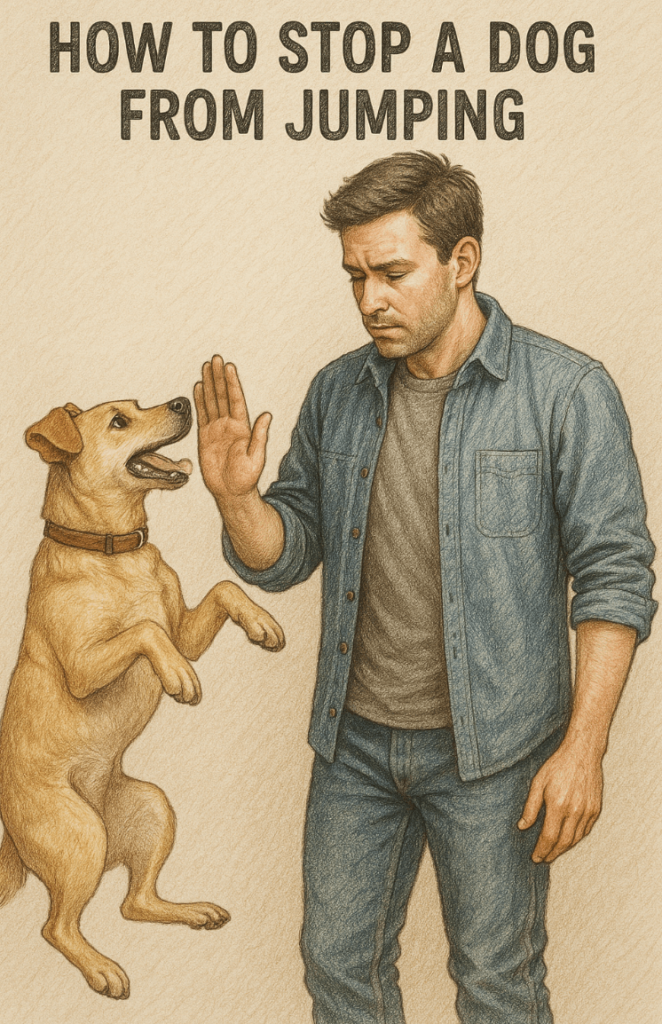

How to Stop a Dog from Jumping: Best 7 Expert Tips!

How to Stop a Dog from Jumping: Best 7 Expert Tips!

How to Stop a Dog from Jumping: A Step-by-Step Guide


Jumping is one of the most common behaviors dog owners encounter, especially when their furry friends are excited to greet them or other people. While it may seem cute when your dog is a puppy, jumping can become problematic as they grow older and stronger. Not only can it be inconvenient for you, but it can also pose risks to others, particularly children or elderly individuals. Fortunately, stopping a dog from jumping is entirely possible with consistent training, patience, and positive reinforcement. In this blog post, we’ll explore effective strategies to curb this behavior, ensuring your dog greets others politely while maintaining their joyful spirit.

Why Do Dogs Jump? Understanding the Behavior


Before addressing the issue, it’s important to understand why dogs jump in the first place. Jumping is a natural behavior rooted in their instincts and emotions, and identifying the cause can help you address it more effectively.

 
  • Excitement and Greeting:
    Dogs often jump to express excitement when they see their owners or visitors, as a way to get closer to faces for interaction.

  • Seeking Attention:
    If jumping has previously earned your dog attention—even negative attention—they may continue the behavior to engage with you.

  • Lack of Training:
    Without proper guidance, dogs don’t inherently know that jumping is undesirable in human interactions.

  • Playfulness and Energy Overflow:
    High-energy dogs may jump as an outlet for their pent-up energy, especially if they haven’t had enough exercise.

  • Pack Behavior Instincts:
    In some cases, jumping stems from a dog’s instinct to assert dominance or establish hierarchy within their “pack.”


Understanding these motivations allows you to tailor your approach to stop the jumping behavior effectively.

Effective Techniques to Stop Your Dog from Jumping


Stopping a dog from jumping requires a combination of consistency, redirection, and positive reinforcement. Here are some proven techniques to help you train your dog to greet others politely.

 
  • Ignore the Behavior:
    Turn your back and avoid making eye contact when your dog jumps. This teaches them that jumping doesn’t result in attention.

  • Reward Calm Behavior:
    Praise and reward your dog when all four paws are on the ground, reinforcing polite greetings.

  • Use a Command Word:
    Teach your dog commands like “sit” or “off” to redirect their focus and encourage appropriate behavior.

  • Redirect with Toys:
    Offer a toy or chew item to redirect their energy and keep their paws occupied during greetings.

  • Practice with Visitors:
    Enlist friends or family members to help practice greeting scenarios, rewarding calm behavior consistently.


With patience and repetition, these techniques can help your dog learn to greet others without jumping.

How to Stop a Dog from Jumping: Best 7 Expert Tips!
Prevention Tips for Jumping Behavior
Common Mistakes to Avoid
Provide regular exercise to burn excess energy
Yelling at your dog, which may reinforce jumping
Train basic commands like “sit” and “stay”
Giving attention (even scolding) during jumps
Reward calm greetings consistently
Allowing jumping in certain situations (e.g., playtime)
Use barriers like baby gates during arrivals
Being inconsistent with training methods
Socialize your dog early to reduce overexcitement
Encouraging jumping as a puppy without correction

Managing Jumping in Specific Situations


While general training techniques are effective, certain scenarios may require tailored approaches to manage jumping behavior.

 
  • Arrivals and Departures:
    Keep your dog on a leash during arrivals to control their movements and prevent jumping before greetings.

  • Introducing New People:
    Ask guests to ignore your dog until they’re calm, ensuring everyone reinforces the same expectations.

  • High-Energy Moments:
    Engage your dog in physical activities like fetch or tug-of-war before visitors arrive to tire them out.

  • Outings and Walks:
    Practice leash manners to prevent jumping on strangers during walks, using treats to reward calm behavior.

  • Interactions with Children:
    Teach kids how to interact calmly with your dog, avoiding actions that might trigger excitement or jumping.


By adapting your approach to specific situations, you can maintain consistent progress in stopping jumping behavior.

Signs Your Dog Is Learning Polite Greetings


As your dog begins to grasp the concept of polite greetings, you’ll notice subtle changes in their behavior. These signs indicate that your training efforts are paying off.

 
  • Reduced Frequency of Jumping:
    Your dog will start jumping less often, showing improvement in self-control.

  • Increased Calmness During Greetings:
    They’ll remain calm and seated when meeting people instead of becoming overly excited.

  • Focus on Commands:
    Your dog will respond more reliably to commands like “sit” or “stay” during interactions.

  • Seeking Rewards for Good Behavior:
    They’ll begin to look to you for praise or treats after greeting politely.

  • Consistent Behavior Around Visitors:
    Over time, your dog will display consistent, well-mannered behavior with all guests.


These positive changes reflect your dog’s growing understanding of acceptable greeting etiquette.


Common Challenges in Stopping Jumping


Training a dog to stop jumping isn’t always straightforward, and you may encounter challenges along the way. Recognizing these obstacles can help you address them effectively.

 
  • Inconsistent Reinforcement:
    Mixed messages from different family members can confuse your dog, slowing progress.

  • Overexcitement in Certain Settings:
    Some dogs struggle to stay calm in high-energy environments, requiring extra practice in those scenarios.

  • Reinforcing Unintentionally:
    Even brief moments of attention during jumping can reinforce the behavior unintentionally.

  • Lack of Physical Exercise:
    Dogs with excess energy are more likely to jump, emphasizing the need for regular physical activity.

  • Underestimating Training Time:
    Expecting immediate results can lead to frustration; patience is essential for long-term success.


Overcoming these challenges ensures smoother progress in teaching your dog polite greetings.


Alternative Solutions for Persistent Jumpers


If traditional methods aren’t yielding results, consider these alternative strategies to address persistent jumping behavior.

 
  • Professional Training Classes:
    Enroll your dog in obedience classes to receive expert guidance and structured learning.

  • Behavioral Consultations:
    A certified dog behaviorist can identify underlying issues contributing to jumping and offer tailored solutions.

  • Calming Aids:
    Products like pheromone diffusers or calming chews may help reduce anxiety-related jumping.

  • Leash Training Tools:
    Use tools like no-pull harnesses to maintain better control during greetings.

  • Consistent Routine Changes:
    Establish predictable routines for arrivals and departures to minimize overexcitement.


Exploring these alternatives can complement your training efforts and address stubborn jumping habits.


Teaching Children How to Interact with Jumping Dogs


Children often unknowingly encourage jumping behavior through their interactions. Teaching them how to engage with your dog promotes calmer greetings and safer interactions.

 
  • Avoid Excited Movements:
    Encourage kids to remain calm and avoid running or flailing their arms, which can excite the dog.

  • Turn Away During Jumps:
    Teach children to turn their backs and fold their arms if the dog jumps, signaling disinterest.

  • Reward Calm Behavior:
    Show kids how to praise or give treats when the dog greets them politely.

  • Supervise Interactions:
    Always monitor interactions between children and dogs to ensure safety and reinforce training.

  • Model Appropriate Behavior:
    Demonstrate how to greet the dog calmly, setting a positive example for children to follow.


By involving children in the process, you create a supportive environment for training success.

Frequently Asked Questions About Stopping a Dog from Jumping

 
Why does my dog jump on me when I come home?

Dogs often jump to express excitement and seek attention during greetings.

Training duration varies, but consistent practice over several weeks typically yields results.

While some puppies may naturally settle down, training is essential to ensure the behavior doesn’t persist into adulthood.

Consistency is key—ensure everyone interacts with your dog in the same way to avoid mixed messages.

Punishment can increase anxiety and confusion; positive reinforcement is far more effective.

Building a Well-Mannered Companion


Stopping a dog from jumping requires patience, consistency, and a commitment to positive reinforcement. By understanding the root causes of this behavior and implementing effective training techniques, you can transform your dog’s greetings into calm, polite interactions. Remember, every dog learns at their own pace, so celebrate small victories along the way. With dedication and love, you’ll not only stop the jumping but also strengthen the bond between you and your furry friend.

Is Rawhide Bad for Cats? Best 7 Expert Tips!

Is Rawhide Bad for Cats? Best 7 Expert Tips! – Discover the risks, safe alternatives, and expert advice to keep your feline friend healthy and happy.

Is Rawhide Bad for Dogs? Best 7 Expert Tips!

Is Rawhide Bad for Dogs? Best 7 Expert Tips! – Discover the risks, benefits, and safer alternatives to rawhides for your dog’s chewing needs.

Understanding Anorexia in Cats: Best 7 Expert Tips!

Understanding Anorexia in Cats: Best 7 Expert Tips! – Learn why cats stop eating, spot warning signs, and discover how to help your feline regain appetite safely.

Understanding Anorexia in Dogs: Best 7 Expert Tips!

Understanding Anorexia in Dogs: Best 7 Expert Tips! – Learn causes, symptoms, and solutions to help your dog regain appetite and stay healthy.

Leave a Reply

Your email address will not be published. Required fields are marked *