
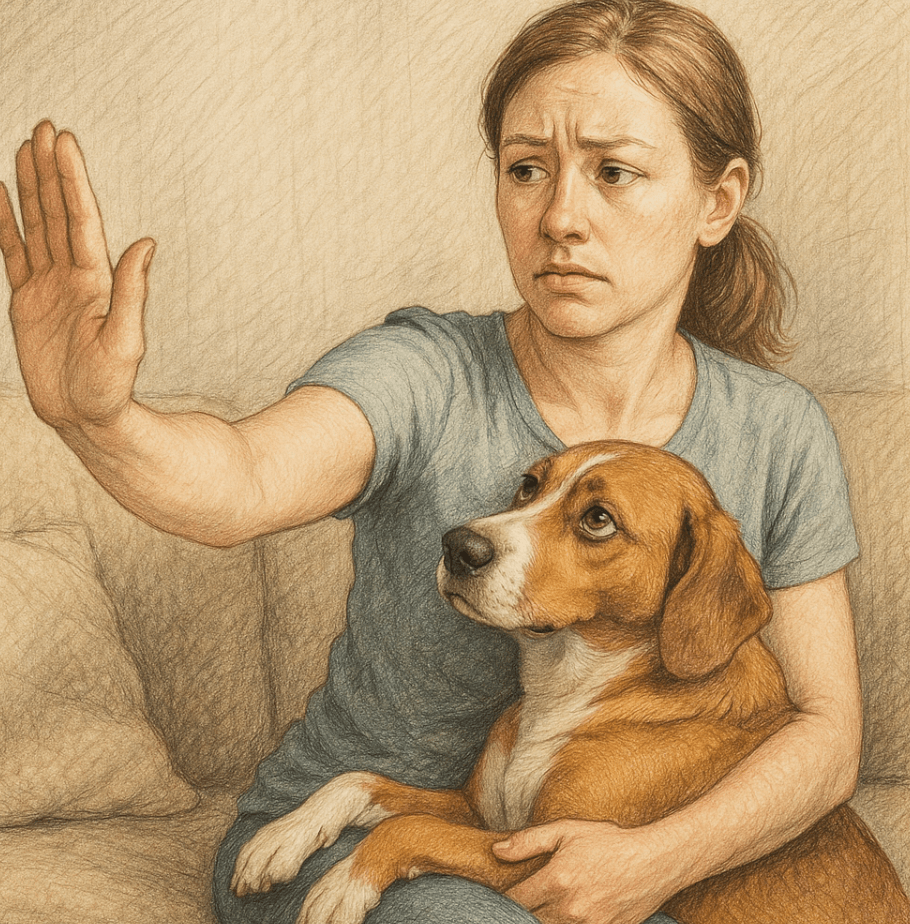

How to Stop a Clingy Dog: Tips for a Happier, More Independent Pet
Dogs are known for their loyalty and affection, but sometimes their need for constant attention can become overwhelming. A clingy dog may follow you everywhere, whine when left alone, or demand attention at inconvenient times. While it’s heartwarming to have such a devoted companion, excessive clinginess can disrupt your daily routine and even indicate underlying anxiety or insecurity. Fortunately, there are effective ways to address this behavior and help your furry friend feel more secure and independent. In this blog post, we’ll explore practical strategies to stop a clingy dog while strengthening your bond in the process.
Expert Opinion on Dog Clinginess
“There are several reasons why your dog may be clingy. It may just be a learned behavior, or it may be a sign of an issue. The best option is to make an appointment with your veterinarian so you can work together to determine the cause for your dog’s clinginess.”
Understanding Why Your Dog Is Clingy
Before addressing clingy behavior, it’s important to understand its root causes. Dogs exhibit clinginess for various reasons, and identifying the source can guide your approach to solving the issue.
Separation Anxiety:
Many clingy dogs struggle with being alone, leading to behaviors like pacing, barking, or destructive chewing when separated from their owners.Lack of Mental Stimulation:
Boredom can make dogs seek constant attention as a way to engage with their environment.Past Trauma or Neglect:
Rescue dogs or those with difficult histories may develop clingy tendencies due to fear or insecurity.Overdependence on Owners:
Dogs that haven’t been taught independence may rely heavily on their humans for comfort and reassurance.Health Issues:
Pain or discomfort caused by an underlying medical condition can cause increased clinginess as your dog seeks solace.
By pinpointing the reason behind your dog’s clinginess, you can tailor your training methods to address their specific needs effectively.
Practical Steps to Reduce Clingy Behavior
Helping your dog become more independent requires patience, consistency, and positive reinforcement. These actionable tips will guide you through the process.
Establish a Routine:
Create a predictable schedule for feeding, walks, playtime, and alone time to give your dog a sense of security.Gradual Alone Time Training:
Start by leaving your dog alone for short periods and gradually increase the duration to build their confidence.Provide Mental Stimulation:
Puzzle toys, treat-dispensing games, and interactive activities can keep your dog entertained and reduce their need for constant attention.Teach Independence Commands:
Use commands like “settle” or “place” to encourage your dog to relax in a designated spot without needing to be by your side.Reward Calm Behavior:
Praise and reward your dog when they’re calm and not seeking attention, reinforcing desirable behavior over clinginess.
With consistent effort, these techniques can help your dog learn to enjoy their own company while remaining close enough to share love when appropriate.
Check this guide 👉What Is a Dog Behaviorist? Best 7 Expert Tips!
Check this guide 👉Male Dog Behavior When Female Is Pregnant: Best 7 Tips!
Check this guide 👉Dog Pack Behavior with Humans: Best 7 Expert Tips!
Signs of a Clingy Dog | Ways to Address Clinginess |
|---|---|
Following you everywhere | Teach independence commands |
Whining or barking when left alone | Gradually increase alone time |
Seeking constant physical contact | Provide mental stimulation |
Becoming anxious during separation | Establish a predictable daily routine |
Destructive behavior when alone | Reward calm and independent behavior |
Creating a Safe Space for Your Dog
Providing your dog with a designated safe space can significantly reduce clingy behavior by offering them a comforting retreat when they feel overwhelmed.
Choose a Quiet Area:
Select a low-traffic spot in your home where your dog can relax without distractions.Use Comfort Items:
Place their bed, favorite blanket, or toys in the area to create a familiar and cozy environment.Introduce Positive Associations:
Reward your dog with treats or praise whenever they spend time in their safe space voluntarily.Incorporate Calming Tools:
Consider using calming aids like pheromone diffusers or soothing music to enhance relaxation.Respect Their Space:
Avoid disturbing your dog when they’re in their safe zone, allowing them to feel secure and in control.
A well-designed safe space encourages independence and gives your dog a sense of ownership over their environment.
Building Confidence Through Training and Socialization
Boosting your dog’s confidence is key to reducing clinginess. Training and socialization provide opportunities for growth and self-assurance.
Basic Obedience Training:
Teaching commands like “sit,” “stay,” and “come” reinforces discipline and strengthens your bond.Exposure to New Experiences:
Introduce your dog to different environments, sounds, and people to desensitize them to unfamiliar situations.Encourage Problem-Solving Skills:
Activities like nose work or scent games stimulate your dog’s mind and foster a sense of accomplishment.Positive Reinforcement:
Reward brave or confident behavior with treats, praise, or playtime to reinforce progress.Group Playdates:
Arrange supervised interactions with other friendly dogs to improve social skills and reduce dependency on humans.
By focusing on confidence-building exercises, you empower your dog to navigate the world with greater independence.
Common Mistakes to Avoid When Dealing with Clinginess
When working to reduce clingy behavior, certain mistakes can hinder progress. Avoid these pitfalls to ensure success.
Giving In to Attention Demands:
Rewarding clingy behavior unintentionally reinforces it, making it harder to break the cycle.Isolating Your Dog Too Quickly:
Sudden or prolonged isolation can worsen anxiety and damage trust between you and your dog.Ignoring Underlying Health Issues:
Failing to rule out medical problems may lead to ineffective training efforts.Skipping Consistency:
Inconsistent routines confuse dogs and slow down their ability to adapt to new habits.Using Punishment Instead of Positive Reinforcement:
Scolding or punishing clingy behavior can increase fear and insecurity, worsening the problem.
Avoiding these errors ensures a smoother path toward helping your dog overcome clinginess.
Fun Activities to Keep Your Dog Engaged
Engaging your dog in fun activities reduces their reliance on you for entertainment and promotes independence.
Interactive Toys:
Puzzle feeders challenge your dog mentally and keep them occupied for extended periods.Outdoor Adventures:
Hiking, swimming, or exploring new trails provides physical exercise and mental stimulation.Training Sessions:
Short, focused training sessions strengthen your bond while teaching valuable skills.Fetch or Tug-of-War Games:
Classic games like fetch or tug-of-war burn energy and redirect attention-seeking behavior.Agility Courses:
DIY agility setups in your backyard encourage problem-solving and boost confidence.
These activities channel your dog’s energy into productive outlets, reducing clingy tendencies.
Recognizing Progress in Your Dog’s Behavior
As you work to stop clingy behavior, it’s important to celebrate small victories along the way. Here’s how to recognize progress in your dog’s journey toward independence.
Increased Time Spent Alone:
If your dog can stay calm and relaxed for longer periods without you, it’s a sign of improvement.Reduced Following Behavior:
Noticing fewer instances of your dog trailing you around the house indicates growing independence.Improved Response to Commands:
Better focus and obedience during training sessions show enhanced confidence and trust.Less Vocalization When Left Alone:
Fewer complaints or whining episodes suggest reduced anxiety and greater self-reliance.Happy Engagement with Toys:
Seeing your dog happily playing independently demonstrates a shift toward contentment.
Celebrating these milestones motivates both you and your dog to continue progressing toward a balanced relationship.
Frequently Asked Questions About Stopping Clingy Behavior in Dogs
Why does my dog follow me everywhere?
Your dog may follow you due to separation anxiety, boredom, or a lack of independence training.
Can I leave my clingy dog alone?
Yes, but start with short absences and gradually increase the time to avoid triggering anxiety.
How long does it take to stop clingy behavior?
The timeline varies depending on the dog’s personality and the severity of the behavior, but consistency is key.
What if my dog has separation anxiety?
Consult a professional trainer or veterinarian for tailored advice and potential treatments like desensitization therapy.
Are certain breeds more prone to clinginess?
Some breeds, like Labrador Retrievers or Cavalier King Charles Spaniels, are naturally more attached to their owners, but any breed can develop clingy tendencies.
Empowering Your Dog to Thrive Independently
Stopping clingy behavior in your dog isn’t about pushing them away—it’s about empowering them to feel secure, confident, and capable of enjoying their own company. By understanding the root causes of clinginess and implementing consistent training techniques, you can nurture a healthier relationship with your pet. Remember, every dog is unique, so patience and empathy are essential throughout the process. With time and effort, your once-clingy companion will learn to embrace their independence while still cherishing moments spent together.
Understanding Cryptosporidium in Cats: Best 7 Expert Tips! – Spot symptoms, treat safely, and stop parasite spread in your home.

Understanding Cryptosporidium in Dogs: Best 7 Expert Tips! – Learn symptoms, treatment & prevention for this stubborn gut parasite.
Understanding Syringomyelia in Cats: Best 7 Expert Tips! – Recognize signs, manage pain, and support your cat’s neurological health with vet-backed guidance.
Understanding Syringomyelia in Dogs: Best 7 Expert Tips! – Expert insights on symptoms, MRI diagnosis, pain management & quality of life.