
How to Make Soft Cat Treats at Home: A Whisker-Licking Guide
Homemade soft cat treats are a delightful way to pamper your feline friend while ensuring they enjoy wholesome, natural ingredients. Unlike store-bought options, homemade treats allow you to control exactly what goes into your cat’s snacks, avoiding artificial additives or potential allergens. Whether you’re looking to spoil your kitty or address dietary sensitivities, making soft treats at home is both easy and rewarding. With just a few simple ingredients and some creativity, you can whip up nutritious bites that will have your cat purring for more. Let’s dive into the art of crafting delicious, healthy treats your cat will love!
Key Ingredients for Soft Cat Treats
Choosing the right ingredients is crucial when making soft cat treats at home. Cats have specific dietary needs, and their treats should be both nutritious and appealing. Using high-quality, natural ingredients ensures your feline friend enjoys a healthy snack without unnecessary additives or fillers. Here’s what you need to know about selecting the best components for homemade soft cat treats.
- Protein as the Star Ingredient:
Cats are obligate carnivores, meaning protein should always be the foundation of their diet. Use cooked chicken, turkey, salmon, or beef as the primary ingredient in your treats. These proteins are rich in essential amino acids like taurine, which supports heart and eye health. - Moisture-Rich Ingredients for Softness:
To achieve the soft texture cats love, incorporate moisture-rich ingredients like pumpkin puree, mashed sweet potatoes, or unsweetened applesauce. These not only soften the treats but also add fiber, aiding digestion and preventing hairballs. - Healthy Fats for Flavor and Nutrition:
A small amount of healthy fats, such as olive oil, coconut oil, or fish oil, enhances flavor while supporting skin, coat, and joint health. Avoid excessive amounts, as too much fat can upset your cat’s stomach. - Natural Binders for Structure:
Ingredients like whole wheat flour (or gluten-free alternatives), oats, or chickpea flour help bind the treats together. These provide structure without compromising texture, ensuring the treats stay soft and chewy. - Cat-Safe Flavor Enhancers:
Cats have a limited sense of taste, but they’re drawn to certain flavors. Add a sprinkle of catnip, a dash of brewer’s yeast, or a teaspoon of tuna juice to make the treats irresistible. Always avoid garlic, onions, or other toxic ingredients.
By carefully selecting these ingredients, you ensure your homemade soft cat treats are not only delicious but also nutritionally balanced and safe for your furry companion.
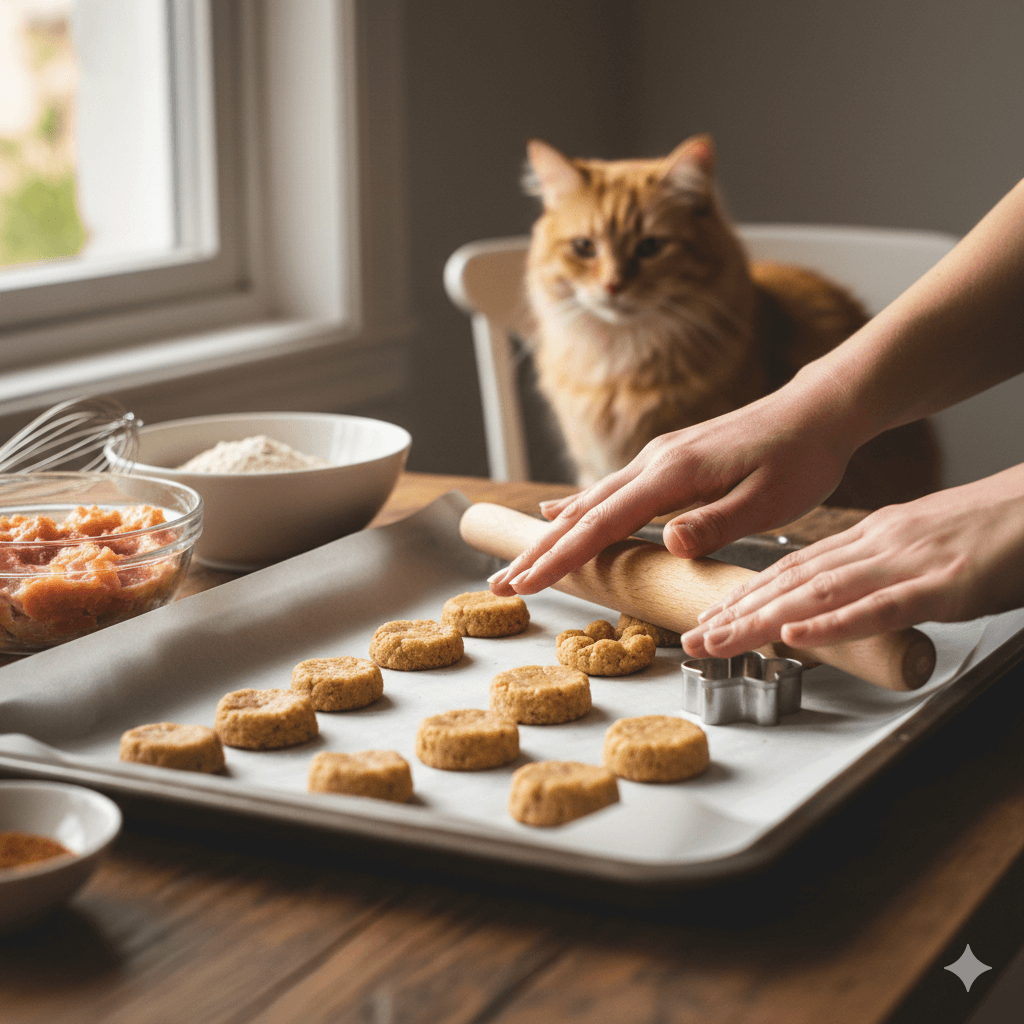
Step-by-Step Guide to Making Soft Cat Treats
Creating soft cat treats at home is easier than you might think. With a few simple steps, you can whip up a batch of healthy snacks that your cat will adore. Follow this guide to ensure your treats turn out perfectly every time.
- Gather Your Ingredients and Tools:
Before starting, assemble all necessary ingredients and tools. You’ll need mixing bowls, a baking sheet, parchment paper, and an oven or dehydrator. Having everything ready streamlines the process. - Prepare the Protein Base:
Cook your chosen protein thoroughly—boil, bake, or steam it to remove excess fat and ensure safety. Shred or finely chop the protein into small, bite-sized pieces suitable for your cat’s mouth. - Mix Wet and Dry Ingredients:
Combine wet ingredients (like pumpkin puree or broth) with dry ones (like flour or oats). Stir until the mixture forms a dough-like consistency. If it’s too sticky, add a little more flour; if too dry, incorporate a bit of water or broth. - Shape the Treats:
Roll the dough into small balls, flatten them slightly, or use cookie cutters to create fun shapes. Keep the treats small enough for easy chewing, especially if your cat is elderly or has dental issues. - Bake or Dehydrate for Softness:
Bake the treats at a low temperature (around 300°F/150°C) for 15–20 minutes, or dehydrate them for a chewier texture. Avoid overbaking, as this can make the treats too hard. Let them cool completely before serving.
With these steps, you’ll have a batch of soft, homemade cat treats ready to delight your feline friend in no time.
Check this guide 👉Organic Cat Treats Recipe: Best 7 Expert Tips!
Check this guide 👉Homemade Healthy Cat Treats: Best 7 Expert Tips!
Check this guide 👉How Many Treats Per Day for a Cat? Best 7 Expert Tips!
Homemade Soft Cat Treats | Store-Bought Soft Cat Treats |
|---|---|
Made with natural, wholesome ingredients | Often contain artificial preservatives or fillers |
Customizable to suit dietary needs | Limited options for specific allergies or sensitivities |
Cost-effective and eco-friendly | More expensive per serving; generates packaging waste |
Freshness guaranteed when stored properly | May lose flavor or texture due to extended shelf life |
Perfect for bonding and personalization | Convenient but lacks a personal touch |
Benefits of Homemade Soft Cat Treats
Homemade soft cat treats offer numerous advantages over store-bought options. From nutritional benefits to cost savings, crafting treats at home is a smart choice for any cat owner. Here’s why making your own treats is worth the effort.
- Complete Control Over Ingredients:
When you make treats at home, you decide exactly what goes into them. This eliminates harmful additives, artificial preservatives, and mystery fillers often found in commercial products. - Tailored to Dietary Needs:
If your cat has allergies, sensitivities, or specific dietary requirements, homemade treats allow you to customize recipes accordingly. For example, use hypoallergenic proteins or grain-free binders as needed. - Cost-Effective and Eco-Friendly:
Making treats in bulk saves money compared to buying pre-packaged options. Plus, reusing containers and minimizing packaging reduces environmental waste. - Encourages Bonding Through Rewards:
Giving your cat a treat you made yourself strengthens your bond. It’s a tangible way to show love and care, enhancing your relationship with your pet. - Perfect for Training and Enrichment:
Soft treats are ideal for training sessions or puzzle toys because they’re easy to break into small pieces. Their enticing aroma and taste keep your cat motivated and engaged.
These benefits make homemade soft cat treats a win-win for both you and your feline companion.
Creative Flavor Combinations for Soft Cat Treats
Experimenting with different flavors keeps your cat excited about their homemade treats. While cats aren’t as adventurous as dogs, they still enjoy variety in their snacks. Try these creative combinations to spice things up safely.
- Chicken and Pumpkin Delight:
Combine shredded cooked chicken with pumpkin puree for a savory-sweet treat packed with protein and fiber. This combo is especially helpful for digestive health. - Salmon and Sweet Potato Bliss:
Flaked salmon pairs beautifully with mashed sweet potatoes, offering omega-3 fatty acids and vitamins for skin, coat, and overall vitality. - Turkey and Cranberry Surprise:
Lean ground turkey mixed with a small amount of unsweetened cranberry sauce creates a tangy yet nutritious snack. Avoid sugary sauces to keep it cat-safe. - Tuna and Catnip Temptation:
Blend canned tuna with a pinch of dried catnip for an aromatic treat that’s sure to get tails wagging. Just ensure the tuna is packed in water, not oil. - Beef and Carrot Crunch:
Finely grated carrots add a touch of sweetness and crunch to lean ground beef, providing vitamins A and C along with satisfying flavor.
These flavor combinations cater to your cat’s preferences while delivering essential nutrients in every bite.
Storage Tips for Homemade Soft Cat Treats
Proper storage ensures your homemade soft cat treats stay fresh and safe for consumption. Since these treats lack artificial preservatives, they have a shorter shelf life than store-bought options. Follow these tips to maximize freshness.
- Refrigerate for Short-Term Use:
Store soft treats in an airtight container in the refrigerator for up to one week. This prevents spoilage and maintains texture. - Freeze for Long-Term Preservation:
For longer storage, freeze the treats in a single layer on a baking sheet, then transfer them to a freezer-safe bag or container. They’ll last up to three months. - Label and Date Containers:
Clearly label each batch with the date of preparation to track freshness. This helps you use older treats first and avoid waste. - Portion Sizes for Convenience:
Divide treats into small portions before freezing so you can thaw only what you need for a few days at a time. This minimizes repeated freezing and thawing. - Check for Spoilage Before Serving:
Always inspect treats for signs of mold, off smells, or unusual textures before giving them to your cat. Discard anything questionable immediately.
By following these storage guidelines, you ensure your homemade soft cat treats remain safe and appetizing for your furry friend.
Common Mistakes to Avoid When Making Cat Treats
While making soft cat treats is straightforward, there are pitfalls to watch out for. Avoiding these common mistakes ensures your treats are safe, nutritious, and enjoyable for your cat.
- Using Toxic Ingredients:
Never include garlic, onions, raisins, chocolate, or artificial sweeteners like xylitol, as these are highly toxic to cats. Stick to cat-safe ingredients only. - Overloading on Fat or Salt:
Too much fat or salt can lead to obesity, pancreatitis, or kidney issues. Use minimal amounts of healthy fats and skip added salt entirely. - Ignoring Portion Sizes:
Treats should make up no more than 10% of your cat’s daily caloric intake. Overfeeding can unbalance their diet and lead to weight gain. - Skipping Texture Testing:
Ensure treats are soft enough for your cat to chew comfortably, especially if they’re older or have dental problems. Hard or crumbly textures may discourage eating. - Neglecting Allergies or Sensitivities:
Some cats are allergic to certain proteins or grains. Pay attention to how your cat reacts to new ingredients and adjust recipes accordingly.
Avoiding these mistakes guarantees your homemade treats are both safe and satisfying for your cat.
Troubleshooting Common Issues with Soft Cat Treats
Even experienced treat-makers encounter challenges from time to time. Knowing how to troubleshoot common issues ensures your soft cat treats turn out perfectly every time.
- Treats Are Too Hard:
If your treats bake too long or at too high a temperature, they may become crunchy instead of soft. Reduce baking time or switch to dehydrating for a chewier texture. - Dough Is Too Sticky:
Sticky dough can result from too much liquid or insufficient binder. Add a little more flour or oats gradually until the dough reaches the right consistency. - Treats Fall Apart:
If treats crumble easily, the dough likely lacks enough binder. Increase the amount of oats, flour, or another binding agent in your recipe. - Cats Refuse to Eat Them:
Sometimes cats reject treats due to unfamiliar flavors or textures. Experiment with different proteins, shapes, or sizes to find what appeals to your feline friend. - Spoilage Occurs Quickly:
If treats spoil faster than expected, improper storage may be to blame. Always refrigerate or freeze treats promptly and use clean utensils when handling them.
With these troubleshooting tips, you’ll overcome any hurdles and master the art of making soft cat treats.
“Cats are obligate carnivores, meaning they need high levels of protein from animal sources in their diet. Meat, poultry, fish and eggs provide essential amino acids”
Frequently Asked Questions About Making Soft Cat Treats
Can I use any protein source for homemade cat treats?
Yes, as long as it’s safe for cats—chicken, turkey, salmon, and beef are excellent choices. Avoid processed meats like bacon or ham due to high salt content.
How long do homemade soft cat treats last?
When refrigerated, they last up to one week; frozen treats can stay fresh for up to three months. Always check for spoilage before serving.
Are there ingredients I should never use in cat treats?
Absolutely—avoid garlic, onions, chocolate, raisins, grapes, artificial sweeteners (like xylitol), and anything sugary or salty. Stick to cat-safe foods only.
Can kittens eat homemade soft cat treats?
Yes, but ensure the treats are small, soft, and made with kitten-appropriate ingredients. Consult your vet if you’re unsure about portion sizes or recipes.
What if my cat doesn’t like the treats I made?
Experiment with different proteins, textures, or shapes. Cats can be picky, so finding their preference may take a few tries.
A Labor of Love for Your Feline Friend
Making soft cat treats at home is more than just a fun project—it’s a heartfelt way to show your cat how much you care. By crafting nutritious, delicious snacks tailored to their needs, you strengthen the bond between you and your furry companion while ensuring their health and happiness. Whether you’re celebrating milestones, rewarding good behavior, or simply spoiling them, these treats are a testament to the love and effort you put into every aspect of their well-being. So roll up your sleeves, gather your ingredients, and get ready to create treats that will have your cat purring with delight!

Is Rawhide Bad for Cats? Best 7 Expert Tips! – Discover the risks, safe alternatives, and expert advice to keep your feline friend healthy and happy.

Is Rawhide Bad for Dogs? Best 7 Expert Tips! – Discover the risks, benefits, and safer alternatives to rawhides for your dog’s chewing needs.

Understanding Anorexia in Cats: Best 7 Expert Tips! – Learn why cats stop eating, spot warning signs, and discover how to help your feline regain appetite safely.

Understanding Anorexia in Dogs: Best 7 Expert Tips! – Learn causes, symptoms, and solutions to help your dog regain appetite and stay healthy.