
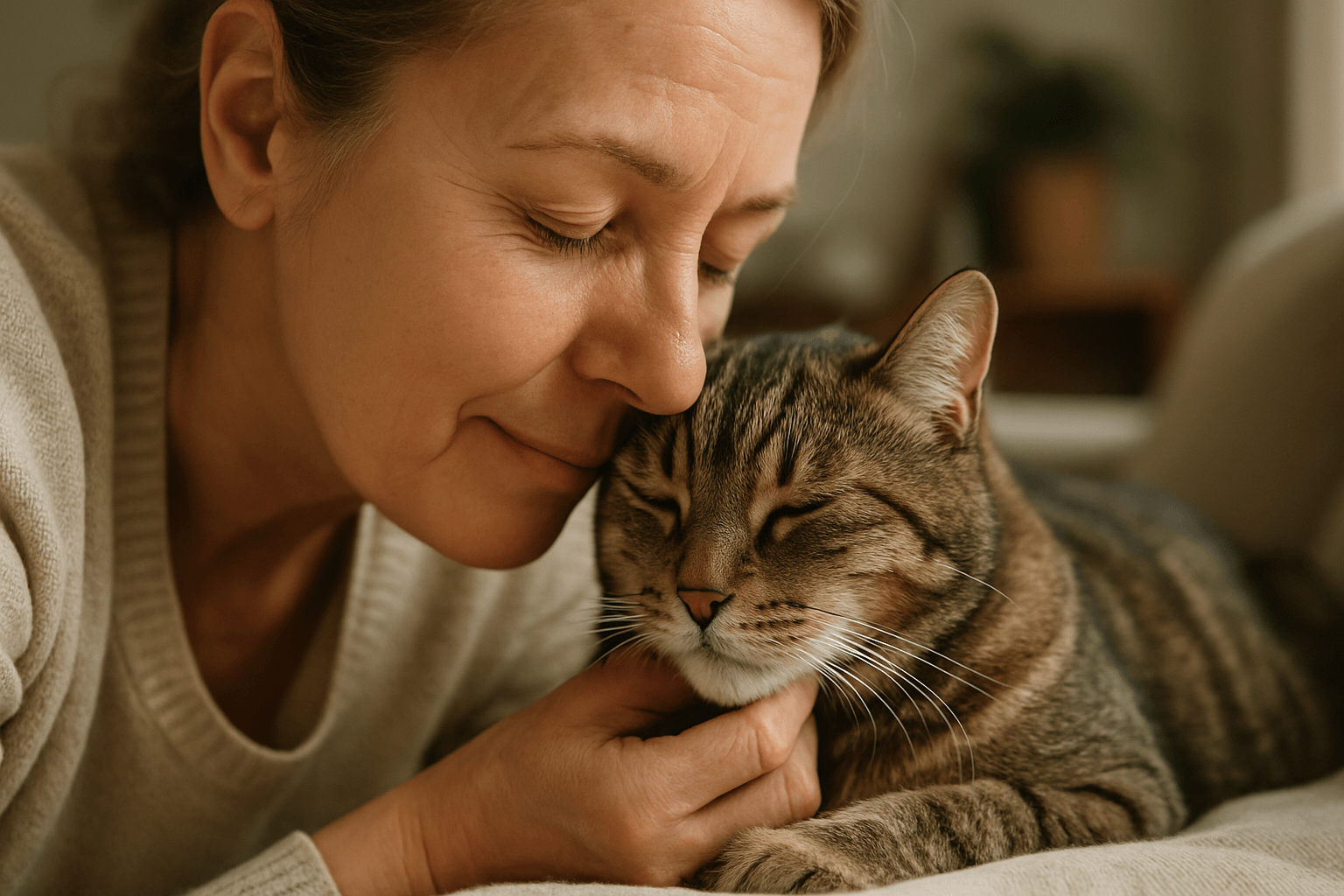

How to Make My Cat Live Longer: Best 7 Expert Tips!

How to Make My Cat Live Longer: Best 7 Expert Tips!

How to Make My Cat Live Longer

Every purr, blink, and slow stretch from your cat is a quiet invitation to share more tomorrows together. While genetics play a role, your daily choices have a powerful impact on your feline friend’s lifespan and quality of life. With the right care, many cats now live well into their late teens—or even past 20. In this guide, we’ll explore science-backed, vet-approved strategies to support your cat’s long-term health from kittenhood to golden years. Because more time with your cat isn’t just a wish—it’s a possibility you can help create.

The Foundations of Feline Longevity


A long life starts with consistent, thoughtful basics. Cats thrive on routine, safety, and preventative care—and small daily habits compound into years of wellness.

 
  • Regular veterinary check-ups:
    Annual (or semi-annual for seniors) exams catch issues like kidney disease or hyperthyroidism early, when treatment is most effective.
     
  • Balanced, species-appropriate nutrition:
    High-quality protein, controlled calories, and moisture-rich food support vital organs and healthy weight.
     
  • Indoor-only lifestyle:
    Keeping your cat indoors dramatically reduces risks from traffic, predators, infections, and toxins—adding years to life.
     
  • Stress-free environment:
    Cats are sensitive to chaos; predictable routines, hiding spots, and quiet zones lower chronic stress, which harms immunity.
     
  • Dental care from day one:
    Periodontal disease affects 85% of cats over 3; brushing or dental diets prevent pain and systemic inflammation.
 

These aren’t luxuries—they’re non-negotiable pillars of a long, vibrant life.

How to Make My Cat Live Longer: Best 7 Expert Tips!

Nutrition That Fuels Longevity


What you feed your cat directly influences organ health, immune function, and energy levels. Not all cat food is created equal—and “filler” ingredients age your cat faster.

 
  • Prioritize animal-based protein:
    Cats are obligate carnivores; their bodies require taurine, arginine, and other amino acids found only in meat.
     
  • Ensure adequate moisture intake:
    Chronic mild dehydration stresses kidneys; wet food or water fountains encourage hydration far better than dry kibble alone.
     
  • Avoid excessive carbohydrates:
    High-carb diets contribute to obesity and diabetes—both major lifespan shorteners in cats.
     
  • Watch portion sizes carefully:
    Even 1–2 extra treats daily can lead to obesity, which shortens life expectancy by up to 2.5 years.
     
  • Consider life-stage formulas:
    Kittens, adults, and seniors have different needs; switching at the right time optimizes nutrition without over-supplementing.
 

Food is medicine for cats—choose wisely, and measure precisely.

Daily Longevity Boosters Common Lifespan Threats
Fresh water available at all times Obesity from free-feeding dry food
Daily interactive play (10–15 mins) Chronic stress from environmental changes
Clean litter box (scooped daily) Untreated dental disease
Consistent sleep schedule Lack of preventative vet care
Mental stimulation (puzzles, perches) Exposure to outdoor hazards

The Power of Preventative Veterinary Care


Prevention is the single greatest gift you can give your cat’s future self. Waiting for symptoms often means missing the window for early intervention.

 
  • Vaccinations tailored to lifestyle:
    Even indoor cats need core vaccines; discuss non-core options with your vet based on risk.
     
  • Parasite prevention year-round:
    Fleas, ticks, and intestinal worms cause anemia, disease, and chronic inflammation—monthly prevention is essential.
     
  • Bloodwork starting at age 7:
    Baseline panels detect kidney, liver, or thyroid changes before clinical signs appear.
     
  • Dental cleanings under anesthesia:
    Professional cleanings remove hidden plaque and allow full oral exams—critical for preventing systemic infection.
     
  • Senior wellness screenings every 6 months:
    Cats age rapidly after 10; biannual checks catch conditions like hypertension or heart disease early.
 

Think of vet visits as investments—each one buys more healthy days with your feline companion.


Enrichment for Body and Mind


A bored or sedentary cat ages faster—both mentally and physically. Enrichment isn’t entertainment; it’s health maintenance.

 
  • Vertical space (cat trees, shelves):
    Allows climbing and observation—natural feline behaviors that build muscle and reduce anxiety.
     
  • Daily interactive play:
    Mimicking hunting with wand toys satisfies instinct, burns calories, and strengthens your bond.
     
  • Food puzzles and slow feeders:
    Turn meals into mental challenges that prevent obesity and stimulate cognition.
     
  • Window perches with bird views:
    Safe outdoor stimulation reduces stress and provides hours of gentle engagement.
     
  • Novelty rotation:
    Switching toys weekly prevents boredom; cats thrive on small, predictable changes.
 

A mentally sharp, physically active cat is far more likely to stay healthy into old age.

Managing Common Age-Related Conditions


Even with perfect care, cats may face health challenges as they age. Early detection and management can add years of comfort.

 
  • Chronic Kidney Disease (CKD):
    Feed kidney-support diets, ensure hydration, and monitor via blood/urine tests—many cats live years post-diagnosis.
     
  • Hyperthyroidism:
    Treatable with medication, diet, or radioactive iodine; untreated, it strains the heart and organs.
     
  • Arthritis (often underdiagnosed):
    Signs include reluctance to jump or groom; joint supplements, pain management, and ramps help greatly.
     
  • Dental resorptive lesions:
    Painful tooth decay affecting up to 70% of cats; regular dental exams catch them before your cat stops eating.
     
  • Cognitive Decline:
    Confusion at night or litter box accidents may signal feline dementia; antioxidants and routine can slow progression.
 

Proactive management turns “old age” into a manageable phase—not a sentence.

The Critical Role of Hydration


Dehydration is a silent accelerator of kidney and urinary tract decline—yet it’s easily preventable with simple strategies.

 
  • Feed primarily wet food:
    Canned or raw diets are 70–80% water, matching a cat’s natural intake from prey.
     
  • Use wide, shallow water bowls:
    Whisker fatigue from narrow bowls discourages drinking; ceramic or stainless steel is best.
     
  • Place water stations around the home:
    Multiple sources encourage sipping, especially in multi-cat households.
     
  • Try a cat water fountain:
    Many cats prefer moving water—fountains increase intake significantly.
     
  • Add bone broth (no onion/garlic):
    Unsalted, pet-safe broth mixed into food or water boosts moisture without resistance.
 

Hydration isn’t optional—it’s a cornerstone of feline longevity.

Lifestyle Choices That Extend Lifespan


Beyond diet and vet care, your household habits shape your cat’s daily reality—and long-term health trajectory.

 
  • Keep your cat indoors:
    Outdoor cats live 2–5 years on average; indoor cats routinely reach 15–20+.
     
  • Spay or neuter early:
    Reduces cancer risks (mammary, testicular) and eliminates life-threatening conditions like pyometra.
     
  • Maintain a calm, predictable home:
    Loud noises, frequent moves, or chaotic schedules elevate cortisol—harming immunity over time.
     
  • Avoid toxic plants and chemicals:
    Lilies, essential oils, and certain cleaners can cause acute or chronic organ damage.
     
  • Build a “cat-proof” emergency plan:
    Include carriers, medical records, and a week of food—disasters shouldn’t shorten your cat’s life.
 

Every choice you make ripples into your cat’s future—choose with longevity in mind.

Frequently Asked Questions

What’s the average lifespan of a cat?

Indoor cats typically live 13–17 years, but many exceed 20 with excellent care. Outdoor cats average just 2–5 years.

Some—like omega-3s or probiotics—may support health, but never add supplements without veterinary approval.

Every 6 months after age 10. Senior cats age ~4 human years per calendar year—conditions change fast.

Not ideal. Cats have low thirst drive; dry food alone often leads to chronic dehydration and urinary/kidney stress.

Yes. Low-stress, bonded cats have stronger immune function and lower rates of stress-related illness—love is biological medicine.

A Lifetime of Purr-fect Moments Starts Today


Helping your cat live longer isn’t about grand gestures—it’s the quiet consistency of clean water bowls, gentle play sessions, vet visits, and a safe place to nap in the sun. Every choice you make weaves into the tapestry of your cat’s life, adding threads of health, comfort, and joy. You’ve already taken the first step by seeking knowledge. Now, with care, attention, and a little science, you can share countless more mornings curled together—and maybe even celebrate a 20th birthday. Because the best gift you can give your cat is not just more years, but more happy ones.

Dog Tapeworm Life Cycle: Best 7 Expert Tips!

Dog Tapeworm Life Cycle: Best 7 Expert Tips! – Learn how tapeworms infect dogs, spot symptoms, and break the cycle with expert prevention strategies.

Anxious Cat Body Language: Best 7 Expert Tips!

Anxious Cat Body Language: Best 7 Expert Tips! – Learn to spot signs of stress, understand triggers, and help your cat feel safe and relaxed.

Anxious Dog Body Language: Best 7 Expert Tips!

Anxious Dog Body Language: Best 7 Expert Tips! – Learn to spot signs of anxiety, respond effectively, and help your dog feel safe and secure.

Is Breeding Dogs Bad? Best 7 Expert Tips!

Is Breeding Dogs Bad? Best 7 Expert Tips! – Explore the ethics, benefits, and risks of dog breeding to make informed decisions for a better future.

Leave a Reply

Your email address will not be published. Required fields are marked *

Post Category


