

How to Make a Cat Less Anxious
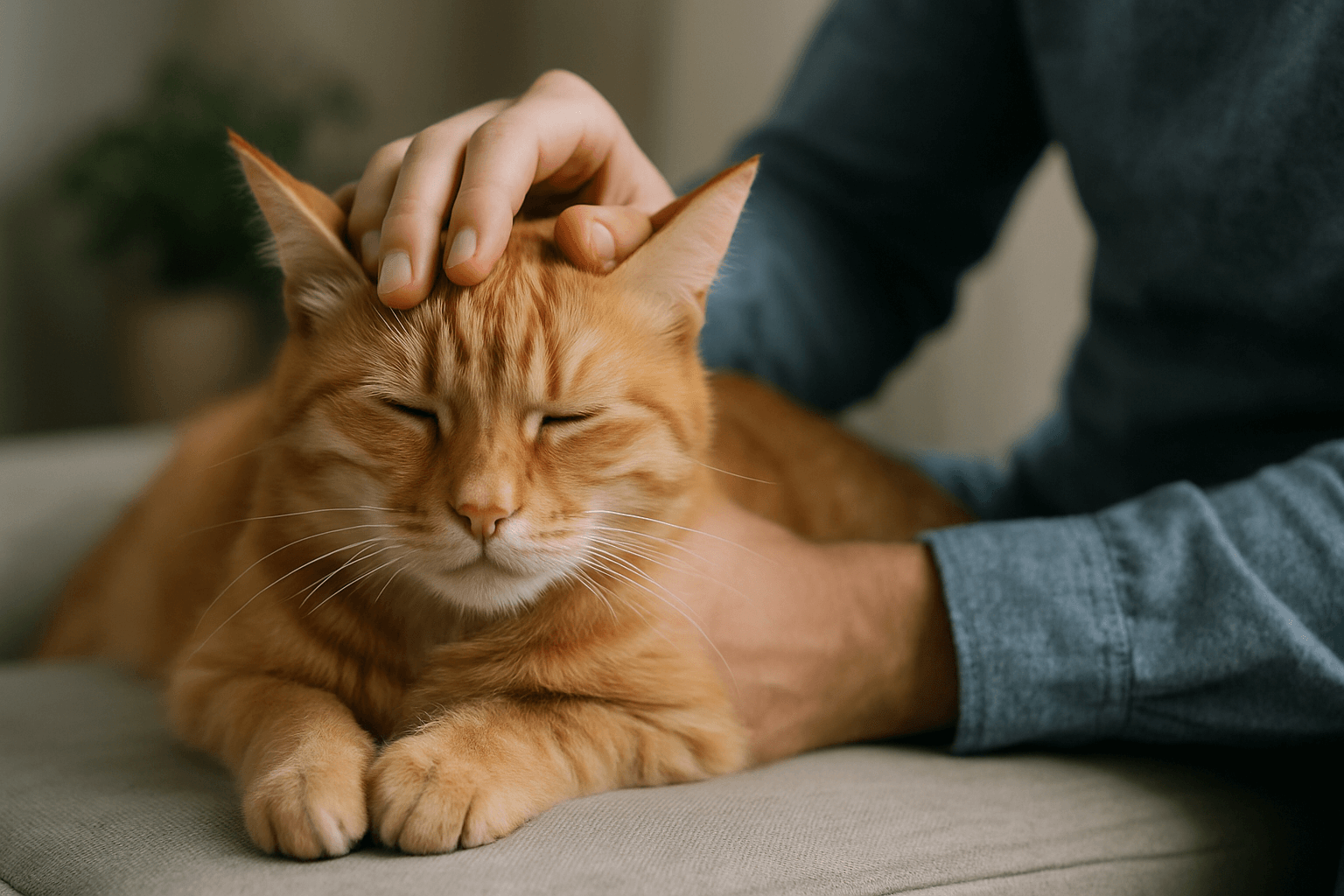
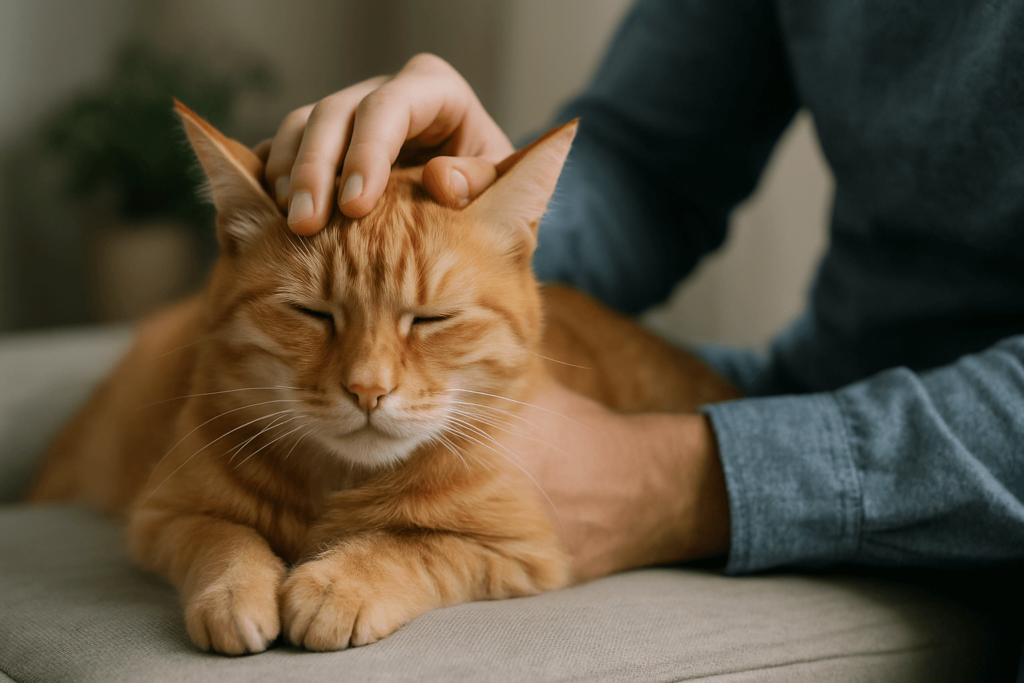
Cats may seem aloof, but they’re deeply sensitive creatures affected by changes in their environment, routine, and emotional atmosphere. Anxiety in cats can show up as hiding, overgrooming, aggression, or litter box avoidance — behaviors that are often misunderstood. The good news? With patience, consistency, and the right tools, you can significantly reduce your cat’s anxiety and help them feel safe, secure, and loved.
Common Signs Your Cat Is Anxious
Anxiety in cats doesn’t always look like nervous pacing—it often hides in subtle shifts in behavior. Recognizing these early signs is the first step toward helping your feline friend feel at ease.
Excessive Hiding: Your cat may retreat under furniture or avoid interaction for extended periods, especially after changes in the household.
Litter Box Issues: Sudden accidents outside the box can signal stress, particularly if medical causes have been ruled out.
Overgrooming or Hair Loss: Repetitive licking—sometimes to the point of bald patches—is a coping mechanism for emotional distress.
Vocalization Changes: Increased meowing, yowling, or silent crying may indicate discomfort or unease.
Aggression or Fearfulness: A normally calm cat may hiss, swat, or flee in response to touch, visitors, or new sounds.
Addressing these signs early not only improves your cat’s well-being but also prevents anxiety from escalating into chronic behavioral issues.
Why Cats Become Anxious: Key Triggers
Understanding the root causes of your cat’s stress helps you create solutions that truly work. Unlike humans, cats thrive on predictability—and disruptions can deeply unsettle them.
Environmental Changes: Moving to a new home, rearranging furniture, or even new curtains can disrupt a cat’s sense of safety.
Loud or Sudden Noises: Fireworks, thunderstorms, construction, or vacuum cleaners can overwhelm a cat’s sensitive hearing.
New People or Pets: Introductions to unfamiliar humans, dogs, or even other cats can trigger territorial fear or social stress.
Routine Disruptions: Changes in feeding times, your work schedule, or absence (like vacations) may cause uncertainty.
Past Trauma or Neglect: Rescued or rehomed cats may carry emotional scars that manifest as ongoing anxiety or distrust.
By identifying which triggers affect your cat most, you can tailor your calming strategies to their unique history and temperament.
Check this guide 👉How to Deal with Cat Anxiety: Best 7 Expert Tips!
Check this guide 👉Why Is My Cat Scared of Everything? Best 7 Expert Tips!
Check this guide 👉Why Is My Cat Scared of Strangers? Best 7 Behavior Tips!
| Anxiety Triggers | Calming Solutions |
|---|---|
| Environmental changes | Maintain familiar objects and routines during transitions |
| Loud noises | Create a quiet, insulated safe space with soft bedding |
| New pets or people | Use slow, scent-based introductions over several days |
| Routine disruptions | Stick to consistent feeding and play schedules |
| Past trauma | Provide safe zones and avoid forced interaction |
Creating a Safe and Calming Home Environment
Your home is your cat’s sanctuary—and small adjustments can make it feel like a fortress of calm rather than a source of stress.
Designate Quiet Zones: Set up cozy, low-traffic areas with soft blankets, hiding spots (like covered beds or cardboard boxes), and elevated perches.
Use Pheromone Diffusers: Products like Feliway mimic natural feline facial pheromones, signaling safety and reducing tension.
Control Light and Sound: Use blackout curtains during storms, play soft background music, or use white noise machines to muffle startling sounds.
Limit Access During Stressful Events: Confine your cat to a familiar room during parties, renovations, or vet visits to minimize exposure to chaos.
Keep Essentials Consistent: Never move food bowls, litter boxes, or favorite beds without a gradual transition—cats rely on spatial memory for security.
The Role of Play and Routine in Reducing Anxiety
Predictability and engagement are powerful antidotes to feline stress. Daily routines and interactive play give your cat a sense of control and purpose.
Schedule Daily Play Sessions: Use wand toys or laser pointers for 10–15 minutes twice a day to simulate hunting and release endorphins.
Stick to Consistent Feeding Times: Cats feel secure when meals arrive at the same time each day—use automatic feeders if needed.
Incorporate Puzzle Feeders: Mental stimulation from food puzzles reduces boredom and redirects anxious energy into problem-solving.
End Play with a Meal: Mimicking the “hunt-eat-groom-sleep” cycle satisfies instinctual needs and promotes relaxation.
Avoid Overstimulation: Respect your cat’s limits—some prefer gentle petting over prolonged play, and pushing boundaries increases stress.
When your cat knows what to expect and has healthy outlets for energy, anxiety naturally fades into the background.
Natural and Veterinary Solutions for Anxious Cats
Sometimes, environmental changes aren’t enough—especially for cats with chronic or severe anxiety. In these cases, additional support may be necessary.
Calming Supplements: Ingredients like L-theanine, tryptophan, or alpha-casozepine (found in products like Zylkène) can ease mild to moderate anxiety.
Herbal Remedies: Chamomile, valerian root, or catnip (for responsive cats) may offer gentle relaxation—always consult your vet first.
Prescription Medications: For extreme cases (e.g., panic during travel or vet visits), veterinarians may prescribe anti-anxiety drugs like gabapentin.
Behavioral Therapy: A veterinary behaviorist can create a customized desensitization plan for issues like separation anxiety or noise phobia.
Never Self-Medicate: Human medications (like CBD or essential oils) can be toxic to cats—always use feline-specific, vet-approved options.
These tools, when used responsibly, can bridge the gap between environmental management and full emotional recovery.
Common Mistakes That Worsen Cat Anxiety
Even well-meaning owners can unintentionally heighten their cat’s stress. Awareness of these pitfalls is key to creating true calm.
Forcing Interaction: Grabbing or cuddling an anxious cat reinforces fear—let them initiate contact on their terms.
Punishing Anxious Behaviors: Scolding for litter box accidents or hiding only deepens insecurity and erodes trust.
Ignoring Early Signs: Dismissing subtle stress signals allows anxiety to become entrenched and harder to reverse.
Overusing Restraint: Wrapping cats tightly in towels (“kitty burritos”) during non-essential handling can increase panic.
Inconsistent Responses: Alternating between comforting and ignoring anxious behaviors confuses your cat and slows progress.
Compassion, not correction, is the path to helping your cat feel safe again.
When to Seek Professional Help for an Anxious Cat
While many cases of feline anxiety can be managed at home, some situations require expert intervention. Knowing when to reach out can make a critical difference in your cat’s quality of life.
Persistent Hiding or Withdrawal:
If your cat hides for more than 48 hours without eating, drinking, or using the litter box, it may signal severe distress or illness.Sudden Aggression or Fear:
Uncharacteristic hissing, biting, or terror responses—even to familiar people—warrant a veterinary behavior assessment.Self-Harm or Overgrooming:
Bald patches, raw skin, or obsessive licking that causes injury are signs of pathological anxiety needing medical attention.Complete Loss of Appetite:
Refusing food for over 24 hours can lead to dangerous liver complications (hepatic lipidosis) and must be addressed immediately.No Improvement After Weeks of Management:
If consistent environmental adjustments, routines, and calming aids yield no change after 3–4 weeks, consult a professional.
Early intervention doesn’t mean you’ve failed—it means you’re advocating for your cat’s emotional and physical health with the same care you’d give their physical well-being. A veterinarian or certified feline behaviorist can offer targeted strategies that go beyond basic home care.
Frequently Asked Questions About Cat Anxiety
Why is my cat suddenly anxious?
Sudden anxiety often stems from environmental changes, health issues, or undetected stressors like neighborhood animals or new household scents.
Can indoor cats be anxious?
Yes—indoor cats are especially sensitive to routine changes, lack of stimulation, or limited escape routes during stress.
How long does it take to calm an anxious cat?
Mild anxiety may improve in days with the right adjustments; chronic cases can take weeks or months of consistent support.
Does music help calm cats?
Yes—specially composed “cat music” or soft classical tracks can lower heart rates and reduce stress behaviors.
Should I get another cat to comfort my anxious one?
Not necessarily. Adding a new cat can increase stress unless your current cat enjoys feline company—most prefer human companionship or solitude.
Building a Lifetime of Calm and Connection
Helping your cat overcome anxiety isn’t about fixing a problem—it’s about building a relationship rooted in trust, predictability, and respect. Every gentle adjustment you make, every quiet space you create, and every patient moment you offer sends a powerful message: You are safe here. With time, consistency, and compassion, even the most nervous cat can learn to relax, explore, and thrive. And in return, you’ll be rewarded with purrs, slow blinks, and the quiet confidence of a feline who finally feels at home.
Understanding Cryptosporidium in Cats: Best 7 Expert Tips! – Spot symptoms, treat safely, and stop parasite spread in your home.
Understanding Cryptosporidium in Dogs: Best 7 Expert Tips! – Learn symptoms, treatment & prevention for this stubborn gut parasite.
Understanding Syringomyelia in Cats: Best 7 Expert Tips! – Recognize signs, manage pain, and support your cat’s neurological health with vet-backed guidance.
Understanding Syringomyelia in Dogs: Best 7 Expert Tips! – Expert insights on symptoms, MRI diagnosis, pain management & quality of life.


