
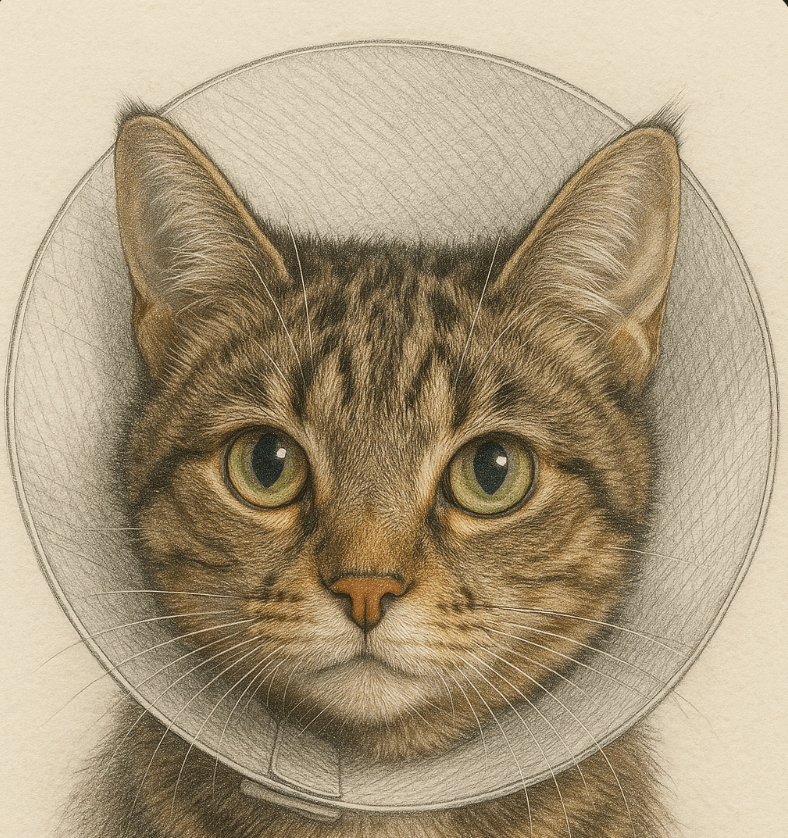

How to Make a Cat Cone: Best 7 Expert Tips!

How to Make a Cat Cone: Best 7 Expert Tips!

How to Make a Cat Cone: A DIY Guide for Pet Owners


If your cat has recently undergone surgery or suffered an injury, you may need to use a cone to prevent them from licking or biting the affected area. While store-bought cones are readily available, making one at home can be a cost-effective and customizable solution. Whether you’re dealing with a curious kitten or a stubborn adult cat, crafting a cone that fits comfortably is easier than you might think. In this guide, we’ll walk you through the steps to create a homemade cat cone, tips for ensuring your feline friend stays comfortable, and how to make the process as stress-free as possible for both of you.

Materials You’ll Need to Make a Cat Cone


Before you start crafting your cat cone, gather all the necessary materials. Having everything on hand will make the process smoother and more efficient.

 
  • Flexible Plastic Sheet or Folder:
    A lightweight yet sturdy plastic material works best for creating a durable cone. Avoid anything too rigid that could cause discomfort.

  • Soft Fabric or Padding:
    Line the edges of the cone with soft fabric to prevent irritation around your cat’s neck.

  • Velcro Strips or Elastic Bands:
    These will help secure the cone in place without being too tight or restrictive.

  • Scissors:
    Use sharp scissors to cut the plastic and fabric precisely for a snug fit.

  • Measuring Tape:
    Measure your cat’s neck and head circumference to ensure the cone is the right size.


With these materials ready, you’ll have everything you need to craft a functional and comfortable cone for your cat.


Step-by-Step Instructions for Making a Cat Cone


Creating a cat cone at home is simpler than it sounds. Follow these step-by-step instructions to assemble a cone that fits your cat perfectly.

 
  • Measure Your Cat’s Neck and Head:
    Take accurate measurements of your cat’s neck and head to determine the cone’s size. Add a little extra space for comfort.

  • Cut the Plastic into a Circular Shape:
    Using the measurements, draw a circle on the plastic sheet and cut it out. This will form the base of the cone.

  • Create the Cone Shape:
    Cut a wedge out of the circle to form a cone shape. Overlap the edges slightly and secure them with tape or glue.

  • Add Padding to the Edges:
    Attach soft fabric or foam padding around the inner rim to protect your cat’s neck from chafing.

  • Secure the Cone with Velcro or Elastic Bands:
    Attach adjustable straps to the cone so it can be easily fastened and removed. Ensure the fit is snug but not too tight.


By following these steps, you’ll have a custom-made cone that keeps your cat safe while allowing them to move comfortably.

How to Make a Cat Cone: Best 7 Expert Tips!
Advantages of a Homemade Cat Cone
Disadvantages of a Homemade Cat Cone
Cost-effective and budget-friendly
May not be as durable as store-bought options
Customizable to fit your cat’s size
Requires time and effort to create
Can be made with soft, comfortable materials
May need adjustments for optimal fit
Eco-friendly alternative to plastic cones
Limited professional design features
Bonding opportunity with your pet
Risk of improper sizing if not measured carefully

Tips for Helping Your Cat Adjust to the Cone


Introducing a cone to your cat can be challenging, especially if they’re not used to wearing one. These tips will help ease the transition and reduce stress for your furry friend.

 
  • Introduce the Cone Gradually:
    Let your cat sniff and explore the cone before putting it on. This helps them become familiar with the object.

  • Reward Positive Behavior:
    Offer treats, praise, or playtime whenever your cat wears the cone without resistance. Positive reinforcement encourages acceptance.

  • Supervise Initial Use:
    Monitor your cat closely during the first few hours to ensure they don’t get stuck or hurt themselves while wearing the cone.

  • Check for Comfort Regularly:
    Ensure the cone isn’t too tight or causing irritation. Adjust the fit as needed to keep your cat comfortable.

  • Limit Playtime and Activity:
    Restrict high-energy activities until your cat gets used to the cone to prevent accidents or discomfort.


With patience and care, your cat will adjust to wearing the cone and recover safely.

Alternative Solutions to Traditional Cat Cones


If your cat struggles with a traditional cone, there are alternative options that provide similar protection while being more comfortable or practical.

 
  • Inflatable Collars:
    These resemble a small pillow and prevent your cat from reaching wounds without obstructing their vision.

  • Soft Fabric E-Collars:
    Made from flexible materials, these collars are less restrictive and more comfortable for cats.

  • Recovery Suits:
    Specialized clothing covers the affected area, preventing licking or biting without needing a bulky cone.

  • Distraction Toys and Activities:
    Engage your cat with interactive toys to redirect their focus away from the injury.

  • Temporary Bandages or Wraps:
    For minor wounds, protective wraps can shield the area while allowing some mobility.


Exploring these alternatives ensures your cat’s recovery remains stress-free and effective.

Common Mistakes to Avoid When Making a Cat Cone

Even with good intentions, mistakes can happen when crafting a cat cone. Avoiding these pitfalls ensures your cone is safe and effective.

 
  • Using Unsafe Materials:
    Avoid sharp edges or toxic substances that could harm your cat. Stick to pet-safe materials like soft plastics or fabrics.

  • Making the Cone Too Tight:
    A poorly fitted cone can cause discomfort or restrict breathing. Always leave enough room for movement.

  • Skipping Padding:
    Without padding, the cone’s edges can rub against your cat’s skin, leading to irritation or sores.

  • Overlooking Supervision:
    Failing to monitor your cat during initial use increases the risk of accidents or injuries.

  • Neglecting Adjustments:
    Cats grow and change, so regularly check the cone’s fit to ensure it remains comfortable.


By avoiding these mistakes, you’ll create a cone that prioritizes your cat’s safety and well-being.

How to Clean and Maintain a Homemade Cat Cone

Keeping your homemade cat cone clean and in good condition is essential for your cat’s comfort and hygiene. Here’s how to maintain it effectively.

 
  • Wipe Down After Each Use:
    Use a damp cloth to remove dirt, saliva, or debris from the cone after your cat wears it.

  • Hand Wash Fabric Components:
    If your cone has fabric padding, wash it gently with mild soap and let it air dry completely before reattaching.

  • Inspect for Damage Regularly:
    Check for cracks, tears, or loose parts that could pose a hazard to your cat.

  • Store Properly When Not in Use:
    Keep the cone in a safe, dry place to prevent damage or contamination between uses.

  • Replace Worn-Out Parts:
    If any components become too damaged, replace them promptly to ensure the cone remains functional.


Proper maintenance extends the life of your homemade cone and keeps your cat safe during recovery.


Signs Your Cat Needs a Cone

Knowing when to use a cone is just as important as knowing how to make one. Look for these signs that indicate your cat requires additional protection.

 
  • Excessive Licking or Chewing:
    If your cat constantly licks or bites at a wound, a cone can prevent further irritation or infection.

  • Visible Scratching or Biting:
    Scratches or bite marks around an injury suggest your cat is interfering with the healing process.

  • Recent Surgery or Injury:
    Vets often recommend cones after surgeries or treatments to ensure proper recovery.

  • Redness or Swelling Around the Area:
    Inflammation indicates your cat may be aggravating the injury, requiring intervention.

  • Behavioral Changes:
    Increased aggression or restlessness could signal discomfort caused by self-inflicted harm.


Recognizing these signs ensures timely use of a cone, promoting faster and safer healing for your cat.

Frequently Asked Questions About Making a Cat Cone

 
Can I use cardboard instead of plastic?

Yes, but cardboard may not be as durable or water-resistant as plastic. Reinforce it if needed.

Follow your vet’s recommendations, but most cats wear cones for 7-14 days depending on the injury.

Check the fit and secure it better. If the behavior persists, consult your vet for advice.

Most cats can eat and drink with a properly sized cone, but supervise them to ensure no issues arise.

Absolutely! Adding fun patterns or colors can make the cone more appealing for both you and your cat.

Empowering Your Cat’s Recovery with a Homemade Cone


Making a cat cone at home is a practical and creative way to support your pet’s healing process. By understanding your cat’s needs, gathering the right materials, and following simple steps, you can craft a cone that’s both functional and comfortable. While the adjustment period may require patience, the benefits of a homemade cone—such as customization and cost savings—make it a worthwhile endeavor. Remember, your care and attention play a crucial role in helping your cat recover quickly and comfortably. With love and creativity, you can turn this challenge into a bonding experience for both of you.

 
Is Rawhide Bad for Cats? Best 7 Expert Tips!

Is Rawhide Bad for Cats? Best 7 Expert Tips! – Discover the risks, safe alternatives, and expert advice to keep your feline friend healthy and happy.

Is Rawhide Bad for Dogs? Best 7 Expert Tips!

Is Rawhide Bad for Dogs? Best 7 Expert Tips! – Discover the risks, benefits, and safer alternatives to rawhides for your dog’s chewing needs.

Understanding Anorexia in Cats: Best 7 Expert Tips!

Understanding Anorexia in Cats: Best 7 Expert Tips! – Learn why cats stop eating, spot warning signs, and discover how to help your feline regain appetite safely.

Understanding Anorexia in Dogs: Best 7 Expert Tips!

Understanding Anorexia in Dogs: Best 7 Expert Tips! – Learn causes, symptoms, and solutions to help your dog regain appetite and stay healthy.

Leave a Reply

Your email address will not be published. Required fields are marked *