
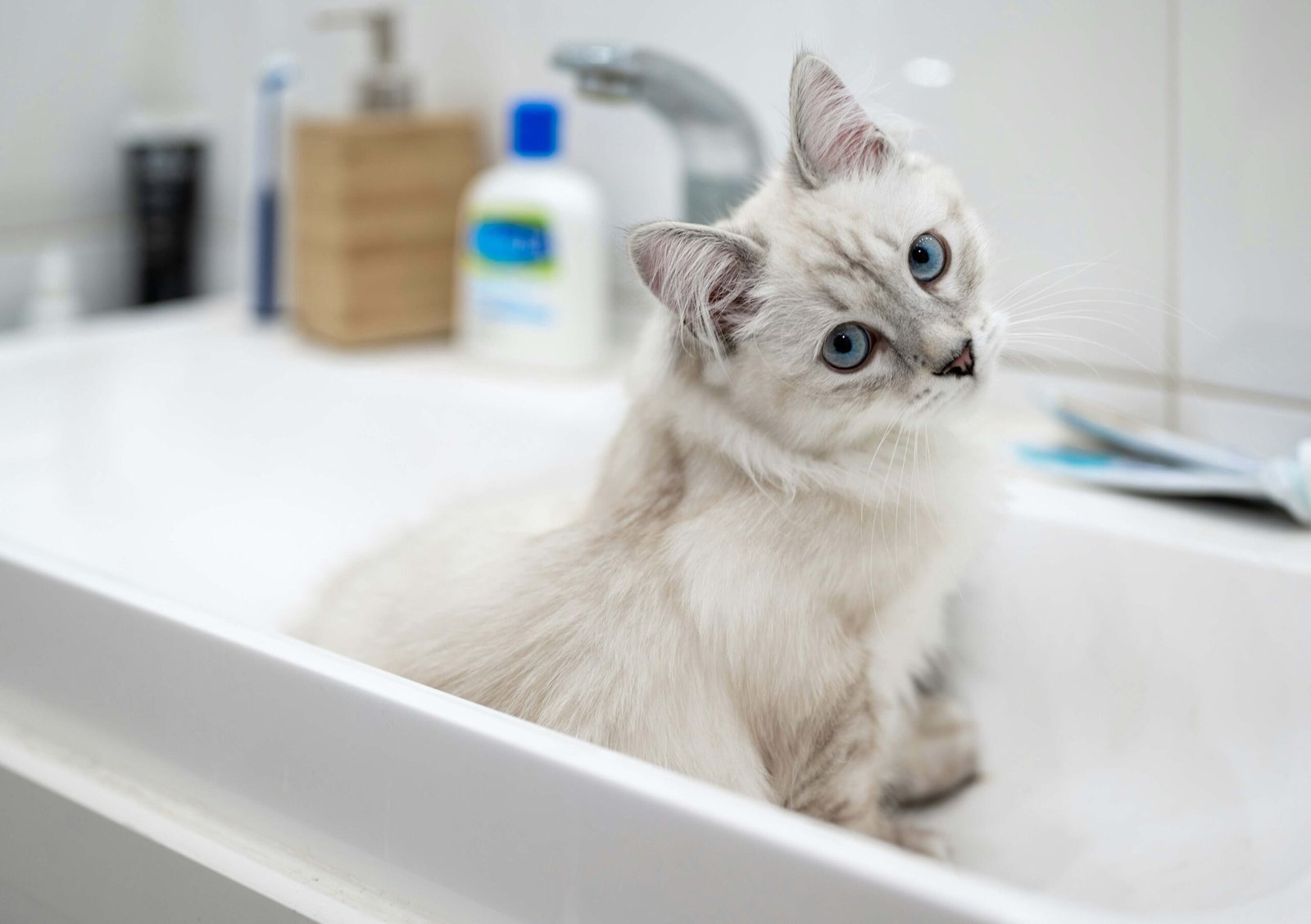

How to Give Your Cat a Bath That Hates Water: Best 7 Tips!

How to Give Your Cat a Bath That Hates Water: Best 7 Tips!

How to Give Your Cat a Bath That Hates Water: A Stress-Free Guide

Cats are notorious for their aversion to water, and the mere thought of giving your feline friend a bath might fill you with dread. However, there are times when bathing becomes necessary, whether it’s due to a messy accident, flea infestation, or medical reasons. The good news is that with the right preparation and approach, you can make the process as smooth and stress-free as possible—for both you and your cat. In this blog post, we’ll walk you through everything you need to know about how to give your cat a bath that hates water, from preparation tips to calming techniques. Let’s dive in and turn bath time into a manageable experience!


Preparing for Success: Essential Steps Before Bath Time

Before you even think about turning on the faucet, preparation is key to ensuring a successful bath for your water-averse cat. Taking the time to gather supplies and create a calm environment can make all the difference. Here’s what you need to do before starting the bath:

 
  • Gather All Supplies in Advance :
    Collect shampoo formulated for cats, towels, a non-slip mat, and a cup or handheld showerhead to avoid mid-bath scrambling.

  • Trim Your Cat’s Nails :
    Trimming your cat’s nails beforehand reduces the risk of scratches during the bath.

  • Brush Their Fur :
    Remove loose fur and tangles by brushing your cat’s coat prior to bathing.

  • Choose a Quiet, Warm Space :
    Set up the bath area in a quiet room to minimize distractions and keep your cat calm.

  • Use Positive Reinforcement :
    Offer treats and praise to help your cat associate bath time with positive experiences.


By preparing thoroughly, you’ll set the stage for a smoother and less stressful bathing experience. Remember, patience and planning are your best allies.

Step-by-Step Guide to Bathing Your Cat

Now that you’re prepared, let’s break down the actual process of bathing your cat step by step. Follow these guidelines to ensure your cat feels as comfortable as possible throughout the process.

 
  • Start with a Dry Run :
    Place your cat near the tub or sink without water to help them acclimate to the environment.

  • Use Lukewarm Water :
    Fill the tub with lukewarm water (not hot!) to avoid startling your cat with temperature extremes.

  • Wet Your Cat Gradually :
    Use a cup or gentle spray to wet your cat’s fur slowly, starting from the back and avoiding sensitive areas like the face.

  • Apply Cat-Specific Shampoo :
    Massage the shampoo gently into their fur, focusing on dirty areas but avoiding the eyes, ears, and nose.

  • Rinse Thoroughly :
    Ensure all shampoo residue is removed, as leftover product can irritate your cat’s skin.


Bathing a cat that hates water requires patience and gentleness. By following these steps, you’ll minimize stress and make bath time more tolerable for everyone involved.

How to Give Your Cat a Bath That Hates Water: Best 7 Tips!
Tips for Calming Your Cat During Bath Time
Common Mistakes to Avoid
Speak softly to reassure your cat
Using human shampoo instead of cat-safe products
Reward your cat with treats after each step
Forcing your cat into deep water too quickly
Play calming music in the background
Skipping the lukewarm water check
Keep sessions short and focused
Neglecting to rinse thoroughly
Stay calm yourself to set the tone
Raising your voice or showing frustration

Drying Your Cat After the Bath: Best Practices

Once the bath is over, drying your cat properly is just as important as the bathing process itself. Cats often dislike being wet, so handling this step carefully can prevent additional stress. Here are some tips for drying your cat effectively:

 
  • Wrap Them in a Soft Towel :
    Gently pat your cat dry with a clean, absorbent towel to remove excess water.

  • Avoid Blow Dryers if Possible :
    Most cats find the noise of blow dryers frightening; use them only on the lowest setting if absolutely necessary.

  • Provide a Warm Spot to Dry Off :
    Place your cat in a warm, draft-free area where they can finish air-drying comfortably.

  • Keep Them Away from Cold Surfaces :
    Ensure your cat doesn’t lie on cold floors, which could cause discomfort after the bath.

  • Reward Them Again :
    Offer another treat or affection to reinforce positive associations with bath time.


Proper drying not only keeps your cat comfortable but also prevents chills and potential health issues. Take your time and prioritize their well-being.

Signs Your Cat Is Too Stressed During Bath Time

Even with careful preparation, some cats may still become overly stressed during bath time. Recognizing signs of distress early can help you adjust your approach or pause the process altogether.

 
  • Excessive Vocalization :
    Loud meowing or growling indicates discomfort and suggests your cat needs a break.

  • Aggressive Behavior :
    Swatting, biting, or hissing are clear signals that your cat feels threatened.

  • Panting or Heavy Breathing :
    Cats rarely pant unless they’re extremely anxious, so this is a red flag.

  • Attempting to Escape Repeatedly :
    If your cat keeps trying to flee, consider stopping the bath and trying again later.

  • Freezing or Complete Stillness :
    While this might seem calm, freezing is often a sign of extreme stress in cats.


If you notice any of these signs, it’s crucial to reassess your approach. Sometimes, smaller, gradual baths work better than one full session.

Alternatives to Traditional Baths for Cats

If your cat absolutely refuses water or you’re looking for less stressful alternatives to traditional baths, there are several options worth considering. These methods can help keep your cat clean without the drama of a full bath.

 
  • Dry Shampoos Specifically for Cats :
    Use a cat-safe dry shampoo powder to absorb dirt and oils without water.

  • Wet Wipes for Pets :
    Groom your cat with specially formulated pet wipes to clean their fur and paws.

  • Spot Cleaning with a Damp Cloth :
    Focus on dirty areas like the paws or tail by wiping them gently with a damp cloth.

  • Increased Brushing Sessions :
    Regular brushing removes loose fur and debris, reducing the need for baths.

  • Flea Combs for Parasite Control :
    If fleas are the issue, use a fine-toothed flea comb to manually remove pests from your cat’s coat.


These alternatives provide effective ways to maintain your cat’s hygiene while respecting their aversion to water. Explore what works best for your feline friend.

Tools You’ll Need for a Stress-Free Bath

Having the right tools on hand can make a world of difference when bathing a cat that hates water. Proper equipment not only simplifies the process but also minimizes stress for both you and your cat.

 
  • Non-Slip Bath Mat :
    Place a mat in the sink or tub to prevent slipping and give your cat a secure footing.

  • Handheld Showerhead or Cup :
    Use these to control water flow and avoid startling your cat with direct streams.

  • Cat-Safe Shampoo :
    Invest in a high-quality, pH-balanced shampoo designed specifically for cats.

  • Towels (Multiple) :
    Have extra towels ready to dry your cat quickly and efficiently after the bath.

  • Silicone Gloves :
    Wear gloves to protect your hands from scratches and maintain a firm grip on your cat.


Equipping yourself with these tools ensures you’re prepared for every step of the bathing process, making it smoother and safer for everyone involved.

Post-Bath Care: Ensuring Your Cat Stays Happy and Healthy

After the bath, proper post-care is essential to ensure your cat feels comfortable and remains healthy. This phase focuses on calming your cat, preventing discomfort, and addressing any lingering concerns.

 
  • Check for Skin Irritation :
    Inspect your cat’s skin for redness or irritation caused by shampoo residue or scrubbing.

  • Offer Fresh Water :
    Encourage your cat to drink fresh water to rehydrate after the bath.

  • Provide a Cozy Resting Spot :
    Give your cat access to a warm, quiet space where they can relax and recover.

  • Monitor Their Behavior :
    Watch for unusual behavior, such as excessive licking or scratching, which may indicate discomfort.

  • Reward Them Again :
    Reinforce positive associations by offering treats or playtime once they’ve settled down.


By focusing on post-bath care, you can ensure your cat transitions back to their normal routine happily and healthily. A little extra attention goes a long way in building trust and reducing future resistance.

Frequently Asked Questions About Bathing Cats That Hate Water

How often should I bathe my cat?

Most cats don’t need regular baths since they groom themselves. Bathe them only when necessary, such as for medical reasons or extreme dirtiness.

No, baby shampoo isn’t formulated for cats and can irritate their skin. Always use a cat-specific shampoo.

Protect yourself by wearing long sleeves and gloves, and remain calm to avoid escalating the situation.


Kittens rarely need baths unless advised by a vet. Focus on introducing them to water gradually if needed.

Use positive reinforcement, maintain a calm demeanor, and go at your cat’s pace to build trust over time.

Final Thoughts: Turning Bath Time Into a Manageable Experience

Bathing a cat that hates water can feel daunting, but with the right preparation and techniques, it’s entirely possible to make the process less stressful for both you and your feline companion. From gathering supplies and creating a soothing environment to recognizing signs of stress and rewarding good behavior, every step counts toward a successful bath. Remember, patience and empathy are key—your cat relies on you to make this experience as pleasant as possible. With practice, you’ll find that bath time becomes less of a challenge and more of an opportunity to strengthen your bond. So take a deep breath, stay calm, and embrace the journey of mastering how to give your cat a bath that hates water!

Is Rawhide Bad for Cats? Best 7 Expert Tips!

Is Rawhide Bad for Cats? Best 7 Expert Tips! – Discover the risks, safe alternatives, and expert advice to keep your feline friend healthy and happy.

Is Rawhide Bad for Dogs? Best 7 Expert Tips!

Is Rawhide Bad for Dogs? Best 7 Expert Tips! – Discover the risks, benefits, and safer alternatives to rawhides for your dog’s chewing needs.

Understanding Anorexia in Cats: Best 7 Expert Tips!

Understanding Anorexia in Cats: Best 7 Expert Tips! – Learn why cats stop eating, spot warning signs, and discover how to help your feline regain appetite safely.

Understanding Anorexia in Dogs: Best 7 Expert Tips!

Understanding Anorexia in Dogs: Best 7 Expert Tips! – Learn causes, symptoms, and solutions to help your dog regain appetite and stay healthy.

Leave a Reply

Your email address will not be published. Required fields are marked *