
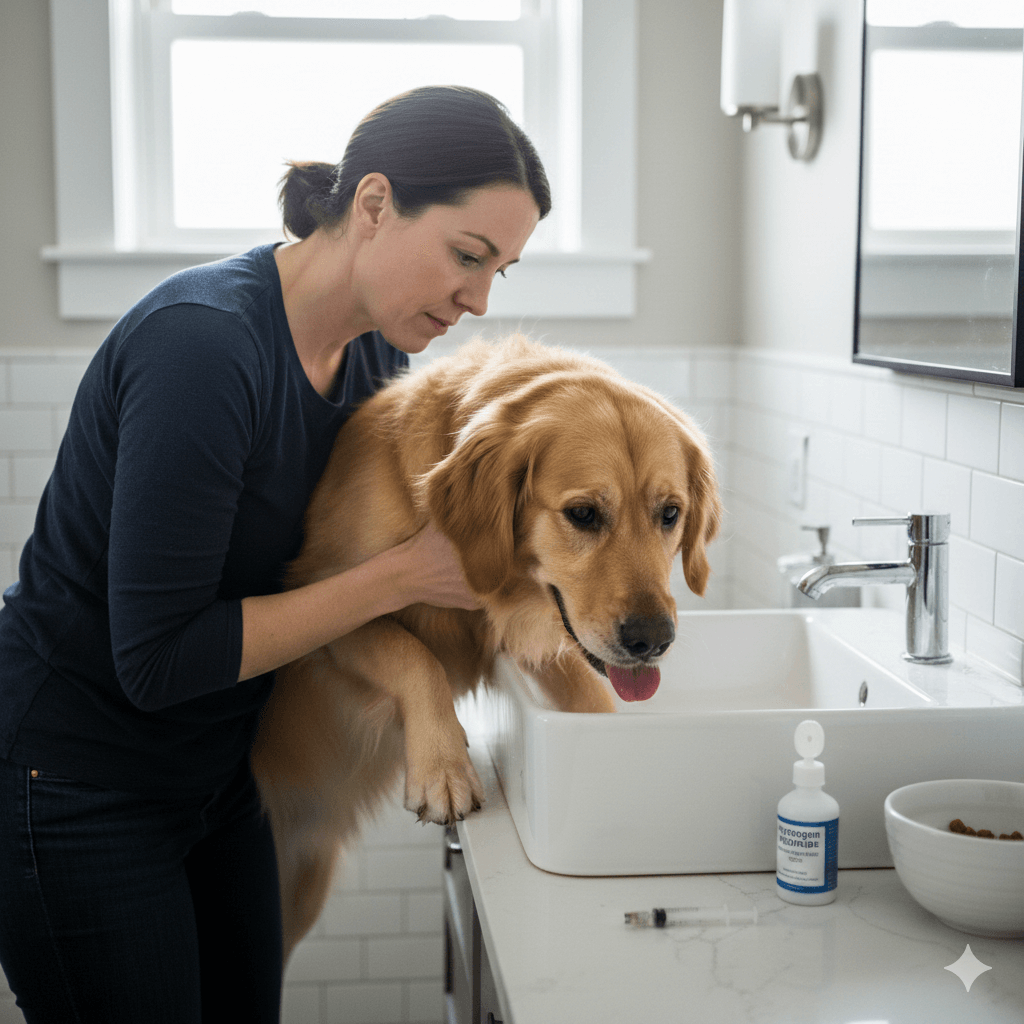

Understanding How to Force a Dog to Throw Up: Best 7 Expert Tips!
If your dog just swallowed something dangerous—like a toxic plant, medication, or a choking hazard—inducing vomiting might seem like the fastest solution. But it’s not always safe or appropriate, and doing it incorrectly can cause more harm than good. Knowing when and how to make a dog throw up requires caution, timing, and professional guidance. In this guide, we’ll walk you through expert-backed steps, critical warnings, and safer alternatives so you can act wisely in an emergency. Never act alone—always call your vet or a pet poison helpline first.
When Inducing Vomiting Is (and Isn’t) Safe
Not every ingestion calls for vomiting—and sometimes, forcing it can worsen the situation. Veterinarians assess the substance, time elapsed, and your dog’s condition before recommending action. Here’s what determines whether emesis is appropriate:
- Ingested Toxin Within 2 Hours:
Vomiting is most effective if the substance was swallowed less than two hours ago, before it moves into the intestines. - Non-Corrosive, Non-Petroleum Substance:
Never induce vomiting if your dog ate bleach, battery acid, gasoline, or oil-based products—they can burn the esophagus on the way back up. - Dog Is Fully Conscious and Alert:
A lethargic, seizuring, or unconscious dog shouldn’t be made to vomit due to aspiration risk (inhaling vomit into the lungs). - No Sharp or Large Foreign Objects:
Items like bones, needles, or toys may cause internal damage if forced back through the throat or esophagus. - No Preexisting Conditions:
Dogs with heart disease, brachycephalic anatomy (like Bulldogs), or megaesophagus are at higher risk during forced emesis.
When in doubt, always contact a vet or the ASPCA Animal Poison Control Center first—never assume vomiting is the right move.
Common (But Risky) Home Methods to Avoid
Many pet owners turn to household remedies, but some are dangerous or ineffective. These outdated or hazardous approaches should never be used:
- Using Fingers or Foreign Objects:
Sticking fingers, spoons, or tools down your dog’s throat can cause gagging, panic, or physical injury to the airway. - Giving Salt:
Salt poisoning (hypernatremia) can result from even small amounts, leading to seizures, brain swelling, or death—especially in small dogs. - Baking Soda or Mustard:
These irritants are unpredictable and can cause electrolyte imbalances, stomach rupture, or neurological issues. - Hydrogen Peroxide Without Guidance:
While sometimes used under vet direction, improper dosing or repeated use can cause ulcers, foaming, or aspiration pneumonia. - Syrup of Ipecac:
Once used in humans, it’s toxic to dogs and can cause prolonged vomiting, heart issues, or muscle weakness.
Stick to vet-approved protocols only—home “hacks” often do more harm than good in emergency toxin cases.
Check this guide 👉Dog Throwing Up Orange Liquid: Best 7 Health Tips!
Check this guide 👉Understanding Dog Throwing Up on Antibiotics: Best 7 Tips!
Check this guide 👉Dog Throwing Up Blood Clots: Best 7 Health Tips!
Safe Practices | Dangerous Myths to Avoid |
|---|---|
Calling vet or poison control first | Using fingers to trigger gag reflex |
Using 3% hydrogen peroxide only if instructed | Giving table salt to induce vomiting |
Confirming time and substance ingested | Administering ipecac syrup |
Monitoring for breathing or collapse | Using mustard or baking soda |
Having a pet first-aid plan ready | Repeating emesis attempts without guidance |
Step-by-Step: What to Do If Your Dog Ingests Toxins
Immediate, calm action saves lives—but only if done correctly. Follow this vet-aligned sequence when facing a potential poisoning:
- Identify the Substance:
Note the exact name, amount, and time of ingestion (e.g., “200mg ibuprofen, 30 minutes ago”). Keep packaging if possible. - Call a Professional Immediately:
Contact your veterinarian, emergency clinic, or ASPCA Poison Control (888-426-4435) before doing anything else. - Follow Exact Dosage Instructions:
If advised to use 3% hydrogen peroxide, give 1 teaspoon (5ml) per 10 lbs of body weight, max 3 tablespoons total—never undiluted or repeated without approval. - Administer Safely:
Use a syringe or turkey baster to deliver it to the back of the tongue, then gently walk your dog to stimulate stomach movement. - Monitor Closely After Vomiting:
Collect a sample of the vomit for analysis, watch for breathing changes, and head to the vet even if vomiting occurs.
Most importantly: never act on internet advice alone—every toxin and dog is different.
When NOT to Induce Vomiting—Critical Exceptions
Certain scenarios make vomiting not just unhelpful, but life-threatening. Knowing these red flags could prevent a medical crisis:
- Ingestion of Caustic Chemicals:
Bleach, drain cleaners, or rust removers can cause severe burns if vomited—neutralization or dilution is safer. - Hydrocarbon Exposure:
Gasoline, kerosene, or paint thinner inhalation risk skyrockets if vomiting occurs due to aspiration pneumonia. - Dog Is Unconscious or Seizing:
Compromised airway reflexes mean vomit could enter the lungs, leading to fatal pneumonia. - Over Two Hours Have Passed:
The toxin is likely already absorbed—vomiting won’t help and may delay proper treatment like activated charcoal. - Known or Suspected Bowel Obstruction:
Vomiting could increase pressure and risk perforation if a foreign body is stuck.
In these cases, rushing to the vet for gastric lavage, endoscopy, or supportive care is the only safe path.
Safer Alternatives to Inducing Vomiting
Modern veterinary toxicology often uses better methods than vomiting, especially beyond the first hour:
- Activated Charcoal:
Given orally, it binds toxins in the gut, preventing absorption—often more effective than vomiting after 60 minutes. - Gastric Lavage (Stomach Pumping):
Performed under anesthesia in-clinic, this safely removes contents even hours later in critical cases. - Endoscopic Retrieval:
For foreign objects or slow-digesting pills, vets can remove items directly using a camera-guided scope. - IV Fluids and Antidotes:
Many toxins are managed with supportive care and specific reversal agents (e.g., vitamin K for rat poison). - Observation and Blood Monitoring:
For non-lethal ingestions, watching liver/kidney values over 24–72 hours may be the best approach.
These methods are controlled, reduce complications, and are tailored to your dog’s exact needs.
Preventing Future Emergencies: Proactive Safety Tips
The best “treatment” is prevention. Reduce accidental ingestion risks with these household habits:
- Store Toxins Out of Reach:
Keep medications, cleaning supplies, and chemicals in locked cabinets—not just on high shelves (dogs can jump!). - Use Pet-Safe Plants Only:
Lilies, sago palms, and tulips are highly toxic—replace them with dog-friendly greenery like marigolds or snapdragons. - Supervise Outdoor Time:
Prevent scavenging in yards, parks, or trails where mushrooms, dead animals, or antifreeze may be present. - Keep Emergency Numbers Handy:
Save your vet, ER clinic, and ASPCA Poison Control (888-426-4435) in your phone and on your fridge. - Have a Pet First-Aid Kit:
Include 3% hydrogen peroxide (unopened, not expired), a syringe, gloves, and a vomit sample container—but only use with vet approval.
Preparedness turns panic into purposeful action when seconds count.
Special Considerations for Puppies, Small Breeds, and Senior Dogs
Vulnerable dogs need extra caution—due to size, age, or physiology, vomiting carries higher risks:
- Toy and Small Breeds:
Their tiny stomachs mean even small peroxide doses can cause ulcers or electrolyte crashes—precision is critical. - Puppies Under 6 Months:
Immature organs process toxins poorly, and their airways are easily overwhelmed—always seek immediate care. - Brachycephalic Breeds (Pugs, Bulldogs, etc.):
Their elongated soft palates and narrow airways increase aspiration risk during vomiting attempts. - Senior Dogs:
Underlying heart, kidney, or neurological issues make emesis potentially dangerous without full assessment. - Dogs with History of GI Ulcers or Seizures:
Vomiting can trigger relapse or worsen existing conditions—never proceed without vet clearance.
For these groups, emergency veterinary care is almost always safer than home intervention.
“Inducing vomiting should always be done under the guidance of a veterinary professional. Making a dog vomit is a veterinary procedure that comes with potentially life-threatening risks if done incorrectly.”
— Veronica Higgs, DVM
Frequently Asked Questions About Forcing a Dog to Throw Up
Can I use hydrogen peroxide more than once?
Only if explicitly instructed by a vet—repeated use can cause severe stomach irritation, foaming, or collapse.
What if my dog doesn’t vomit after peroxide?
Do NOT re-dose. Go to the vet immediately—some dogs don’t respond, and the toxin may still be active.
Is it ever okay to induce vomiting without calling a vet?
No. Even if you’ve done it before, each ingestion is different—professional guidance is non-negotiable.
How long does it take for peroxide to work?
Typically 10–15 minutes. If no vomiting occurs by 20 minutes, stop and seek emergency care.
Can activated charcoal replace vomiting?
Often, yes—especially after the first hour. It’s safer and more effective for many toxins, but still requires vet direction.
Empowering You to Act Wisely in an Emergency
Facing a poisoning scare is terrifying—but your calm, informed response can be your dog’s lifeline. While the instinct to “make them throw up” is natural, true care means knowing when not to act as much as when to. By relying on veterinary guidance, avoiding dangerous myths, and preparing ahead of time, you transform fear into effective action. Remember: your dog’s safety doesn’t depend on speed alone, but on smart, science-backed decisions. Keep those emergency numbers close, trust the professionals, and never let panic override protocol. In the end, your greatest tool isn’t peroxide—it’s your judgment, guided by love and knowledge.
Is Rawhide Bad for Cats? Best 7 Expert Tips! – Discover the risks, safe alternatives, and expert advice to keep your feline friend healthy and happy.

Is Rawhide Bad for Dogs? Best 7 Expert Tips! – Discover the risks, benefits, and safer alternatives to rawhides for your dog’s chewing needs.

Understanding Anorexia in Cats: Best 7 Expert Tips! – Learn why cats stop eating, spot warning signs, and discover how to help your feline regain appetite safely.

Understanding Anorexia in Dogs: Best 7 Expert Tips! – Learn causes, symptoms, and solutions to help your dog regain appetite and stay healthy.