
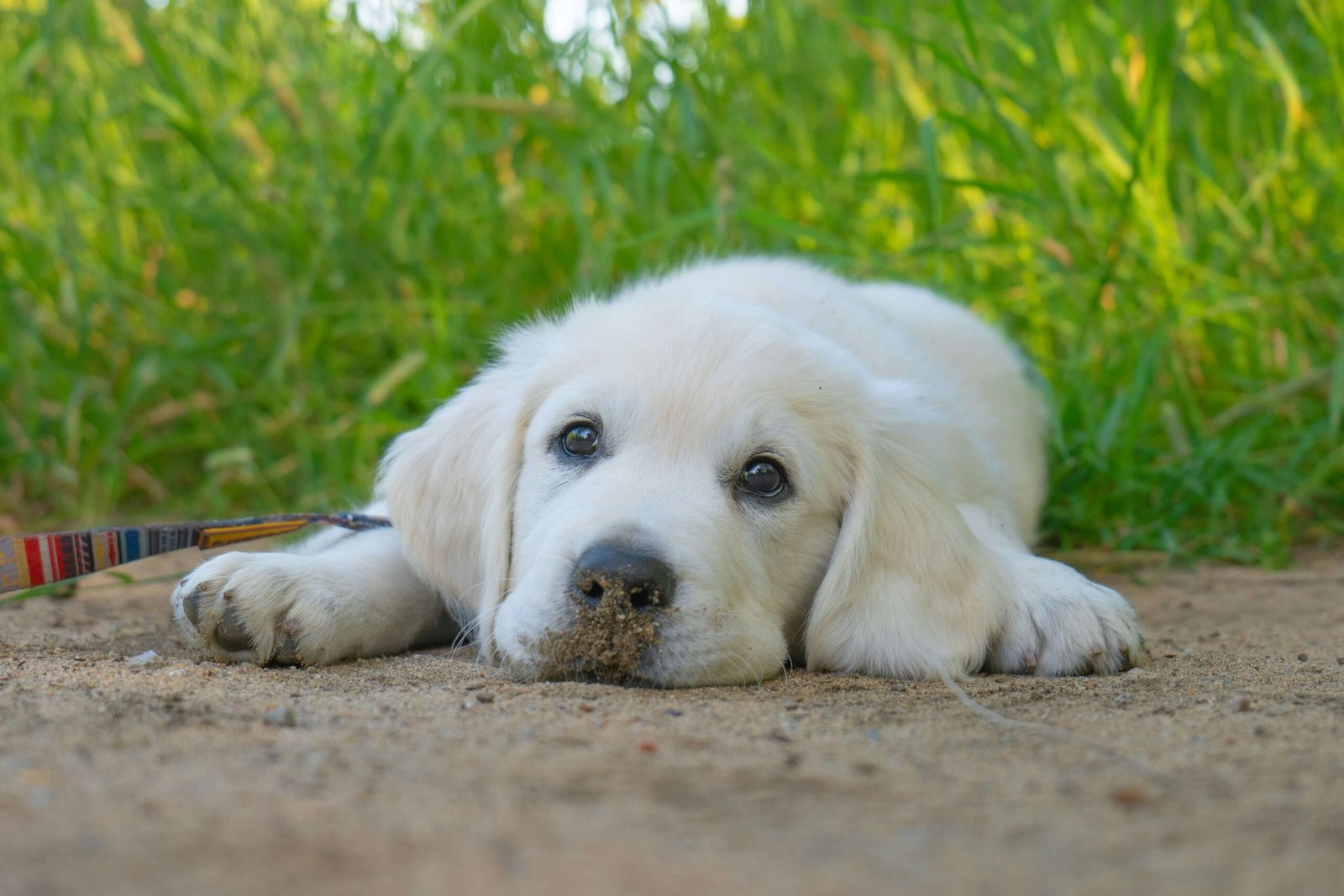


How to Discipline a Puppy: Best 7 Expert Tips!

How to Discipline a Puppy: Best 7 Expert Tips!

How to Discipline a Puppy: Building a Strong Foundation for Good Behavior


Bringing a puppy into your home is an exciting and joyful experience, but it also comes with its fair share of challenges. One of the most important aspects of raising a well-behaved dog is learning how to discipline a puppy effectively. Discipline doesn’t mean punishment—it’s about teaching your puppy what behaviors are acceptable and guiding them toward becoming a happy, obedient companion. With patience, consistency, and positive reinforcement, you can set clear boundaries while strengthening the bond between you and your furry friend. In this blog post, we’ll explore expert tips and strategies to help you discipline your puppy in a way that’s both effective and kind.


Essential Principles of Puppy Discipline


Disciplining a puppy requires understanding their needs and limitations. By following a few key principles, you can create a structured environment that promotes good behavior. Here are some foundational guidelines to keep in mind:

 
  • Start Early : Begin training and discipline as soon as you bring your puppy home to establish consistent routines.

  • Be Consistent : Use the same commands and rules every time to avoid confusing your puppy.

  • Use Positive Reinforcement : Reward good behavior with treats, praise, or playtime to encourage repetition.

  • Avoid Physical Punishment : Never hit or yell at your puppy, as this can lead to fear and mistrust.

  • Set Clear Boundaries : Define what areas and behaviors are off-limits from the beginning.


By adhering to these principles, you’ll lay the groundwork for a harmonious relationship with your puppy, ensuring they grow into a well-mannered adult dog.

Effective Techniques for Disciplining Your Puppy


When it comes to disciplining a puppy, certain techniques have proven to be highly effective. These methods focus on teaching rather than punishing, helping your puppy learn in a supportive environment.

 
  • Redirect Unwanted Behavior : If your puppy chews on furniture, redirect them to a chew toy instead of scolding them.

  • Time-Outs : Place your puppy in a quiet space for a short period if they exhibit overly excitable or aggressive behavior.

  • Ignore Attention-Seeking Actions : If your puppy barks or whines for attention, wait until they’re calm before engaging with them.

  • Crate Training : Use a crate as a safe space to teach your puppy self-control and prevent destructive behavior.

  • Short Training Sessions : Keep discipline and training sessions brief (5-10 minutes) to match your puppy’s attention span.


These techniques not only help correct unwanted behaviors but also foster trust and respect between you and your puppy.

How to Discipline a Puppy: Best 7 Expert Tips!
Technique
Purpose
Redirect Unwanted Behavior
Encourages appropriate chewing habits
Time-Outs
Calms overexcited or aggressive pups
Ignore Attention-Seeking
Reduces excessive barking or whining
Crate Training
Teaches self-control and safety
Short Training Sessions
Keeps puppies engaged and focused

Common Mistakes to Avoid When Disciplining a Puppy


Even well-meaning pet owners can make mistakes when disciplining their puppies. Being aware of these pitfalls can help you avoid setbacks in training and strengthen your bond with your pup.

 
  • Inconsistent Rules : Changing rules or allowing exceptions can confuse your puppy and hinder progress.

  • Overusing Treats : Relying too heavily on treats can make your puppy dependent on food rewards.

  • Reacting Emotionally : Getting frustrated or yelling can damage your relationship and create fear.

  • Skipping Socialization : Failing to expose your puppy to new experiences can lead to anxiety and behavioral issues.

  • Neglecting Playtime : Forgetting to balance discipline with fun can make training feel like a chore for your puppy.


By avoiding these common mistakes, you can ensure your puppy’s training remains positive, productive, and enjoyable for both of you.

Signs Your Puppy Is Responding to Discipline


It’s important to recognize when your efforts to discipline your puppy are paying off. Positive changes in behavior indicate that your training methods are effective.

 
  • Improved Focus : Your puppy pays attention to you during training sessions and follows commands more reliably.

  • Reduced Chewing : They begin to chew on toys instead of furniture or shoes.

  • Calmer Demeanor : Your puppy shows less excitability and settles down more easily after playtime.

  • Better Recall : They come when called, even in distracting environments.

  • Increased Confidence : Your puppy explores new situations without fear, thanks to consistent guidance.


These signs are proof that your hard work is paying off, and your puppy is growing into a well-adjusted and obedient companion.

Fun Ways to Reinforce Good Behavior in Your Puppy


Disciplining a puppy doesn’t have to be all about rules and corrections. Incorporating fun activities into their training can make learning more enjoyable for both you and your pup. Here are some creative ways to reinforce good behavior:

 
  • Play Hide-and-Seek : Use treats or toys to play hide-and-seek, rewarding your puppy for finding you and reinforcing recall commands.

  • Teach Tricks : Teach simple tricks like “sit,” “shake,” or “spin” to engage your puppy’s mind while rewarding obedience.

  • Use Puzzle Toys : Puzzle toys challenge your puppy’s problem-solving skills and reward them with treats for good behavior.

  • Go on Adventure Walks : Take your puppy to new places and reward calm behavior in unfamiliar environments.

  • Incorporate Fetch Games : Use fetch games to teach impulse control, such as waiting for permission before retrieving the toy.


By making discipline fun and interactive, you’ll create positive associations that encourage your puppy to behave well while strengthening your bond.

How to Handle Specific Behavioral Challenges


Every puppy is unique, and some behaviors may require tailored approaches. Here’s how to address common behavioral challenges effectively:

 
  • Jumping on People : Teach your puppy to sit for greetings instead of jumping by rewarding calm behavior when visitors arrive.

  • Barking Excessively : Identify the cause of barking (e.g., boredom or anxiety) and redirect their attention to a toy or activity.

  • Digging in the Yard : Provide a designated digging area and reward your puppy for using it instead of punishing unwanted digging.

  • Stealing Items : Train a “drop it” or “leave it” command to prevent your puppy from grabbing shoes, socks, or other household items.

  • Pulling on the Leash : Stop walking whenever your puppy pulls, resuming only when they return to your side, to teach loose-leash walking.


With patience and consistency, these strategies can help you tackle specific challenges and guide your puppy toward better behavior.

Signs Your Puppy Needs Professional Help


While most puppies respond well to basic training and discipline, some may require professional guidance. Recognizing these signs early can prevent small issues from becoming major problems.

 
  • Aggression Toward People or Animals : Growling, snapping, or biting requires immediate attention from a professional trainer or behaviorist.

  • Excessive Fearfulness : If your puppy is overly fearful or anxious in everyday situations, they may benefit from specialized training.

  • Persistent House Training Issues : Difficulty with potty training beyond 6 months of age could indicate underlying problems.

  • Ignoring Commands Consistently : If your puppy consistently ignores basic commands despite consistent training, it may be time to seek help.

  • Destructive Behavior : Excessive chewing, digging, or destroying furniture could signal boredom, anxiety, or lack of mental stimulation.


If you notice any of these signs, consulting a professional can provide tailored solutions to ensure your puppy grows into a confident and well-behaved adult dog.

Frequently Asked Questions About How to Discipline a Puppy

 
At what age should I start disciplining my puppy?

You can begin basic training and discipline as early as 8 weeks old, focusing on simple commands and routines.

A clicker can be a helpful tool for marking good behavior, but it’s not mandatory. Consistency is more important than the method.

Be patient and reassess your approach. Ensure you’re using positive reinforcement and keeping training sessions short and engaging.

Redirect biting to appropriate chew toys and use a firm “no” when they bite skin or clothing.

Yes, over-disciplining can lead to fear or resentment. Balance discipline with love, play, and positive reinforcement.

Building a Lifelong Bond Through Discipline


Learning how to discipline a puppy is an essential part of raising a happy, healthy, and well-behaved dog. While the process requires patience and consistency, the rewards are immeasurable. By focusing on positive reinforcement, setting clear boundaries, and avoiding common mistakes, you can guide your puppy toward becoming a loyal and loving companion. Remember, discipline is not about punishment—it’s about teaching and nurturing. With time, effort, and plenty of affection, you’ll build a lifelong bond that enriches both your life and your puppy’s.

 
Is Rawhide Bad for Cats? Best 7 Expert Tips!

Is Rawhide Bad for Cats? Best 7 Expert Tips! – Discover the risks, safe alternatives, and expert advice to keep your feline friend healthy and happy.

Is Rawhide Bad for Dogs? Best 7 Expert Tips!

Is Rawhide Bad for Dogs? Best 7 Expert Tips! – Discover the risks, benefits, and safer alternatives to rawhides for your dog’s chewing needs.

Understanding Anorexia in Cats: Best 7 Expert Tips!

Understanding Anorexia in Cats: Best 7 Expert Tips! – Learn why cats stop eating, spot warning signs, and discover how to help your feline regain appetite safely.

Understanding Anorexia in Dogs: Best 7 Expert Tips!

Understanding Anorexia in Dogs: Best 7 Expert Tips! – Learn causes, symptoms, and solutions to help your dog regain appetite and stay healthy.

Leave a Reply

Your email address will not be published. Required fields are marked *