
How to Desensitize a Dog: A Gentle Path to Confidence
Understanding Desensitization for Dogs
- What Is Desensitization?
Desensitization involves exposing your dog to low-intensity versions of their trigger, ensuring they remain calm and unstressed during the process. - Why Is It Effective?
This method works because it allows your dog to process the stimulus without feeling overwhelmed, creating new, positive associations. - How Long Does It Take?
The duration varies depending on the severity of the fear, the dog’s temperament, and the consistency of training—progress can take weeks to months. - Pairing with Counterconditioning:
Desensitization is often combined with counterconditioning, where treats or rewards are given to create positive emotional responses. - Common Misconceptions:
Many owners mistakenly rush the process, exposing their dog to high-intensity triggers too soon, which can worsen anxiety rather than alleviate it.
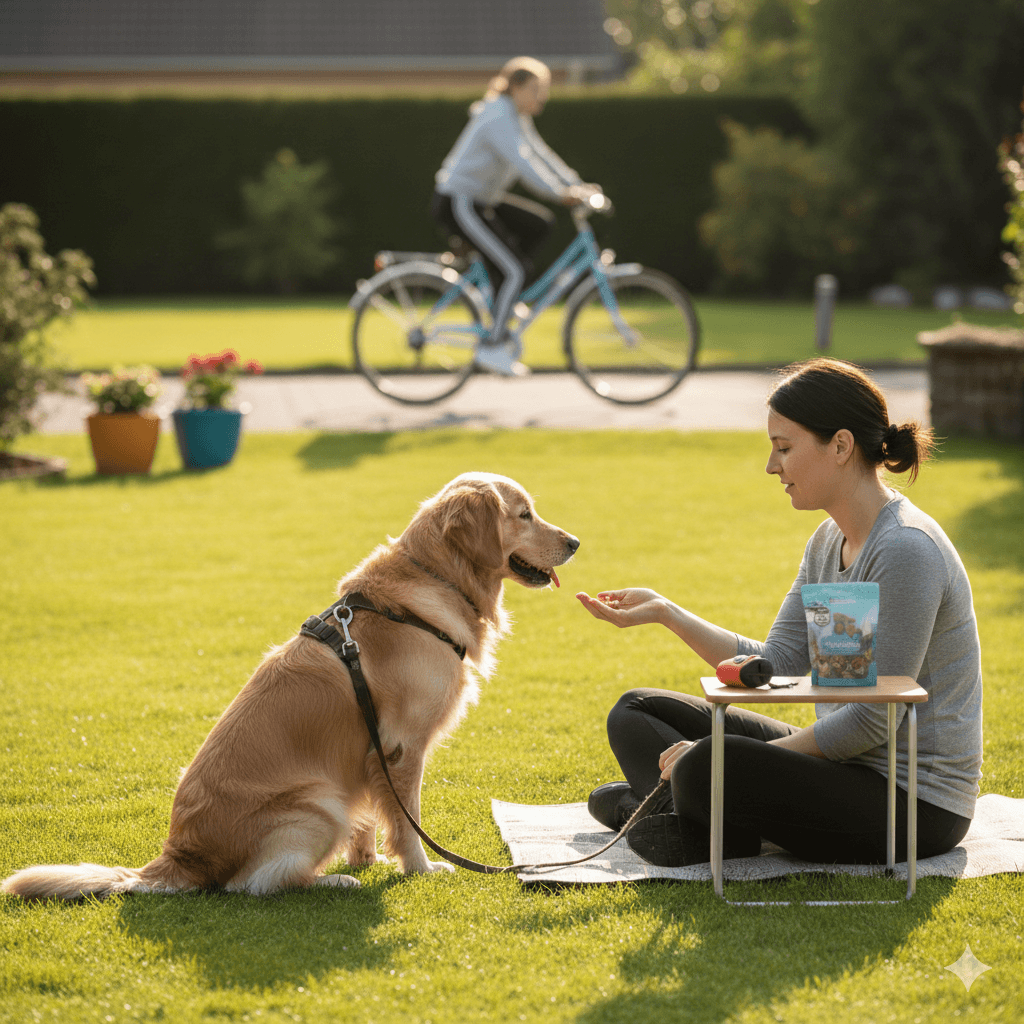
Identifying Triggers for Your Dog’s Anxiety
- Noise Phobias:
Loud noises like thunderstorms, fireworks, or vacuum cleaners are common triggers for many dogs, leading to panic or hiding behaviors. - Fear of Strangers:
Some dogs react fearfully to unfamiliar people due to lack of socialization or past negative experiences. - Environmental Changes:
Moving homes, traveling, or encountering new environments can overwhelm sensitive dogs and provoke stress responses. - Specific Objects or Situations:
Items like umbrellas, hats, bicycles, or even car rides may trigger anxiety in certain dogs. - Body Language Cues:
Look for signs like cowering, panting, excessive barking, or attempts to escape when identifying your dog’s triggers.
Check this guide 👉Intensive Dog Training: Best 7 Expert Tips!
Check this guide 👉Advanced Dog Training: Best 7 Expert Tips!
Check this guide 👉Mobility Service Dog Training: Best 7 Expert Tips!
Essential Tools | Benefits |
|---|---|
High-value treats (chicken, cheese, etc.) | Reinforces positive associations and motivates your dog during training sessions. |
Calming supplements or sprays | Reduces baseline anxiety, making it easier to focus on desensitization exercises. |
Sound playlists or recordings | Gradual exposure to triggering noises helps dogs build tolerance over time. |
Training clickers or markers | Provides clear communication, helping your dog understand desired behaviors instantly. |
Professional guidance (trainer/behaviorist) | Ensures proper technique and personalized strategies for complex cases. |
Step-by-Step Guide to Desensitization
- Start at a Safe Distance:
Begin far enough away from the trigger so your dog notices it but doesn’t react negatively; this is called the “sub-threshold” level. - Gradually Decrease Distance:
Slowly move closer to the trigger over multiple sessions, always monitoring your dog’s body language for signs of stress. - Use High-Value Treats:
Reward your dog generously with their favorite treats whenever they remain calm near the trigger, reinforcing positive associations. - Keep Sessions Short and Positive:
Limit each session to 5–10 minutes to prevent overwhelming your dog and end on a positive note every time. - Avoid Pushing Too Fast:
Rushing progress can undo all your hard work; patience is key to long-term success.
Common Mistakes to Avoid During Desensitization
- Exposing to Full-Intensity Triggers Too Soon:
Jumping straight into high-stress situations overwhelms your dog, reinforcing their fear instead of alleviating it. - Skipping Rewards or Reinforcement:
Failing to pair exposure with positive reinforcement weakens the association between the trigger and safety. - Inconsistent Training Schedules:
Irregular practice disrupts progress; consistency is essential for rewiring your dog’s emotional response. - Ignoring Body Language Signs:
Missing subtle cues like lip licking, yawning, or tail tucking can mean pushing your dog beyond their comfort zone unintentionally. - Expecting Immediate Results:
Behavioral changes take time; expecting overnight success leads to frustration for both you and your dog.
Tools and Resources to Support Desensitization
- High-Quality Treats:
Choose small, soft, and highly palatable treats that motivate your dog during training sessions. - Calming Aids:
Products like calming collars, sprays, or supplements containing melatonin or CBD oil can complement desensitization efforts. - Sound Playlists for Noise Phobias:
Graduated sound recordings of thunder, fireworks, or traffic help systematically expose your dog to triggering noises. - Professional Guidance:
Working with a certified trainer or behaviorist provides personalized advice and ensures proper technique application. - Training Clickers or Markers:
Using a clicker or verbal marker helps communicate precisely when your dog has done something right, reinforcing desired behaviors.
Addressing Challenges During Desensitization
- Plateaus in Progress:
Some dogs reach a point where improvement slows; varying exercises or increasing rewards can reignite momentum. - Unexpected Reactions:
Occasional spikes in anxiety happen; pause training, regroup, and resume at an easier level to rebuild confidence. - Multiple Triggers Present:
If your dog reacts to overlapping stimuli, focus on one trigger at a time before combining them in advanced stages. - Owner Frustration or Burnout:
Training takes patience; take breaks when needed to recharge and approach sessions with renewed energy. - Generalizing New Skills:
Once your dog masters a trigger in one setting, practice in different environments to solidify their newfound confidence.
Celebrating Success and Maintaining Progress
- Acknowledge Small Wins:
Reward yourself and your dog for incremental improvements, whether it’s staying calm near a trigger or completing a session successfully. - Maintain Regular Practice:
Even after significant progress, occasional refresher sessions prevent regression and reinforce learned behaviors. - Expand Exposure Gradually:
Introduce new scenarios or environments to test your dog’s adaptability while keeping challenges manageable. - Monitor for Relapses:
Stressful life events can cause temporary setbacks; address relapses promptly with gentle reminders of previous training. - Share Success Stories:
Documenting your journey inspires others facing similar challenges and highlights the power of consistent effort.
“Desensitization is a systematic process of slowly exposing a dog to the stressor, so slowly and so systematically that they never get upset.” – Kait Hembree
Frequently Asked Questions About Desensitizing a Dog
How long does it take to desensitize a dog?
The timeline varies depending on the dog’s personality, the severity of their fear, and consistency in training. Some dogs show improvement within weeks, while others may take months.
Can I desensitize my dog without professional help?
Yes, but working with a certified trainer or behaviorist ensures proper technique and faster progress, especially for complex cases.
What if my dog reacts negatively during training?
Pause the session immediately, move away from the trigger, and resume at a lower intensity to avoid reinforcing fear.
Do I need special tools for desensitization?
While not mandatory, tools like high-value treats, calming aids, or sound playlists can enhance the process significantly.
Can desensitization work for all fears?
Most fears can be addressed with desensitization, but severe cases like trauma may require additional therapies such as medication or advanced behavioral interventions.
A Journey Toward Trust and Confidence

Is Rawhide Bad for Cats? Best 7 Expert Tips! – Discover the risks, safe alternatives, and expert advice to keep your feline friend healthy and happy.

Is Rawhide Bad for Dogs? Best 7 Expert Tips! – Discover the risks, benefits, and safer alternatives to rawhides for your dog’s chewing needs.

Understanding Anorexia in Cats: Best 7 Expert Tips! – Learn why cats stop eating, spot warning signs, and discover how to help your feline regain appetite safely.

Understanding Anorexia in Dogs: Best 7 Expert Tips! – Learn causes, symptoms, and solutions to help your dog regain appetite and stay healthy.