
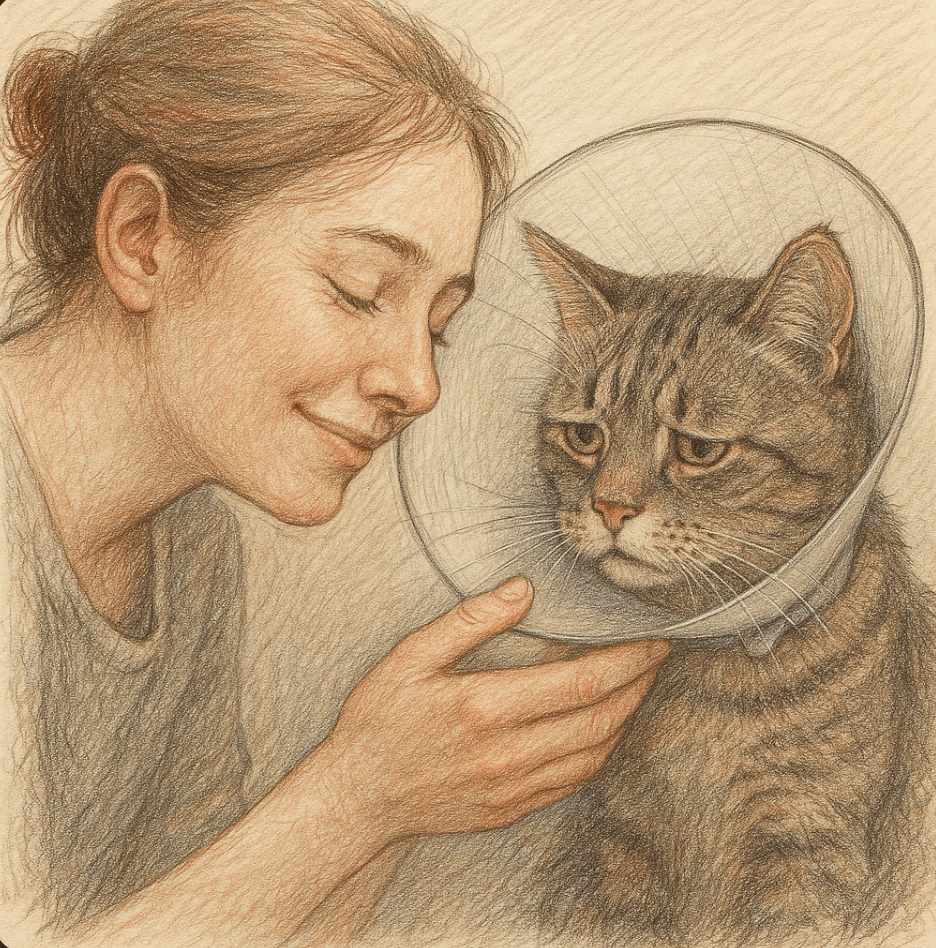

How to Cheer Up a Cat with a Cone
Cats are known for their independence and graceful demeanor, but seeing your feline friend wearing a cone can tug at your heartstrings. Whether it’s due to surgery, an injury, or skin issues, the cone—also called an Elizabethan collar—is essential for preventing them from licking or scratching wounds. However, many cats find wearing a cone frustrating or uncomfortable, which can leave them feeling down. If you’re wondering how to cheer up a cat with a cone, rest assured that there are plenty of ways to make this experience less stressful and even enjoyable for your furry companion. With patience, creativity, and a little extra love, you can help your cat adjust and stay happy during their recovery period.
Ways to Comfort Your Cat While Wearing a Cone
Helping your cat feel comfortable in their cone is crucial for reducing stress and ensuring they don’t try to remove it. Here are some practical tips to make the cone-wearing experience more bearable.
Create a Safe Space:
Set up a cozy area with soft bedding where your cat can retreat and relax without feeling restricted by the cone.Adjust the Fit of the Cone:
Ensure the cone isn’t too tight or loose. A poorly fitted cone can cause discomfort or allow your cat to reach their injury.Provide Extra Attention:
Spend quality time petting, talking to, or playing gently with your cat to reassure them that everything is okay.Use Calming Products:
Consider using pheromone sprays or diffusers to create a soothing environment that helps reduce anxiety.Offer Familiar Scents:
Place items like their favorite blanket or toy nearby to provide comfort through familiar smells.
By implementing these strategies, you can help your cat feel more secure and supported while adjusting to life with a cone.
Fun Activities to Keep Your Cat Entertained
Even with a cone, your cat can still enjoy playtime and mental stimulation. Engaging in activities tailored to their condition keeps boredom at bay and lifts their spirits.
Interactive Toys:
Use wand toys or laser pointers to encourage movement and exercise without requiring direct contact with their paws.Treat Balls or Puzzle Feeders:
These toys challenge your cat mentally and reward them with treats, keeping them entertained for longer periods.Window Perches:
Set up a comfy spot by a window so your cat can watch birds, squirrels, or passing cars—a great source of entertainment.Soft Playdates:
If your cat gets along with other pets, supervised interactions can boost their mood (just ensure the cone doesn’t pose a risk).Gentle Grooming Sessions:
Brushing your cat’s fur outside the cone-covered areas provides physical touch and bonding time.
With a bit of creativity, you can turn this challenging time into an opportunity for fun and connection.
Check this guide 👉How to Make a Cat Cone: Best 7 Expert Tips!
Check this guide 👉Cat Prosthetic Leg: Best 7 Expert Tips!
Tips for Adjusting to a Cone | Common Challenges and Solutions |
|---|---|
Create a safe and quiet space | Cat tries to remove the cone → Secure fit |
Offer calming scents and products | Difficulty eating → Elevated food bowls |
Provide interactive toys | Limited mobility → Clear pathways |
Spend extra time bonding | Anxiety or stress → Pheromone therapy |
Monitor for signs of discomfort | Overheating → Lightweight materials |
Making Mealtime Easier for Your Cat
Eating with a cone can be awkward and frustrating for cats, especially if their food or water bowls aren’t easily accessible. These adjustments can simplify mealtime and prevent added stress.
Elevate Food Bowls:
Place food and water dishes on raised platforms to make them easier to reach without bumping the cone.Switch to Wet Food Temporarily:
Wet food is often easier for cats with cones to eat compared to dry kibble, as it requires less precision.Use Shallow Dishes:
Wide, shallow bowls reduce the chance of the cone knocking over food or water.Monitor Eating Habits:
Observe whether your cat is struggling to eat and consult your vet if appetite decreases significantly.Offer Treats as Motivation:
Small, easy-to-eat treats can encourage your cat to continue trying despite the cone’s limitations.
These small changes can make a big difference in ensuring your cat stays nourished and content during recovery.
Signs Your Cat Is Adjusting Well to the Cone
Recognizing positive behaviors and signs of adaptation helps you gauge how well your cat is coping with their new accessory. Look out for these indicators of progress.
Increased Activity Levels:
If your cat starts moving around more confidently, it shows they’re becoming accustomed to the cone.Normal Eating Patterns:
Returning to regular eating habits indicates that the cone isn’t interfering too much with their daily routine.Engagement with Toys:
Playing with toys or interacting with family members signals improved mood and adjustment.Less Resistance During Sleep:
Cats who sleep comfortably without constantly pawing at the cone are likely feeling more at ease.Relaxed Body Language:
Relaxed ears, calm tail movements, and purring suggest your cat feels safe and content.
Noticing these signs reassures you that your efforts to cheer up your cat are paying off.
Alternative Cone Options
If your cat struggles with a traditional plastic cone, exploring alternative designs might improve their comfort and happiness. These alternatives cater to different needs and preferences.
Inflatable Collars:
Resembling a travel pillow, inflatable collars restrict movement without obstructing vision or hearing.Soft Fabric Cones:
Made from flexible materials, these cones are lighter and less rigid than plastic versions.Recovery Suits:
Bodysuits cover wounds and prevent licking while allowing freedom of movement.Customizable Collars:
Adjustable collars offer a snug fit and can be tailored to suit your cat’s size and condition.Neck Braces:
Designed specifically for certain injuries, neck braces limit mobility without fully encircling the head.
Trying out these options ensures your cat remains comfortable and compliant during recovery.
Signs Your Cat Needs Veterinary Attention
While cones are generally safe, there are instances where professional intervention may be necessary. Watch for these warning signs to ensure your cat’s health isn’t compromised.
Excessive Pawing at the Cone:
Persistent attempts to remove the cone could indicate discomfort or improper fitting.Decreased Appetite or Hydration:
Refusal to eat or drink suggests the cone may be hindering access to food and water.Lethargy or Withdrawal:
Uncharacteristic lack of energy or hiding behavior may signal pain or distress.Redness or Irritation Around the Neck:
Skin irritation caused by the cone’s edges requires immediate attention.Behavioral Changes:
Aggression, vocalization, or unusual clinginess may point to underlying issues.
Addressing these signs promptly ensures your cat remains safe and comfortable throughout their recovery.
Bonding Opportunities During Recovery
A cat’s recovery period presents unique opportunities to deepen your bond and show them extra care. These moments of connection foster trust and affection.
Gentle Massage Sessions:
Focus on areas not covered by the cone, such as their back or shoulders, to provide soothing touch.Quiet Time Together:
Sit quietly near your cat, reading or simply being present, to offer companionship without overwhelming them.Positive Reinforcement:
Reward calm behavior with praise or treats to reinforce their cooperation with wearing the cone.Storytelling or Music:
Calmly speaking or playing soft music creates a peaceful atmosphere, helping your cat relax.Shared Nap Times:
Resting near your cat reinforces security and reminds them they’re not alone.
These bonding experiences not only cheer up your cat but also strengthen your relationship during this challenging time.
Frequently Asked Questions About Helping a Cat with a Cone
How long does my cat need to wear the cone?
The duration depends on your veterinarian’s advice, typically ranging from a few days to several weeks based on healing progress.
Can I remove the cone temporarily?
Only under supervision and if recommended by your vet. Removing it unsupervised risks reopening wounds or causing harm.
What if my cat hates the plastic cone?
Alternatives like inflatable collars or soft fabric cones may be available; ask your vet about options.
Should I change my cat’s routine?
Maintain consistency but adapt activities to accommodate the cone, such as modifying play or feeding setups.
How do I stop my cat from bumping into things?
Clear clutter, widen pathways, and supervise movement until they grow accustomed to navigating with the cone.
Supporting Your Cat Through Recovery
Cheering up a cat with a cone requires understanding, patience, and a willingness to adapt. By creating a comforting environment, engaging in playful activities, and making thoughtful adjustments to their daily routine, you can ease their frustration and brighten their spirits. Remember, this phase is temporary, and your care plays a vital role in helping your cat recover fully. With love and creativity, you’ll not only get through this challenging time together but also strengthen the bond between you and your resilient feline friend.
Is Rawhide Bad for Cats? Best 7 Expert Tips! – Discover the risks, safe alternatives, and expert advice to keep your feline friend healthy and happy.

Is Rawhide Bad for Dogs? Best 7 Expert Tips! – Discover the risks, benefits, and safer alternatives to rawhides for your dog’s chewing needs.

Understanding Anorexia in Cats: Best 7 Expert Tips! – Learn why cats stop eating, spot warning signs, and discover how to help your feline regain appetite safely.

Understanding Anorexia in Dogs: Best 7 Expert Tips! – Learn causes, symptoms, and solutions to help your dog regain appetite and stay healthy.