
How to Check Your Dog for a Fever: A Simple Guide
Common Signs Your Dog May Have a Fever
- Excessive Panting or Rapid Breathing:
Dogs regulate their body temperature through panting, but unusually heavy or rapid breathing may indicate overheating or fever. This behavior is especially noticeable if it occurs indoors or during cooler weather. - Lethargy and Reduced Activity Levels:
A fever often leaves dogs feeling weak or uninterested in their usual activities. If your normally energetic pup suddenly seems reluctant to play or move around, it could be a sign of illness. - Loss of Appetite or Refusal to Eat:
Feverish dogs frequently lose interest in food, even treats they typically love. This protective mechanism helps conserve energy for fighting off infections or other underlying issues. - Warm Ears or Dry Nose:
While not definitive indicators on their own, warm ears or a dry, cracked nose may suggest an elevated temperature. Gently touch your dog’s ears and nose to assess warmth compared to their usual state. - Shivering or Muscle Tremors:
Some dogs develop shivers or tremors when running a fever, similar to how humans react to chills during illness. These involuntary movements are often accompanied by restlessness or discomfort.

How to Take Your Dog’s Temperature Accurately
- Use a Digital Rectal Thermometer:
Digital thermometers provide quick, precise readings and are safer than mercury-based alternatives. Choose one specifically designed for pets to avoid cross-contamination. - Prepare the Environment:
Ensure your dog feels calm and secure before starting. A quiet room with minimal distractions helps reduce anxiety during the process. - Apply Lubricant to the Thermometer Tip:
Pet-safe lubricants ease insertion and prevent discomfort. Never force the thermometer; gentle handling prevents injury or fear. - Position Your Dog Safely:
For small dogs, place them on a stable surface like a table. Larger dogs can remain standing or lying down, depending on what keeps them calmest. - Insert the Thermometer Carefully:
Gently lift your dog’s tail and insert the thermometer about 1–2 inches into the rectum. Hold it steady until the reading completes, then clean thoroughly after use.
Check this guide 👉Medicine for Dog Fever: Best 7 Expert Tips!
Check this guide 👉Can I Give My Dog Aspirin for Fever? Best 7 Expert Tips!
Check this guide 👉Valley Fever in Dogs: Best 7 Expert Tips!
Early Warning Signs of Fever | Immediate Actions to Take |
|---|---|
Excessive panting or rapid breathing | Call your vet or monitor closely for worsening symptoms |
Lethargy or refusal to move | Provide a cool, quiet space for rest and hydration |
Loss of appetite or refusal to eat | Offer bland food or water to encourage intake |
Warm ears or dry nose | Check temperature with a digital rectal thermometer |
Shivering or muscle tremors | Avoid forcing activity; keep your dog calm and comfortable |
Causes of Fever in Dogs
- Bacterial Infections:
Conditions like urinary tract infections, pneumonia, or abscesses trigger fevers as the body fights invading bacteria. Antibiotics are often required to resolve these issues. - Viral Diseases:
Illnesses such as parvovirus, distemper, or canine influenza commonly cause high fevers alongside respiratory or gastrointestinal symptoms. Vaccinations help prevent many viral infections. - Tick-Borne Illnesses:
Lyme disease, ehrlichiosis, and Rocky Mountain spotted fever spread through tick bites, leading to persistent fevers and joint pain. Preventative tick treatments reduce risks significantly. - Immune-Mediated Disorders:
Autoimmune diseases like lupus or hemolytic anemia provoke systemic inflammation, resulting in recurrent or chronic fevers. Immunosuppressive medications may be necessary. - Environmental Factors:
Overheating due to hot weather or excessive exercise raises body temperature temporarily. Ensure access to shade, water, and rest to avoid heatstroke.
What to Do If Your Dog Has a Fever
- Encourage Hydration:
Offer fresh water frequently to combat dehydration caused by fever. Electrolyte solutions formulated for pets may also help replenish lost nutrients. - Provide a Cool Environment:
Lower ambient temperatures by using fans, air conditioning, or damp towels placed gently on your dog’s body. Avoid ice packs, which can shock the system. - Monitor Closely for Changes:
Track symptoms hourly, noting improvements or worsening conditions. Keep a log to share with your veterinarian during consultations. - Administer Medication Only Under Vet Guidance:
Never give human fever reducers like ibuprofen or acetaminophen; these are toxic to dogs. Ask your vet about safe alternatives like meloxicam or carprofen. - Seek Veterinary Attention Promptly:
Persistent fevers lasting more than 24 hours require professional evaluation to rule out serious illnesses or complications.
When to Worry About Your Dog’s Fever
- Temperatures Above 104°F (40°C):
High-grade fevers increase the risk of organ damage, seizures, or heatstroke. Immediate cooling measures and vet care are essential. - Signs of Dehydration:
Dry gums, sunken eyes, or skin that tents when pinched indicate severe fluid loss requiring IV hydration therapy. - Prolonged Fever Beyond 48 Hours:
Fevers lasting longer than two days without improvement suggest unresolved infections or systemic issues needing advanced diagnostics. - Collapse or Seizures:
Sudden weakness, inability to stand, or seizure activity signals neurological distress linked to extreme fever. Rush to an emergency clinic immediately. - Blood in Stool or Vomit:
Internal bleeding or severe gastrointestinal upset accompanying fever requires urgent medical attention to stabilize your dog.
Preventing Fevers and Related Health Issues
- Maintain Regular Vet Check-Ups:
Annual exams detect underlying conditions early, preventing minor issues from escalating into major health crises. - Stay Current on Vaccinations:
Core vaccines protect against viral diseases like parvovirus and distemper, common culprits behind fevers in unvaccinated dogs. - Practice Good Hygiene:
Regular grooming, dental care, and cleaning food/water bowls minimize bacterial exposure and promote overall wellness. - Use Tick and Flea Prevention:
Monthly topical treatments or oral medications guard against tick-borne illnesses that frequently cause fevers. - Avoid Overexertion in Heat:
Limit outdoor activities during peak summer months and provide ample water breaks to prevent overheating and heat-related fevers.
Long-Term Management for Dogs Prone to Fevers
- Customized Treatment Plans:
Tailored therapies address specific triggers, whether autoimmune disorders, allergies, or recurring infections. - Routine Blood Work Monitoring:
Regular lab tests track inflammatory markers, organ function, and overall health trends over time. - Dietary Adjustments:
Nutrient-rich diets bolster immune function and support recovery from illnesses contributing to fevers. - Behavioral Observation Logs:
Documenting daily habits, appetite, and energy levels aids in identifying patterns or warning signs early. - Emergency Preparedness Kits:
Stock supplies like digital thermometers, cooling pads, and vet contact info for seamless crisis management at home.
Frequently Asked Questions About Checking Your Dog for a Fever
How do I know if my dog has a fever without a thermometer?
While symptoms like lethargy, panting, or warm ears may hint at a fever, only a rectal thermometer provides an accurate reading. Avoid guessing—use proper tools for confirmation.
Is it safe to use a human thermometer on my dog?
Yes, but only if it’s a digital thermometer and cleaned thoroughly before and after use. Label it for pet-only use to avoid cross-contamination.
What temperature is considered a fever in dogs?
A dog’s normal body temperature ranges from 101°F to 102.5°F (38.3°C–39.2°C). Anything above 103°F (39.4°C) indicates a fever and requires attention.
Can I give my dog Tylenol or ibuprofen for a fever?
No—these medications are toxic to dogs and can cause severe side effects. Always consult your vet for safe alternatives.
How long does a dog’s fever usually last?
Most fevers resolve within 24–48 hours with proper care. Persistent fevers lasting longer than 48 hours require immediate veterinary evaluation.
Supporting Your Dog Through Illness and Recovery

How to Check Your Cat for a Fever: Best 7 Expert Tips! – Learn the signs, safe temperature checks, and when to see a vet. Keep your feline healthy and happy!
How to Check Your Dog for a Fever: Best 7 Expert Tips! – Learn the signs, safe temperature checks, and when to see a vet if your dog has a fever.

Hypothyroidism and Its Impact on Cat Skin: Best 7 Tips! – Discover how hypothyroidism affects your cat’s skin, spot symptoms early, and learn effective care strategies to keep your feline healthy.
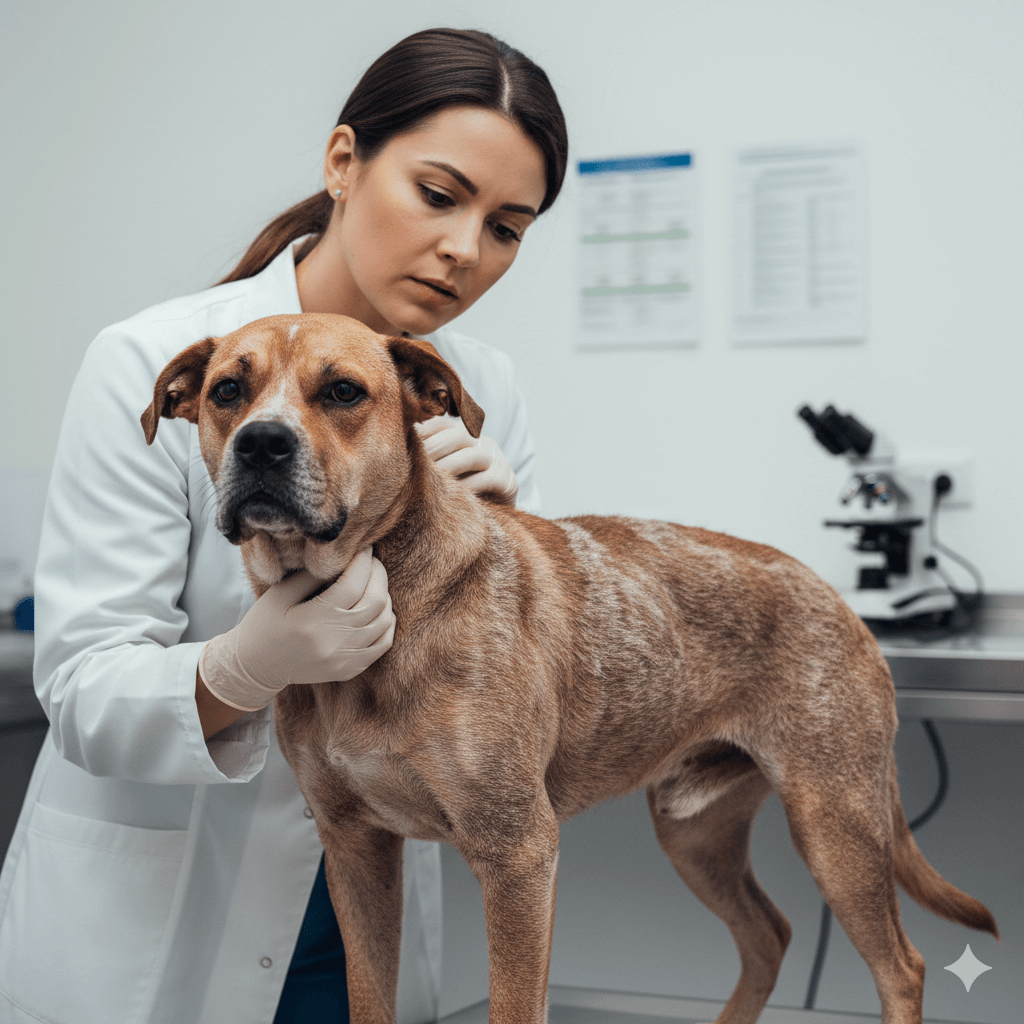
Hypothyroidism and Its Impact on Dog Skin: Best 7 Tips! – Discover how hypothyroidism affects your dog’s skin, spot symptoms early, and learn effective care strategies to restore their health.