
How to Check Your Cat for a Fever: A Simple Guide
Common Signs Your Cat May Have a Fever
- Lethargy or Reduced Activity:
Cats with a fever often become unusually quiet or inactive, spending more time sleeping than usual. This is their way of conserving energy while fighting off infection or inflammation. - Loss of Appetite:
A feverish cat may refuse meals or treats they normally enjoy. This happens because the body redirects energy toward healing rather than digestion, making eating less appealing. - Shivering or Trembling:
Shivering is a common response to fever as the body attempts to regulate its temperature. You might notice your cat trembling even when they’re in a warm environment. - Warm Ears or Paws:
While not definitive proof, warm ears or paws can indicate an elevated body temperature. Gently touch these areas to assess if they feel hotter than usual compared to other parts of their body. - Rapid Breathing or Panting:
Fever increases metabolic demands, causing cats to breathe faster or pant in an effort to cool down. Watch for open-mouth breathing, which is uncommon in healthy cats unless stressed or overheated.

How to Take Your Cat’s Temperature Safely
- Use a Digital Thermometer:
Digital thermometers provide quick and accurate readings; never use glass thermometers, as they pose a breakage risk. Lubricate the tip with petroleum jelly or water-based lubricant to ease insertion. - Secure Your Cat Properly:
Wrap your cat gently in a towel, leaving only their hindquarters exposed. This prevents scratches or bites while keeping them calm and restrained. - Insert the Thermometer Carefully:
Gently lift your cat’s tail and insert the thermometer about one inch into the rectum at a slight angle. Hold it steady until the thermometer signals completion (usually within 10–20 seconds). - Stay Calm and Reassuring:
Speak softly and offer gentle praise throughout the process. Staying calm yourself reassures your cat that everything will be okay despite the discomfort. - Reward Afterward:
Once finished, reward your cat with treats, affection, or playtime to create positive associations with the experience. This makes future checks easier over time.
Check this guide 👉Medicine for Cat Fever: Best 7 Expert Tips!
Check this guide 👉105 Fever in Cats: Best 7 Expert Tips!
Check this guide 👉Understanding Valley Fever in Cats: Best 7 Expert Tips!
| Early Warning Signs | Immediate Actions to Take |
|---|---|
| Lethargy or excessive sleepiness | Monitor behavior closely and note changes over 24 hours |
| Loss of appetite or refusal to eat | Offer small portions of bland food or tempt with favorite treats |
| Warm ears or paws | Check for environmental factors like heat exposure before assuming fever |
| Rapid breathing or panting | Move your cat to a cooler area and provide fresh water immediately |
| Shivering or trembling | Wrap your cat in a light blanket and consult a vet if symptoms persist |
What Constitutes a Normal vs. Elevated Temperature?
- Normal Temperature Range:
A healthy cat’s temperature typically falls between 100.5°F and 102.5°F (38°C–39.2°C). Anything within this range indicates no immediate cause for alarm. - Low-Grade Fever:
Temperatures between 103°F and 104°F (39.4°C–40°C) suggest a mild fever. Monitor closely for worsening symptoms or persistent elevation beyond 24 hours. - High Fever Alert:
Readings above 104°F (40°C) are considered high fevers and require urgent veterinary care. Such temperatures strain vital organs and compromise recovery chances. - Hypothermia Risk:
Temperatures below 100°F (37.8°C) indicate hypothermia, especially in cold environments or sick cats unable to regulate their body heat effectively. - Environmental Factors Matter:
External conditions like extreme heat or cold influence readings temporarily. Ensure your cat isn’t recently exposed to such extremes before taking their temperature.
Causes of Fever in Cats
- Bacterial Infections:
Abscesses, urinary tract infections, or pneumonia often trigger fevers as the body fights invading bacteria. Antibiotics prescribed by a vet address these underlying issues effectively. - Viral Diseases:
Common viral culprits include feline leukemia virus (FeLV), feline immunodeficiency virus (FIV), or upper respiratory infections. Vaccination reduces risks significantly but doesn’t eliminate them entirely. - Parasitic Infestations:
Fleas, ticks, or internal parasites like worms sometimes provoke systemic reactions leading to fever. Regular parasite prevention safeguards against these threats. - Inflammatory Disorders:
Conditions like pancreatitis, arthritis, or inflammatory bowel disease irritate tissues, prompting immune responses that elevate body temperature. - Trauma or Surgery Recovery:
Recent injuries, surgeries, or invasive procedures occasionally result in post-operative fevers as part of the healing process. Monitor closely for complications.
Home Remedies to Reduce Mild Fevers
- Provide Cool Compresses:
Soak a clean cloth in lukewarm water (not cold) and apply it to your cat’s paws, abdomen, or neck. Avoid ice packs, as extreme cold shocks the system unnecessarily. - Encourage Hydration:
Offer fresh water or diluted chicken broth to replenish fluids lost through panting or reduced intake. Dehydration exacerbates fever and delays recovery. - Create a Comfortable Environment:
Ensure your home is neither too hot nor too cold. Maintain moderate room temperatures and provide cozy bedding away from drafts or direct sunlight. - Feed Light, Easily Digestible Meals:
Offer bland foods like boiled chicken or pumpkin puree to entice appetite without overwhelming the digestive tract. Small portions work best initially. - Limit Physical Activity:
Restrict playtime or strenuous exercise to conserve energy for healing. Allow your cat to rest peacefully in a quiet, familiar space.
When to Seek Veterinary Attention
- Persistent High Fever:
If your cat’s temperature remains above 104°F (40°C) despite cooling efforts, seek emergency care immediately. Prolonged high fevers damage vital organs irreversibly. - Severe Lethargy or Collapse:
Unresponsiveness, inability to stand, or sudden collapse reflects critical illness requiring urgent stabilization and diagnostics. - Difficulty Breathing:
Labored breathing, wheezing, or open-mouth panting indicates respiratory distress, which could stem from fever-related complications or separate conditions. - Signs of Pain or Discomfort:
Excessive vocalization, hiding behavior, or reluctance to move suggests significant discomfort needing investigation and pain management. - Refusal to Eat or Drink:
Complete disinterest in food or water for more than 24 hours points to dehydration or worsening illness, both of which require medical attention.
Preventing Future Episodes of Fever
- Maintain Regular Vet Check-Ups:
Annual or biannual exams catch underlying issues early, preventing minor problems from escalating into serious illnesses. - Keep Vaccinations Up-to-Date:
Core vaccines protect against highly contagious diseases like panleukopenia, calicivirus, and rhinotracheitis, reducing infection risks significantly. - Practice Good Hygiene:
Regularly clean litter boxes, food bowls, and living spaces to minimize exposure to pathogens that could sicken your cat. - Implement Parasite Prevention:
Monthly flea, tick, and heartworm preventatives safeguard against vector-borne diseases that often cause fevers. - Provide a Balanced Diet:
Nutrient-rich diets bolster immune function, enabling your cat to fight off infections more effectively. Consult your vet for personalized dietary recommendations.
Frequently Asked Questions About Checking Your Cat for a Fever
How can I tell if my cat has a fever without a thermometer?
Look for signs like lethargy, warm ears, shivering, or loss of appetite—these often indicate an elevated body temperature, though they aren’t definitive proof.
Is it safe to use a human thermometer on my cat?
Yes, digital thermometers designed for humans are safe as long as you clean them thoroughly before and after use. Avoid mercury thermometers, which pose a breakage risk.
What should I do if my cat’s temperature is above 104°F (40°C)?
A temperature this high requires immediate veterinary attention, as it could lead to organ damage or other complications if left untreated.
Can stress cause a temporary rise in my cat’s temperature?
Yes, stress or excitement can elevate body temperature slightly. Ensure your cat is calm before taking their temperature to avoid misleading readings.
Are there any medications I can give my cat at home for a fever?
Never administer human medications like ibuprofen or acetaminophen, as they’re toxic to cats. Consult your vet for safe treatment options tailored to your cat’s condition.
Supporting Your Cat Through Recovery
How to Check Your Cat for a Fever: Best 7 Expert Tips! – Learn the signs, safe temperature checks, and when to see a vet. Keep your feline healthy and happy!

How to Check Your Dog for a Fever: Best 7 Expert Tips! – Learn the signs, safe temperature checks, and when to see a vet if your dog has a fever.
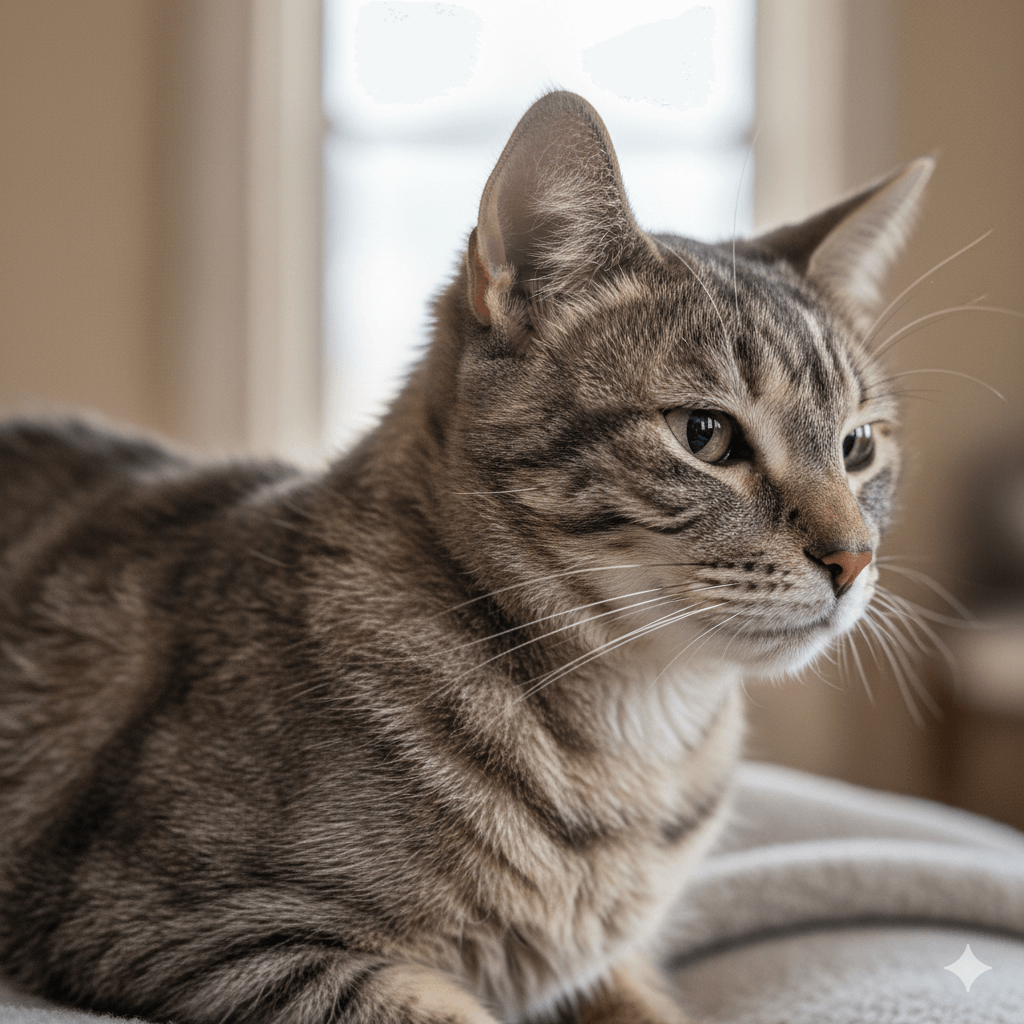
Hypothyroidism and Its Impact on Cat Skin: Best 7 Tips! – Discover how hypothyroidism affects your cat’s skin, spot symptoms early, and learn effective care strategies to keep your feline healthy.
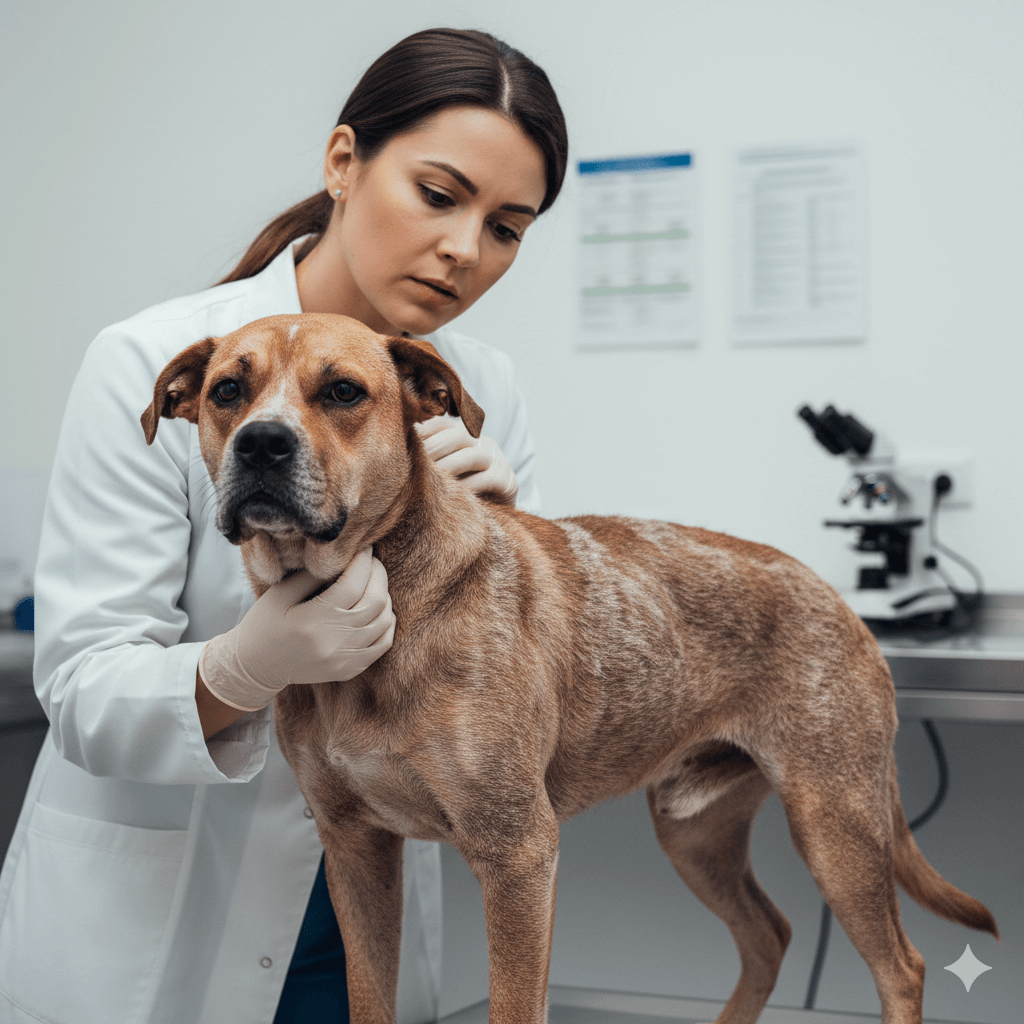
Hypothyroidism and Its Impact on Dog Skin: Best 7 Tips! – Discover how hypothyroidism affects your dog’s skin, spot symptoms early, and learn effective care strategies to restore their health.