
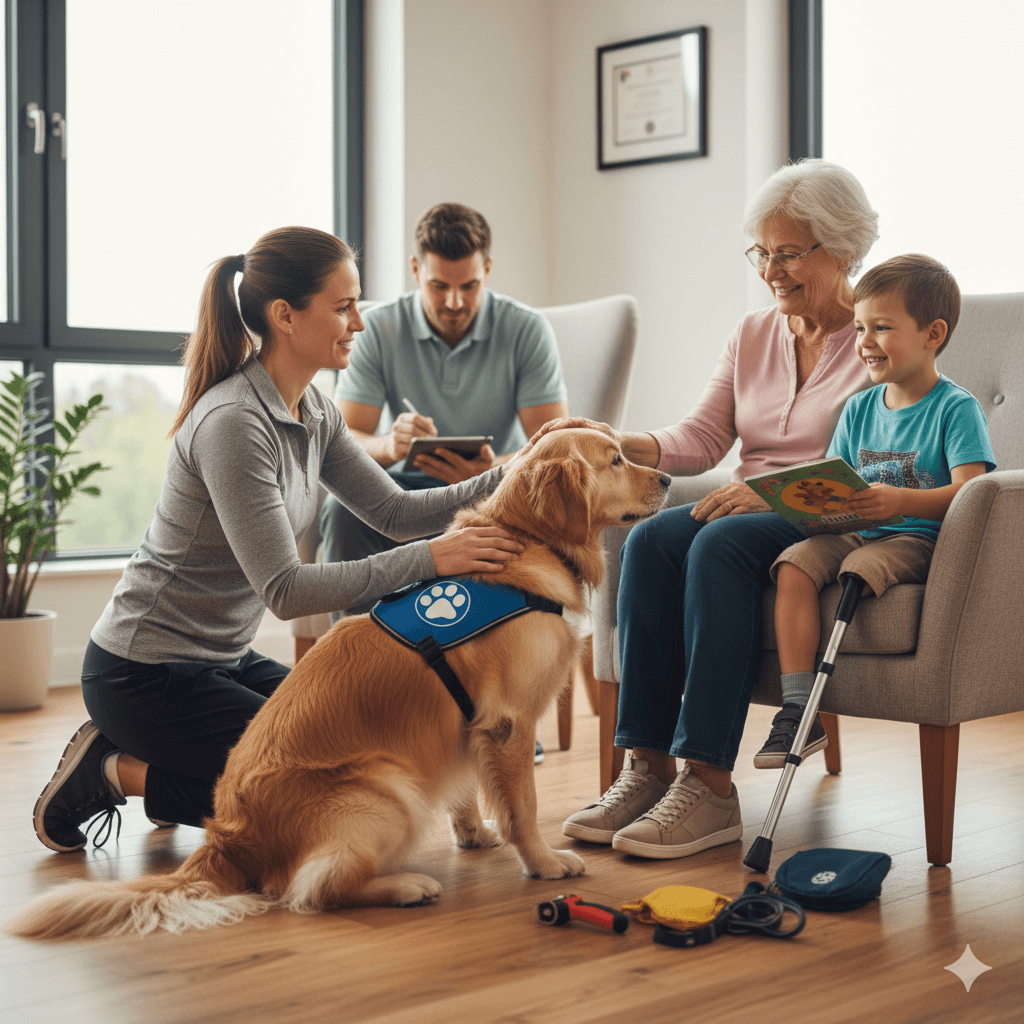

How to Become a Therapy Dog Trainer: Best 7 Expert Tips!

How to Become a Therapy Dog Trainer: Best 7 Expert Tips!

How to Become a Therapy Dog Trainer

Becoming a therapy dog trainer is a deeply rewarding path that blends compassion, canine expertise, and a commitment to improving lives through human-animal bonds. Unlike service dog training, therapy work focuses on emotional support in hospitals, schools, nursing homes, and disaster settings. While no single global certification governs the field, clear steps can guide you toward credibility, competence, and impact. Whether you’re already a dog lover or a seasoned trainer, this journey begins with understanding dogs, people, and the unique needs of therapeutic environments.

Understanding the Role of a Therapy Dog Trainer

A therapy dog trainer doesn’t just teach tricks—they shape calm, reliable, and adaptable canine ambassadors who bring comfort to vulnerable individuals. Their work involves assessing dog temperament, guiding handlers, and ensuring teams meet facility standards. Success requires empathy, patience, and a solid grasp of canine behavior:

 
  • Focus on Temperament, Not Obedience Alone:
    Therapy dogs must be unfazed by wheelchairs, loud noises, crowds, or sudden movements—not just sit or stay on command.
     
  • Handler-Team Approach:
    Trainers coach both dog and human, as the handler’s calm presence is as vital as the dog’s behavior during visits.
     
  • Non-Certification Reality:
    Unlike service dogs, therapy dogs aren’t protected under the ADA; certification is voluntary but essential for access to facilities.
     
  • Ethical Responsibility:
    Trainers must prioritize the dog’s well-being, ensuring they’re never stressed or overworked during therapeutic sessions.
     
  • Setting-Specific Preparation:
    Training for a children’s hospital differs from disaster response—context shapes every skill and protocol taught.
 

Ultimately, your role is to build resilient, joyful teams that enrich lives while safeguarding the dog’s mental and physical health.

How to Become a Therapy Dog Trainer: Best 7 Expert Tips!

Essential Prerequisites and Foundational Knowledge

Before training others, you must build your own expertise in behavior, communication, and ethics. Most successful therapy dog trainers share core competencies gained through education and hands-on experience:

 
  • Strong Background in Canine Behavior:
    Understanding body language, stress signals, and emotional thresholds is non-negotiable for reading dogs accurately.
     
  • Experience with Diverse Breeds and Personalities:
    Exposure to various temperaments helps you match dogs to appropriate therapy roles and avoid poor fits.
     
  • Basic Dog Training Certification (Recommended):
    Credentials from organizations like CCPDT or IAABC add credibility and deepen your instructional skills.
     
  • Volunteer with Therapy Teams:
    Shadowing certified handlers in real settings reveals practical challenges and best practices you won’t learn in books.
     
  • Knowledge of Human Emotional Needs:
    Familiarity with trauma-informed care, gerontology, or child development enhances your training relevance and sensitivity.
 

These foundations ensure you don’t just produce compliant dogs—but truly therapeutic partnerships.

Core Trainer Qualities
Key Dog Requirements
Patience and emotional intelligence
Calm, confident temperament
Strong observational skills
Low prey and startle response
Clear communication with humans
Comfort with strangers and handling
Commitment to ongoing learning
Reliable off-leash manners (in controlled settings)
Understanding of facility protocols
Vaccinated, groomed, and healthy

Step-by-Step Path to Becoming a Certified Therapy Dog Trainer

While no government license is required, professional recognition comes through structured learning and association with reputable registries. Follow this roadmap to build legitimacy and impact:

 
  • Gain Hands-On Dog Training Experience:
    Work as an assistant trainer or complete an apprenticeship to refine your teaching and assessment abilities.
     
  • Obtain Your Own Therapy Dog Certification:
    Register your dog (if suitable) with a major organization like Pet Partners, Alliance of Therapy Dogs, or Therapy Dogs International.
     
  • Complete a Therapy Dog Instructor Course:
    Pet Partners, for example, offers a “Therapy Animal Instructor” workshop for those wanting to train other teams.
     
  • Apply to Become a Registered Instructor:
    Submit proof of experience, pass evaluations, and agree to uphold the organization’s standards and ethics.
     
  • Maintain Continuing Education:
    Renew certifications regularly and stay updated on animal welfare science, mental health trends, and facility requirements.
 

This path blends personal dedication with formal recognition—ensuring you guide others with both heart and expertise.

Choosing the Right Therapy Dog Organization

Not all therapy dog registries are equal. Aligning with a respected, well-established group gives your trainees access to insurance, facility partnerships, and standardized evaluation:

 
  • Pet Partners (USA, Global Reach):
    Offers the most comprehensive trainer pathway, liability insurance, and strong hospital/nursing home recognition.
     
  • Therapy Dogs International (TDI):
    Focuses on obedience and temperament testing; widely accepted but less emphasis on handler education.
     
  • Alliance of Therapy Dogs (ATD):
    Uses video evaluations and emphasizes ongoing team monitoring; ideal for remote or rural trainers.
     
  • Bright and Beautiful Therapy Dogs (Regional):
    Smaller but rigorous, with strict grooming and behavior standards—great for high-expectation environments.
     
  • International ProGroomers & Therapy Orgs (for EU/UK):
    In Europe, groups like Therapy Dogs Nationwide (UK) or national canine associations offer localized certification.
 

Choose an organization whose values, testing rigor, and geographic reach align with your goals and client base.

Training Methods That Prioritize Welfare and Effectiveness

Therapy dog training must avoid coercion or pressure. Positive, confidence-building techniques yield dogs who volunteer joyfully—not out of fear or habit:

 
  • Desensitization and Counterconditioning:
    Gradually expose dogs to stethoscopes, wheelchairs, or sudden noises while pairing them with rewards to build positive associations.
     
  • Choice-Based Protocols:
    Teach dogs they can walk away or signal discomfort—empowering them reduces stress and builds trust.
     
  • Handler Coaching Over Dog Correction:
    Focus on teaching people to read their dog’s cues and adjust the environment, not force compliance.
     
  • Simulated Environment Practice:
    Recreate hospital hallways, classroom sounds, or elevator rides in safe settings to test readiness realistically.
     
  • Regular “Retirement” Assessments:
    Even certified dogs can change; schedule check-ins to ensure they still enjoy the work as they age.
 

Ethical training isn’t just kinder—it creates more reliable, sustainable therapy teams.

Building Your Therapy Dog Training Business

Once certified, you can offer classes, private coaching, or facility workshops. Success hinges on community trust, clear messaging, and genuine care:

 
  • Define Your Niche:
    Focus on seniors, schools, trauma recovery, or veterans to tailor your programs and marketing effectively.
     
  • Partner with Local Facilities:
    Approach libraries, hospices, or rehab centers with pilot programs to demonstrate value and build relationships.
     
  • Offer Handler Workshops, Not Just Dog Training:
    Teach empathy, boundaries, infection control, and dog reading—skills facilities truly care about.
     
  • Create a Certification Prep Package:
    Bundle training, mock evaluations, and registry application support into a clear client journey.
     
  • Showcase Real Impact:
    Share stories (with permission) of how your trained teams have comforted patients or calmed anxious students.
 

Your business thrives not on flashy tricks—but on the quiet, powerful moments your teams create.

Common Challenges and How to Overcome Them

The path isn’t without hurdles, from unrealistic client expectations to emotional burnout. Anticipating these helps you stay grounded and effective:

 
  • Unsuitable Dog-Handler Pairs:
    Some dogs simply aren’t cut out for therapy work—learn to say “no” kindly but firmly to protect the dog’s welfare.
     
  • Facility Access Barriers:
    Not all institutions accept therapy animals; focus on building relationships with open-minded, policy-flexible partners first.
     
  • Emotional Drain from Sensitive Settings:
    Witnessing grief or illness regularly can weigh on you—practice self-care and set emotional boundaries.
     
  • Misunderstanding “Therapy” vs. “Service”:
    Educate clients clearly: therapy dogs don’t have public access rights like service animals under the ADA.
     
  • Maintaining Standards Without Authority:
    You can’t force compliance after training—emphasize honor, ethics, and the dog’s voice as your guiding principles.
 

Facing these honestly makes you not just a trainer—but a steward of the therapy dog mission.

Frequently Asked Questions About Becoming a Therapy Dog Trainer

Do I need a college degree to become a therapy dog trainer?

No formal degree is required, but coursework in animal behavior, psychology, or counseling can strengthen your approach.

It’s strongly discouraged. Personal experience as a handler gives you credibility and insight you can’t gain otherwise.

Typically 1–3 years, depending on your prior experience, chosen organization, and time dedicated to volunteering and training.

Most earn modest income; many combine it with general dog training or other pet services. Passion usually drives this work more than profit.

Hands-on evaluation is essential. While theory can be learned online, live dog assessment and handler coaching require in-person practice.

Answering the Call to Heal Through Canine Compassion

Becoming a therapy dog trainer isn’t just a career—it’s a calling rooted in empathy, responsibility, and the quiet magic of the human-animal connection. Every team you prepare has the potential to ease loneliness, calm fear, or spark joy in someone’s darkest hour. Though the path demands patience, continuous learning, and emotional resilience, the reward is immeasurable: knowing you’ve helped create ambassadors of comfort who walk gently into the world, one wagging tail at a time. If this mission resonates with your heart, take the first step—not for fame or fortune, but for the countless lives waiting to be touched by a well-trained, loving dog and the thoughtful trainer who made it possible.

Understanding Cryptosporidium in Cats: Best 7 Expert Tips!

Understanding Cryptosporidium in Cats: Best 7 Expert Tips! – Spot symptoms, treat safely, and stop parasite spread in your home.

Understanding Cryptosporidium in Dogs: Best 7 Expert Tips!

Understanding Cryptosporidium in Dogs: Best 7 Expert Tips! – Learn symptoms, treatment & prevention for this stubborn gut parasite.

Understanding Syringomyelia in Cats: Best 7 Expert Tips!

Understanding Syringomyelia in Cats: Best 7 Expert Tips! – Recognize signs, manage pain, and support your cat’s neurological health with vet-backed guidance.

Understanding Syringomyelia in Dogs: Best 7 Expert Tips!

Understanding Syringomyelia in Dogs: Best 7 Expert Tips! – Expert insights on symptoms, MRI diagnosis, pain management & quality of life.

Leave a Reply

Your email address will not be published. Required fields are marked *


