
How Tight Should a Dog Cone Be? Best 7 Expert Tips!

How Tight Should a Dog Cone Be? Best 7 Expert Tips!

How Tight Should a Dog Cone Be? A Guide to Keeping Your Pet Comfortable and Safe


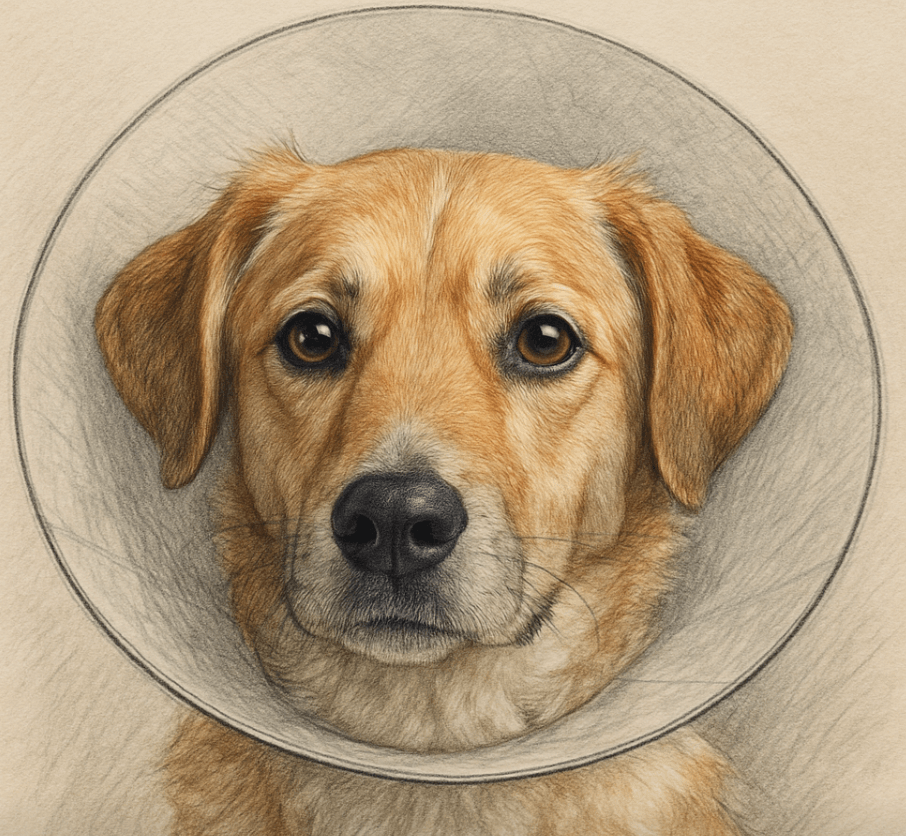
If you’ve ever had to use a dog cone, also known as an Elizabethan collar, you know it’s not always the most comfortable accessory for your furry friend. Whether it’s to prevent licking a wound, chewing stitches, or scratching an irritated area, the cone serves a vital purpose in your pet’s recovery process. But how tight should a dog cone be to ensure it’s effective without causing discomfort? Striking the right balance is crucial for your dog’s well-being and healing.

In this blog post, we’ll explore everything you need to know about fitting a dog cone properly, from sizing tips to troubleshooting common issues. By the end, you’ll feel confident in making your dog’s recovery experience as smooth and stress-free as possible.

Finding the Perfect Fit: How Tight Should a Dog Cone Be?


The key to using a dog cone effectively lies in finding the right fit. A cone that’s too loose may shift around and fail to protect the affected area, while one that’s too tight can cause discomfort or even restrict breathing. Here are some guidelines to help you determine the ideal tightness for your dog’s cone.

 
  • Snug but Not Restrictive:
    The cone should fit snugly around your dog’s neck without being overly tight. You should be able to slide two fingers comfortably between the cone and your dog’s neck.

  • Check for Mobility:
    Ensure the cone allows your dog to move their head freely without obstruction. It shouldn’t press against their ears or jaw when they turn their head.

  • Secure the Fasteners:
    Most cones come with adjustable straps or Velcro fasteners. Make sure these are securely attached but not pulled so tight that they dig into your dog’s skin.

  • Observe Breathing Patterns:
    Watch your dog closely after fitting the cone. If they seem to struggle to breathe or pant excessively, the cone might be too tight and needs adjustment.

  • Test for Stability:
    Gently tug on the cone to see if it stays in place. It should remain stable without sliding up or down your dog’s neck during movement.


A properly fitted cone will provide the protection your dog needs while minimizing discomfort. Remember, the goal is to keep your pet safe without compromising their comfort or ability to rest and recover.

Signs Your Dog’s Cone Is Too Tight or Too Loose


Even with careful adjustments, it’s easy to overlook subtle signs that your dog’s cone isn’t fitting correctly. Recognizing these indicators early can prevent unnecessary stress or injury. Here’s what to look for to ensure your dog’s cone is just right.

 
  • Signs of Irritation:
    Redness, chafing, or hair loss around the neck area may indicate the cone is too tight and rubbing against your dog’s skin.

  • Excessive Pawing at the Cone:
    If your dog is constantly pawing at the cone or trying to remove it, it could mean the cone is uncomfortable or improperly fitted.

  • Difficulty Eating or Drinking:
    A poorly fitted cone may make it hard for your dog to reach their food or water bowl, leading to frustration and dehydration.

  • Restricted Movement:
    If your dog seems unable to turn their head or lie down comfortably, the cone might be too large or positioned incorrectly.

  • Slipping or Rotating:
    A cone that shifts frequently or rotates around your dog’s neck is likely too loose and won’t provide adequate protection.


By paying attention to these signs, you can quickly identify and address any issues with your dog’s cone. A well-fitted cone ensures both safety and comfort, allowing your pet to focus on healing.

 
How Tight Should a Dog Cone Be? Best 7 Expert Tips!
Common Issues with Dog Cones
How to Fix Them
Cone is too tight
Loosen straps slightly and check for two-finger space
Cone keeps slipping off
Tighten straps or switch to a better-fitting size
Dog struggles to eat or drink
Elevate bowls or use a shorter cone
Cone causes skin irritation
Add padding or switch to a softer material
Dog seems overly stressed
Gradually introduce the cone and reward calm behavior

Alternative Solutions to Traditional Dog Cones


While traditional plastic cones are effective, they aren’t always the most comfortable option for your dog. Fortunately, there are alternatives that offer similar protection with added comfort. Here are some options to consider if your dog struggles with a standard cone.

 
  • Inflatable Collars:
    These resemble a donut-shaped pillow and provide ample protection without obstructing your dog’s peripheral vision.

  • Soft Fabric Cones:
    Made from flexible materials, these cones are lightweight and less cumbersome than rigid plastic versions.

  • Recovery Suits:
    Specialized bodysuits cover wounds or stitches, preventing your dog from licking or chewing without needing a cone.

  • Neck Brace Collars:
    Designed to limit head movement, these collars are ideal for dogs recovering from neck or spinal injuries.

  • Custom-Fit Cones:
    Some companies offer custom-sized cones tailored to your dog’s specific measurements, ensuring a perfect fit.


Exploring these alternatives can make your dog’s recovery process more comfortable and less stressful. Every dog is unique, so finding the right solution may require some trial and error.

Tips for Helping Your Dog Adjust to Wearing a Cone


Wearing a cone can be frustrating for your dog, especially if they’re not used to it. However, with patience and positive reinforcement, you can help them adapt more easily. Here are some tips to ease the transition.

 
  • Introduce the Cone Gradually:
    Let your dog sniff and explore the cone before putting it on. Reward them with treats to create a positive association.

  • Supervise Initial Use:
    Monitor your dog closely during the first few hours to ensure they adjust safely and don’t get stuck or tangled.

  • Provide Distractions:
    Offer puzzle toys or interactive games to keep your dog entertained and take their mind off the cone.

  • Create a Safe Space:
    Set up a cozy area where your dog can relax without bumping into furniture or feeling confined by the cone.

  • Practice Short Sessions:
    Start by having your dog wear the cone for short periods, gradually increasing the duration as they become more accustomed to it.


With time and consistency, your dog will grow more comfortable wearing the cone. Patience and encouragement go a long way in making this necessary tool a little less daunting.

Common Mistakes When Using Dog Cones

Using a dog cone might seem straightforward, but there are several mistakes that even experienced pet owners can make. Avoiding these pitfalls ensures your dog’s cone serves its purpose without causing harm or discomfort.

 
  • Overlooking Proper Sizing:
    Choosing the wrong size can lead to a cone that’s either too tight or too loose, compromising its effectiveness.

  • Neglecting Regular Checks:
    Failing to monitor your dog’s cone periodically can result in unnoticed irritation or improper positioning.

  • Ignoring Behavioral Cues:
    Dismissing signs of stress or discomfort may prolong your dog’s negative experience with the cone.

  • Skipping Desensitization Steps:
    Introducing the cone suddenly can overwhelm your dog, making it harder for them to adjust.

  • Using Damaged Equipment:
    A cracked or broken cone can pose safety risks, so always inspect it before use.


Avoiding these mistakes ensures your dog’s cone remains a helpful tool rather than a source of frustration.

Benefits of Using a Dog Cone

Despite their reputation for being uncomfortable, dog cones play a critical role in your pet’s recovery. Understanding their benefits highlights why they’re often recommended by veterinarians.

 
  • Prevents Licking and Chewing:
    Cones stop your dog from aggravating wounds, stitches, or surgical sites, promoting faster healing.

  • Reduces Risk of Infection:
    By keeping your dog from accessing injured areas, cones minimize the risk of bacteria entering the wound.

  • Protects Bandages and Wraps:
    Dogs prone to chewing bandages benefit greatly from the barrier provided by a cone.

  • Encourages Rest:
    Limited mobility due to the cone encourages your dog to rest, which is vital for recovery.

  • Affordable and Accessible:
    Cones are widely available and cost-effective compared to other recovery tools.


These advantages underscore why cones are a practical choice for protecting your dog during recovery.

Creative Ways to Improve Cone Comfort

If your dog struggles with a traditional cone, there are creative ways to enhance their comfort and make the experience more bearable. Here are some ideas to try.

 
  • Add Padding:
    Attach soft fabric or foam padding to the edges of the cone to reduce friction against your dog’s neck.

  • Use Reflective Tape:
    Adding reflective tape improves visibility, especially if your dog needs to go outside at night.

  • Decorate the Cone:
    Personalize the cone with stickers, paint, or fabric to make it more appealing and fun for your dog.

  • Switch to a Transparent Cone:
    Clear cones allow your dog to see their surroundings better, reducing anxiety and disorientation.

  • Combine with Calming Aids:
    Pair the cone with calming supplements or pheromone sprays to help your dog relax during recovery.


These creative solutions can transform a frustrating experience into a more positive one for both you and your dog.

Frequently Asked Questions About Dog Cones

 
How long should my dog wear a cone?

Typically, your dog should wear the cone until their injury or condition has healed, as advised by your veterinarian.

Yes, but ensure it’s properly fitted and doesn’t restrict breathing or cause discomfort during sleep.

Try alternatives like inflatable collars or recovery suits, or work on desensitizing your dog to the cone over time.

For plastic cones, wipe with a damp cloth and mild soap. Fabric cones can usually be machine-washed according to care instructions.

Yes, cones come in various sizes to accommodate different breeds and neck measurements. Always measure your dog before purchasing.

Comfort and Care: Ensuring Your Dog’s Cone Fits Just Right


Fitting a dog cone properly is essential for your pet’s comfort and recovery. While it may take some trial and error to find the perfect fit, the effort is worth it to ensure your dog heals safely and without unnecessary stress. By following the tips outlined in this guide, you can minimize discomfort and maximize the effectiveness of the cone. Remember, your dog relies on you to make their recovery process as smooth as possible. With patience, care, and a little creativity, you can help them overcome this temporary challenge and return to their happy, healthy selves.

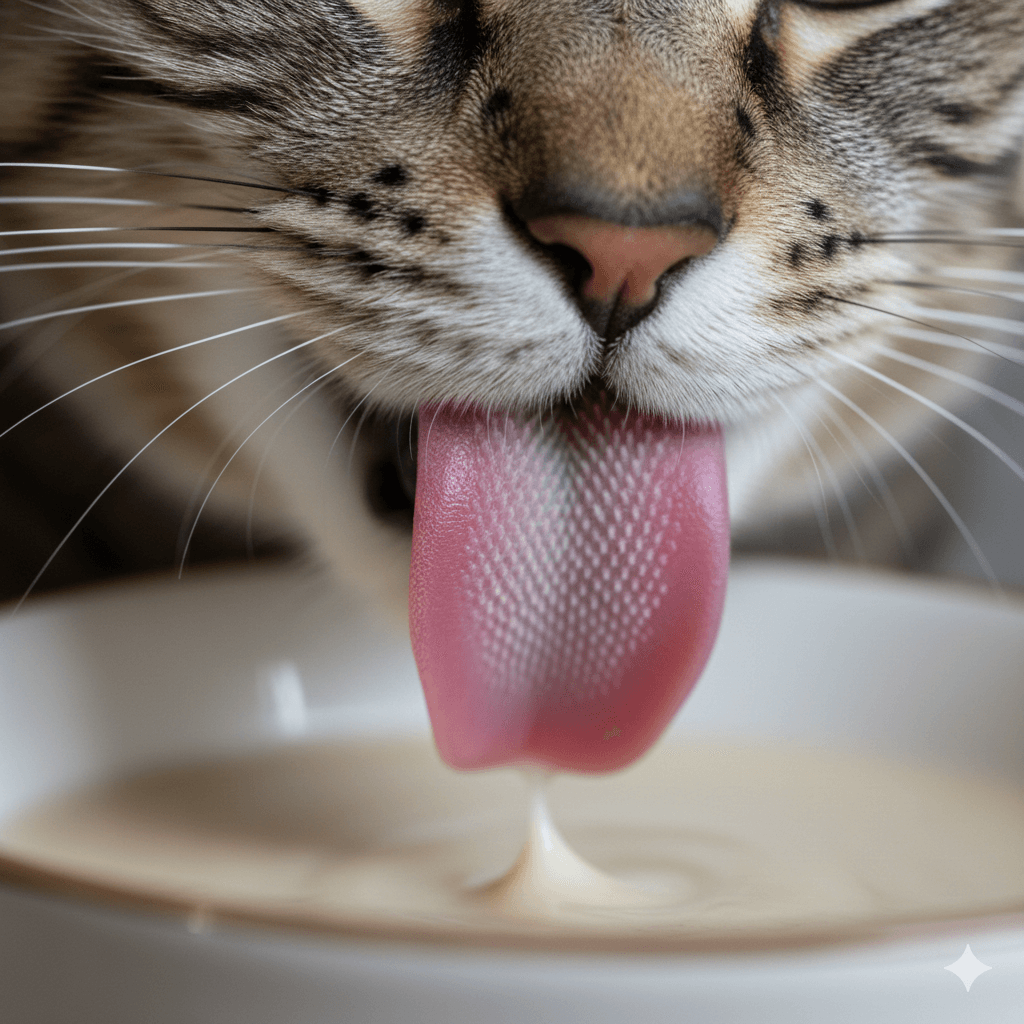
Do Cats Have Taste Buds? Best 7 Expert Tips!

Do Cats Have Taste Buds? Best 7 Expert Tips! – Discover how cats experience flavors and why their taste is so unique.
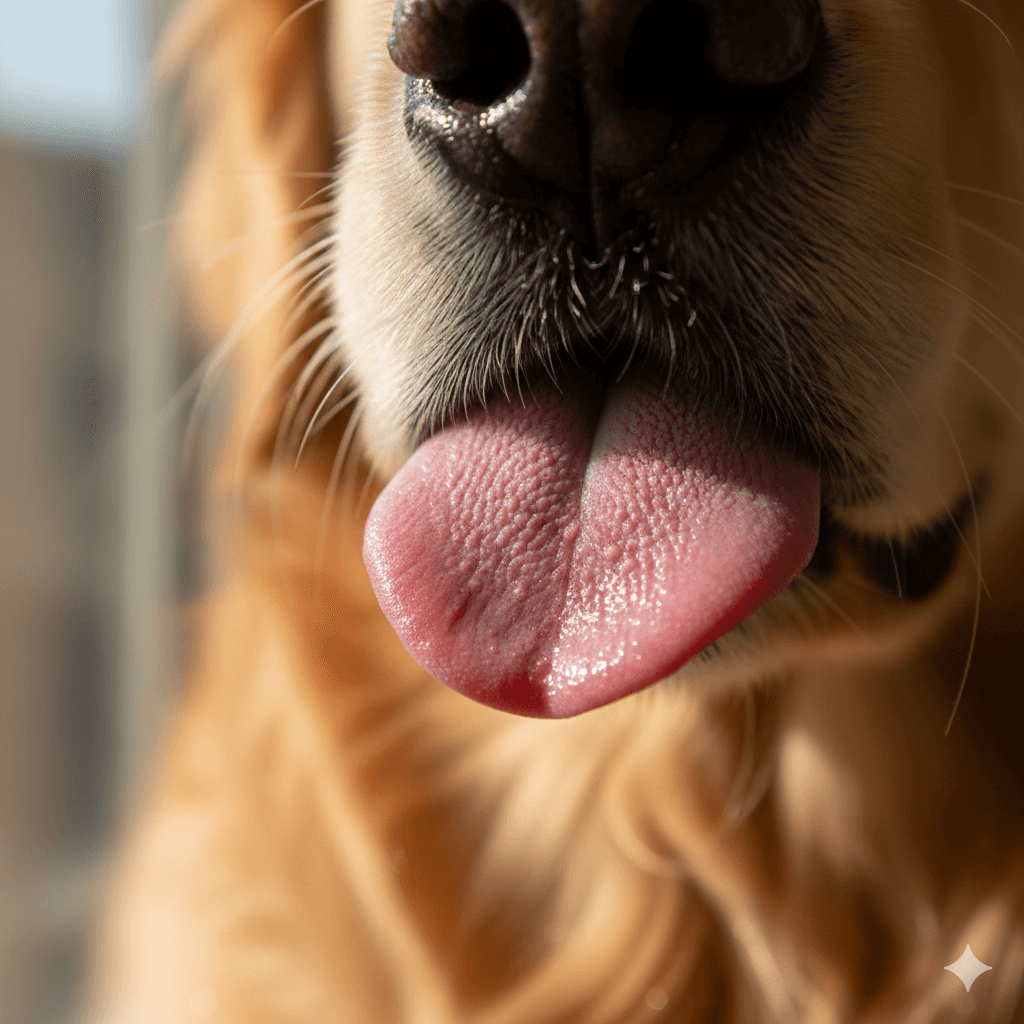
Do Dogs Have Taste Buds? Best 7 Expert Tips!

Do Dogs Have Taste Buds? Best 7 Expert Tips! – Discover how dogs experience taste, their preferences, and what it means for their diet and health.

Can Cats Taste Sweet? Best 7 Expert Tips!

Can Cats Taste Sweet? Best 7 Expert Tips! – Discover why cats can’t taste sweetness, how it affects their diet, and tips to keep them healthy and happy.
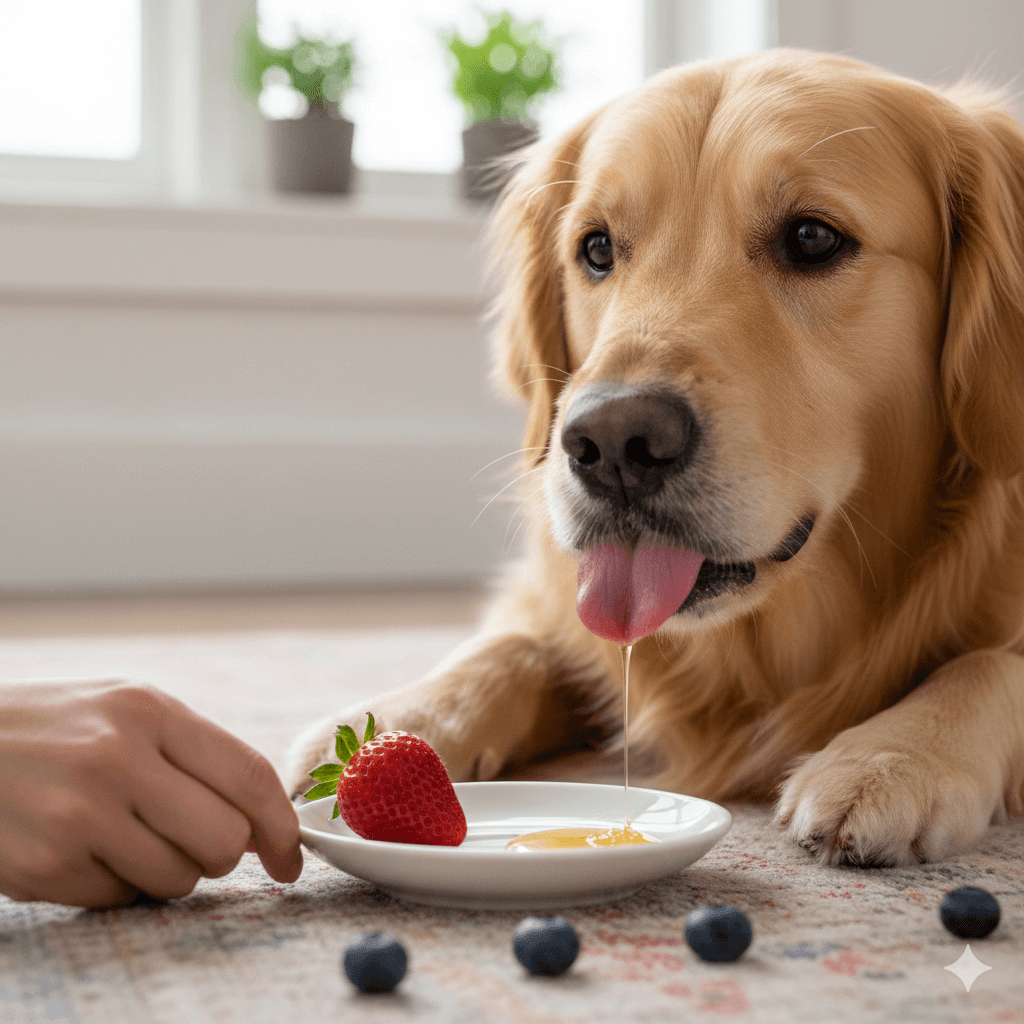
Can Dogs Taste Sweet? Best 7 Expert Tips!

Can Dogs Taste Sweet? Best 7 Expert Tips! – Discover how dogs perceive sweetness, which foods are safe, and tips to manage their sweet cravings responsibly.

Leave a Reply

Your email address will not be published. Required fields are marked *

Recent Post

Post Category