
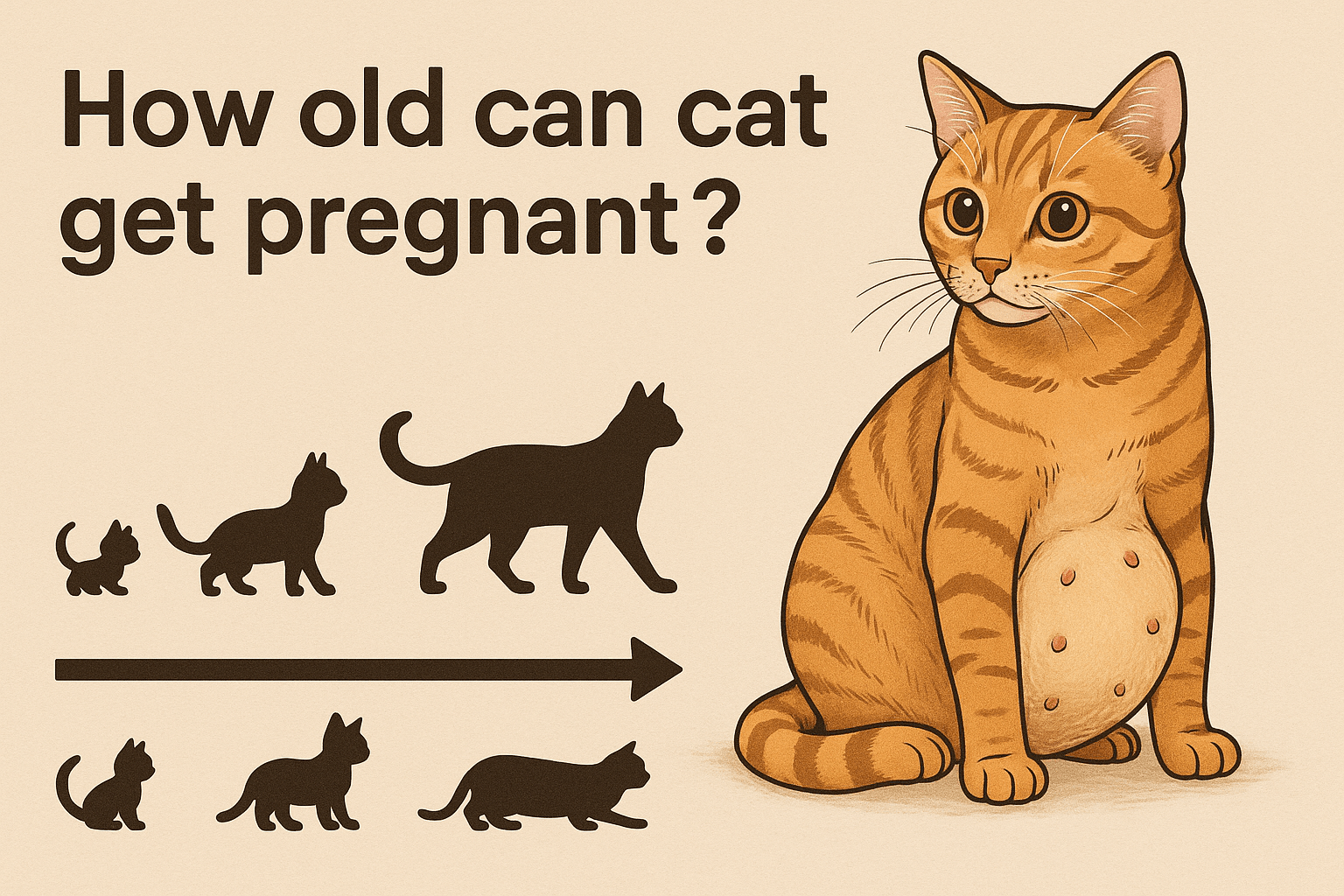

How Old Can Cats Get Pregnant?
Cats are remarkable creatures, known for their independence and adaptability. However, one aspect of feline life that often surprises new cat owners is how early cats can become pregnant. Understanding the reproductive capabilities of cats is essential for responsible pet ownership, as it helps prevent unwanted litters and ensures the health of your furry companion. Whether you’re a first-time cat owner or simply curious about feline biology, this guide will explore everything you need to know about when cats can get pregnant, the risks involved, and how to manage their reproductive health responsibly.
At What Age Can Cats Become Pregnant?
Cats reach sexual maturity surprisingly early, making it crucial to understand when they are capable of reproduction. Here’s a breakdown of the key factors to consider.
Typical Age Range:
Female cats, also known as queens, can become pregnant as young as 4 to 6 months old. This is when they typically experience their first heat cycle.Signs of Sexual Maturity:
Behavioral changes such as increased vocalization, restlessness, and attempts to escape outdoors often signal that a cat has reached sexual maturity.Breed Differences:
While most cats mature around the same age, some smaller breeds may reach sexual maturity slightly earlier than larger breeds.Male Cats’ Role:
Male cats, or toms, can also reproduce as early as 5 to 7 months old, though they may not exhibit full territorial behaviors until later.Frequency of Heat Cycles:
Once a female cat begins her heat cycles, she can go into heat every 2 to 3 weeks during breeding seasons, increasing the likelihood of pregnancy.
Understanding these timelines highlights the importance of monitoring your cat’s behavior and taking steps to prevent early pregnancies.
Risks of Early Pregnancy in Cats
Allowing a young cat to become pregnant too early can pose significant health risks for both the mother and her kittens. Here’s what you need to know about the potential dangers.
Physical Immaturity:
A cat’s body may not be fully developed at 4 to 6 months, making pregnancy physically demanding and potentially harmful.Nutritional Deficiencies:
Young mothers may struggle to provide adequate nutrition for themselves and their growing kittens, leading to weakened health.Complications During Birth:
Early pregnancies increase the risk of difficult labor, which can endanger both the mother and her offspring.Impact on Growth:
Pregnancy diverts essential nutrients away from the mother’s growth, potentially stunting her development.Behavioral Stress:
The responsibilities of motherhood can overwhelm a young cat, leading to anxiety and stress-related behaviors.
These risks underscore the importance of preventing early pregnancies through proactive measures like spaying or neutering.
Check this guide 👉Understanding Cat Pregnancy Tests: Best 7 Expert Tips!
Check this guide 👉Wet Food for Pregnant Cats: Best 7 Expert Tips!
Check this guide 👉Can Cats Get Pregnant While Nursing? Best 7 Expert Tips!
Preventing Early Pregnancy | Benefits of Spaying/Neutering |
|---|---|
Spaying before the first heat cycle | Reduces risk of reproductive cancers |
Monitoring outdoor access | Prevents unwanted litters |
Providing toys to reduce stress | Improves overall behavior and health |
Consulting your veterinarian | Ensures safe timing for the procedure |
Educating other cat owners | Promotes responsible pet ownership |
Signs Your Cat May Be Pregnant
If your unspayed cat has been exposed to a male cat, it’s important to recognize the signs of pregnancy early. These indicators can help you prepare for the arrival of kittens.
Increased Appetite:
Pregnant cats often eat more to support the growth of their developing kittens.Swollen Abdomen:
A noticeable increase in belly size usually becomes apparent after a few weeks of pregnancy.Nipple Changes:
The nipples may become pinker and more prominent, a condition known as “pinking up.”Behavioral Shifts:
Pregnant cats may seek more affection or isolate themselves as they prepare for birth.Decreased Activity Levels:
As the pregnancy progresses, your cat may become less energetic and spend more time resting.
Identifying these signs allows you to provide appropriate care and consult your vet for guidance throughout the pregnancy.
Managing Your Cat’s Reproductive Health
Taking steps to manage your cat’s reproductive health is essential for their well-being and the prevention of overpopulation. Here are some practical tips to consider.
Schedule Spaying Early:
Spaying your cat before her first heat cycle is recommended to minimize health risks and prevent pregnancy.Keep Male Cats Indoors:
Preventing male cats from roaming reduces the chances of mating with unspayed females.Provide Enrichment:
Keep your cat entertained with toys and activities to reduce stress and discourage escape attempts.Monitor Behavior Changes:
Pay attention to any unusual behaviors, as they could indicate pregnancy or other health concerns.Consult Regularly with Your Vet:
Routine check-ups ensure your cat remains healthy and receives timely advice on reproductive care.
By prioritizing your cat’s reproductive health, you contribute to their long-term happiness and quality of life.
How to Care for a Pregnant Cat
Caring for a pregnant cat requires special attention to ensure her comfort and the health of her kittens. Follow these tips to support her during this critical time.
Create a Quiet Space:
Set up a cozy, secluded area where your cat can give birth and nurse her kittens without disturbances.Provide Nutritious Food:
Offer high-calorie, nutrient-rich meals to meet her increased energy needs during pregnancy.Avoid Stressful Situations:
Minimize loud noises and sudden changes in her environment to keep her calm and relaxed.Monitor Her Health:
Watch for signs of illness or complications, such as lethargy or loss of appetite, and contact your vet if needed.Prepare for Birth:
Have a clean birthing kit ready, including towels, gloves, and emergency contact information for your vet.
Proper care during pregnancy ensures a smoother birthing process and healthier kittens.
Debunking Myths About Cat Pregnancy
Several myths surround cat pregnancy, leading to misunderstandings about their reproductive abilities. Clearing up these misconceptions is key to responsible pet care.
Myth: Cats Can’t Get Pregnant During Their First Heat Cycle:
Fact: Cats can become pregnant as soon as they enter their first heat cycle, which occurs around 4 to 6 months of age.Myth: Spaying Is Harmful to Cats:
Fact: Spaying is a safe and beneficial procedure that prevents unwanted pregnancies and reduces health risks.Myth: Outdoor Cats Don’t Need Monitoring:
Fact: Unspayed outdoor cats are highly likely to mate, contributing to overpopulation and potential health issues.Myth: Cats Stop Going Into Heat After Pregnancy:
Fact: Cats can quickly return to heat after giving birth, making them vulnerable to another pregnancy.Myth: Kittens Don’t Need Early Vaccinations:
Fact: Vaccinating kittens early protects them from diseases and ensures their long-term health.
Dispelling these myths helps foster better understanding and care for cats.
Alternatives to Managing Reproduction
If you’re unsure about spaying or neutering, there are alternative ways to manage your cat’s reproductive health. These options provide flexibility for different lifestyles.
Supervised Outdoor Time:
Allow your cat supervised outdoor play to satisfy their curiosity without risking exposure to other cats.Use of Contraceptive Medications:
Some veterinarians offer hormonal treatments to temporarily prevent pregnancy, though these are less common than spaying.Adopting Older Cats:
If you’re looking for a pet, consider adopting an older cat who has already been spayed or neutered.Community Education Programs:
Support local initiatives that promote spaying and neutering to reduce stray populations and improve animal welfare.Temporary Separation During Heat Cycles:
Keep male and female cats apart during heat cycles to prevent accidental mating.
These alternatives offer creative solutions for managing feline reproduction responsibly.
Frequently Asked Questions About Cat Pregnancy
Can a 6-month-old cat get pregnant?
Yes, cats can become pregnant as young as 4 to 6 months old, so early spaying is crucial.
How many kittens can a cat have in one litter?
The average litter size ranges from 2 to 6 kittens, depending on the cat’s breed and health.
What should I feed a pregnant cat?
Provide high-quality kitten food or a vet-recommended diet rich in protein and nutrients.
Can cats get pregnant while nursing?
Yes, cats can go into heat shortly after giving birth, making it possible to become pregnant again.
Is spaying safe for young cats?
Yes, spaying is a routine procedure considered safe for young, healthy cats when performed by a qualified vet.
Promoting Responsible Cat Ownership
Understanding how old cats can get pregnant is a vital part of being a responsible cat owner. By recognizing the signs of sexual maturity, preventing early pregnancies, and prioritizing your cat’s health, you can ensure a happy and fulfilling life for your feline friend. Whether you choose to spay or neuter your cat or take other precautions, every step you take contributes to their well-being and helps combat overpopulation. With knowledge, care, and compassion, you can provide the best possible future for your beloved pet.
Understanding Bone Supplement for Cats: Best 7 Expert Tips! – Safe, vet-approved guidance for strong feline bones & balanced nutrition.
Bone Supplement for Dogs: Best 7 Expert Tips! – Expert guide to calcium, collagen & bone health for every life stage.
Understanding Can Cats Get Sunburn: Best 7 Expert Tips! – Protect your feline from UV damage with vet-backed prevention strategies.
How to Train a Seizure Alert Dog: Best 7 Expert Tips! – Learn expert-backed steps to nurture natural instincts into reliable, life-saving seizure alerts.


