
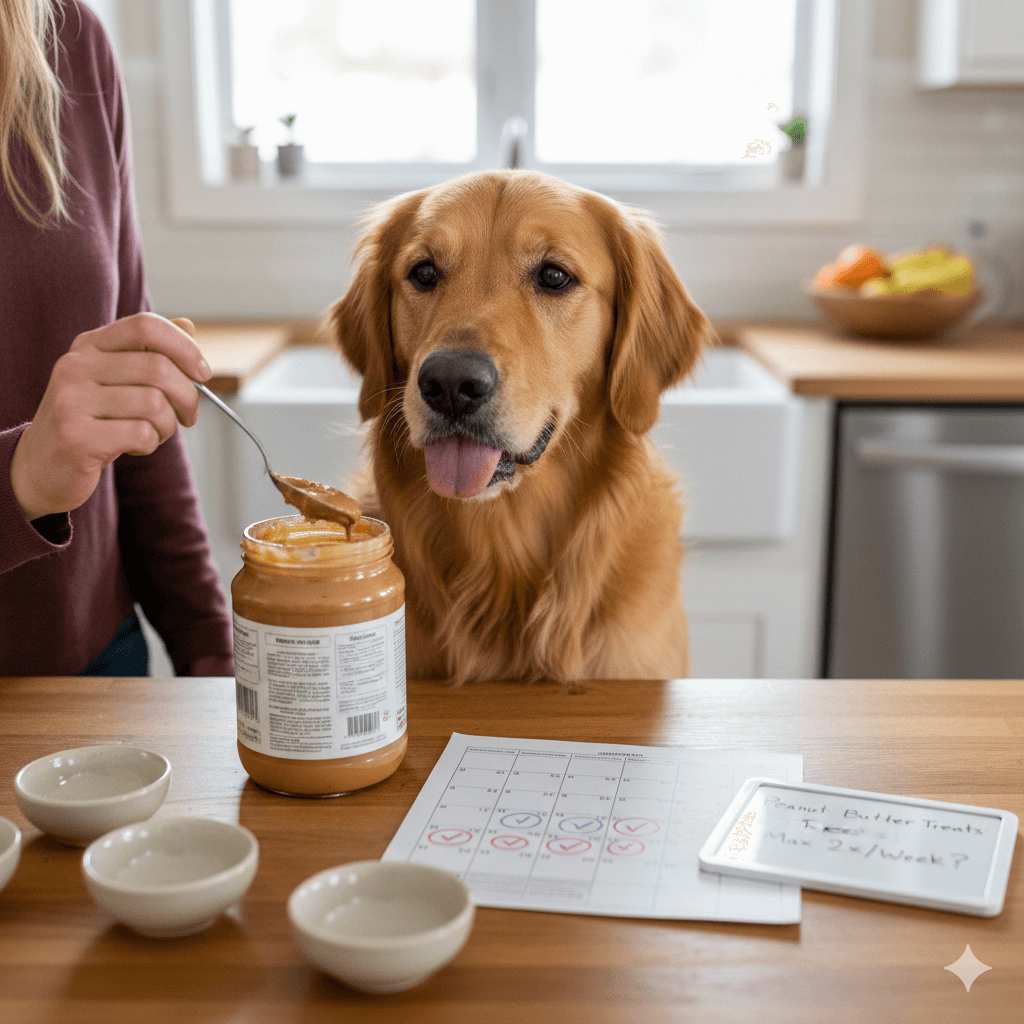

How Often Can I Give My Dog Peanut Butter?
Peanut butter is a popular treat for dogs, but moderation is key to ensuring it remains a safe and healthy indulgence. While most dogs love its rich, nutty flavor, overfeeding can lead to unwanted health issues like obesity or pancreatitis. Understanding the right frequency and portion size helps you spoil your pup responsibly while keeping them happy and healthy.
Nutritional Benefits of Peanut Butter for Dogs
Peanut butter is not just a tasty treat but also offers some nutritional benefits when given in moderation. It contains healthy fats, protein, and vitamins that can support your dog’s overall health. However, it’s essential to choose the right type of peanut butter and understand its role in your dog’s diet to avoid potential risks.
- Healthy Fats for Skin and Coat:
Peanut butter is rich in monounsaturated and polyunsaturated fats, which promote a shiny coat and healthy skin. These fats also support cell growth and immune function. - Protein for Muscle Development:
The protein content in peanut butter aids in muscle maintenance and repair, making it a valuable supplement for active or growing dogs. - Vitamins and Minerals:
Peanut butter contains vitamin E, niacin, and magnesium, which contribute to energy production, nerve function, and bone health. - Low Glycemic Index (Natural Varieties):
Unsweetened peanut butter has a lower glycemic index compared to sugary treats, making it a better option for dogs prone to blood sugar fluctuations. - Caloric Density Requires Moderation:
While peanut butter is nutritious, its high calorie content means portion control is crucial to prevent weight gain or obesity.
By incorporating peanut butter into your dog’s diet responsibly, you can provide a delicious and nutritious treat without compromising their health.
Potential Risks of Feeding Peanut Butter to Dogs
While peanut butter has benefits, overfeeding or choosing the wrong type can pose health risks. Understanding these risks ensures you make informed decisions about how often and how much to give your dog.
- Xylitol Toxicity Risk:
Many low-sugar peanut butters contain xylitol, a sugar substitute highly toxic to dogs that can cause hypoglycemia, seizures, or liver failure. - High Calorie Content Leads to Obesity:
Peanut butter is calorie-dense; frequent feeding without adjusting other meals can lead to excessive weight gain and related complications. - Pancreatitis from Excess Fat:
The high fat content in peanut butter may trigger pancreatitis, especially in dogs with sensitive digestive systems or preexisting conditions. - Allergic Reactions Are Possible:
Although rare, some dogs may develop allergic reactions to peanuts, including itching, hives, or gastrointestinal upset. - Choking Hazard with Chunky Varieties:
Chunky peanut butter poses a choking risk, particularly for small dogs or those prone to gulping food without chewing.
Awareness of these risks allows you to mitigate potential harm while still enjoying peanut butter as an occasional treat.
Check this guide 👉Peanut Butter Dog Cake Recipe: Best 7 Expert Tips!
Check this guide 👉Can Dogs Be Allergic to Peanut Butter? Best 7 Expert Tips!
| Do's for Feeding Peanut Butter | Don'ts for Feeding Peanut Butter |
|---|---|
| Choose xylitol-free, unsweetened varieties. | Avoid peanut butter with added sugars or salt. |
| Use as an occasional treat, not a daily snack. | Overfeed or exceed recommended portion sizes. |
| Freeze peanut butter in toys for mental stimulation. | Give chunky peanut butter to small or gulping dogs. |
| Combine with healthy ingredients like pumpkin or yogurt. | Ignore signs of digestive upset or allergies. |
| Make homemade peanut butter to control ingredients. | Feed peanut butter if your dog has pancreatitis or obesity. |
How to Choose the Right Peanut Butter for Your Dog
Not all peanut butter is created equal, and selecting the right variety is crucial for your dog’s safety and well-being. With so many options on the market, knowing what to look for ensures you make the best choice.
- Avoid Artificial Sweeteners Like Xylitol:
Always check the label for xylitol-free peanut butter; natural varieties are safer for dogs. - Opt for Unsweetened and Unsalted Varieties:
Added sugars and salt can harm your dog’s health; plain, unsweetened peanut butter is ideal. - Select Organic or Natural Brands:
Organic peanut butter avoids harmful additives, pesticides, and preservatives that could irritate your dog’s system. - Check for Allergenic Ingredients:
Some peanut butters include additional nuts or seeds that may be unsafe or allergenic for dogs. - Homemade Peanut Butter Offers Control:
Making peanut butter at home allows you to control ingredients, ensuring it’s 100% safe for your pup.
Choosing wisely minimizes risks and maximizes the enjoyment your dog gets from this beloved snack.
Recommended Serving Sizes and Frequency
Determining how much and how often to give your dog peanut butter depends on their size, activity level, and dietary needs. Proper portioning prevents overindulgence while allowing for regular treats.
- Small Dogs (Under 20 lbs):
Limit servings to ½ teaspoon per day or less to avoid overwhelming their small bodies with excess calories. - Medium Dogs (20–50 lbs):
A teaspoon per day is sufficient for medium-sized breeds; adjust based on activity levels. - Large Dogs (Over 50 lbs):
Up to one tablespoon daily is acceptable, provided their overall diet remains balanced. - Frequency Depends on Diet Balance:
Offer peanut butter no more than 2–3 times weekly to prevent caloric overload or nutrient imbalance. - Use Peanut Butter as a Training Reward:
Instead of large portions, use tiny smears during training sessions to keep intake minimal yet rewarding.
Moderation ensures peanut butter remains a healthy addition to your dog’s diet rather than a source of problems.
Creative Ways to Use Peanut Butter for Dogs
Peanut butter isn’t just a standalone treat—it can be incorporated into various activities and recipes to enhance your dog’s enjoyment safely. Here are creative ideas to make the most of this versatile snack.
- Stuff It in Toys for Mental Stimulation:
Spread peanut butter inside Kong toys or puzzle feeders to keep your dog entertained and mentally engaged. - Freeze for a Cooling Treat:
Mix peanut butter with water or yogurt, freeze it in molds, and serve as a refreshing summer snack. - Combine with Healthy Ingredients:
Blend peanut butter with pumpkin puree or banana for a nutrient-packed treat that’s both tasty and beneficial. - Use as a Pill Concealer:
Coat medications in a thin layer of peanut butter to encourage reluctant dogs to take their pills. - Bake Homemade Peanut Butter Cookies:
Make dog-safe cookies using peanut butter, oats, and eggs for a wholesome homemade reward.
These creative uses add variety to your dog’s routine while keeping peanut butter intake controlled.
Signs Your Dog May Be Overeating Peanut Butter
Overfeeding peanut butter can lead to visible signs of discomfort or health issues. Recognizing these symptoms helps you adjust portion sizes or frequency accordingly.
- Weight Gain Despite Normal Activity:
Sudden increases in body weight signal excessive calorie intake from treats like peanut butter. - Lethargy or Lack of Energy:
Digestive strain from too much fat can leave your dog feeling sluggish or uninterested in play. - Loose Stools or Diarrhea:
Excessive fat disrupts gut balance, leading to gastrointestinal upset and irregular bowel movements. - Increased Thirst or Urination:
High sodium content in some peanut butters causes dehydration, prompting excessive drinking and peeing. - Vomiting After Consumption:
If your dog vomits shortly after eating peanut butter, it may indicate intolerance or overconsumption.
Monitoring these signs ensures you catch issues early and adjust your approach to peanut butter treats.
Alternatives to Peanut Butter for Dogs
If peanut butter isn’t suitable for your dog due to allergies, sensitivities, or dietary restrictions, plenty of alternatives exist. Exploring these options keeps treat time exciting without compromising safety.
- Pumpkin Puree:
Rich in fiber and low in calories, pumpkin aids digestion and makes a great peanut butter substitute. - Plain Yogurt:
Yogurt provides probiotics for gut health and can be frozen for a creamy, cooling treat. - Mashed Banana:
Bananas are naturally sweet, packed with potassium, and easy to digest for most dogs. - Apple Slices (Without Seeds):
Apples offer a crunchy, hydrating snack full of vitamins and antioxidants. - Carrot Sticks:
Low-calorie carrots are crunchy, satisfying, and excellent for dental health.
Exploring these alternatives ensures your dog enjoys variety while staying safe and healthy.
“If you are going to use peanut butter to give your dog treats or medicine, which many people do, it should only have peanuts, salt and maybe sugar. Make sure it doesn’t have Xylitol.” – Dr. Laura Gaylord, Veterinary Nutritionist
Frequently Asked Questions About Feeding Peanut Butter to Dogs
Can peanut butter cause allergies in dogs?
Yes, though rare, some dogs may develop allergies to peanuts. Watch for symptoms like itching, hives, or vomiting after feeding.
Is natural peanut butter safe for dogs?
Yes, natural peanut butter without xylitol, sugar, or salt is safe in moderation. Always check the label before offering it.
How much peanut butter can I give my dog per day?
Portion sizes depend on your dog’s size: Small dogs (½ teaspoon), medium dogs (1 teaspoon), and large dogs (1 tablespoon). Limit frequency to 2–3 times weekly.
Can peanut butter help with medication?
Yes, a small smear of peanut butter can conceal pills effectively, but use it sparingly to avoid overfeeding.
What are the signs of peanut butter toxicity?
Signs include vomiting, diarrhea, lethargy, seizures, or loss of coordination—often caused by xylitol poisoning.
A Treat Worth Sharing Responsibly
Peanut butter is a beloved snack for many dogs, offering both nutritional benefits and endless enjoyment when given responsibly. By choosing the right type, controlling portions, and monitoring for adverse reactions, you can safely incorporate this treat into your dog’s routine. Remember, moderation is key—even the healthiest snacks can become problematic if overfed. Whether you’re using peanut butter to reward good behavior, enrich playtime, or mask medication, your thoughtful approach ensures your pup stays happy and healthy. With these expert tips in mind, you’re ready to share this tasty delight guilt-free while keeping your dog’s well-being at the forefront.
Is Rawhide Bad for Cats? Best 7 Expert Tips! – Discover the risks, safe alternatives, and expert advice to keep your feline friend healthy and happy.

Is Rawhide Bad for Dogs? Best 7 Expert Tips! – Discover the risks, benefits, and safer alternatives to rawhides for your dog’s chewing needs.

Understanding Anorexia in Cats: Best 7 Expert Tips! – Learn why cats stop eating, spot warning signs, and discover how to help your feline regain appetite safely.

Understanding Anorexia in Dogs: Best 7 Expert Tips! – Learn causes, symptoms, and solutions to help your dog regain appetite and stay healthy.