



How Much Yogurt Can I Feed My Dog Per Day? Best 7 Tips!

How Much Yogurt Can I Feed My Dog Per Day? Best 7 Tips!

How Much Yogurt Can I Feed My Dog Per Day?

Yogurt is a popular human food that many pet owners consider sharing with their dogs. Packed with probiotics, calcium, and protein, it offers potential health benefits for our furry friends. However, as with any human food, moderation is key. Feeding your dog too much yogurt can lead to digestive upset or even weight gain. So, how much yogurt is safe to feed your dog daily? In this blog post, we’ll explore everything you need to know about incorporating yogurt into your dog’s diet safely and responsibly.

Is Yogurt Safe for Dogs?

Before diving into portion sizes, it’s important to understand whether yogurt is safe for dogs in the first place. Here’s what you need to know:

 
  • Lactose Content : Many dogs are lactose intolerant, so plain, unsweetened yogurt is the safest option.

  • Probiotic Benefits : Yogurt contains beneficial bacteria that can support your dog’s gut health.

  • Calcium-Rich : It provides calcium, which is essential for strong bones and teeth.

  • Potential Allergies : Some dogs may be allergic to dairy products, so monitor for signs like itching or vomiting.

  • Avoid Additives : Flavored yogurts often contain sugar, artificial sweeteners, or harmful additives like xylitol.


In summary, plain yogurt can be a healthy treat for most dogs, but always introduce it gradually and in small amounts to ensure your pup tolerates it well.

Recommended Daily Portions of Yogurt for Dogs

How much yogurt you can feed your dog depends on their size, age, and dietary needs. Here’s a general guideline:

 
  • Small Dogs (Under 20 lbs) : A teaspoon to one tablespoon per day is sufficient.

  • Medium Dogs (20-50 lbs) : One to two tablespoons per day is ideal.

  • Large Dogs (Over 50 lbs) : Two to three tablespoons per day is a safe amount.

  • Puppies : Limit yogurt to a teaspoon or less, as their digestive systems are still developing.

  • Senior Dogs : Adjust portions based on activity level and overall health, as older dogs may require fewer calories.


Remember, yogurt should only make up a small portion of your dog’s daily caloric intake—no more than 10% of their total diet.

How Much Yogurt Can I Feed My Dog Per Day? Best 7 Tips!
Dog Size
Recommended Yogurt Portion Per Day
Small (Under 20 lbs)
1 teaspoon to 1 tablespoon
Medium (20-50 lbs)
1 to 2 tablespoons
Large (Over 50 lbs)
2 to 3 tablespoons
Puppies
Up to 1 teaspoon
Senior Dogs
Adjust based on health and activity level

Health Benefits of Feeding Yogurt to Dogs

Adding yogurt to your dog’s diet can provide several health benefits when fed in moderation. Here’s what your dog might gain:

 
  • Improved Digestion : Probiotics in yogurt can help regulate your dog’s digestive system.

  • Stronger Immune System : The good bacteria in yogurt may boost your dog’s immune response.

  • Shinier Coat : Yogurt’s omega-3 fatty acids can contribute to healthier skin and a glossier coat.

  • Weight Management : Low-fat yogurt can be a satisfying, low-calorie snack for dogs watching their weight.

  • Dental Health : The calcium in yogurt supports strong teeth and bones.


While yogurt offers these benefits, always monitor your dog for any adverse reactions and consult your vet if unsure.

Signs Your Dog May Have Eaten Too Much Yogurt

Even though yogurt is generally safe, overfeeding can lead to problems. Watch for these signs that your dog has had too much:

 
  • Diarrhea : Excessive yogurt consumption can upset your dog’s stomach and cause loose stools.

  • Vomiting : This is a common reaction to overeating or consuming something they can’t tolerate.

  • Bloating : Too much yogurt at once may cause discomfort and bloating.

  • Weight Gain : Regularly feeding large portions can contribute to unhealthy weight gain.

  • Allergic Reactions : Symptoms like itching, swelling, or difficulty breathing may indicate an allergy.


If you notice any of these signs, reduce or eliminate yogurt from your dog’s diet and consult your veterinarian for advice.

Alternative Healthy Treats for Dogs

If you’re looking for other healthy treats to complement or replace yogurt, there are plenty of dog-friendly options to consider. Here are some nutritious alternatives:

 
  • Carrots : Low in calories and high in fiber, carrots are great for dental health and provide a satisfying crunch.

  • Blueberries : Packed with antioxidants, these tiny berries make a sweet and safe treat for dogs.

  • Pumpkin : Plain, canned pumpkin (not pumpkin pie filling) is excellent for digestive health and can help with both diarrhea and constipation.

  • Green Beans : These are low in calories and rich in vitamins, making them a great option for weight management.

  • Apples : Remove the seeds and core, and apples become a tasty, vitamin-rich snack for your pup.


Incorporating these alternatives into your dog’s diet can provide variety and ensure they receive a range of nutrients while avoiding over-reliance on any one food.

How to Introduce New Foods to Your Dog’s Diet

Introducing new foods like yogurt or other treats requires care to avoid upsetting your dog’s stomach. Follow these steps for a smooth transition:

 
  • Start Small : Begin with a tiny portion to see how your dog reacts before increasing the amount.

  • Monitor for Reactions : Watch for signs of allergies, intolerance, or digestive upset after introducing the new food.

  • Mix with Familiar Foods : Combine the new food with something your dog already enjoys to make it more appealing.

  • Space Out Introductions : Avoid introducing multiple new foods at once to identify any adverse reactions more easily.

  • Consult Your Vet : Always check with your veterinarian before making significant changes to your dog’s diet.


By taking these precautions, you can safely introduce new foods and ensure your dog enjoys them without any negative effects.

Common Mistakes to Avoid When Feeding Yogurt to Dogs

While yogurt can be a healthy treat, there are common mistakes pet owners should avoid to keep their dogs safe. Here’s what to watch out for:

 
  • Feeding Flavored Yogurt : Sugary or artificially flavored yogurts can harm your dog’s health and should always be avoided.

  • Overfeeding : Even healthy foods can lead to weight gain or digestive issues if given in excess.

  • Ignoring Allergies : Some dogs may have undiagnosed dairy allergies, so monitor for symptoms like itching or swelling.

  • Using Yogurt as a Meal Replacement : Yogurt should only be a supplement, not a substitute for balanced dog food.

  • Skipping Vet Approval : Always consult your vet before adding new foods, especially if your dog has existing health conditions.


Avoiding these mistakes will help ensure that yogurt remains a safe and beneficial addition to your dog’s diet.

Frequently Asked Questions About Feeding Yogurt to Dogs

Can all dogs eat yogurt?

Most dogs can eat plain, unsweetened yogurt, but those with lactose intolerance or dairy allergies should avoid it.

Plain, unsweetened yogurt with no artificial additives is the safest choice.

Yes, the probiotics in yogurt may help restore balance to your dog’s digestive system.


Greek yogurt is higher in protein and lower in lactose, making it a good option for many dogs.

Yes, but in very small amounts and only if they tolerate it well. Always check with your vet first.

Finding the Right Balance for Your Dog’s Yogurt Treats

Feeding yogurt to your dog can be a healthy and enjoyable addition to their diet when done responsibly. By understanding the appropriate portion sizes, recognizing potential risks, and monitoring your dog’s reaction, you can ensure they reap the benefits without any negative effects. Remember, every dog is unique, so tailor your approach to suit their individual needs. With moderation and care, yogurt can become a tasty and nutritious treat that both you and your furry friend can feel good about.

Pemphigus Erythematosus in Cats: Best 7 Expert Tips!

Pemphigus Erythematosus in Cats: Best 7 Expert Tips! – Learn to recognize symptoms, manage flare-ups, and improve your cat’s quality of life.

Pemphigus Erythematosus in Dogs: Best 7 Expert Tips!

Pemphigus Erythematosus in Dogs: Best 7 Expert Tips! – Discover causes, symptoms, and treatment options to manage this autoimmune skin condition effectively.
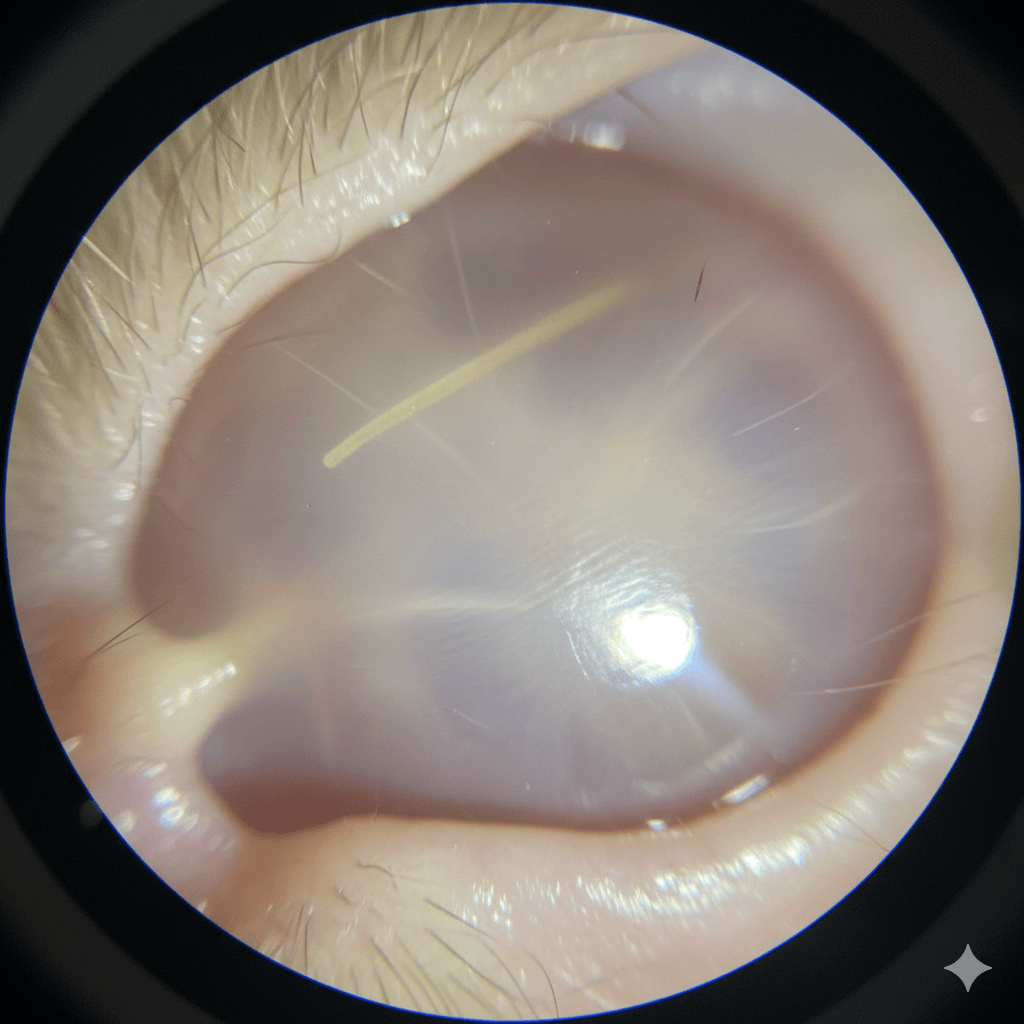
Cat Tympanic Membrane: Best 7 Expert Tips!

Cat Tympanic Membrane: Best 7 Expert Tips! – Learn how to protect your cat’s eardrum, spot issues early, and ensure lifelong auditory health.
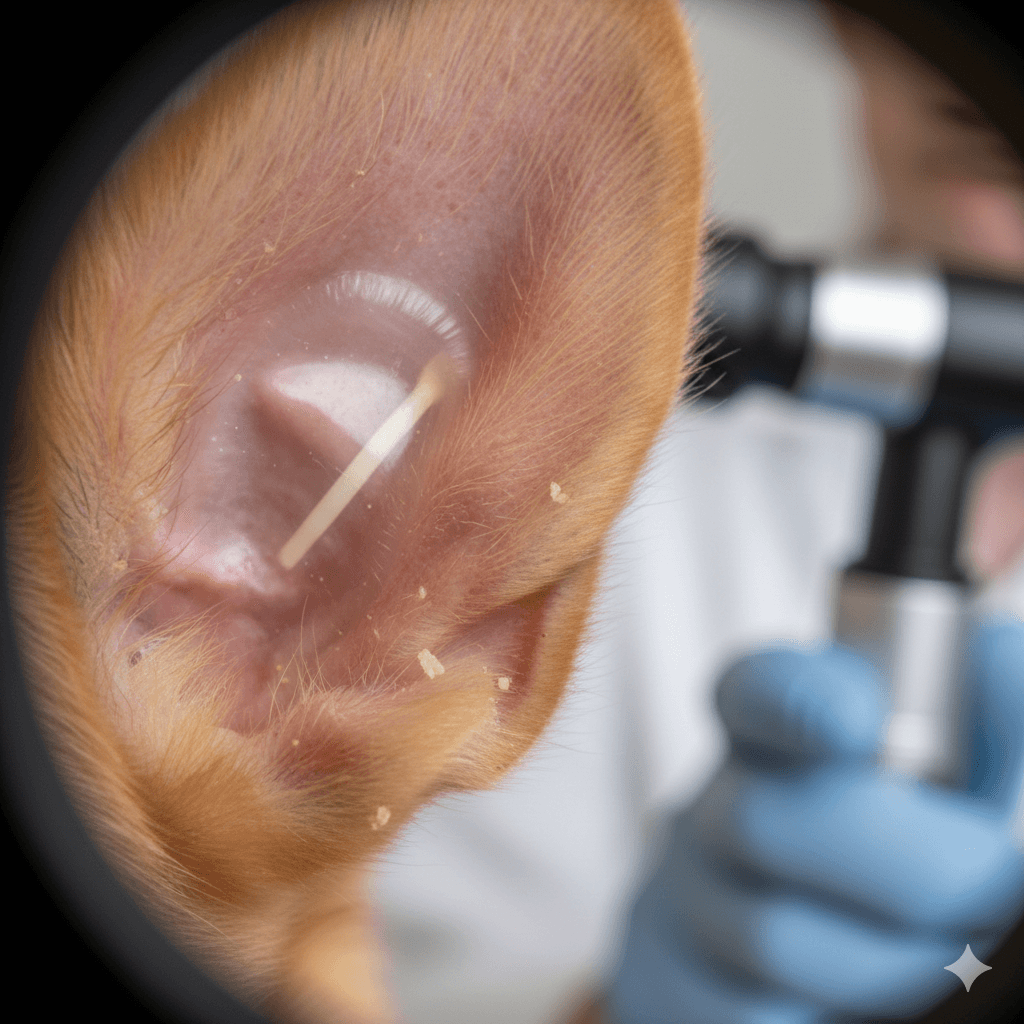
Dog Tympanic Membrane: Best 7 Expert Tips!

Dog Tympanic Membrane: Best 7 Expert Tips! – Learn how to protect your dog’s eardrum, spot issues early, and ensure lifelong ear health with expert advice.

Leave a Reply

Your email address will not be published. Required fields are marked *

Post Category