
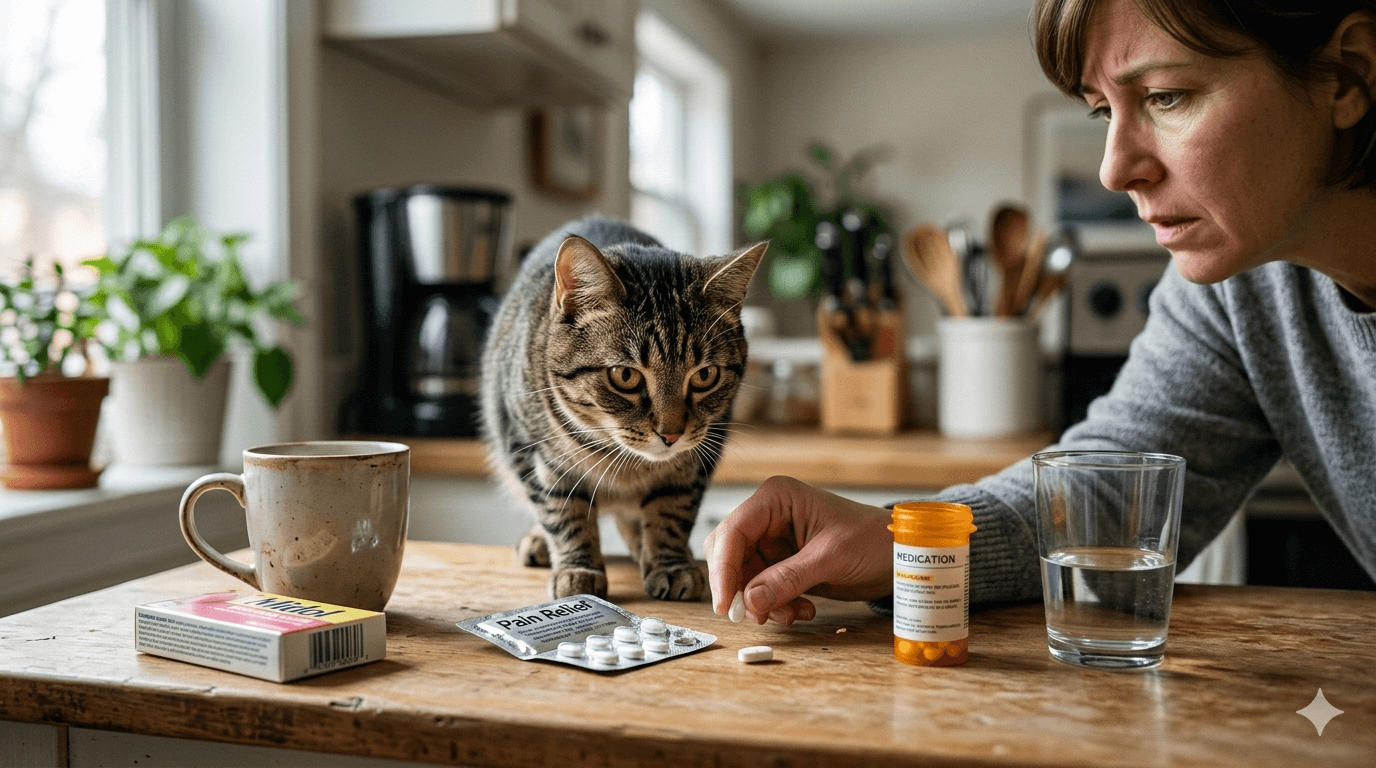
How Much Ibuprofen Can I Give My Dog?
When our furry friends are in pain, it’s natural to want to help them feel better quickly. Many pet owners wonder whether over-the-counter medications like ibuprofen, commonly used for human aches and pains, are safe for dogs. However, what works for humans can be dangerous—or even deadly—for our canine companions. While ibuprofen is sometimes prescribed by veterinarians in very specific doses, giving it without professional guidance can lead to serious health risks.
In this blog post, we’ll explore the dangers of ibuprofen for dogs, safer alternatives, and what to do if your dog accidentally ingests it. Remember, your dog’s health depends on making informed decisions—so always consult your vet before administering any medication.
Expert Opinion on Ibuprofen
“Ibuprofen is a nonsteroidal anti-inflammatory drug (NSAID) commonly used in humans to relieve pain, reduce inflammation, and lower fever. It’s available over the counter and is often used to treat headaches, muscle aches, and minor injuries in humans.”
Why Ibuprofen Is Dangerous for Dogs
Ibuprofen may seem harmless, but even small amounts can wreak havoc on a dog’s sensitive system. Understanding why this medication is toxic to dogs is crucial for preventing accidental poisoning.
Kidney Damage:
Ibuprofen can impair kidney function, leading to dehydration, lethargy, and even kidney failure if left untreated.Stomach Ulcers:
This medication irritates the lining of a dog’s stomach, often causing ulcers, vomiting, and internal bleeding.Liver Toxicity:
The liver metabolizes ibuprofen, but in dogs, it can overwhelm their system, resulting in liver damage or failure.Neurological Symptoms:
High doses of ibuprofen can affect the central nervous system, causing seizures, tremors, or disorientation.Lack of Proper Dosage Guidelines:
Unlike human medications, there is no universally “safe” dose of ibuprofen for dogs—it varies based on size, breed, and health condition.
These risks underscore the importance of avoiding ibuprofen unless explicitly prescribed by a veterinarian. Always prioritize your dog’s safety over convenience.
Signs Your Dog Has Ingested Ibuprofen
If you suspect your dog has accidentally consumed ibuprofen, recognizing the symptoms early can save their life. Time is of the essence when it comes to treating poisoning.
Vomiting (with or without blood):
One of the first signs of ibuprofen toxicity, especially if accompanied by traces of blood.Diarrhea:
Loose stools may indicate gastrointestinal distress caused by the medication.Loss of Appetite:
A sudden refusal to eat could signal that your dog is feeling unwell due to poisoning.Lethargy or Weakness:
Dogs suffering from ibuprofen toxicity often appear unusually tired or unresponsive.Increased Thirst and Urination:
These symptoms suggest potential kidney issues triggered by the drug.
If you notice any of these signs, contact your veterinarian immediately. Quick action can make all the difference in your dog’s recovery.
Check this guide 👉How Much Cerenia to Give a Dog? Best 7 Expert Tips!
Check this guide 👉How Much Pepto Can I Give My Dog? Best 7 Expert Tips!
Check this guide 👉Panacur Dosage for Dogs: Best 7 Expert Tips!
Symptoms of Ibuprofen Poisoning | Immediate Actions to Take |
|---|---|
Vomiting (with or without blood) | Call your vet or an emergency clinic |
Diarrhea | Do not induce vomiting without guidance |
Loss of appetite | Keep your dog hydrated if possible |
Lethargy or weakness | Monitor vital signs closely |
Increased thirst and urination | Prevent further exposure to ibuprofen |
Safer Alternatives to Ibuprofen for Dogs
If your dog is in pain, there are much safer options than ibuprofen. Always consult your veterinarian before administering any treatment, but here are some alternatives they might recommend.
Prescription Pain Medications:
Drugs like carprofen or meloxicam are specifically formulated for dogs and are far safer than ibuprofen.Natural Remedies:
Supplements such as turmeric, omega-3 fatty acids, or glucosamine can reduce inflammation and support joint health.Cold Compresses:
Applying a cold compress to swollen areas can alleviate discomfort without medication.Massage Therapy:
Gentle massage can improve circulation and ease muscle tension in dogs experiencing pain.Weight Management:
Maintaining a healthy weight reduces stress on joints, minimizing chronic pain in older or arthritic dogs.
These alternatives provide effective ways to manage your dog’s pain while minimizing the risk of harmful side effects.
What to Do If Your Dog Eats Ibuprofen
Accidents happen, but knowing how to respond if your dog ingests ibuprofen can prevent tragedy. Acting quickly is essential to minimize harm.
Stay Calm and Assess the Situation:
Determine how many pills were consumed and note the time of ingestion to share with your vet.Do Not Induce Vomiting Without Guidance:
Attempting to make your dog vomit at home can worsen the situation—only proceed under veterinary advice.Contact Emergency Services Immediately:
Call your vet, an animal poison control hotline, or an emergency clinic for immediate assistance.Bring the Packaging:
Take the ibuprofen container to the vet so they can calculate the exact dosage ingested.Follow Treatment Instructions Carefully:
Your vet may administer activated charcoal, IV fluids, or other treatments to counteract the effects of ibuprofen.
Swift action and professional care are critical to ensuring your dog recovers safely from ibuprofen ingestion.
Common Mistakes Pet Owners Make with Medications
Administering medications to pets requires caution, yet many pet owners inadvertently put their dogs at risk. Avoid these common mistakes to protect your pup.
Assuming Human Medications Are Safe:
What’s safe for humans isn’t always safe for dogs—always check with your vet first.Overestimating Safe Doses:
Guessing dosages can lead to overdoses, which are life-threatening for dogs.Ignoring Warning Labels:
Overlooking package instructions can result in improper usage and unintended harm.Delaying Veterinary Care:
Waiting too long to seek help after an accidental ingestion can worsen outcomes.Using Expired Medications:
Outdated drugs can lose potency or become harmful, posing additional risks to your dog.
Avoiding these errors ensures your dog receives the care they need without unnecessary risks.
Preventing Accidental Medication Ingestion
Prevention is key when it comes to protecting your dog from harmful substances. Follow these tips to keep medications out of reach.
Store Medications Securely:
Keep all medications in closed containers, ideally in high cabinets away from curious paws.Dispose of Unused Pills Safely:
Throw away old medications responsibly to prevent accidental consumption.Supervise During Treat Time:
Ensure dropped pills or supplements aren’t mistaken for treats during feeding sessions.Use Childproof Containers:
These containers add an extra layer of protection against accidental spills or chewing.Educate Family Members:
Make sure everyone in the household knows not to give medications to the dog without permission.
Taking preventative measures significantly reduces the risk of accidental poisoning.
Understanding Your Dog’s Pain Signals
Recognizing when your dog is in pain allows you to address the issue promptly and seek appropriate treatment. Here are some telltale signs.
Behavioral Changes:
A normally active dog becoming withdrawn or lethargic may indicate discomfort.Excessive Licking or Chewing:
Focused attention on a specific body part could mean localized pain or irritation.Reluctance to Move:
Hesitation to jump, climb stairs, or engage in physical activities suggests joint or muscle pain.Whining or Vocalizing:
Unusual sounds like whining, whimpering, or growling can signal distress or discomfort.Changes in Appetite:
Refusal to eat or drink may accompany pain-related illnesses or injuries.
Understanding these signals helps you identify pain early and seek proper care for your dog.
Frequently Asked Questions About Ibuprofen and Dogs
Is ibuprofen ever safe for dogs?
Only under strict veterinary supervision and in precise doses tailored to your dog’s size and condition.
How much ibuprofen is toxic to dogs?
Even small amounts (as little as one pill) can be toxic depending on the dog’s weight and health status.
What should I do if my dog ate ibuprofen an hour ago?
Contact your vet immediately—they may advise inducing vomiting or administering activated charcoal.
Can I give my dog Tylenol instead of ibuprofen?
No, Tylenol (acetaminophen) is equally dangerous for dogs and should never be given without veterinary approval.
Are there long-term effects of ibuprofen poisoning?
Yes, kidney or liver damage can occur if left untreated, potentially leading to lifelong complications.
Prioritizing Your Dog’s Health and Safety
While ibuprofen is a staple in many households, it’s simply not worth the risk when it comes to treating your dog’s pain. Dogs rely on us to make the best decisions for their well-being, and that means avoiding medications designed for humans unless explicitly advised by a vet. By staying informed about the dangers of ibuprofen and exploring safer alternatives, you can ensure your furry friend stays happy, healthy, and pain-free. Remember, when in doubt, always consult your veterinarian—they’re your most trusted resource for keeping your dog safe.
Cat Wheat Allergies: Best 7 Expert Tips! – Discover symptoms, dietary solutions, and prevention strategies to manage your cat’s wheat allergy effectively.
Wheat Allergies in Dogs: Best 7 Expert Tips! – Learn to spot symptoms, manage diets, and improve your dog’s health with expert advice on wheat allergies.
How Much Does a Mastiff Dog Weigh? Best 7 Expert Tips! – Discover the ideal weight range, growth patterns, and health tips to keep your Mastiff happy and strong.
Amino Acids for Cats: Best 7 Expert Tips! – Discover the essential amino acids your cat needs, their benefits, and how to ensure a balanced diet for optimal health.