
How Much Does a Mastiff Dog Weigh?
The Mastiff is one of the largest and most impressive dog breeds, known for its massive size and gentle temperament. Adult Mastiffs typically weigh between 120 and 230 pounds, with males being significantly heavier than females. Understanding their weight range is essential for proper care, nutrition, and ensuring a healthy lifestyle for this gentle giant.
Factors Influencing the Weight of a Mastiff Dog
The weight of a Mastiff is influenced by several factors, including genetics, diet, exercise, and overall health. While breed standards provide a general range, individual dogs may vary significantly based on these variables. Understanding these factors helps owners better manage their Mastiff’s weight and ensure they remain healthy throughout their lives.
- Genetics and Breed Standards:
A Mastiff’s weight is largely determined by its genetic makeup. Purebred Mastiffs typically adhere to breed standards, with males weighing 160–230 pounds and females 120–170 pounds. However, mixed breeds or dogs with lineage variations may fall outside this range. Genetic predispositions also influence growth patterns, muscle mass, and bone density, all of which contribute to weight. - Diet and Nutrition:
Proper nutrition plays a critical role in determining a Mastiff’s weight. High-quality, protein-rich diets support muscle development and healthy growth, while overfeeding can lead to obesity—a common issue in large breeds. Puppies require specially formulated food to support rapid growth without overloading their joints. Conversely, underfeeding can result in stunted development or malnutrition, negatively impacting their weight and overall health. - Exercise and Activity Levels:
Mastiffs are not overly active dogs, but regular exercise is essential to maintain a healthy weight. Insufficient activity can lead to excessive weight gain, putting strain on their joints and internal organs. On the other hand, overexertion during puppyhood can harm their developing bones and joints, potentially affecting their adult weight. A balanced exercise routine tailored to their age and energy levels ensures optimal weight management. - Health Conditions and Medications:
Certain health issues can affect a Mastiff’s weight. Hypothyroidism, for example, often leads to weight gain due to a slowed metabolism. Joint problems like hip dysplasia may limit mobility, indirectly contributing to weight gain. Additionally, medications such as steroids can increase appetite and cause weight fluctuations. Regular veterinary check-ups help identify and address these issues promptly. - Age and Life Stage:
A Mastiff’s weight changes significantly throughout its life. Puppies grow rapidly, gaining up to 10 pounds per week during their first year. Adolescents experience slower but steady growth until reaching their full adult weight around 2–3 years of age. Senior Mastiffs, however, may lose muscle mass or gain weight due to reduced activity levels. Monitoring weight at each life stage ensures proper care and intervention when needed.
Understanding these factors allows owners to make informed decisions about their Mastiff’s lifestyle, ensuring they stay within a healthy weight range for their size and age.
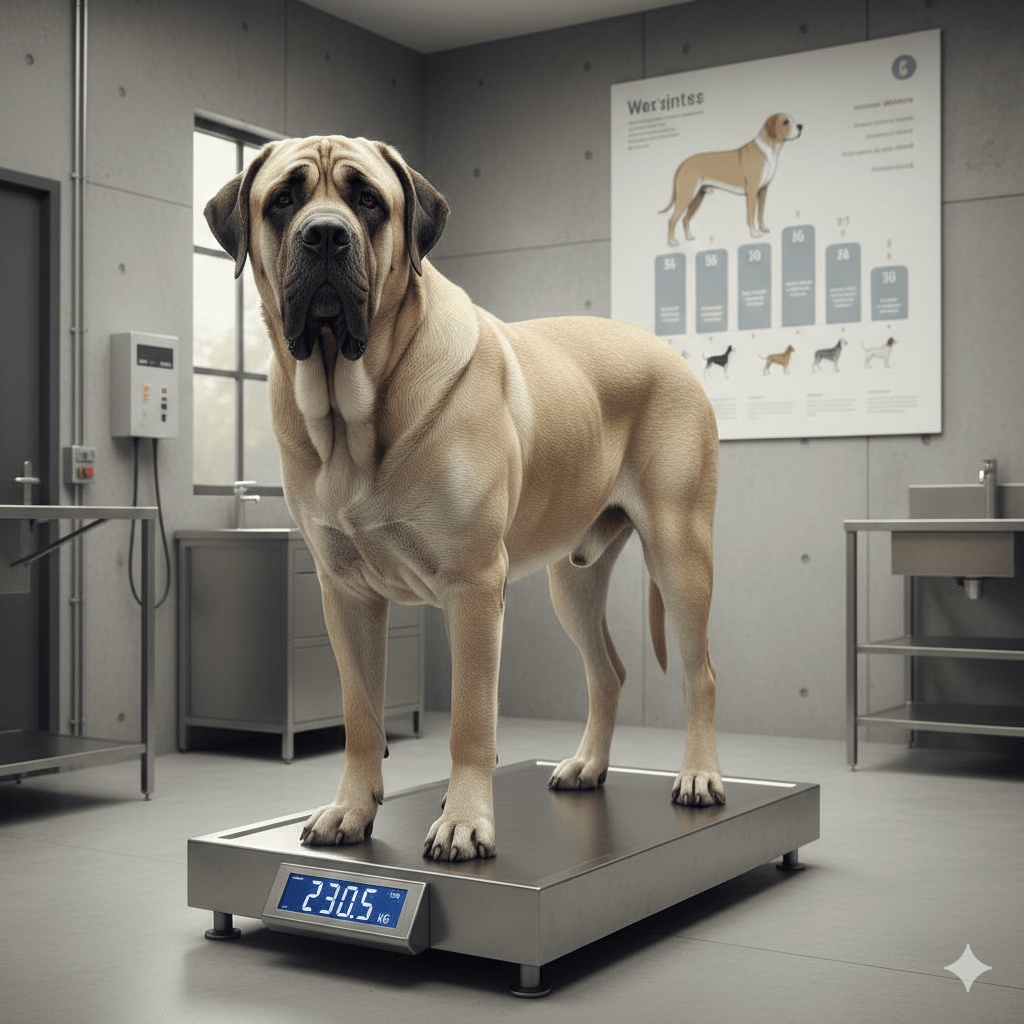
Average Weight Range for Male Mastiffs
Male Mastiffs are known for their impressive size and strength, with weights significantly higher than their female counterparts. Their weight range is influenced by breed standards, genetics, and individual characteristics. Knowing what to expect helps owners prepare for the unique needs of male Mastiffs.
- Breed Standard Weight Range:
According to breed standards, male Mastiffs typically weigh between 160 and 230 pounds when fully grown. This wide range accommodates variations in height, muscle mass, and overall build. Dogs on the lower end of the spectrum may appear leaner, while those on the higher end often have a more robust frame. - Height-to-Weight Proportionality:
Male Mastiffs stand 30 inches or taller at the shoulder, and their weight should be proportional to their height. For every inch of height, they generally weigh an additional 8–10 pounds. Disproportionate weight—either too high or too low—can indicate health concerns that require attention. - Muscle Mass vs. Fat Accumulation:
Male Mastiffs are naturally muscular, and much of their weight comes from dense muscle tissue rather than fat. However, improper diet or lack of exercise can lead to excess fat accumulation, increasing the risk of obesity-related health issues. Maintaining a balance between muscle and fat is crucial for their well-being. - Growth Patterns in Male Mastiffs:
Male Mastiffs grow steadily during their first two years, reaching their full adult weight by age 2–3. During this period, they may experience growth spurts, adding significant weight in short periods. Proper nutrition and controlled exercise are vital to support healthy development. - Impact of Neutering on Weight:
Neutering can influence a male Mastiff’s weight due to hormonal changes that slow metabolism and increase appetite. Owners must adjust feeding portions and monitor activity levels to prevent post-neutering weight gain.
Male Mastiffs are majestic giants whose weight reflects their powerful build. Proper care ensures they remain healthy and active throughout their lives.
Check this guide 👉Mastiff Dog Life Expectancy: Best 7 Expert Tips!
Check this guide 👉Mastiff vs Presa Canario: Best 7 Expert Tips!
Check this guide 👉Cane Corso Mastiff Great Dane Mix: Best 7 Expert Tips!
Male Mastiff Weight Range | Female Mastiff Weight Range |
|---|---|
160–230 pounds (73–104 kg) | 120–170 pounds (54–77 kg) |
Height: 30+ inches at the shoulder | Height: 27–30 inches at the shoulder |
Muscle mass contributes significantly to weight | Leaner build compared to males |
Growth peaks around 2–3 years | Reaches full size slightly earlier (18–24 months) |
Prone to obesity without proper care | Requires portion control to prevent underweight issues |
Average Weight Range for Female Mastiffs
Female Mastiffs are slightly smaller and lighter than males but still rank among the largest dog breeds. Their weight range is influenced by similar factors, though their physiology and temperament differ slightly. Understanding these differences helps owners tailor care to their specific needs.
- Breed Standard Weight Range:
Female Mastiffs typically weigh between 120 and 170 pounds when fully grown. This range accounts for variations in height, body composition, and individual traits. Smaller females may weigh closer to 120 pounds, while larger ones approach 170 pounds. - Height-to-Weight Ratio:
Females usually stand 27–30 inches tall at the shoulder, with their weight proportionate to their height. For every inch of height, they generally weigh 7–9 pounds. Maintaining this ratio ensures a balanced physique and reduces strain on their joints. - Body Composition Differences:
Compared to males, female Mastiffs tend to have a slimmer build with less pronounced musculature. However, they are still solidly built, and their weight primarily consists of lean muscle rather than fat. Overfeeding or inadequate exercise can lead to unhealthy weight gain. - Growth Patterns in Females:
Female Mastiffs reach their full adult weight slightly earlier than males, typically by age 18–24 months. Their growth rate is steady but less intense than that of males, requiring careful monitoring to avoid overfeeding during development. - Reproductive Impact on Weight:
Spaying can affect a female Mastiff’s metabolism and appetite, potentially leading to weight gain if not managed properly. Adjusting diet and exercise routines post-spaying helps maintain a healthy weight.
Female Mastiffs are graceful yet powerful, and understanding their weight dynamics ensures they thrive in a supportive environment.
Health Risks Associated with Overweight Mastiffs
Excess weight poses significant health risks for Mastiffs, given their already large frames and predisposition to joint and skeletal issues. Obesity can exacerbate existing conditions and reduce their lifespan. Recognizing these risks emphasizes the importance of weight management.
- Joint and Skeletal Problems:
Mastiffs are prone to hip and elbow dysplasia, and excess weight places additional stress on their joints, worsening these conditions. Obesity increases the risk of arthritis, making movement painful and limiting mobility. - Cardiovascular Strain:
Carrying extra weight forces the heart to work harder, increasing the risk of heart disease and hypertension. Over time, this strain can lead to serious cardiovascular complications. - Respiratory Issues:
Obese Mastiffs may struggle with breathing due to compressed airways and reduced lung capacity. Brachycephalic tendencies in some Mastiffs further compound respiratory challenges. - Diabetes Risk:
Excess body fat interferes with insulin regulation, raising the likelihood of developing diabetes. Managing weight through diet and exercise is crucial for preventing this chronic condition. - Reduced Lifespan:
Studies show that overweight dogs live significantly shorter lives than their healthy-weight counterparts. Excess weight accelerates aging and increases susceptibility to various diseases.
Preventing obesity through proper nutrition, portion control, and regular exercise ensures Mastiffs enjoy long, healthy lives.
Health Risks Associated with Underweight Mastiffs
While obesity is a common concern, underweight Mastiffs face equally significant health risks. Malnutrition or insufficient caloric intake can weaken their immune system and compromise their overall well-being. Addressing these risks requires careful attention to diet and lifestyle.
- Weakened Immune System:
Underweight Mastiffs often lack the nutrients needed to support a robust immune response, making them more susceptible to infections and illnesses. Chronic malnutrition weakens their ability to fight off diseases. - Muscle Atrophy:
Insufficient protein intake leads to muscle loss, reducing strength and mobility. Muscle atrophy compromises their ability to perform daily activities and puts additional strain on their joints. - Energy Deficiency:
Underweight dogs frequently exhibit lethargy and fatigue due to inadequate energy reserves. This lack of energy affects their quality of life and ability to engage in play or exercise. - Bone Density Issues:
Poor nutrition during puppyhood can result in reduced bone density, increasing the risk of fractures and skeletal deformities. Calcium and phosphorus deficiencies further exacerbate these problems. - Reproductive Challenges:
Underweight female Mastiffs may experience irregular heat cycles or difficulty conceiving. Malnourished mothers are also at higher risk of complications during pregnancy and whelping.
Ensuring Mastiffs receive adequate nutrition prevents these risks and promotes optimal health.
How to Measure Your Mastiff’s Weight Accurately
Accurately measuring your Mastiff’s weight is essential for monitoring their health and adjusting care as needed. Given their size, weighing them at home requires creativity, while veterinary visits provide precise measurements. Here’s how to do it effectively.
- Using a Bathroom Scale:
For smaller Mastiffs, you can weigh yourself holding your dog, then subtract your weight to determine theirs. Ensure the scale is calibrated and positioned on a flat surface for accuracy. - Veterinary Scales:
Large veterinary scales are designed to handle the weight of giant breeds like Mastiffs. Regular vet visits allow for precise measurements and professional guidance on maintaining a healthy weight. - Visual Body Condition Scoring:
Assess your Mastiff’s body condition by feeling their ribs, spine, and hips. A healthy Mastiff should have a slight fat layer over their ribs but still feel them easily. Visible ribs or a prominent spine indicate underweight, while difficulty feeling ribs suggests overweight. - Track Weight Trends Over Time:
Maintain a weight log to track changes over weeks or months. Sudden weight loss or gain signals potential health issues requiring veterinary attention. - Adjust for Growth Stages:
Puppies, adolescents, and seniors have different weight expectations. Use breed-specific growth charts to compare your Mastiff’s weight against typical milestones for their age.
Regular weight checks provide valuable insights into your Mastiff’s health and help detect issues early.
Tips for Maintaining a Healthy Weight in Mastiffs
Maintaining a healthy weight is crucial for your Mastiff’s longevity and quality of life. With their massive size and predisposition to weight-related issues, proactive management is key. These tips ensure your Mastiff stays fit and happy.
- Provide Balanced Nutrition:
Feed a high-quality diet rich in protein, healthy fats, and essential nutrients. Avoid cheap fillers like corn or soy, which contribute to weight gain without nutritional value. Portion control is critical to prevent overfeeding. - Establish a Feeding Schedule:
Feed adult Mastiffs twice daily to regulate calorie intake and prevent binge eating. Puppies require more frequent meals to support their rapid growth. Stick to consistent feeding times to establish routine. - Encourage Regular Exercise:
Daily walks, gentle play sessions, and mental stimulation keep Mastiffs active without overexerting their joints. Tailor activities to their age and energy levels to avoid injury. - Monitor Treat Intake:
Treats should make up no more than 10% of your Mastiff’s daily caloric intake. Opt for low-calorie, nutritious options like fruits or vegetables instead of fatty snacks. - Schedule Routine Vet Visits:
Regular check-ups allow your vet to assess your Mastiff’s weight and overall health. Early detection of weight-related issues enables timely intervention and improved outcomes.
By following these tips, you can ensure your Mastiff maintains a healthy weight and enjoys a fulfilling life.
“The American Kennel Club states that Mastiff males typically weigh 160–230 pounds, while females range from 120–170 pounds, reflecting the breed’s status as one of the largest and most massive working dogs.”
Frequently Asked Questions About Mastiff Weight
What is the ideal weight for a male Mastiff?
Male Mastiffs typically weigh between 160 and 230 pounds, with their weight proportional to height and overall build.
How much should a female Mastiff weigh?
Female Mastiffs usually weigh between 120 and 170 pounds, depending on their height and body composition.
When do Mastiffs reach their full adult weight?
Mastiffs generally reach their full adult weight by 2–3 years of age, though some may continue filling out slightly beyond that.
Is it normal for my Mastiff puppy to gain so much weight?
Yes, Mastiff puppies grow rapidly, gaining up to 10 pounds per week during their first year. However, monitor their diet to avoid overfeeding.
What should I do if my Mastiff is overweight?
Reduce calorie intake, increase exercise gradually, and consult your vet for a tailored weight management plan to ensure safe and healthy weight loss.
Supporting Your Mastiff’s Healthy Weight Journey
Understanding how much a Mastiff weighs—and the factors influencing their weight—is key to providing the best possible care for these gentle giants. Whether you’re managing rapid puppy growth, addressing health concerns, or simply ensuring a balanced lifestyle, every effort you make contributes to your Mastiff’s happiness and longevity. Remember, their massive size comes with unique needs, but with proper nutrition, regular exercise, and routine veterinary care, you can help them thrive. Your dedication to their well-being not only strengthens your bond but also ensures they live a long, healthy, and fulfilling life by your side.

Is Rawhide Bad for Cats? Best 7 Expert Tips! – Discover the risks, safe alternatives, and expert advice to keep your feline friend healthy and happy.

Is Rawhide Bad for Dogs? Best 7 Expert Tips! – Discover the risks, benefits, and safer alternatives to rawhides for your dog’s chewing needs.

Understanding Anorexia in Cats: Best 7 Expert Tips! – Learn why cats stop eating, spot warning signs, and discover how to help your feline regain appetite safely.

Understanding Anorexia in Dogs: Best 7 Expert Tips! – Learn causes, symptoms, and solutions to help your dog regain appetite and stay healthy.