How Much Cerenia to Give a Dog?
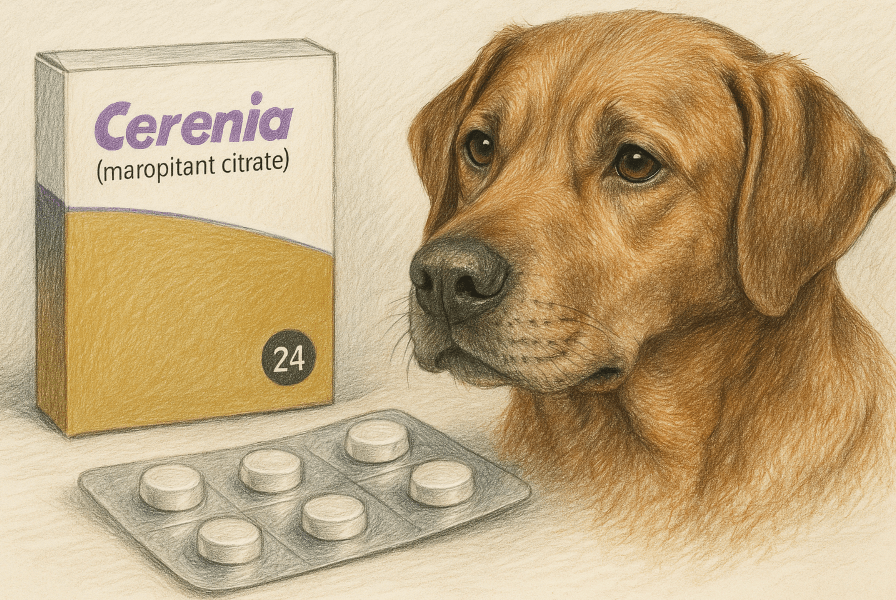
If you’re a dog owner, you know how distressing it can be to see your furry friend suffering from nausea, vomiting, or motion sickness. Fortunately, medications like Cerenia (maropitant citrate) are designed to help alleviate these symptoms and improve your dog’s comfort. But determining the correct dosage of Cerenia for your dog is crucial to ensure its effectiveness and safety. Administering too little may not provide relief, while too much could lead to unwanted side effects. In this blog post, we’ll guide you through everything you need to know about dosing Cerenia for dogs, including factors to consider, proper administration, and expert tips to keep your pup happy and healthy.
Factors to Consider When Determining Cerenia Dosage
Before administering Cerenia to your dog, it’s important to understand the key factors that influence the appropriate dosage. These considerations ensure the medication works effectively without compromising your dog’s health.
Dog’s Weight:
The dosage of Cerenia is directly based on your dog’s weight. Smaller dogs require lower doses, while larger breeds need higher amounts.Type of Condition:
Cerenia treats various conditions, such as motion sickness or acute vomiting. The dosage may differ depending on the specific issue being addressed.Age of the Dog:
Puppies and senior dogs may have different tolerance levels compared to adult dogs, requiring adjusted dosages under veterinary guidance.Duration of Treatment:
Short-term use for motion sickness differs from long-term treatment for chronic conditions. Follow your vet’s recommendations for timing and frequency.Underlying Health Issues:
Dogs with pre-existing health conditions, such as liver or kidney problems, may need modified dosages to avoid complications.
By taking these factors into account, you can determine the safest and most effective dose of Cerenia for your dog.
Proper Administration of Cerenia for Dogs
Administering Cerenia correctly is just as important as determining the right dosage. Proper techniques ensure your dog receives the full benefits of the medication while minimizing stress for both of you.
Oral Tablets vs. Injectable Form:
Cerenia comes in both oral tablet and injectable forms. Oral tablets are typically given at home, while injections are administered by veterinarians.Follow the Prescribed Schedule:
Stick to the recommended dosing schedule provided by your vet. Missing doses or doubling up can reduce effectiveness or cause side effects.Administer with Food:
Oral Cerenia tablets should generally be given with a small amount of food to prevent stomach upset and improve absorption.Avoid Crushing or Splitting Tablets:
Crushing or splitting tablets may alter the medication’s efficacy. Always give the tablet whole unless instructed otherwise by your vet.Monitor Your Dog After Administration:
Watch for any adverse reactions or improvements in symptoms after giving Cerenia. Report unusual behaviors to your veterinarian promptly.
Proper administration ensures your dog gets the most out of their treatment while staying safe and comfortable.
Check this guide 👉Can Dogs Have Zofran? Best 7 Health Tips!
Check this guide 👉Ativan Dosage for Dogs: Best 7 Health Tips!
Check this guide 👉Robitussin DM Dosage for Dogs: Best 7 Expert Tips!
Cerenia Dosage Guidelines | Common Uses for Cerenia |
|---|---|
0.23 mg/lb for motion sickness | Preventing vomiting during car rides |
0.45 mg/lb for acute vomiting | Treating sudden onset of nausea |
Once daily for up to 2 days | Short-term relief for travel anxiety |
Extended use for chronic conditions | Managing ongoing gastrointestinal issues |
Vet-prescribed adjustments | Addressing underlying health concerns |
Signs Your Dog May Need Cerenia
Recognizing when your dog might benefit from Cerenia can help you address their discomfort promptly. Look out for these signs that indicate nausea or vomiting-related issues.
Frequent Vomiting Episodes:
If your dog vomits multiple times in a short period, it may signal an underlying issue that requires treatment.Loss of Appetite:
A sudden refusal to eat could indicate nausea or digestive distress, which Cerenia may help alleviate.Excessive Drooling:
Unusual drooling often points to nausea or discomfort, especially if accompanied by lethargy.Motion Sickness Symptoms:
Signs like panting, whining, or restlessness during car rides suggest motion sickness, treatable with Cerenia.Lethargy or Weakness:
Persistent tiredness or weakness may result from dehydration caused by vomiting, necessitating medical intervention.
Identifying these symptoms early allows you to seek timely treatment and improve your dog’s quality of life.
Potential Side Effects of Cerenia
While Cerenia is generally safe, it’s important to be aware of potential side effects that may occur. Monitoring your dog closely ensures any adverse reactions are addressed promptly.
Diarrhea or Loose Stools:
Some dogs may experience digestive upset after taking Cerenia. Ensure they stay hydrated and consult your vet if symptoms persist.Lethargy or Drowsiness:
Temporary drowsiness is a common side effect but should resolve within a day or two.Injection Site Reactions:
If Cerenia is administered via injection, mild swelling or irritation at the site may occur.Allergic Reactions:
Rarely, dogs may develop allergic reactions, such as hives, swelling, or difficulty breathing. Seek emergency care if this happens.Decreased Appetite:
Some dogs may temporarily refuse food after starting Cerenia. Monitor their eating habits closely and report prolonged appetite loss to your vet.
Understanding these side effects helps you manage your dog’s treatment safely and effectively.
Tips for Reducing Motion Sickness in Dogs
If your dog struggles with motion sickness, there are additional steps you can take alongside using Cerenia to make travel more comfortable.
Gradual Desensitization:
Start with short car rides and gradually increase the duration to help your dog acclimate to traveling.Create a Comfortable Space:
Provide a cozy bed or blanket in the car to make your dog feel secure during trips.Limit Food Before Traveling:
Avoid feeding your dog a large meal before car rides to reduce the risk of nausea.Use Calming Aids:
Products like pheromone sprays or calming collars can help soothe anxious dogs during travel.Stick to a Routine:
Consistent travel schedules can help your dog anticipate rides and feel less stressed.
These strategies complement Cerenia’s effects and make travel a more pleasant experience for your dog.
Alternatives to Cerenia for Managing Nausea
While Cerenia is highly effective, some pet owners prefer exploring alternative options for managing nausea and vomiting in dogs.
Natural Remedies:
Ginger supplements or chamomile tea can sometimes ease mild nausea in dogs.Probiotics:
Probiotic supplements support gut health and may reduce digestive issues over time.Hydration Therapy:
Ensuring your dog stays hydrated is essential, especially after vomiting episodes.Dietary Adjustments:
Switching to a bland diet temporarily can help settle an upset stomach.Behavioral Training:
Addressing anxiety-related nausea through training or therapy can reduce reliance on medications.
These alternatives provide additional tools for managing your dog’s symptoms holistically.
When to Seek Veterinary Care for Vomiting
While occasional vomiting isn’t uncommon in dogs, certain signs indicate the need for immediate veterinary attention.
Blood in Vomit:
The presence of blood suggests a serious underlying issue that requires urgent care.Persistent Vomiting:
Vomiting several times in a row or over multiple days can lead to dehydration and other complications.Signs of Pain:
Whining, pacing, or abdominal tenderness may indicate internal discomfort or injury.Lethargy or Collapse:
Extreme weakness or collapse signals a critical condition that needs immediate evaluation.Foreign Object Ingestion:
If your dog has swallowed something unusual, vomiting could indicate an obstruction requiring surgical intervention.
Knowing when to seek help ensures your dog receives timely treatment and avoids further complications.
Frequently Asked Questions About Cerenia for Dogs
Can I give Cerenia to my dog without a prescription?
No, Cerenia requires a veterinary prescription to ensure proper dosing and safety.
How long does it take for Cerenia to work?
Cerenia typically starts working within 1-2 hours, providing relief from nausea or vomiting.
Is Cerenia safe for puppies?
Yes, Cerenia can be used for puppies over 16 weeks old, but always consult your vet first.
Can Cerenia be given with other medications?
In most cases, yes, but inform your vet about any other medications your dog is taking to avoid interactions.
What should I do if I miss a dose?
Administer the missed dose as soon as possible, but skip it if it’s close to the next scheduled dose. Never double up on doses.
Ensuring Safe and Effective Use of Cerenia for Your Dog
Cerenia is a valuable tool for managing nausea, vomiting, and motion sickness in dogs, but its success depends on proper dosage and administration. By understanding your dog’s unique needs, following veterinary guidance, and monitoring for side effects, you can ensure they receive the best possible care. Remember, your veterinarian is your greatest ally in determining the right approach for your pup. With careful attention and compassion, you can help your dog feel better and enjoy a happier, healthier life.
Newfoundland Dog Personality: Best 7 Expert Tips! – Discover the gentle, loyal, and protective nature of this giant breed perfect for families.
Can Hot Pavement Burn Your Cats Paws? Best 7 Expert Tips! – Learn how to protect your cat’s paws from hot surfaces and prevent painful burns this summer.
Can Hot Pavement Burn Your Dogs Paws? Best 7 Expert Tips! – Learn how to protect your dog’s paws from hot surfaces and ensure safe summer walks.
Irish Wolfhound Size: Best 7 Expert Tips! – Discover the ideal height, weight, and care tips for this majestic giant breed. Learn how to manage their impressive stature responsibly.