
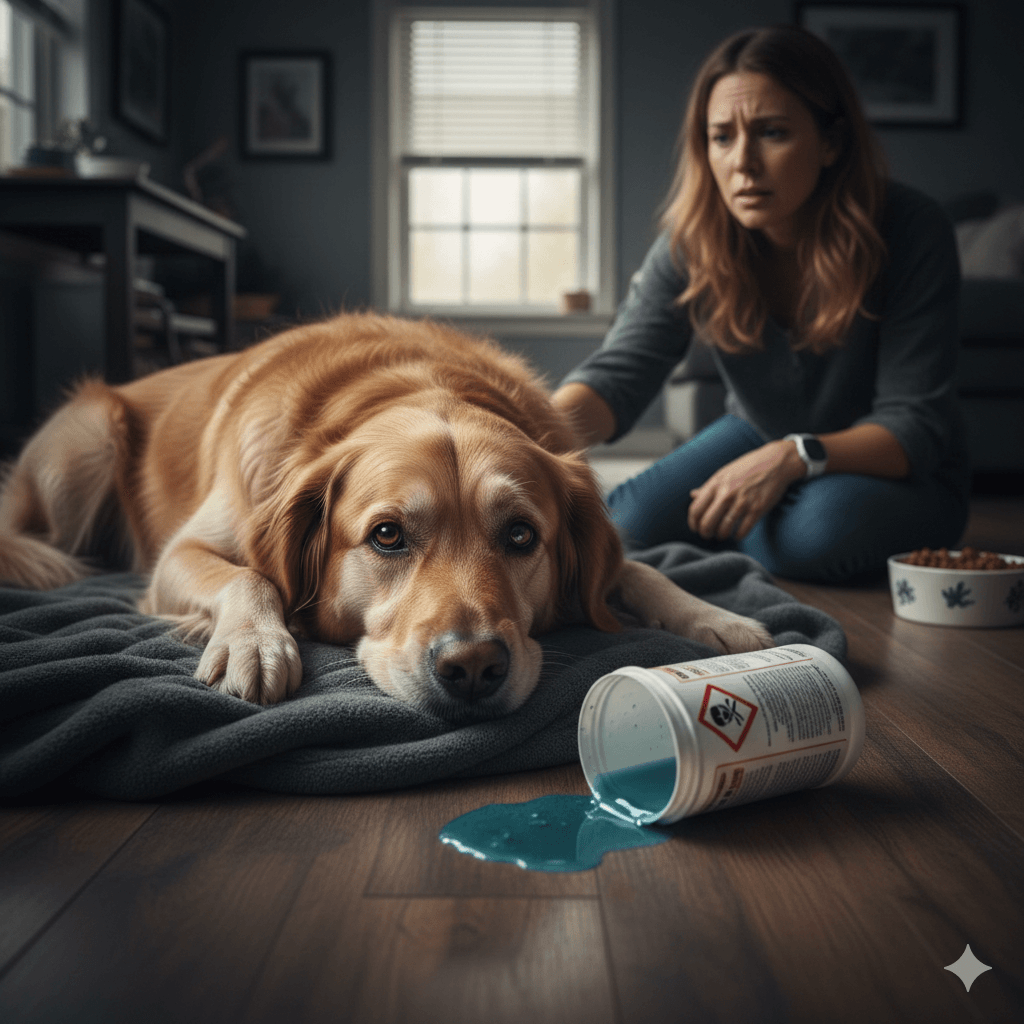

Understanding How Much Antifreeze Will Hurt a Dog: Best 7 Expert Tips!
Even a tiny amount of antifreeze can be deadly to dogs—just a few licks can cause irreversible kidney damage or death. Ethylene glycol, the main toxic ingredient, acts swiftly and silently. Many pet owners don’t realize their dog has been exposed until it’s too late. Recognizing the danger, acting fast, and knowing prevention strategies are your dog’s best defense. With expert guidance, you can protect your furry friend from this hidden household hazard.
How Little Antifreeze Is Dangerous for Dogs?
Antifreeze toxicity is one of the most urgent veterinary emergencies. The lethal dose is shockingly small—often less than a tablespoon per pound of body weight. Immediate action saves lives, but timing is critical. Here’s what every dog owner must understand about exposure thresholds:
- As Little as 1–2 Teaspoons per 10 Pounds:
This amount of ethylene glycol can be fatal. A standard bottle cap holds about a teaspoon—enough to kill a small dog. - Toxic Within Minutes:
Absorption begins within 30 minutes of ingestion; symptoms may not appear for hours, but organ damage starts immediately. - No “Safe” Dose Exists:
Even sub-lethal amounts can cause kidney failure, seizures, or permanent neurological issues if untreated. - Puppies and Small Breeds at Highest Risk:
Their lower body mass means less antifreeze is needed to trigger a life-threatening reaction. - Dogs Are Attracted to the Sweet Taste:
Unlike many toxins, antifreeze smells and tastes pleasant to dogs—increasing the chance they’ll consume a lethal amount willingly.
Because symptoms lag behind actual poisoning, any suspected exposure—even without visible signs—requires immediate emergency vet care.
Early Warning Signs of Antifreeze Poisoning
Symptoms unfold in stages, often misleading owners into thinking the danger has passed. The first phase mimics intoxication, but this is just the beginning of a deadly cascade:
- Wobbly Gait or Appearing “Drunk”:
Dogs may stagger, seem disoriented, or fall over due to central nervous system depression. - Excessive Thirst and Urination:
Within 1–6 hours, your dog may drink frantically and urinate abnormally often as toxins flood the kidneys. - Vomiting or Drooling:
Nausea and hypersalivation are common as the body reacts to the chemical assault. - Lethargy or Depression:
Your dog may lie still, seem unresponsive, or refuse interaction—signs of systemic toxicity. - Rapid Heart or Breathing Rate:**
Cardiovascular and respiratory systems struggle as metabolic acidosis develops.
These initial symptoms may temporarily improve, creating a false sense of security—but internal damage is accelerating. Do not wait—treatment must begin within 3–8 hours to be effective.
Check this guide 👉My Dog Drank Antifreeze a Week Ago: Best 7 Expert Tips!
Check this guide 👉How Long Does a Dog Cold Last? Best 7 Expert Tips!
Check this guide 👉Dog Cold vs Kennel Cough: Best 7 Expert Tips!
Immediate Red Flags | Delayed (24–72 hr) Life-Threatening Signs |
|---|---|
Staggering or loss of coordination | Complete lack of urination (anuria) |
Sweet-smelling breath | Swollen, painful kidneys on palpation |
Excessive drooling | Severe dehydration and dry gums |
Vomiting clear or foamy fluid | Seizures or coma |
Sudden collapse or weakness | Irreversible kidney failure |
What to Do If You Suspect Antifreeze Ingestion
Every minute counts. If you see your dog near spilled antifreeze—or even if you’re unsure—act as if it’s an emergency. Survival depends on speed:
- Call Your Vet or Emergency Clinic Immediately:
Do not wait for symptoms. Provide details about time, amount (if known), and your dog’s weight. - Do Not Induce Vomiting Without Guidance:
Unlike other toxins, vomiting may not help and could worsen aspiration risk—only do so if a vet instructs you. - Bring the Antifreeze Container (If Safe):
The label helps vets identify ingredients and choose the right antidote (e.g., fomepizole or ethanol protocol). - Keep Your Dog Calm and Warm:
Stress increases metabolic rate, potentially speeding toxin absorption—minimize movement and noise. - Head Straight to the Clinic—Do Not Delay:
Even if your dog seems fine, blood tests and early treatment within the first few hours are critical for survival.
Time is kidney function. The window for effective intervention closes fast—within 8 hours, the chances of recovery drop dramatically.
Antidotes and Veterinary Treatment Options
If caught early, antifreeze poisoning can be reversed—but treatment is intensive, expensive, and time-sensitive. Vets use specific protocols to block toxin metabolism:
- Fomepizole (4-MP):
The gold-standard antidote that stops ethylene glycol from converting into deadly metabolites. - Ethanol Therapy (IV or Oral):
Used when fomepizole isn’t available; it competes with the toxin but requires careful monitoring. - IV Fluids and Electrolyte Support:
Aggressive hydration helps flush toxins and supports kidney function during the critical phase. - Blood and Urine Monitoring:
Serial tests track kidney values, acid-base balance, and calcium levels (which often spike dangerously). - Hospitalization for 24–72 Hours:
Continuous care is needed to manage complications like seizures, arrhythmias, or acute renal failure.
Even with treatment, some dogs suffer permanent kidney damage—but early action gives them the best possible chance.
Preventing Antifreeze Exposure at Home and Beyond
Prevention is far safer and cheaper than emergency treatment. Antifreeze is common in garages, driveways, and auto shops—often spilled or leaked unnoticed:
- Switch to Pet-Safe Antifreeze:
Choose brands containing propylene glycol instead of ethylene glycol—it’s far less toxic and just as effective. - Store All Automotive Fluids Securely:
Keep containers in locked cabinets or high shelves where dogs can’t reach or knock them over. - Clean Spills Immediately and Thoroughly:
Use absorbent materials (like cat litter), then rinse the area with water—ethylene glycol leaves a sweet residue that attracts dogs. - Check Your Car Regularly for Leaks:
A dripping radiator or hose can leave puddles on garage floors or driveways—silent traps for curious dogs. - Supervise Outdoor Time Near Roads or Alleyways:
Stray antifreeze is often dumped illegally or leaks from vehicles—keep your dog on a leash in high-risk areas.
A small habit change today can prevent a life-or-death crisis tomorrow.
Special Risks for Outdoor, Working, or Free-Roaming Dogs
Dogs with access to yards, rural properties, or urban streets face elevated exposure risks. They may encounter antifreeze in unexpected places—dumpster areas, abandoned lots, or neighbor’s driveways:
- Hunting or Farm Dogs:
May encounter spilled fluids in barns, equipment sheds, or near tractors and ATVs. - Stray or Rescue Dogs:
Often scavenge for water and may drink from puddles containing antifreeze, especially in winter. - Urban Walkers:
Sidewalks and parking lots frequently harbor antifreeze drips from vehicles—especially after cold snaps. - Dogs with Pica or Scavenging Tendencies:
Those who eat non-food items are at higher risk of licking strange liquids out of curiosity. - Multi-Pet Households:
One dog may lead others to a spill—meaning a single exposure site can endanger an entire pack.
Vigilance and environmental control are essential for these higher-risk lifestyles.
Emergency Response: What to Do Immediately After Antifreeze Exposure
If you suspect your dog has contacted or ingested antifreeze, act within minutes—not hours. Rapid intervention is the single biggest factor in survival. Follow these critical steps without delay to maximize your dog’s chance of recovery:
- Confirm Exposure Without Delay:
Look for spilled liquid, an open container, or your dog licking paws/fur—ethylene glycol leaves a sweet, syrupy residue that’s hard to miss. - Do Not Wait for Symptoms to Appear:
By the time vomiting or wobbliness shows up, kidney damage may already be underway—treatment must begin before clinical signs emerge. - Call a Veterinary Emergency Clinic En Route:
Alert them you’re coming with a suspected antifreeze case so they can prepare antidotes and IV lines ahead of arrival. - Avoid Home Remedies or Inducing Vomiting:
Unlike other poisons, antifreeze metabolizes too quickly for vomiting to help—and it may increase aspiration risk in a disoriented dog. - Collect a Sample if Possible (Safely):
Bring a small amount of the suspected fluid or a photo of the product label to help the vet identify the exact toxin and dosage.
Every second counts—drive to the vet immediately, even in the middle of the night. Survival is possible, but only with urgent, expert care.
“Ethylene glycol has a very narrow margin of safety, which means a tiny amount can result in severe poisoning. As little as half a teaspoon per pound of a dog’s body weight can result in death.”
— Renee Schmid, DVM, DABVT, DABT
Frequently Asked Questions About Antifreeze and Dogs
How quickly does antifreeze affect a dog?
Symptoms can begin within 30 minutes to 12 hours, but kidney damage starts within 1–3 hours—even before signs appear.
Can a dog survive antifreeze poisoning?
Yes—if treated within 3–8 hours with the proper antidote. Survival drops sharply after 12 hours.
Is there a test for antifreeze poisoning?
Vets can use blood tests (ethylene glycol levels), urine crystal analysis, or special test kits, though results aren’t always immediate.
What if my dog licked antifreeze off the ground?
Assume it’s an emergency. Even a few licks can be fatal—go to a vet immediately, even if your dog seems fine.
Are “pet-safe” antifreezes completely harmless?
Propylene glycol-based antifreezes are much safer but not risk-free—large amounts can still cause illness. Always store securely.
Protecting Your Best Friend From a Silent Killer
Antifreeze poisoning is terrifying—but entirely preventable with awareness and action. Your dog trusts you to keep their world safe, even from invisible threats hiding in plain sight. By choosing safer products, cleaning spills instantly, and knowing the signs, you become their first and best line of defense. And if the worst happens, remember: seconds save kidneys. Never hesitate—rush to the vet at the first suspicion. In the bond between you and your dog, your vigilance is the ultimate act of love.
Is Rawhide Bad for Cats? Best 7 Expert Tips! – Discover the risks, safe alternatives, and expert advice to keep your feline friend healthy and happy.

Is Rawhide Bad for Dogs? Best 7 Expert Tips! – Discover the risks, benefits, and safer alternatives to rawhides for your dog’s chewing needs.

Understanding Anorexia in Cats: Best 7 Expert Tips! – Learn why cats stop eating, spot warning signs, and discover how to help your feline regain appetite safely.

Understanding Anorexia in Dogs: Best 7 Expert Tips! – Learn causes, symptoms, and solutions to help your dog regain appetite and stay healthy.