
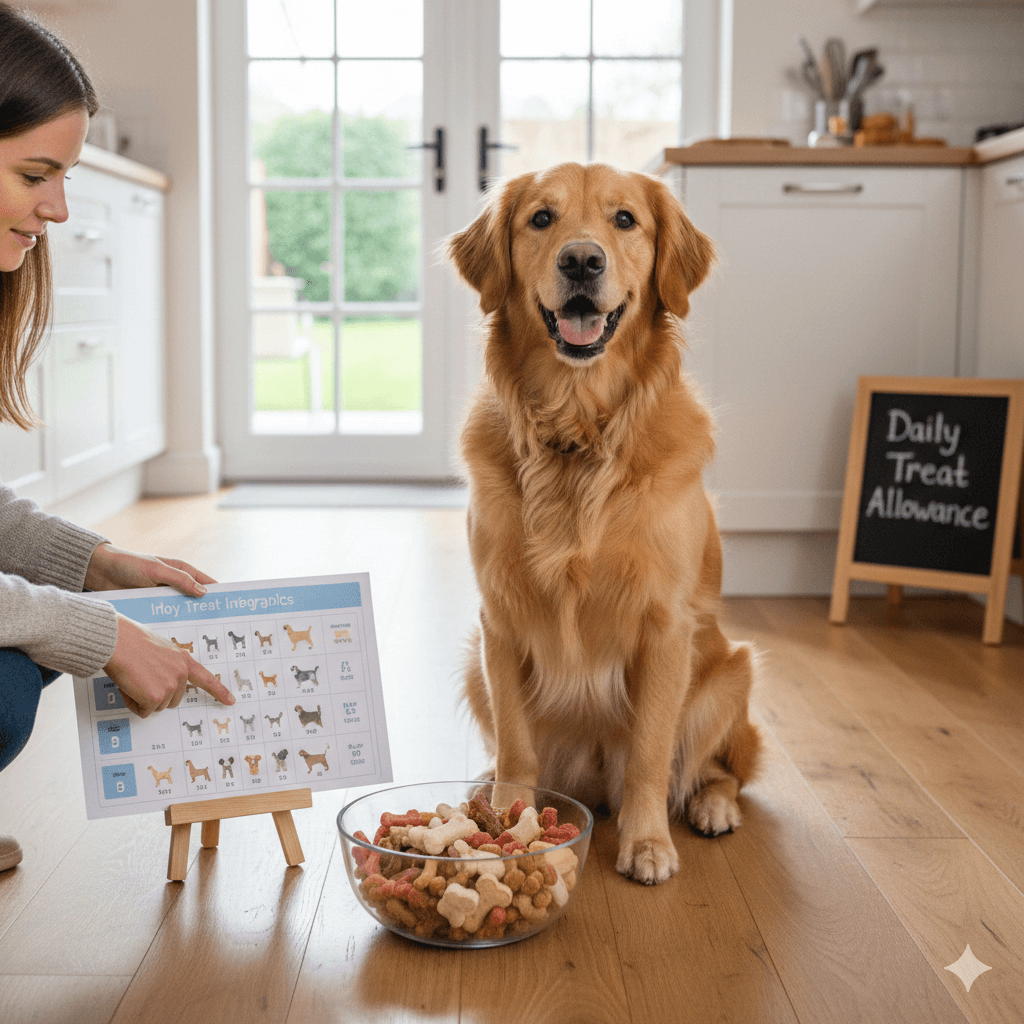

How Many Treats Per Day for a Dog: Best 7 Expert Tips!
Figuring out the right number of treats for your dog isn’t just about rewards—it’s about balance, health, and smart training. Too many snacks can lead to weight gain, nutritional imbalances, or even behavioral issues. Yet, treats are powerful tools for bonding and teaching. The key is knowing how to use them wisely. With expert-backed guidance, you can keep your dog happy, healthy, and well-motivated—without overdoing it.
Why Treat Quantity Matters for Your Dog’s Health
Treats should complement your dog’s diet, not compromise it. Veterinarians and pet nutritionists agree that snacks must stay within a safe caloric range to maintain ideal weight and overall wellness. Here’s what to consider when measuring out those daily rewards:
- Follow the 10% Rule:
Treats should make up no more than 10% of your dog’s total daily calorie intake to avoid unbalanced nutrition. - Adjust Based on Size and Weight:
A Chihuahua may only need 2–3 tiny treats, while a Labrador could handle 10–15 small ones—always relative to their daily needs. - Factor in Activity Level:
Highly active or working dogs may tolerate slightly more treats, while seniors or couch potatoes need fewer. - Account for All Snacks:
Don’t forget dental chews, training biscuits, and even table scraps—they all count toward the daily treat limit. - Use Low-Calorie Alternatives:
Swap high-fat treats for steamed green beans, carrot sticks, or air-dried liver bits to stretch your treat budget safely.
Sticking to these principles ensures your dog gets joy without the extra pounds or health risks.
How Treats Impact Training and Behavior
When used correctly, treats are one of the most effective tools in positive reinforcement training. But overuse can create dependency or reduce their motivational power. Balance is everything:
- Small Pieces = More Repetition:
Cut treats into pea-sized bits to allow for frequent rewards without exceeding calorie limits during sessions. - Phase Out Food Rewards Gradually:
Once a behavior is learned, replace every treat with praise, play, or intermittent rewards to maintain reliability. - Avoid Emotional Feeding:
Giving treats out of guilt, boredom, or habit dilutes their training value and encourages begging. - Match Treat Value to Difficulty:
Use high-value treats (like freeze-dried chicken) for challenging tasks and low-value ones (like kibble) for easy cues. - Use Treats to Build Focus:
Strategic treat delivery can teach attention, impulse control, and calmness—not just tricks or commands.
Smart treat use builds a dog who’s eager to learn, not just eager for snacks.
Check this guide 👉Banana Dog Treats Recipe: Best 7 Expert Tips!
Check this guide 👉Pumpkin Dog Treats Recipe: Best 7 Expert Tips!
Check this guide 👉Frozen Dog Treats with Yogurt: Best 7 Expert Tips!
Training & Motivation Tips | Health & Nutrition Guidelines |
|---|---|
Use pea-sized treats for precision | Never exceed 10% of daily calories |
Reserve high-value treats for tough tasks | Choose treats with whole, recognizable ingredients |
Pair treats with verbal praise | Avoid treats with artificial colors or excess sugar |
Gradually fade food rewards as skills solidify | Adjust treat count if feeding weight-management food |
Avoid giving treats during meals or begging | Monitor total intake—including dental chews and bones |
Choosing the Right Treats for Your Dog’s Needs
Not all treats are created equal. Selecting high-quality, appropriate snacks enhances both training success and long-term health:
- Read the Ingredient List:
Look for real meat, vegetables, or single-ingredient treats; avoid fillers like corn syrup, BHA, or “meat by-products.” - Consider Your Dog’s Age:
Puppies benefit from soft, easily digestible treats, while seniors may need joint-support or dental-health formulas. - Mind Food Sensitivities:
If your dog has allergies (e.g., to chicken or beef), choose hypoallergenic or limited-ingredient options. - Match Texture to Dental Health:
Soft treats are fine for training, but occasional crunchy or dental-specific treats can support oral hygiene. - Avoid “Junk Food” for Dogs:
Human snacks like chips, cookies, or processed meats offer no nutritional benefit and may contain toxins like xylitol.
The best treat is one that’s safe, species-appropriate, and aligned with your dog’s unique health profile.
Special Considerations for Puppies, Seniors, and Medical Diets
Dogs in life stages or on prescription food require extra care when it comes to treats:
- Puppies:
Their tiny stomachs fill quickly—use their regular kibble as treats to avoid overfeeding during training. - Senior Dogs:
Reduced metabolism means fewer calories needed; opt for low-calorie, joint-support treats with glucosamine or omega-3s. - Dogs on Prescription Diets:
Many veterinary diets (e.g., for kidney or allergy issues) have strict rules—ask your vet for approved treat options. - Overweight or Obese Dogs:
Replace traditional treats with frozen green beans, cucumber slices, or vet-approved weight-loss snacks. - Diabetic Dogs:
Avoid any treat with added sugar or high glycemic ingredients; stick to protein-based, low-carb options.
When health is a concern, treats should support—not sabotage—your dog’s medical plan.
Creative Ways to Reduce Treat Reliance Without Losing Effectiveness
You don’t always need food to reward your dog. Diversifying reinforcement keeps training fresh and sustainable:
- Use Life Rewards:
Open the door, throw a ball, or give belly rubs as rewards for good behavior—link obedience to things your dog already loves. - Incorporate Play as Reinforcement:
A quick tug session or fetch round can be more motivating than a treat for high-drive dogs. - Verbal Praise with Enthusiasm:
A cheerful “Yes!” or “Good dog!” paired with touch builds strong emotional reinforcement over time. - Rotate Treat Types:
Keep your dog guessing by alternating between textures and flavors—prevents boredom and overconsumption of one type. - Use Puzzle Toys for Mealtime Treats:
Hide part of their daily food in a snuffle mat or Kong to satisfy their foraging instinct without extra calories.
Reducing treat dependency builds a more versatile and responsive companion.
Common Mistakes Owners Make with Daily Treats
Even well-meaning pet parents often unknowingly overfeed or misuse treats:
- Free-Feeding Treats Throughout the Day:
Leaving a treat jar out encourages grazing, which adds hidden calories and disrupts meal routines. - Ignoring Treat Size:
One “large” training treat can equal 50+ calories—equivalent to a human eating several cookies. - Giving Treats to Stop Unwanted Behavior:
Offering a cookie to calm barking or jumping actually rewards and reinforces the behavior. - Not Tracking Total Intake:
Forgetting to count dental sticks, chews, or even pill pockets inflates daily calorie consumption. - Using Treats as Emotional Substitutes:
Feeding out of loneliness, guilt, or habit teaches your dog to seek food for emotional reasons.
Awareness of these pitfalls leads to smarter, healthier treat habits.
Smart Strategies for Managing Your Dog’s Daily Treat Intake
Balancing treat frequency with your dog’s overall wellness requires more than just counting snacks—it’s about intention, timing, and mindfulness. Whether you’re training, bonding, or simply saying “good job,” these practical strategies help you stay in control without sacrificing connection:
- Weigh Treats Weekly:
Use a kitchen scale to measure your dog’s total weekly treat allowance—then portion it into daily servings to avoid accidental overfeeding. - Create a Treat Journal:
Track every snack given (including during walks or by family members) to maintain accountability and spot hidden calorie creep. - Involve the Whole Household:
Ensure everyone in your home follows the same treat rules to prevent “double-dipping” or inconsistent rewards that confuse your dog. - Use Mealtime for Training:
Reserve 10–20% of your dog’s regular kibble for training—this keeps calories neutral while still providing motivation. - Set a “Treat Curfew”:
Avoid giving treats within two hours of bedtime to support digestion and prevent nighttime restlessness or bathroom accidents.
With a little planning and consistency, you can turn treat time into a tool for health, not a hidden health hazard.
“Treats should be limited to 10% of your dog’s daily calorie intake. Calories from treats can add up quickly if your dog has a low calorie requirement.”
— Canadian Academy of Veterinary Nutrition (CAVN)
Frequently Asked Questions About Daily Dog Treats
How many treats is too many for a dog?
More than 10% of your dog’s daily calories from treats is generally too much and can lead to obesity or nutritional gaps.
Can I use my dog’s kibble as treats?
Absolutely! Using part of their regular meal as training rewards is a smart, low-calorie strategy—especially for food-motivated dogs.
Are homemade treats safer?
They can be, if you use dog-safe ingredients and avoid toxic foods like garlic, onions, grapes, or xylitol—but always research recipes first.
Do dental chews count as treats?
Yes—they’re calorie-dense snacks, so include them in your dog’s daily treat allowance and choose VOHC-approved options.
Should I give treats at specific times of day?
Not necessarily, but avoid giving them right before meals (which reduces appetite) or at bedtime (which may cause digestive upset).
Nurturing a Healthier, Happier Bond Through Mindful Treat Use
Treats are more than just snacks—they’re a language of love, learning, and connection between you and your dog. By using them thoughtfully, you protect your pet’s health while deepening trust and cooperation. Every small bite should serve a purpose: to teach, to celebrate, or to comfort—never to fill a void or out of habit. With the right balance, your dog stays lean, eager, and emotionally fulfilled. So measure with care, choose with intention, and reward with joy. After all, the best treats aren’t just tasty—they’re part of a lifetime of wellness and wonderful companionship.
Is Rawhide Bad for Cats? Best 7 Expert Tips! – Discover the risks, safe alternatives, and expert advice to keep your feline friend healthy and happy.

Is Rawhide Bad for Dogs? Best 7 Expert Tips! – Discover the risks, benefits, and safer alternatives to rawhides for your dog’s chewing needs.

Understanding Anorexia in Cats: Best 7 Expert Tips! – Learn why cats stop eating, spot warning signs, and discover how to help your feline regain appetite safely.

Understanding Anorexia in Dogs: Best 7 Expert Tips! – Learn causes, symptoms, and solutions to help your dog regain appetite and stay healthy.