
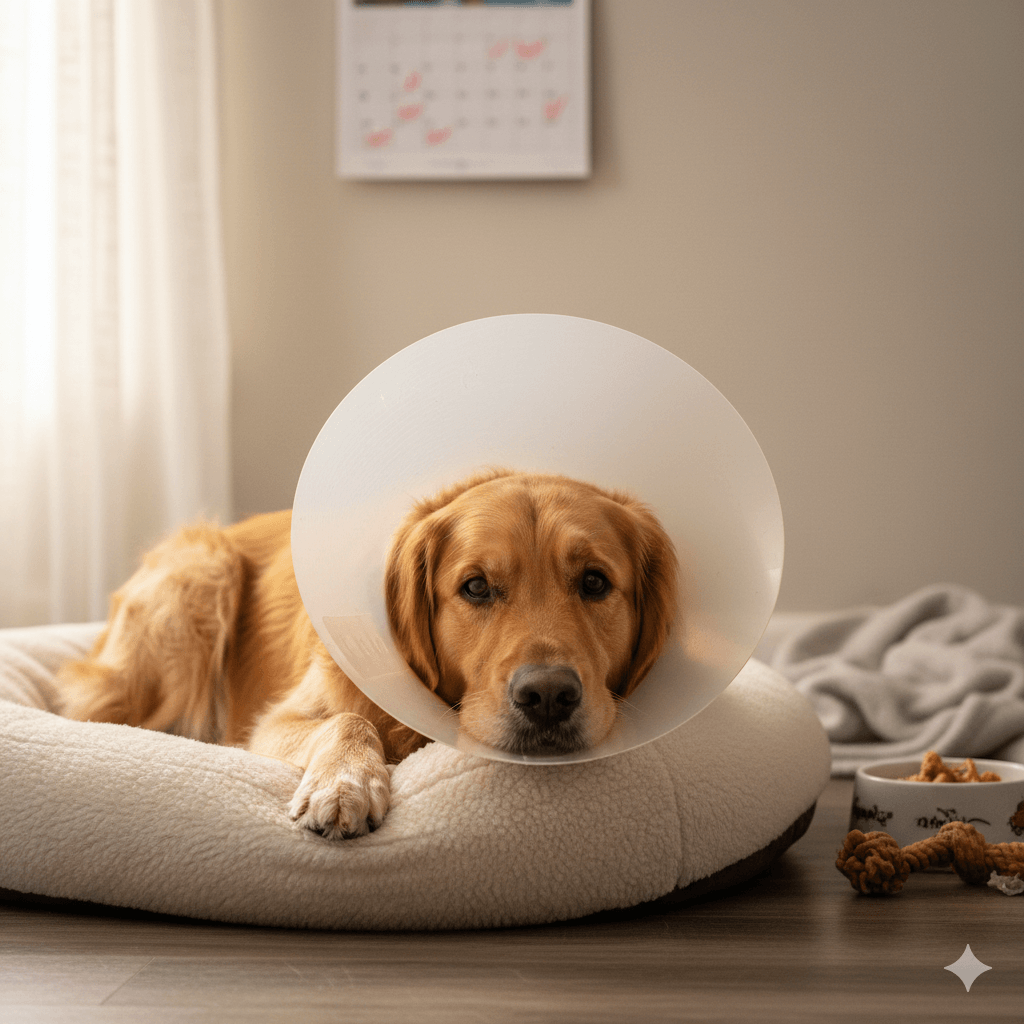

How Long Does My Dog Have to Wear a Cone: Best 7 Expert Tips!
If your dog’s sporting the dreaded “cone of shame,” you’re not alone—and you’re probably wondering how long this awkward accessory will stick around. Whether it’s after surgery, a skin issue, or a wound, the cone plays a vital role in healing. But timing matters: too short, and your dog might reopen an injury; too long, and stress or frustration can build. With guidance from veterinary professionals, we’ll walk you through what determines cone duration, how to make it more comfortable, and signs it’s finally safe to remove.
Factors That Determine Cone Duration
The length of time your dog needs to wear a cone isn’t one-size-fits-all—it depends on their specific condition, age, and behavior. Your vet’s instructions are essential, but understanding the influencing factors helps you support healing effectively:
- Type of Injury or Procedure:
Surgical incisions (like spays or orthopedic repairs) typically require 10–14 days, while minor skin wounds may need only 5–7 days. - Your Dog’s Age and Health:
Puppies and senior dogs often heal slower or faster depending on overall health; chronic conditions like diabetes can delay recovery. - Location of the Wound:
Areas your dog can easily reach—like paws, belly, or neck—usually need longer protection than less accessible spots. - Licking or Scratching Behavior:
Even a single obsessive lick can cause infection; dogs with high self-grooming tendencies may need extended cone use. - Healing Progress Observed at Home:
Redness, swelling, or oozing means the wound isn’t ready—cones stay on until full closure and no irritation remain.
Healing isn’t just about time—it’s about visible, vet-confirmed recovery, so never remove the cone based on days alone.
Signs Your Dog Is Ready to Go Cone-Free
Knowing when healing is complete prevents setbacks. Your vet will give final approval, but these at-home clues suggest you’re getting close:
- Incision or Wound Is Fully Closed:
No gaps, scabs, or raw spots—just smooth, pink or healed skin without discharge. - No Licking or Biting Attempts:
Even when distracted, your dog ignores the area, showing the urge to interfere has passed. - Stitches or Staples Are Removed (If Applicable):
Internal sutures dissolve on their own, but external ones must be taken out by a professional first. - Skin Around the Site Isn’t Irritated:
No redness, heat, or swelling—just calm, normal-looking tissue. - Your Vet Gives the All-Clear:
Never skip the final checkup; microscopic inflammation can linger even when things look fine.
Patience here pays off: one premature cone removal can undo weeks of careful recovery.
Check this guide 👉How Tight Should a Dog Cone Be? Best 7 Expert Tips!
Check this guide 👉Comfortable Alternatives to The Dog Cone: Best 7 Expert Tips
Check this guide 👉Why Your Dog Wont Wear a Cone After Neutering: Best 7 Tips!
Healing Milestones | Behavioral Cues to Watch |
|---|---|
Scab has fallen off naturally | Stops circling or pawing at the site |
No swelling for 48+ hours | Lies comfortably without restlessness |
Skin color returning to normal | Ignores the area during play or walks |
Vet confirms no infection | Eats and sleeps normally (no stress signs) |
Full mobility restored | No whining or flinching when touched nearby |
Common Mistakes Pet Owners Make with Cones
Even well-meaning owners can unintentionally slow healing. Avoid these frequent errors to keep recovery on track:
- Removing the Cone Too Early “Just for a Minute”:
That quick bathroom break or photo op can lead to a single destructive lick with big consequences. - Using a Cone That’s Too Small:
If your dog can still reach the wound with their tongue, the cone isn’t doing its job—measure properly. - Ignoring Cone-Related Stress:
Some dogs become anxious or depressed; address discomfort with padding, positive reinforcement, or vet-approved alternatives. - Skipping Follow-Up Appointments:
Healing isn’t always linear—vets need to monitor progress before approving cone removal. - Assuming Soft Collars Are Always Safe:
Inflatable or fabric collars work for some cases but fail for others; never substitute without vet approval.
A cone is a temporary tool—but using it incorrectly can make it far less temporary than necessary.
Alternatives to the Traditional Cone
If your dog truly struggles with the classic plastic cone, safer options exist—but only under veterinary guidance:
- Inflatable Collars (Like the “BiteNot” or “Comfy Cone”):
Softer and lighter, but only suitable for wounds your dog physically can’t reach. - Medical Recovery Suits or Onesies:
Cover torso wounds and prevent licking, but aren’t effective for limbs, face, or tail injuries. - Custom-Fit Neck Braces:
Used in specific orthopedic cases, these limit head movement more precisely than cones. - Topical Bitter Sprays:
Deter licking in mild cases, but should never replace physical barriers for surgical sites. - Supervised Off-Cone Time (Strictly Vet-Approved):
Brief, 100% monitored periods without a cone—only for dogs with zero licking history and healed wounds.
Always consult your vet before switching—what works for one dog could harm another.
How to Make Cone Life Easier for Your Dog
A cone doesn’t have to mean misery. With smart adjustments, you can reduce stress and keep your dog safe:
- Trim the Cone Edges (If Safe):
Some vets allow slight shortening so your dog can eat or drink more easily—never cut without approval. - Elevate Food and Water Bowls:
Raise them to chest height so your dog doesn’t have to bend awkwardly or knock them over. - Add Padding to the Rim:
Wrap the inner edge with soft tape or fabric to prevent neck chafing and reduce noise. - Practice Short Walks Indoors First:
Help your dog relearn spatial awareness before navigating stairs or doorways. - Reward Calm Behavior:
Use treats, praise, or gentle play to create positive associations with cone-wearing.
Small changes make big differences in your dog’s daily comfort and emotional well-being.
Special Situations: When Cone Time May Be Extended
Certain scenarios demand longer cone use—even beyond typical healing windows:
- Dogs with Allergies or Skin Conditions:
They may obsessively lick healed areas due to residual itch, requiring extended protection. - Post-Dental or Eye Surgeries:
These sensitive sites often need cones longer due to high infection risk or slow tissue repair. - Behavioral Compulsive Disorders:
Dogs with lick granulomas or anxiety-driven self-harm may need cones intermittently for months. - Multiple or Complex Wounds:
Several incision sites or deep injuries take longer to stabilize fully. - Poor Initial Healing (Due to Infection or Licking):
If the wound reopens, cone time resets from the day healing restarts.
In these cases, work closely with your vet or a veterinary behaviorist to balance healing and quality of life.
What to Do After the Cone Comes Off
The journey doesn’t end the moment the cone is removed—monitor closely to ensure true recovery:
- Watch for 48 Hours Without the Cone:
Stay alert for any return of licking, redness, or swelling that suggests the urge wasn’t fully gone. - Gently Massage the Area (If Cleared by Vet):
Helps prevent scar tissue tightness and reassures your dog the site is safe. - Resume Normal Activities Gradually:
Don’t immediately allow rough play or swimming—let tissues strengthen fully. - Continue Topical Treatments if Prescribed:
Some ointments or sprays are needed post-cone to support final healing stages. - Celebrate—But Stay Observant:
Enjoy your dog’s freedom, but keep a mental note: if they revisit the site, the cone might need a brief encore.
True healing is confirmed not by time, but by consistent, complication-free behavior after removal.
“The collar must be worn until the wound has fully healed. Depending on the nature of the injury, it may be as short as a few days, or as long as a few weeks.” – Courtney Barnes, DVM
Frequently Asked Questions About Dog Cone Duration
How long does a dog typically wear a cone after spay surgery?
Most dogs wear it for 10–14 days, or until the incision is fully closed and sutures are removed or dissolved.
Can my dog sleep with the cone on?
Yes—and they must. Removing it at night is a common cause of accidental wound damage.
Is it okay to take the cone off for walks?
No. Even brief removal during walks risks licking, especially if your dog is distracted or excited.
What if my dog won’t eat with the cone on?
Try elevated bowls or a slightly trimmed cone (with vet approval)—but never remove it for meals unless instructed.
Can I use a onesie instead of a cone after neutering?
Only if your vet confirms the incision site can’t be reached; many dogs can still lick through fabric.
Embracing the Cone as a Symbol of Care
That plastic funnel around your dog’s neck might seem silly or sad—but it’s actually a powerful symbol of your commitment to their well-being. Every awkward turn, every gentle bump into a wall, every patient sigh is part of a short chapter in your dog’s long, healthy life. By honoring the cone’s purpose and following expert guidance, you’re not just protecting a wound—you’re giving your dog the gift of untroubled healing. When the day finally comes to take it off, you’ll both feel a wave of relief and triumph. Until then, wear the cone journey with pride: it’s proof you’re the kind of pet parent your dog can always count on.
Is Rawhide Bad for Cats? Best 7 Expert Tips! – Discover the risks, safe alternatives, and expert advice to keep your feline friend healthy and happy.

Is Rawhide Bad for Dogs? Best 7 Expert Tips! – Discover the risks, benefits, and safer alternatives to rawhides for your dog’s chewing needs.

Understanding Anorexia in Cats: Best 7 Expert Tips! – Learn why cats stop eating, spot warning signs, and discover how to help your feline regain appetite safely.

Understanding Anorexia in Dogs: Best 7 Expert Tips! – Learn causes, symptoms, and solutions to help your dog regain appetite and stay healthy.