
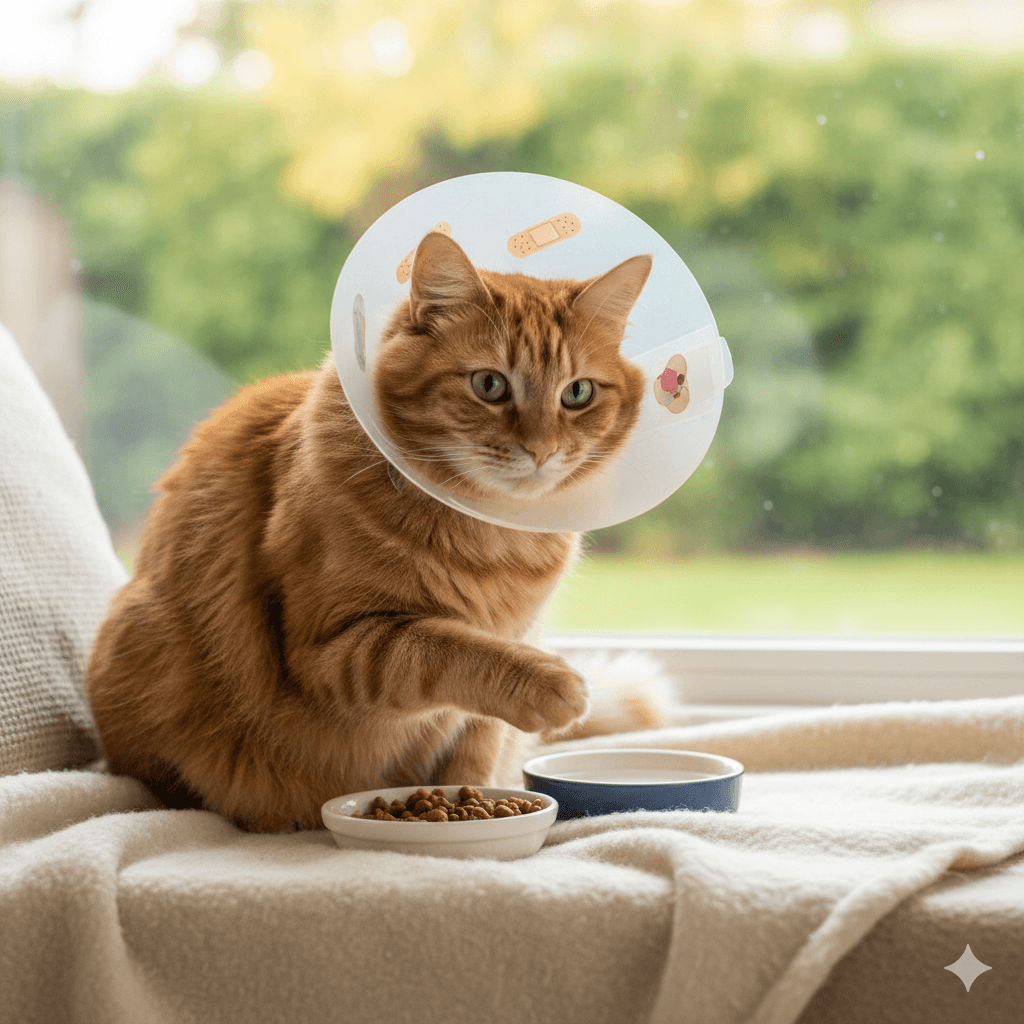

How Long Does My Cat Have to Wear a Cone: Best 7 Expert Tips!
If your cat recently had surgery, an injury, or a skin condition, that dreaded cone (or Elizabethan collar) likely made an appearance. While it may seem cruel or uncomfortable, the cone plays a vital role in preventing licking, chewing, or scratching that could delay healing—or worse, cause serious complications. But how long must your feline tolerate this awkward accessory? The answer depends on several factors, from the type of procedure to your cat’s temperament. With expert guidance, you can support your cat’s recovery while minimizing stress.
Typical Cone Duration After Common Procedures
Veterinarians prescribe cone use based on the healing timeline of your cat’s specific condition. Most recommendations fall within predictable ranges, but individual recovery speed always matters. Here’s what to expect for frequent scenarios:
- Spay or Neuter Surgery:
Healing usually takes 10–14 days; the cone is typically needed the entire time to protect the incision from licking. - Wound or Laceration Repair:
Depending on depth and location, cones may be required for 7–21 days until sutures dissolve or are removed and skin fully seals. - Dermatological Conditions:
For hot spots, allergies, or infections, the cone stays on until the lesion is completely healed and no longer itchy—often 1–3 weeks. - Eye or Ear Treatments:
If your cat tends to paw at treated areas, a cone may be needed for the full medication course, usually 5–14 days. - Orthopedic or Abdominal Surgeries:
Major procedures often require 14–21 days of cone use to prevent disruption of internal or external healing.
Always follow your vet’s exact instructions—removing the cone too early is a leading cause of post-op complications in cats.
Factors That Influence Cone Duration
Not every cat heals at the same pace. Your veterinarian will consider multiple variables before advising when it’s safe to remove the collar. These personal and medical factors shape the timeline:
- Your Cat’s Age and Health:
Kittens and seniors may heal slower; chronic illnesses like diabetes can also delay recovery. - Behavioral Tendencies:
A cat that obsessively licks or scratches will likely need the cone longer than one who ignores the affected area. - Type of Cone Used:
Traditional plastic, soft fabric, or inflatable collars vary in effectiveness—some may require extended use if less restrictive. - Suture or Wound Closure Method:
Dissolvable sutures often take longer to fully integrate than staples or non-dissolvable threads. - Home Environment Safety:
Cats in calm, low-stress homes with minimal stimulation may resist the cone less and heal faster.
Your vet may adjust the timeline during follow-up visits based on visual healing progress and your observations at home.
Check this guide 👉How to Make a Cat Cone: Best 7 Expert Tips!
Check this guide 👉How to Cheer Up a Cat with a Cone: Best 7 Expert Tips!
Check this guide 👉Is Cat Saliva Antibacterial? Best 7 Expert Tips!
Healing Milestones | Warning Signs to Extend Cone Use |
|---|---|
Incision fully closed with no redness | Persistent licking around the site |
Sutures removed or dissolved | Swelling, discharge, or reopening |
Skin no longer flaky or irritated | Cat shows renewed interest in scratching |
No more topical medications needed | Scab picking or hair loss near wound |
Vet gives final clearance | Signs of infection (odor, heat, pus) |
How to Make Cone Life Easier for Your Cat
The right support can transform cone-wearing from stressful to manageable. These practical strategies help your cat adapt while protecting their healing process:
- Create a Cone-Friendly Space:
Remove narrow spots, lower food bowls, and ensure litter boxes are easily accessible to accommodate the cone’s width. - Use a Soft or Inflatable Alternative (If Approved):
Some cats tolerate softer collars better—but only switch if your vet confirms it offers enough protection. - Offer Extra Comfort and Reassurance:
Gentle petting (away from the healing site), quiet time, and familiar blankets reduce anxiety during recovery. - Monitor Eating and Drinking Closely:
Some cats struggle to eat with a cone; try wide, shallow dishes or hand-feeding small meals if needed. - Keep the Cone Clean and Secure:
Wipe off food or litter regularly, and check that the neck strap isn’t too tight or causing irritation.
A calm, prepared home environment goes a long way in helping your cat accept the cone as a temporary necessity.
Signs It’s Still Too Early to Remove the Cone
Even if your cat seems “back to normal,” subtle behaviors can signal the healing isn’t complete. Watch for these red flags before considering early removal:
- Focused Grooming Near the Site:
Your cat may sit and stare at the area or attempt gentle licks when you’re not looking. - Increased Restlessness or Vocalization:
Discomfort or itchiness often emerges in the final healing phase, tempting them to interfere. - Hair Regrowth or Scab Peeling:
New skin is fragile—scratching or licking at this stage can undo weeks of healing. - Recent Medication Changes:
If antibiotics or anti-inflammatories just ended, the area may still be vulnerable. - Vet Hasn’t Done a Final Check:
Never remove the cone without professional confirmation, even if the wound looks healed to you.
When in doubt, keep it on an extra day or two—it’s far safer than risking a setback.
Common Mistakes Cat Owners Make With Cones
Well-meaning owners sometimes unintentionally compromise recovery. Avoid these frequent pitfalls to ensure a smooth healing journey:
- Removing the Cone at Night:
Even a few minutes of unsupervised access can lead to serious damage—cats often act fast when alone. - Assuming “No Licking = Safe”:
Just because you haven’t seen licking doesn’t mean it hasn’t happened; many cats do it when unobserved. - Using DIY Alternatives Without Approval:
T-shirts, socks, or bandages may not provide full protection and can trap moisture or bacteria. - Ignoring Behavioral Distress:
While some adjustment is normal, severe depression or refusal to eat warrants a vet consult—don’t just remove the cone. - Skipping Follow-Up Appointments:
These visits are crucial to assess healing and confirm it’s truly safe to discontinue cone use.
Staying consistent and vigilant is the best gift you can give your recovering cat.
Alternatives to the Traditional Cone (And When They Work)
Newer options offer comfort while maintaining protection—if your cat’s condition allows. Discuss these with your vet before switching:
- Inflatable Collars:
Resemble airplane neck pillows; great for face/neck issues but may not protect abdominal wounds. - Soft Fabric E-Collars:
More flexible and quieter, but only suitable for low-risk cases where minimal restriction is needed. - Recovery Suits or Onesies:
Cover the torso to prevent licking, but don’t stop scratching or protect limbs, eyes, or ears. - Bitter Sprays or Deterrents:
Can supplement—but never replace—a cone, as determined cats often lick through the taste. - Custom 3D-Printed Collars:
Emerging option for better fit and mobility, though not yet widely available or vet-approved for all cases.
Never switch to an alternative without explicit veterinary approval based on your cat’s specific healing needs.
Essential Supplies You’ll Need While Your Cat Wears a Cone
Caring for a cone-wearing cat is easier when you’re prepared with the right tools and adjustments. These simple yet effective items can significantly improve your cat’s comfort and your peace of mind during recovery:
- Wide, Shallow Food and Water Bowls:
Standard bowls can block the cone; low, wide dishes allow your cat to eat and drink without frustration. - Soft-Bedded, Open Resting Areas:
Avoid enclosed beds—opt for open mats or cushions in quiet corners where your cat can lie comfortably without the cone getting stuck. - Litter Box with Low Sides or Cut-Out Entry:
A cone can make climbing into high-sided boxes difficult; a modified or low-entry box ensures your cat can still use the bathroom independently. - Gentle Pet Wipes or Damp Cloths:
Use these to clean your cat’s face and beard if they can’t groom themselves normally while wearing the cone. - Nightlight or Clear Floor Pathways:
Cats with cones can bump into furniture or walls in the dark; soft lighting and clutter-free floors prevent stress and injury.
Having these supplies ready before your vet visit—or immediately after—creates a smoother, safer recovery experience for both you and your feline friend.
“Your cat will need to wear a cone for anywhere between 7-14 days, depending on the type of stitches used, and how quickly their wound heals.”
— PDSA Veterinary Team
Frequently Asked Questions About Cat Cone Duration
Can my cat sleep with the cone on?
Yes—cats adapt quickly and can eat, drink, sleep, and use the litter box with a properly fitted cone.
Is it cruel to keep the cone on for weeks?
While it may seem uncomfortable, the cone prevents far greater pain from infection or reopened wounds.
What if my cat won’t eat with the cone?
Try wider bowls, elevate food slightly, or hand-feed small pieces—never remove the cone to feed.
Can I take the cone off when I’m watching them?
Only if your vet explicitly permits it; many cats react instantly the moment you look away.
How do I know when healing is truly complete?
Only your veterinarian can confirm full healing through physical examination—not just visual inspection.
Patience and Protection Lead to Full Recovery
Seeing your cat shuffle around with a cone can tug at your heart, but remember: this temporary barrier is their shield against pain, infection, and prolonged recovery. By following veterinary guidance, observing subtle cues, and creating a supportive environment, you help your feline friend heal safely and completely. Trust the process, stay consistent, and celebrate each small sign of progress. Soon enough, the cone will come off for good—and your cat will be back to their curious, playful self, stronger than before.
Is Rawhide Bad for Cats? Best 7 Expert Tips! – Discover the risks, safe alternatives, and expert advice to keep your feline friend healthy and happy.

Is Rawhide Bad for Dogs? Best 7 Expert Tips! – Discover the risks, benefits, and safer alternatives to rawhides for your dog’s chewing needs.

Understanding Anorexia in Cats: Best 7 Expert Tips! – Learn why cats stop eating, spot warning signs, and discover how to help your feline regain appetite safely.

Understanding Anorexia in Dogs: Best 7 Expert Tips! – Learn causes, symptoms, and solutions to help your dog regain appetite and stay healthy.