
How Long Does It Take for a Dog to Get Frostbite?
Frostbite in dogs occurs when their body is exposed to freezing temperatures for prolonged periods, leading to tissue damage in extremities like ears, paws, or tails. While some dogs are more resilient to cold, others—especially small breeds or those with short fur—are at higher risk of frostbite during winter months. Understanding the timeframe and warning signs can help you protect your furry friend from this painful condition.
Factors That Influence Frostbite Risk in Dogs
The time it takes for a dog to develop frostbite depends on several factors, including environmental conditions, breed characteristics, and individual health. Understanding these variables helps you assess your dog’s risk and take preventive measures.
- Temperature and Wind Chill:
Extreme cold below 32°F (0°C) significantly increases frostbite risk, especially when combined with wind chill. High winds accelerate heat loss, making frostbite occur faster. - Exposure Duration:
Prolonged exposure to freezing temperatures—typically 30 minutes or more—raises the likelihood of frostbite. Shorter exposures may still pose risks for vulnerable dogs. - Breed and Coat Type:
Breeds with thick double coats, like Huskies or Malamutes, tolerate cold better than short-haired breeds like Greyhounds or Chihuahuas. These differences affect how quickly frostbite develops. - Body Size and Fat Layers:
Smaller dogs lose body heat faster due to their higher surface-area-to-volume ratio. Similarly, lean dogs lack the insulating fat layers that help retain warmth. - Health and Age:
Dogs with underlying health issues, such as diabetes or arthritis, struggle to regulate body temperature. Puppies and senior dogs are also more susceptible due to weaker thermoregulation.
By considering these factors, you can tailor your prevention strategies and ensure your dog stays safe during cold weather outings.
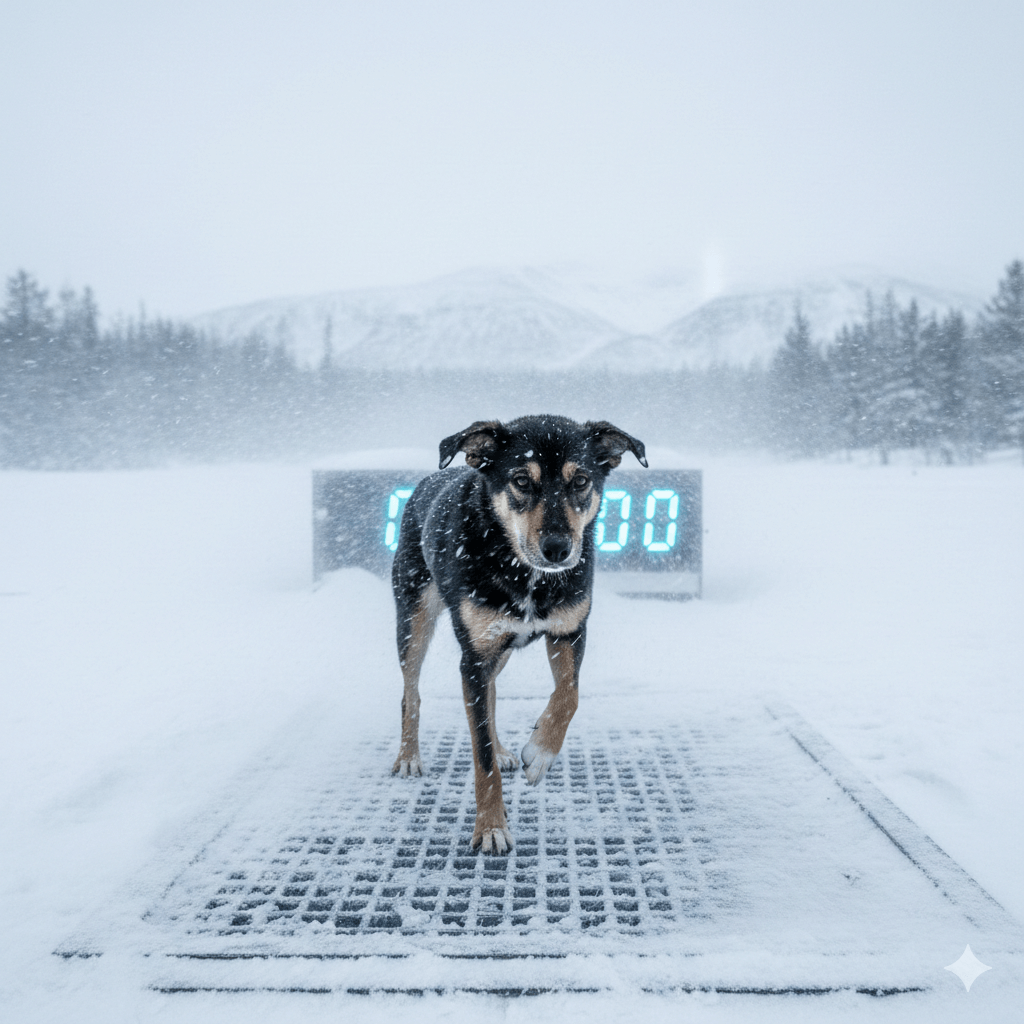
Early Warning Signs of Frostbite in Dogs
Recognizing the early signs of frostbite is crucial to prevent permanent tissue damage. Symptoms often appear subtly at first but worsen if exposure continues.
- Pale or Gray Skin:
Affected areas, such as paws, ears, or tails, may turn pale, gray, or bluish due to reduced blood flow from cold-induced vasoconstriction. - Cold to the Touch:
Frostbitten tissues feel unusually cold or icy when touched, indicating impaired circulation and oxygen delivery. - Swelling or Blisters:
As frostbite progresses, swelling may occur, followed by fluid-filled blisters or skin discoloration in severe cases. - Pain or Sensitivity:
Your dog may lick, chew, or show discomfort in affected areas as they warm up, signaling pain from tissue damage. - Lethargy or Shivering:
Systemic effects of prolonged cold exposure include lethargy, shivering, or reluctance to move, which accompany localized frostbite symptoms.
Early detection allows you to act quickly, minimizing tissue damage and ensuring your dog receives appropriate care.
Check this guide 👉Frostbite on Dog Paws: Best 7 Expert Tips!
Check this guide 👉Can Hot Pavement Burn Your Dogs Paws? Best 7 Expert Tips!
Check this guide 👉Dog Paw Infection Between Toes: Best 7 Expert Tips!
Preventing Frostbite in Dogs | Recognizing Frostbite Symptoms |
|---|---|
Limit outdoor time below 32°F (0°C) | Pale, gray, or bluish skin in extremities |
Use dog booties to protect paws from ice | Swelling or fluid-filled blisters after warming |
Provide insulated clothing for short-haired breeds | Pain or sensitivity in affected areas |
Check weather forecasts for wind chill alerts | Lethargy or reluctance to move due to cold |
Create a warm, dry shelter for outdoor dogs | Loss of sensation in ears, paws, or tail |
How Frostbite Develops in Dogs
Frostbite occurs when tissues freeze due to prolonged exposure to sub-zero temperatures, disrupting blood flow and cellular function. Understanding this process highlights why prompt intervention is critical.
- Vasoconstriction and Reduced Blood Flow:
Cold temperatures cause blood vessels to constrict, prioritizing core organs over extremities. This reduces oxygen supply to areas like ears, paws, and tails. - Ice Crystal Formation in Cells:
Freezing causes ice crystals to form within cells, damaging membranes and organelles essential for cell survival. This leads to irreversible tissue injury if untreated. - Reperfusion Injury After Warming:
When frostbitten tissues are rewarmed, inflammatory responses can exacerbate damage as blood flow returns, causing further harm to already fragile cells. - Nerve Damage and Loss of Sensation:
Severe frostbite damages nerves, leading to numbness or complete loss of sensation in affected areas. Chronic pain may follow recovery in some cases. - Risk of Secondary Infections:
Damaged skin becomes vulnerable to bacterial infections, complicating healing and requiring additional veterinary treatment.
Understanding these mechanisms underscores the importance of preventing frostbite through proper winter care.
Preventing Frostbite in Dogs During Winter
Preventing frostbite starts with proactive measures to protect your dog from harsh winter conditions. By implementing these strategies, you minimize their risk of developing this painful condition.
- Limit Outdoor Time in Extreme Cold:
Keep walks and outdoor play sessions brief when temperatures drop below freezing, especially for sensitive breeds. - Provide Protective Gear:
Use dog booties to shield paws from snow and ice, and consider sweaters or coats for short-haired or small breeds. - Check Paw Pads Regularly:
Inspect paws after walks for signs of cracking, ice buildup, or irritation. Clean them gently to remove salt or de-icing chemicals. - Create a Warm Shelter:
If your dog spends time outside, ensure they have access to a dry, insulated shelter with bedding that retains warmth. - Monitor Weather Conditions:
Stay informed about forecasts and avoid exposing your dog to high winds, heavy snowfall, or extreme cold snaps without adequate protection.
These steps keep your dog comfortable and reduce the likelihood of frostbite during winter months.
Treating Frostbite in Dogs
If you suspect frostbite, immediate action is vital to minimize tissue damage and promote healing. Follow these steps carefully until you consult a veterinarian.
- Remove Your Dog from the Cold:
Bring your dog indoors to a warm environment, avoiding direct heat sources like radiators or hairdryers initially. - Gradual Rewarming of Affected Areas:
Submerge frostbitten areas in lukewarm water (not hot) for 15–20 minutes to restore blood flow gradually. Do not rub or massage the area. - Dry Gently and Keep Warm:
Pat the area dry with a soft towel and wrap your dog in blankets to maintain body temperature while transporting them to the vet. - Avoid Using Heat Sources Directly:
Heating pads or blow dryers can burn already damaged tissues; instead, rely on ambient warmth to stabilize your dog. - Seek Veterinary Care Immediately:
Professional evaluation ensures proper treatment and prevents complications like infection or permanent tissue loss.
Prompt and gentle care improves outcomes and reduces long-term damage from frostbite.
Common Misconceptions About Frostbite in Dogs
Many pet owners hold misconceptions about frostbite, which can delay proper care or lead to unnecessary risks. Dispelling these myths promotes better awareness and preparedness.
- “Dogs Don’t Get Frostbite Because They Have Fur.”
While fur provides insulation, it doesn’t make dogs immune to frostbite, particularly in exposed areas like paws and ears. - “Short Walks Are Safe Even in Sub-Zero Temperatures.”
Even brief exposure can harm vulnerable dogs, especially if wind chill amplifies the cold. - “Frostbite Only Happens in Arctic Climates.”
Frostbite can occur in moderate climates during sudden cold snaps or wet, windy conditions. - “You Should Rub Frostbitten Areas to Warm Them Up.”
Rubbing can cause further tissue damage; gradual rewarming is the safest approach. - “Frostbite Is Rare in Healthy Dogs.”
Any dog can develop frostbite under the right conditions, regardless of age, size, or health status.
Correcting these misunderstandings empowers owners to take frostbite seriously and act appropriately.
Long-Term Effects of Frostbite in Dogs
Severe frostbite can leave lasting impacts on your dog’s health, requiring ongoing management and care. Understanding these potential consequences prepares you for long-term responsibilities.
- Permanent Tissue Loss:
In extreme cases, necrotic tissue must be surgically removed, leaving scars or altering physical appearance permanently. - Chronic Pain or Nerve Damage:
Some dogs experience lingering discomfort or hypersensitivity in previously frostbitten areas, affecting mobility or behavior. - Increased Susceptibility to Future Episodes:
Once frostbitten, tissues become more prone to recurrent damage in subsequent cold exposures. - Secondary Health Complications:
Open wounds from severe frostbite increase infection risks, potentially leading to systemic illnesses if untreated. - Behavioral Changes:
Trauma from frostbite episodes may make dogs fearful of cold weather or outdoor activities, impacting their quality of life.
Proactive care and vigilant monitoring help mitigate these effects, ensuring your dog remains healthy and happy despite past challenges.
“A dog can start developing frostbite in as little as 30 minutes.” – Dr. Jerry Klein
Frequently Asked Questions About Frostbite in Dogs
How can I tell if my dog has frostbite or hypothermia?
Frostbite can develop within 15–30 minutes of exposure to freezing temperatures, especially if wind chill or moisture accelerates heat loss.
What should I do if I suspect frostbite?
Gradually rewarm the affected area with lukewarm water and seek immediate veterinary care to prevent further complications.
Are certain dog breeds more prone to frostbite?
Yes—small breeds, short-haired dogs, and those with low body fat (e.g., Greyhounds or Chihuahuas) are at higher risk of frostbite.
Can frostbite cause permanent damage?
Severe cases may lead to permanent tissue loss, nerve damage, or chronic pain, requiring ongoing management and care.
How can I prevent frostbite during walks?
Use protective gear like booties and coats, limit time outdoors in extreme cold, and check your dog’s paws and ears regularly for signs of frostbite.
Safeguarding Your Dog from Frostbite: A Winter Survival Guide
Understanding how long it takes for a dog to get frostbite is the first step toward protecting your furry friend from this painful condition. By recognizing early warning signs and taking proactive measures, you ensure their safety even in the harshest winter conditions. Whether it’s equipping them with protective gear, limiting outdoor exposure, or seeking prompt veterinary care, every action reflects your dedication to their well-being. Remember, frostbite isn’t just a seasonal inconvenience—it’s a serious risk that demands vigilance and compassion. With these expert tips, you’re ready to face the cold confidently and keep your dog happy, healthy, and warm all winter long.

Is Rawhide Bad for Cats? Best 7 Expert Tips! – Discover the risks, safe alternatives, and expert advice to keep your feline friend healthy and happy.

Is Rawhide Bad for Dogs? Best 7 Expert Tips! – Discover the risks, benefits, and safer alternatives to rawhides for your dog’s chewing needs.

Understanding Anorexia in Cats: Best 7 Expert Tips! – Learn why cats stop eating, spot warning signs, and discover how to help your feline regain appetite safely.

Understanding Anorexia in Dogs: Best 7 Expert Tips! – Learn causes, symptoms, and solutions to help your dog regain appetite and stay healthy.