

How Long Do Dog Eye Infections Last?
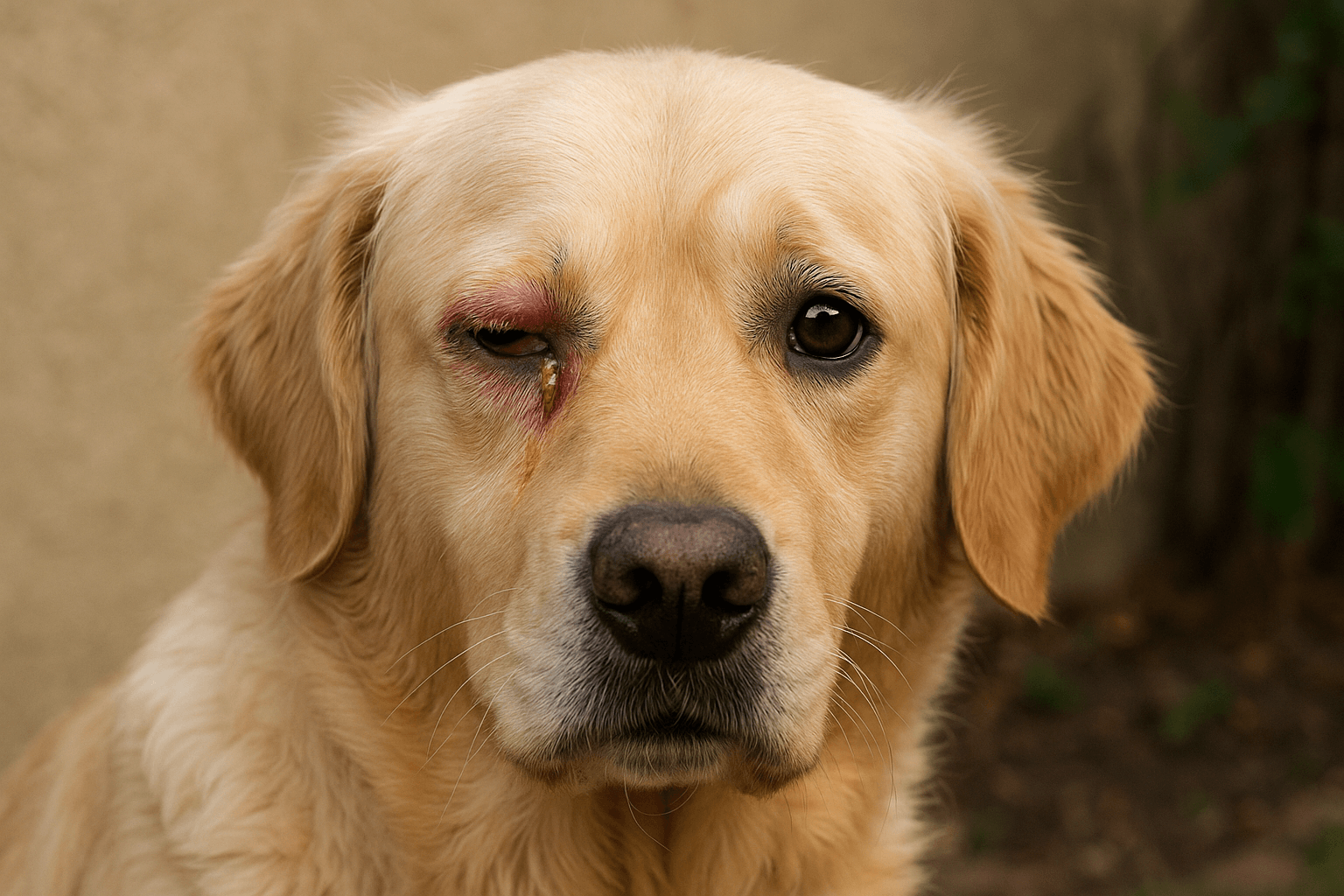
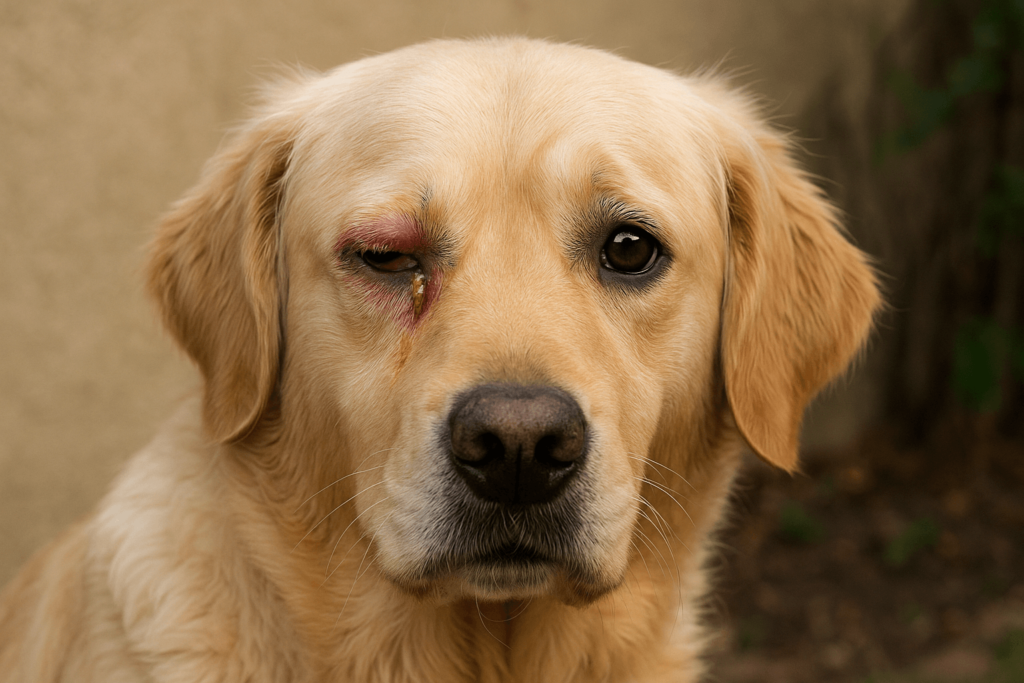
Dog eye infections are more common than many pet parents realize—and while they can be concerning, most resolve within 1–3 weeks with proper care. However, the exact duration depends on the type of infection, your dog’s immune response, and how quickly treatment begins. Understanding what to expect can ease your worries and help you support your furry friend’s recovery effectively.
Common Types of Dog Eye Infections and Their Timelines
Not all eye infections in dogs are the same. The cause determines both treatment and recovery speed. Recognizing the type early can shorten healing time significantly.
Bacterial conjunctivitis
Typically responds well to antibiotic eye drops and often improves within 3–5 days, with full resolution in 7–10 days.Viral infections (e.g., canine herpesvirus or distemper-related)
May last 10–14 days or longer, especially if the immune system is compromised. Supportive care is key.Fungal keratitis
Rare but serious; can take 3–6 weeks to resolve and often requires specialized antifungal medications.Allergic conjunctivitis
Not infectious, but mimics infection. Symptoms may persist as long as the allergen is present—days to weeks—unless managed.Corneal ulcers with secondary infection
Healing time varies: superficial ulcers improve in 5–7 days, while deep or infected ulcers may take 2–4 weeks or more.
Early veterinary diagnosis is crucial. What looks like a simple red eye could be a complex condition requiring specific therapy. Never assume it will “go away on its own.”
Signs That Your Dog Has an Eye Infection
Catching an eye infection early can dramatically reduce its duration. Dogs can’t tell you when something’s wrong—but their eyes will.
Persistent redness or bloodshot appearance
Unlike temporary irritation from dust, infection-related redness doesn’t fade after a few hours.Yellow, green, or cloudy discharge
Clear discharge may be normal; thick or colored discharge often signals infection.Excessive blinking or squinting
This indicates pain or discomfort—never ignore a dog that’s keeping one eye closed.Swollen eyelids or visible third eyelid
Inflammation is a telltale sign that the immune system is actively fighting something.Pawing at the eye or rubbing the face
Constant rubbing can worsen damage and introduce more bacteria—intervene early.
If you notice any of these signs, schedule a vet visit within 24 hours. Prompt action prevents complications and shortens recovery time.
Check this guide 👉Natural Remedy for Dog Eye Infection: Best 7 Tips!
Check this guide 👉Dog Eye Injury Treatment: Best 7 Expert Tips!
Check this guide 👉Signs a Dog Eye Ulcer Is Healing: Best 7 Expert Tips!
| Infection Type | Typical Duration |
|---|---|
| Bacterial conjunctivitis | 7–10 days with treatment |
| Viral conjunctivitis | 10–14+ days |
| Fungal keratitis | 3–6 weeks |
| Allergic irritation | Variable—resolves when allergen is removed |
| Infected corneal ulcer | 2–4 weeks (sometimes longer) |
Factors That Influence Recovery Time
Your dog’s healing speed isn’t just about the infection type—several other elements play a role in how long symptoms last.
Age and overall health
Puppies and senior dogs often take longer to recover due to less robust immune systems.Breed predisposition
Brachycephalic breeds (like Pugs or Bulldogs) have protruding eyes and are more prone to chronic irritation and slower healing.Timeliness of treatment
Starting medication within 24–48 hours of symptom onset can cut recovery time by half.Medication compliance
Missing doses or stopping treatment early (even if the eye looks better) can lead to relapse or antibiotic resistance.Environmental stressors
Smoke, dust, or dry air can prolong inflammation and delay healing—even during treatment.
Optimizing these factors gives your dog the best chance for a swift, full recovery. Consistency is everything.
Home Care Tips to Support Healing
While medication is essential, your at-home support accelerates healing and prevents reinfection.
Keep the eye area clean
Gently wipe away discharge with a sterile saline solution or vet-approved eye wipe—use a fresh cloth for each eye.Prevent face rubbing
Use an Elizabethan collar (cone) if needed to stop your dog from scratching or pawing the eye.Avoid over-the-counter human eye drops
Many contain ingredients toxic to dogs—never use them without veterinary approval.Maintain a calm, clean environment
Reduce airborne irritants like aerosols, perfumes, or dust during recovery.Monitor both eyes closely
Infections can spread from one eye to the other, even if only one appears affected initially.
These simple actions show your dog you’re on their team—and they make a measurable difference in recovery speed.
When to Worry: Red Flags That Require Immediate Vet Attention
Most eye infections are manageable—but some signal emergencies that can threaten vision within hours.
Cloudiness or bluish tint over the eye
May indicate corneal ulceration or glaucoma—both urgent conditions.Sudden vision changes or bumping into objects
Could suggest advanced infection, uveitis, or retinal detachment.Severe swelling or bulging of the eye
Might point to orbital abscess or trauma requiring surgery.No improvement after 48 hours of treatment
Suggests the wrong diagnosis, resistant infection, or underlying disease.Fever, lethargy, or loss of appetite alongside eye symptoms
Indicates systemic illness like distemper or immune-mediated disease.
Never wait. Eye emergencies in dogs can lead to permanent blindness if not addressed within hours.
Preventing Future Eye Infections
Once your dog recovers, prevention becomes your top priority—especially for breeds prone to recurrent issues.
Regular eye checks during grooming
Look for redness, discharge, or cloudiness during weekly brushings.Trim hair around the eyes
Long fur can trap debris and bacteria—keep it short in breeds like Shih Tzus or Maltese.Use dog-safe eye lubricants in dry or windy climates
Artificial tears (vet-approved) help flush irritants and maintain moisture.Avoid crowded dog parks during outbreaks
Viral infections like distemper spread easily in high-contact areas.Schedule annual vet exams with eye screening
Early detection of dry eye (KCS) or eyelid abnormalities prevents secondary infections.
Prevention isn’t just easier—it’s kinder. Healthy eyes mean a happier, more confident dog.
When Recovery Takes Longer Than Expected
Sometimes, despite your best efforts, your dog’s eye infection lingers beyond the typical 1–3 week window. This can be frustrating—but it’s often a sign that underlying factors need closer attention.
Undiagnosed underlying conditions
Issues like dry eye (KCS), eyelid abnormalities (entropion), or autoimmune disease can mimic or prolong infections.Antibiotic-resistant bacteria
Some bacterial strains don’t respond to first-line treatments, requiring culture testing and stronger medications.Incomplete treatment course
Stopping eye drops early—even if the eye looks better—can allow lingering microbes to rebound aggressively.Environmental irritants
Ongoing exposure to smoke, pollen, or cleaning chemicals can delay healing by sustaining inflammation.Poor immune function
Dogs with diabetes, Cushing’s disease, or on long-term steroids may heal more slowly due to suppressed immunity.
If your dog’s eye hasn’t improved after 10–14 days of consistent treatment, it’s time to revisit your veterinarian for a reassessment—because prolonged eye issues can escalate quickly.
Frequently Asked Questions About Dog Eye Infections
How long do dog eye infections last with treatment?
Most bacterial infections improve within 3–5 days and resolve in 7–10 days with proper antibiotics. Viral or fungal cases may take 2–6 weeks.
Can dog eye infections go away on their own?
Mild irritation might, but true infections rarely resolve without treatment—and waiting can lead to corneal damage or vision loss.
Are dog eye infections contagious to other pets?
Yes, bacterial and viral conjunctivitis can spread to other dogs. Isolate affected pets and wash hands thoroughly after handling them.
Should I use a warm or cold compress on my dog’s infected eye?
Avoid compresses unless your vet recommends them. Incorrect temperature or pressure can worsen inflammation or ulcers.
Can allergies mimic an eye infection in dogs?
Absolutely. Allergic conjunctivitis causes redness and watery discharge but usually affects both eyes and responds to antihistamines—not antibiotics.
Supporting Your Dog Through Recovery
Eye infections are uncomfortable, confusing, and sometimes painful for dogs—but with your calm presence and consistent care, most heal fully within 1–3 weeks. The key is early action, strict adherence to treatment, and creating a low-stress healing environment. Remember: your dog trusts you to notice when something’s wrong and to advocate for their health. By understanding how long dog eye infections last—and what influences that timeline—you’re not just treating a symptom. You’re protecting your companion’s vision, comfort, and quality of life. That’s the heart of responsible, loving pet care.
Understanding Cryptosporidium in Cats: Best 7 Expert Tips! – Spot symptoms, treat safely, and stop parasite spread in your home.
Understanding Cryptosporidium in Dogs: Best 7 Expert Tips! – Learn symptoms, treatment & prevention for this stubborn gut parasite.
Understanding Syringomyelia in Cats: Best 7 Expert Tips! – Recognize signs, manage pain, and support your cat’s neurological health with vet-backed guidance.
Understanding Syringomyelia in Dogs: Best 7 Expert Tips! – Expert insights on symptoms, MRI diagnosis, pain management & quality of life.


