
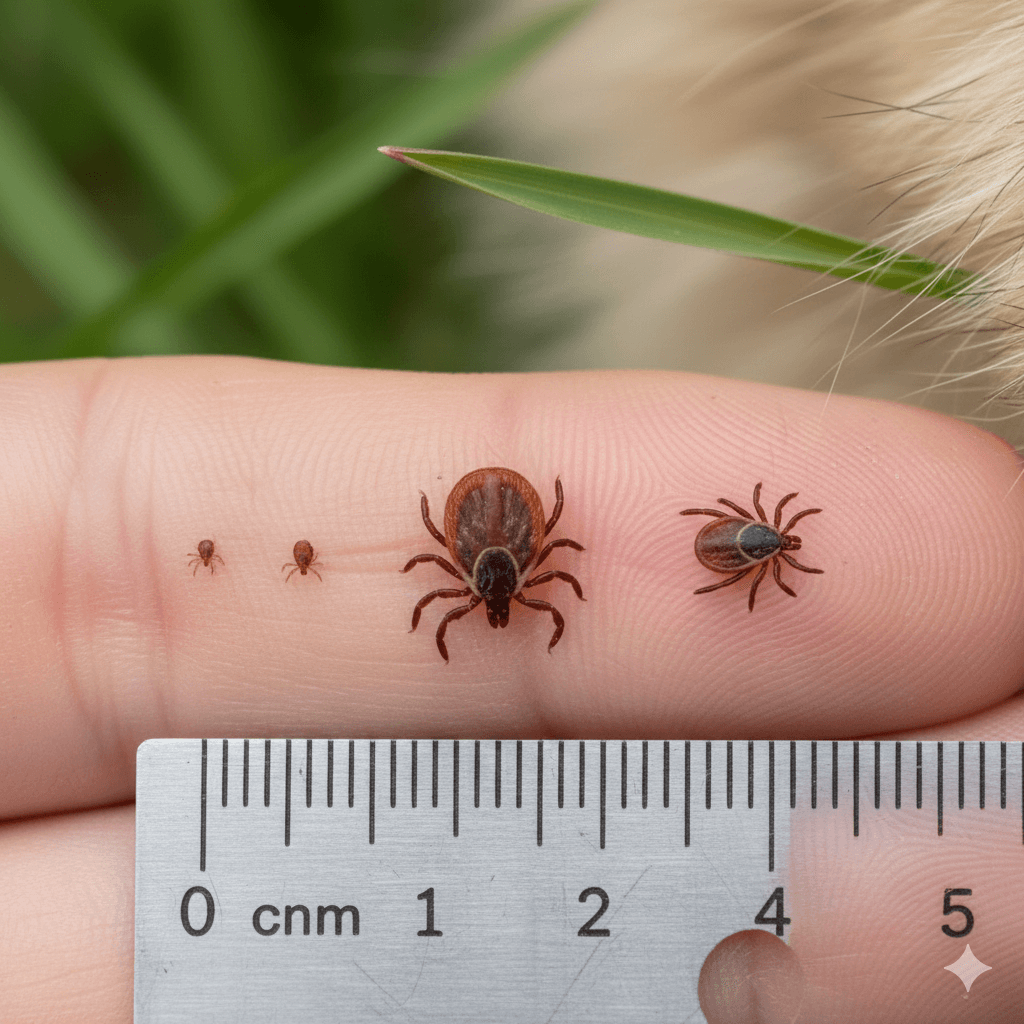

Understanding How Big Are Dog Ticks
Ticks are more than just a nuisance—they’re potential carriers of serious diseases like Lyme disease, anaplasmosis, and ehrlichiosis. But how big are dog ticks, really? The answer depends on their life stage, species, and whether they’ve fed. From nearly invisible nymphs to bloated adults the size of a grape, ticks vary dramatically in size. Knowing what to look for can help you spot them early, remove them safely, and protect your dog from harm. This guide breaks down everything you need to know about tick sizes, appearances, and why vigilance matters year-round.
Life Stages of Dog Ticks and Their Typical Sizes
Dog ticks go through four distinct life stages, and their size changes significantly at each step—especially after feeding. Recognizing these differences helps you identify them before they transmit disease:
- Egg Stage:
Tick eggs are microscopic—about the size of a grain of sand (0.5 mm)—and rarely seen by pet owners. They’re laid in soil or leaf litter, not on the dog. - Larva (Seed Tick):
Newly hatched larvae have six legs and are tiny—roughly 0.5 to 1 mm, about the size of a poppy seed. They’re hard to spot but can still bite and transmit pathogens. - Nymph Stage:
After molting, nymphs grow to 1–2 mm—similar to a sesame seed. They’re translucent or light brown and often mistaken for dirt. This stage is highly active and commonly found on dogs in spring. - Adult Unfed Tick:
Unfed adult dog ticks (like the American dog tick) measure 3–5 mm—about the size of a small apple seed or pencil eraser. They’re dark brown or reddish with a hardened shield. - Adult Engorged Tick:
After feeding for several days, adult ticks can swell to 10–15 mm—roughly the size of a pea or small grape—and turn grayish-blue or olive. Their bodies become round and fragile.
Size alone isn’t enough—always check your dog thoroughly, especially in warm, hidden areas like ears, armpits, and between toes, regardless of tick size.
Common Tick Species Found on Dogs and Their Dimensions
Not all ticks are the same. Different species vary in size, color, habitat, and disease risk. Knowing the most common types helps you assess danger and respond appropriately:
- American Dog Tick (Dermacentor variabilis):
Unfed adults are 4–5 mm; engorged females reach 15 mm. Recognizable by whitish scutum (shield) on a brown body. Common in grassy fields. - Brown Dog Tick (Rhipicephalus sanguineus):
Slightly smaller—3–4 mm unfed, up to 12 mm engorged. Uniform reddish-brown with no ornate markings. Thrives indoors and can complete its entire life cycle in homes. - Deer Tick / Blacklegged Tick (Ixodes scapularis):
One of the smallest—unfed adults are only 3 mm; nymphs are 1 mm. Dark legs with a reddish body. Primary carrier of Lyme disease in North America. - Lone Star Tick (Amblyomma americanum):
Unfed adults: 4–5 mm; engorged: up to 14 mm. Females have a distinctive white dot on their back. Aggressive biter, linked to alpha-gal syndrome (“red meat allergy”). - Gulf Coast Tick (Amblyomma maculatum):
Similar in size to the American dog tick but with ornate, silvery markings. Feeds primarily on ears of dogs and wildlife; can transmit Rickettsia parkeri.
Even the tiniest tick can carry disease—so never assume a small tick is harmless.
Check this guide 👉White Ticks on Dogs: Best 7 Expert Tips!
Check this guide 👉Dog Ticks in the House: Best 7 Expert Tips!
Check this guide 👉Understanding Tick Paralysis in Dogs: Best 7 Expert Tips!
Tick Identification Clues | What Size Tells You About Risk |
|---|---|
Poppy-seed-sized = larva or nymph | Highest risk per bite: nymphs transmit Lyme more often due to stealth |
Apple-seed-sized = unfed adult | Easier to spot; removal within 24–48 hrs reduces disease risk |
Pea- or grape-sized = engorged adult | Has fed for days—likely had time to transmit pathogens |
Uniform red-brown = Brown Dog Tick | Can infest homes; requires environmental treatment beyond pet care |
White dot or shield = Lone Star or American Dog Tick | Species-specific diseases: RMSF, tularemia, or alpha-gal allergy |
Where to Check for Ticks on Your Dog—By Size and Location
Because ticks vary in size, your inspection technique must adapt. Smaller ticks hide in fur and mimic specks of dirt, while larger ones may be visible with the naked eye—but both prefer warm, protected areas:
- Ears (Inside and Behind):
Thin skin and warmth attract all tick sizes. Use a flashlight to check deep folds where tiny nymphs cling. - Armpits and Groin:
Hidden, moist zones where engorged ticks often attach unnoticed. Part fur gently with fingers to feel for bumps. - Between Toes and Paw Pads:
Ticks latch here after walks in grass. Even 1-mm nymphs can cause irritation or infection in this sensitive area. - Neck and Under Collar:
Collars create warmth and friction—ideal for ticks. Lift the collar daily to scan for seed-sized or larger parasites. - Eyelids and Around Muzzle:
Less common but possible. Tiny ticks here can cause swelling or conjunctivitis if not removed carefully.
Daily checks are essential during tick season—especially after outdoor activity—since disease transmission often begins 24–48 hours after attachment.
How Tick Size Affects Disease Transmission Risk
Size correlates directly with feeding time—and feeding time determines disease risk. The longer a tick remains attached, the higher the chance it transmits bacteria or viruses:
- Tiny Ticks (Larvae/Nymphs):
Hard to detect, so they often feed longer. Deer tick nymphs cause most Lyme cases in late spring/summer due to their stealth. - Mid-Sized Unfed Adults:
Easier to spot, but if missed, they begin feeding within hours. Removal within 24 hours greatly reduces infection odds. - Large Engorged Ticks:
Clearly visible but indicate prolonged attachment (3–7 days). High risk for disease, though some pathogens require 36+ hours to transmit. - Size vs. Species Matters:
A 2-mm deer tick poses greater Lyme risk than a 5-mm American dog tick in non-endemic areas. Know your local tick threats. - Engorgement = Urgency:
If you find a swollen tick, remove it immediately and monitor your dog for fever, lameness, or lethargy over the next 14 days.
Never wait—early removal is your best defense, regardless of tick size.
Safe Tick Removal Based on Size and Attachment
Proper removal technique depends on the tick’s size and how embedded it is. Using the wrong method (like burning or squeezing) can increase infection risk:
- For Poppy-Seed-Sized Ticks:
Use fine-tipped tweezers or a tick removal hook; grasp as close to skin as possible—even if you can barely see the head. - For Apple-Seed-Sized Adults:
Steady, upward pressure with tweezers usually works. Avoid twisting, which can leave mouthparts behind. - For Pea-Sized Engorged Ticks:
Handle gently—their bodies tear easily. Don’t squeeze the body; focus on the embedded head. Save the tick in a sealed bag for ID/testing. - Never Use Home Remedies:
Petroleum jelly, alcohol, or matches won’t make ticks detach faster and may irritate your dog’s skin. - After Removal:
Clean the bite area with antiseptic, monitor for redness or swelling, and note the date in case symptoms develop later.
When in doubt, ask your vet to remove tricky ticks—especially near eyes or in heavily furred areas.
Prevention Tips to Keep Ticks Off Your Dog—Regardless of Size
Since ticks range from nearly invisible to easily seen, prevention must work at all levels. A multi-layered approach offers the best protection year-round:
- Use Vet-Approved Tick Preventatives:
Topicals, oral meds, or collars (like Seresto or NexGard) kill or repel ticks before they attach—even tiny nymphs. - Avoid Tick Habitats During Peak Seasons:
Stay on trails in spring/summer/fall. Avoid tall grass, leaf litter, and wooded edges where ticks quest for hosts. - Perform Daily Tick Checks:
Spend 5 minutes post-walk scanning your dog’s entire body. Use a fine comb to catch seed-sized ticks in dense fur. - Maintain Your Yard:
Keep grass short, clear leaf piles, and create barriers (like wood chips) between lawns and wooded areas to reduce tick presence. - Consider Vaccination:
In Lyme-endemic regions, the Lyme vaccine adds an extra layer of defense alongside preventatives and checks.
Consistency is key—ticks are active whenever temperatures are above freezing, so don’t limit prevention to summer months.
When to Call the Vet After Finding a Tick
Most tick bites don’t lead to illness, but certain situations warrant immediate veterinary attention—especially when size indicates prolonged feeding:
- Tick Embedded for More Than 36 Hours:
Higher risk of pathogen transmission; your vet may recommend prophylactic antibiotics in high-risk areas. - Multiple Ticks Found at Once:
Suggests heavy exposure and possible infestation—your dog and home may need deeper intervention. - Signs of Infection at Bite Site:
Redness, pus, swelling, or hair loss around the bite could indicate secondary bacterial infection. - Your Dog Shows Systemic Symptoms:
Fever, joint pain, loss of appetite, or lethargy in the 1–4 weeks post-bite may signal tick-borne illness. - You’re Unsure of Tick Species or Removal Success:
Your vet can identify the tick (or test it) and confirm whether mouthparts remain under the skin.
Early vet involvement can prevent complications and provide peace of mind after any tick encounter.
Frequently Asked Questions About How Big Are Dog Ticks
Can a tick be too small to see on my dog?
Yes—larvae and nymphs are often smaller than 1 mm and blend into fur or look like dirt specks. A fine comb helps detect them.
Do all ticks swell when they feed?
Yes. Unfed ticks are flat; after feeding, they become round and balloon-like, increasing in size up to 10x their original volume.
Is a bigger tick more dangerous?
Not necessarily. Small nymphs transmit Lyme disease more often because they’re harder to spot and stay attached longer.
How can I tell if it’s a tick or a skin tag?
Ticks have legs (visible with magnification), feel hard, and don’t move with the skin. Skin tags are soft, flesh-colored, and move when you stretch the skin.
What’s the largest a dog tick can get?
Engorged adult female ticks can reach 15 mm (about 0.6 inches)—roughly the size of a small grape or blueberry.
Stay Vigilant, Keep Your Dog Safe
Ticks may be small, but their impact can be huge. Whether you’re spotting a nearly invisible nymph or removing a grape-sized engorged adult, your quick action protects your dog from pain, illness, and long-term health issues. By understanding tick sizes across life stages and species, you turn uncertainty into confidence—and prevention into habit. Remember, a daily check, quality preventatives, and prompt removal are your best tools. In the quiet moments after a walk, running your hands through your dog’s fur isn’t just grooming—it’s guardianship. And that’s a responsibility that fits perfectly in the palm of your hand, no matter how tiny the threat may seem.
Is Rawhide Bad for Cats? Best 7 Expert Tips! – Discover the risks, safe alternatives, and expert advice to keep your feline friend healthy and happy.

Is Rawhide Bad for Dogs? Best 7 Expert Tips! – Discover the risks, benefits, and safer alternatives to rawhides for your dog’s chewing needs.

Understanding Anorexia in Cats: Best 7 Expert Tips! – Learn why cats stop eating, spot warning signs, and discover how to help your feline regain appetite safely.

Understanding Anorexia in Dogs: Best 7 Expert Tips! – Learn causes, symptoms, and solutions to help your dog regain appetite and stay healthy.