
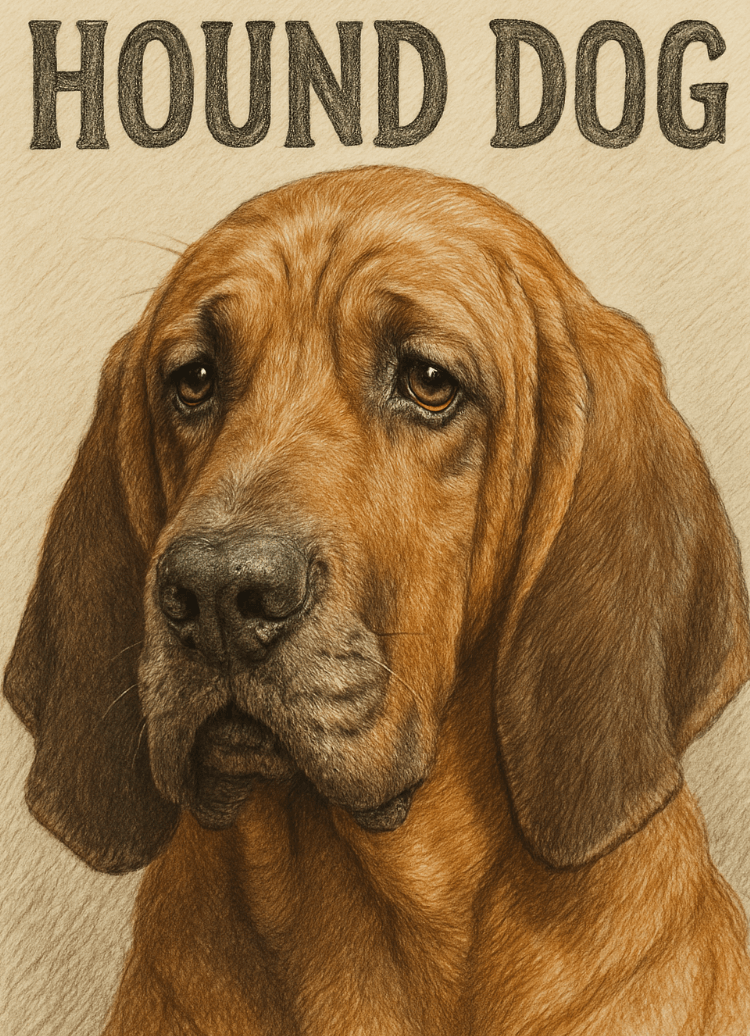
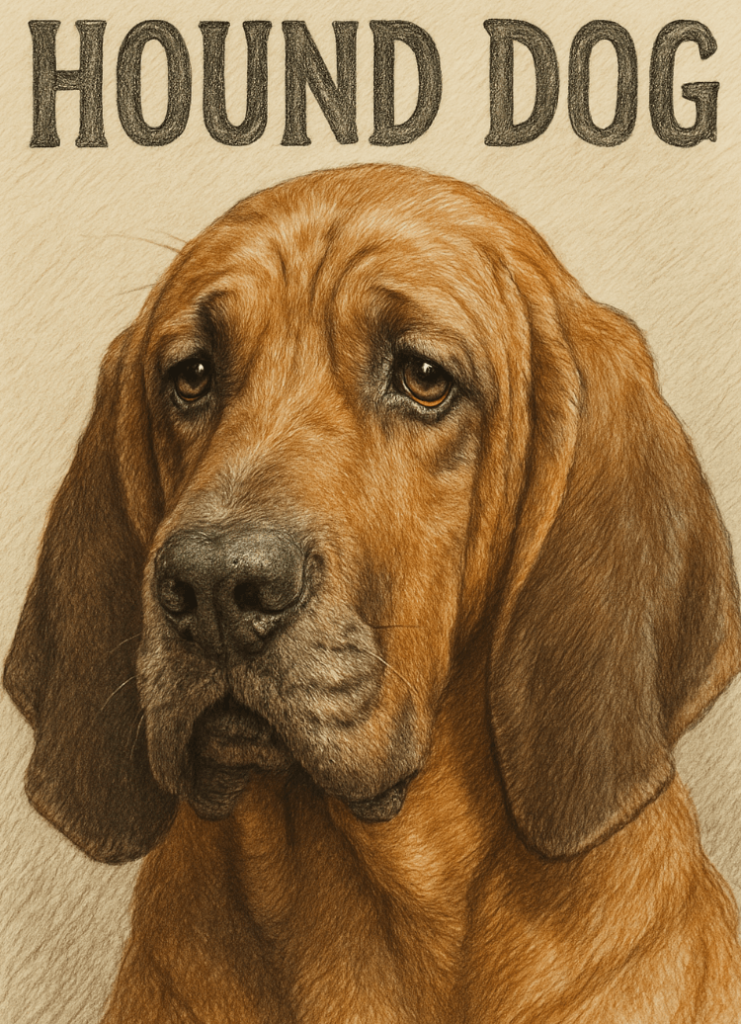

Hound Dog Meaning: Unpacking the History and Significance
The term “hound dog” evokes images of loyal, hardworking canines with a knack for tracking scents or chasing prey. But what exactly does “hound dog” mean, and why are these dogs so revered in various cultures? Hounds are a diverse group of breeds known for their exceptional hunting abilities, keen senses, and unwavering loyalty. Whether you’re a dog enthusiast or simply curious about the origins of this iconic term, understanding the meaning and characteristics of hound dogs offers a fascinating glimpse into their history and roles in human society. In this blog post, we’ll explore the rich heritage of hound dogs, their unique traits, and their enduring appeal as companions and working partners.
What Defines a Hound Dog? Key Characteristics
Hound dogs are a distinct category of canine breeds, united by their shared purpose and specialized skills. These dogs have been bred for centuries to assist humans in hunting, making them some of the most versatile and intelligent working dogs. Here’s what sets hound dogs apart from other breeds.
Exceptional Sense of Smell:
Many hounds, such as Bloodhounds and Beagles, are renowned for their extraordinary scent-tracking abilities, often used in search-and-rescue missions.Speed and Agility:
Sighthounds like Greyhounds and Whippets are built for speed, capable of chasing fast-moving prey across open terrain.Persistence and Determination:
Hounds are known for their relentless drive and focus when on a trail, rarely giving up until the task is complete.Versatility in Hunting Styles:
Some hounds rely on scent (scent hounds), while others use sight (sighthounds), showcasing their adaptability to different hunting methods.Independent Nature:
Due to their history as working dogs, hounds often exhibit a strong sense of independence and problem-solving skills.
These defining traits make hound dogs invaluable not only as hunters but also as beloved family pets with unique personalities.
Types of Hound Dogs: Scent Hounds vs. Sighthounds
Hound dogs are broadly categorized into two main groups based on their hunting methods: scent hounds and sighthounds. Each type has its own strengths and characteristics that reflect their specialized roles.
Scent Hounds:
These dogs rely on their powerful noses to track scents over long distances, making them ideal for trailing game like deer or rabbits.Sighthounds:
Built for speed and agility, sighthounds rely on their sharp eyesight to spot and chase prey in open areas, often reaching incredible speeds.Popular Scent Hound Breeds:
Examples include Beagles, Basset Hounds, and Coonhounds, each known for their endurance and ability to follow complex trails.Popular Sighthound Breeds:
Greyhounds, Whippets, and Salukis are among the fastest dog breeds, excelling in pursuits requiring bursts of speed.Hybrid Traits:
Some hounds exhibit qualities of both types, showcasing the versatility and adaptability of the breed group.
Understanding these distinctions helps highlight the diversity within the hound dog category and their unique contributions to hunting and companionship.
Check this guide 👉Elkhound Dog: Best 7 Expert Tips!
Check this guide 👉Saint Bernard Greyhound Mix: Best 7 Expert Tips!
Check this guide 👉Rhodesian Ridgeback Bloodhound Mix: Best 7 Expert Tips!
Characteristics of Scent Hounds | Characteristics of Sighthounds |
|---|---|
Rely on powerful sense of smell | Depend on sharp vision |
Built for endurance over long trails | Designed for speed and agility |
Often have droopy ears and loose skin | Sleek, aerodynamic body structure |
Typically slower but persistent | Capable of reaching high speeds |
Examples: Beagle, Bloodhound | Examples: Greyhound, Whippet |
The Role of Hound Dogs in Human History
Throughout history, hound dogs have played a vital role in human societies, serving as indispensable companions in hunting, protection, and even cultural traditions. Their contributions have left a lasting legacy that continues to shape our relationship with dogs today.
Ancient Origins:
Hounds were among the first domesticated dogs, with evidence of their existence dating back thousands of years in ancient Egypt and Mesopotamia.Hunting Companions:
Nobility and commoners alike relied on hounds to track and capture game, ensuring food security and recreational opportunities.Symbolism in Art and Literature:
Hounds frequently appear in paintings, sculptures, and myths, symbolizing loyalty, strength, and perseverance.Modern Roles:
Today, hounds serve in law enforcement, search-and-rescue operations, and therapy work, showcasing their adaptability beyond hunting.Cultural Significance:
In many cultures, hounds are seen as symbols of nobility and devotion, reflecting their esteemed status throughout history.
The historical significance of hound dogs underscores their enduring bond with humanity and their continued relevance in modern times.
Why Hound Dogs Make Great Pets
While hound dogs were originally bred for hunting, their affectionate nature and adaptability make them excellent companions for families and individuals alike. Here’s why they’re a great choice for pet owners.
Loyal and Devoted:
Hounds form strong bonds with their owners, often displaying unwavering loyalty and affection.Low Maintenance Grooming:
Most hound breeds have short coats that require minimal grooming, saving time and effort.Active Lifestyle Compatibility:
Their love for outdoor activities makes them perfect for active owners who enjoy hiking, running, or playing fetch.Playful and Energetic:
Hounds bring joy and excitement to households with their playful demeanor and zest for life.Adaptable to Various Living Situations:
From apartments to large homes, hounds can thrive in different environments as long as their exercise needs are met.
With proper care and attention, hound dogs can become cherished members of any family, offering endless love and companionship.
Common Misconceptions About Hound Dogs
Despite their popularity, several misconceptions about hound dogs persist. Clarifying these myths helps potential owners make informed decisions and fosters better understanding of the breed.
They Are All the Same:
Hound dogs encompass a wide variety of breeds, each with distinct traits, temperaments, and care requirements.Hounds Are Difficult to Train:
While some may be independent thinkers, hounds are highly trainable with the right approach and positive reinforcement.All Hounds Are High-Energy:
While many hounds are active, some breeds, like Greyhounds, are surprisingly laid-back and enjoy lounging indoors.They Can’t Live in Apartments:
With sufficient exercise, many hounds adapt well to apartment living despite their hunting heritage.Hounds Are Not Affectionate:
On the contrary, hounds are known for their deep bonds with humans and their desire for companionship.
Dispelling these myths ensures a more accurate understanding of hound dogs and their suitability as pets.
Health Considerations for Hound Dogs
Like all breeds, hound dogs are prone to certain health issues that prospective owners should be aware of. Being proactive about their care helps ensure a long and healthy life.
Hip Dysplasia:
Common in larger hound breeds, this condition affects joint mobility; regular exercise and weight management can help prevent it.Bloat (Gastric Torsion):
Deep-chested breeds like Greyhounds are at risk; feeding smaller meals and avoiding vigorous activity after eating reduces the likelihood.Ear Infections:
Scent hounds with droopy ears are prone to infections; regular cleaning keeps their ears healthy.Dental Issues:
Small breeds like Dachshunds (often classified as hounds) are susceptible to tooth decay; regular brushing and dental check-ups are essential.Skin Conditions:
Some hounds may develop allergies or sensitivities; hypoallergenic diets and grooming routines can alleviate symptoms.
Proactive healthcare ensures a longer, healthier life for your beloved hound dog.
Fun Activities to Enjoy with Your Hound Dog
Living with a hound dog means embracing opportunities for adventure and bonding. These activities cater to their natural instincts while strengthening your connection.
Long Walks and Runs:
Take them on scenic walks or runs to satisfy their need for physical activity and exploration.Scent Games:
Hide treats around the house or yard to engage their powerful sense of smell and keep them mentally stimulated.Agility Training:
Set up a simple obstacle course to challenge their athleticism and problem-solving skills.Interactive Toys:
Puzzle feeders and treat-dispensing toys provide entertainment and mental enrichment during downtime.Cuddle Time:
Despite their active nature, hounds love lounging with their owners, making snuggle sessions a favorite pastime.
Engaging in these activities ensures a fulfilling life for your adventurous and affectionate hound dog.
Frequently Asked Questions About Hound Dogs
Are hound dogs easy to train?
While intelligent, some hounds can be stubborn due to their independent nature; patience and consistency are key during training.
Do hound dogs get along with other pets?
Yes, most hounds are sociable and can coexist peacefully with other animals if properly socialized.
How much exercise do hound dogs need?
Exercise requirements vary by breed, but most hounds need at least 1-2 hours of activity daily to stay healthy and happy.
Are hound dogs good with children?
Generally yes, as they are gentle and patient, though supervision is recommended due to their energetic tendencies.
Do hound dogs bark a lot?
Some breeds, like Beagles, are vocal, while others, like Greyhounds, are quieter—research specific breeds to find the best fit for your lifestyle.
Celebrating the Legacy of Hound Dogs
Hound dogs embody a remarkable blend of skill, loyalty, and charm that has earned them a special place in human history and hearts. Whether as tireless hunting partners, devoted family pets, or cultural icons, their contributions are undeniable. By understanding the meaning and significance of hound dogs, we gain a deeper appreciation for their unique qualities and the roles they play in our lives. If you’re considering adding a hound dog to your family, rest assured that you’ll be welcoming a companion whose rich heritage and loving nature will bring endless joy and fulfillment.
Spleen Cancer in Cats: Best 7 Expert Tips! – Expert insights on symptoms, care, treatment & quality of life for feline spleen cancer.
Dog Mastitis Treatment: Best 7 Expert Tips! – Safe, vet-approved care for nursing moms & prevention strategies.
The Shikoku Ken Dog: Best 7 Expert Tips! – Discover expert care, training & health advice for this rare, loyal Japanese mountain breed.
The Cairn Terrier Dog Breed: Best 7 Expert Tips! – Discover care, training & health advice for this spirited, loyal Scottish terrier.


