
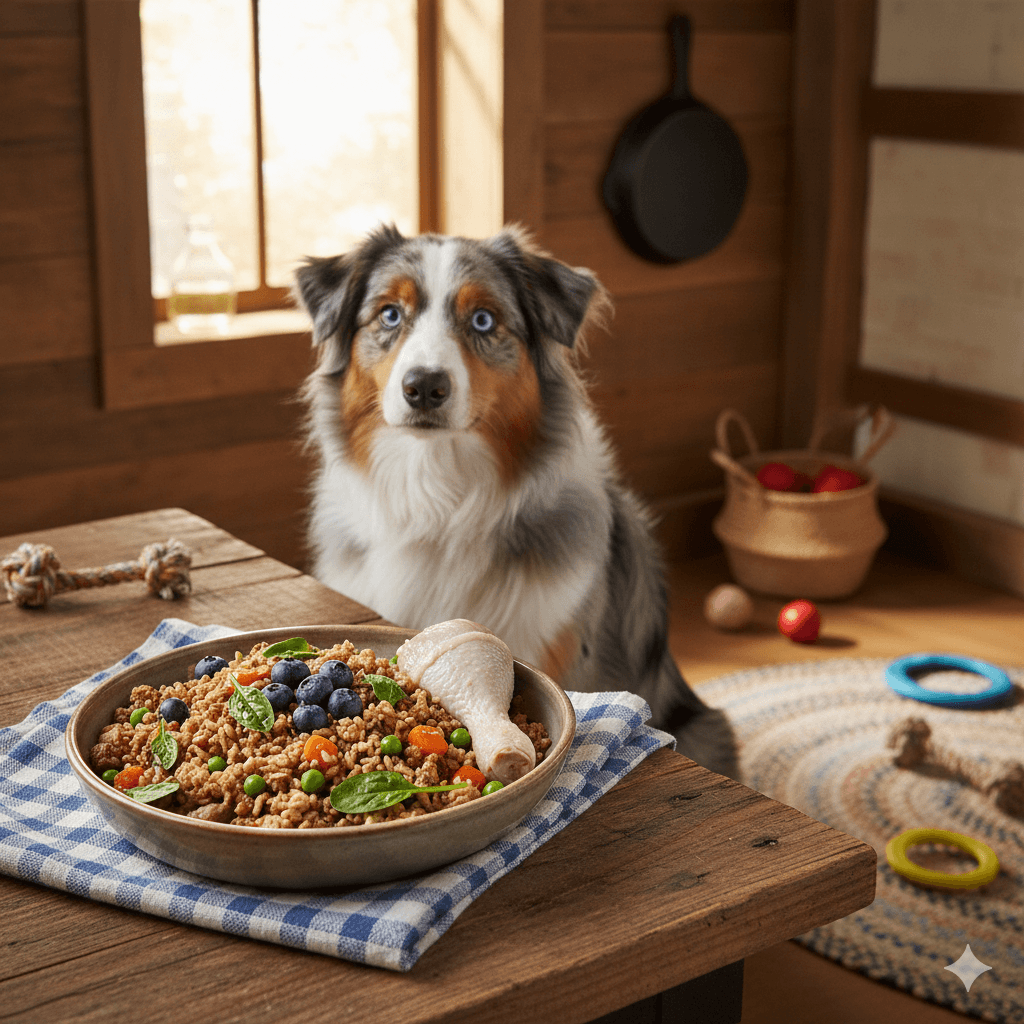

Homemade Dog Food for Australian Shepherd: Best 7 Expert Tips!
Feeding your Australian Shepherd a homemade diet can offer fresh, tailored nutrition—but it must be balanced and breed-appropriate. Aussies are energetic, intelligent working dogs with specific protein, fat, and micronutrient needs. A poorly planned recipe may lead to deficiencies or long-term health issues. With careful planning and veterinary guidance, however, you can create wholesome meals that fuel their active lifestyle. These expert-backed tips will help you get it right from day one.
Core Nutritional Needs of the Australian Shepherd
Australian Shepherds thrive on diets rich in high-quality protein and moderate fat to support their muscular build and endurance. Their active metabolism demands steady energy, while their dense double coat benefits from omega fatty acids. Meeting these requirements at home requires more than just meat and rice—it involves precise ratios and essential supplements:
- High-Quality Animal Protein:
Lean meats like chicken, turkey, beef, or fish should form the foundation—aim for 25–30% of total calories to maintain muscle mass. - Healthy Fats for Coat and Brain:
Include sources like salmon oil, flaxseed, or chicken fat to support cognitive function and that iconic glossy coat Aussies are known for. - Complex Carbohydrates in Moderation:
Sweet potatoes, oats, or brown rice offer sustained energy without spiking blood sugar—ideal for a breed prone to bursts of activity. - Essential Vitamins and Minerals:
Calcium, phosphorus, zinc, and B vitamins are often missing in homemade diets; a vet-approved supplement is usually necessary. - Joint-Supporting Nutrients:
Glucosamine, chondroitin, and omega-3s help protect hips and elbows, as Aussies are predisposed to hip dysplasia and arthritis.
Balancing these elements ensures your Aussie stays agile, alert, and vibrant through every hike, herding session, or backyard game.
Common Mistakes to Avoid When Preparing Homemade Meals
Even well-intentioned owners can unintentionally harm their dog’s health with unbalanced or unsafe recipes. Awareness of frequent pitfalls can prevent nutritional gaps or toxicity risks:
- Relying Only on Meat:
A meat-only diet lacks fiber, vitamins, and essential fatty acids, leading to constipation, poor skin health, and metabolic imbalances. - Using Toxic Ingredients:
Onions, garlic, grapes, raisins, chocolate, and xylitol are dangerous—even small amounts can cause organ failure or anemia. - Skipping Calcium Supplementation:
Without proper calcium-to-phosphorus ratios (ideally 1.2:1), bone demineralization or developmental issues can occur, especially in puppies. - Copying Human Recipes:
Human meals are often too high in salt, fat, or spices—what’s tasty for you may be harmful or indigestible for your dog. - Inconsistent Meal Planning:
Randomly changing ingredients day-to-day can cause digestive upset; consistency and rotation within a balanced framework work best.
Avoiding these errors protects your Australian Shepherd from preventable health setbacks and ensures meals truly nourish.
Check this guide 👉Dachshund Australian Shepherd Mix: Best 7 Expert Tips!
Check this guide 👉The Australian Water Dog: Best 7 Expert Tips!
Check this guide 👉Australian Cattle Dog Life Expectancy: Best 7 Expert Tips!
Balanced Diet Essentials | Risky Shortcuts to Avoid |
|---|---|
25–30% lean animal protein | Feeding only muscle meat without organs or bones |
Added calcium (e.g., ground eggshells or supplement) | Assuming bones alone provide enough calcium |
Omega-3 from fish or flaxseed | Using rancid oils or excessive plant-based fats |
Cooked or pureed vegetables for fiber | Feeding raw cruciferous veggies like broccoli in bulk |
Vet-formulated recipe or consultation | Guessing portions based on online trends |
Best Protein Sources for Your Aussie’s Homemade Meals
Protein fuels your Australian Shepherd’s athleticism and mental sharpness. Not all proteins are equal—some offer better digestibility, amino acid profiles, or sustainability. Rotate wisely for variety and resilience:
- Chicken (Boneless, Skinless):
Highly digestible and affordable; great for daily use but rotate to avoid sensitivities. - Beef (Lean Ground or Stew Meat):
Rich in iron and B12; ideal for active dogs but trim excess fat to avoid pancreatitis risk. - Salmon or Sardines (Cooked, Boneless):
Excellent omega-3 source; limit to 1–2 times weekly due to mercury concerns in larger fish. - Turkey (Ground or Roasted):
Lean and hypoallergenic; a good alternative during chicken shortages or allergy trials. - Eggs (Fully Cooked):
Packed with complete protein and biotin; include 1–2 times weekly for coat and muscle support.
Rotating 2–3 protein sources weekly mimics natural dietary diversity and reduces the risk of food intolerances.
Safe Vegetables and Grains to Include
Plant-based ingredients add fiber, antioxidants, and slow-release carbs—key for digestive health and sustained energy during long work or play sessions:
- Sweet Potatoes (Cooked):
Rich in beta-carotene and fiber; always cook to improve digestibility and reduce choking risk. - Pumpkin (Plain, Canned or Cooked):
Soothes digestion and adds moisture—especially helpful during dietary transitions or mild constipation. - Green Beans (Steamed or Blended):
Low-calorie, high-fiber veggie that supports weight management in less active Aussies. - Oats (Rolled, Cooked):
Gluten-free option that’s gentle on sensitive stomachs and provides B vitamins for nerve health. - Blueberries (Fresh or Frozen):
Antioxidant powerhouses that support brain health—perfect as a topper or training treat.
Always introduce new plants slowly and avoid raw nightshades (like tomatoes or potatoes) or high-oxalate greens (like spinach) in large amounts.
Supplements Your Australian Shepherd Likely Needs
Even the most carefully crafted homemade diet often lacks critical micronutrients. Supplements fill these gaps to prevent deficiencies that may not show symptoms for months or years:
- Calcium Source:
Use ground eggshells (1/2 tsp per pound of meat) or a veterinary calcium carbonate supplement. - Omega-3 Fatty Acids:
High-quality fish oil (not cod liver oil) supports joints, skin, and cognitive function—dose by EPA/DHA, not volume. - Multivitamin/Mineral Blend:
Choose a canine-specific formula designed for homemade diets to cover trace minerals like zinc and copper. - Probiotics:
Aid digestion and immune health, especially during diet changes or after antibiotic use. - Glucosamine & Chondroitin:
Proactive joint support is wise for a breed prone to hip and elbow dysplasia—even in young dogs.
Never skip supplementation without a consultation from a veterinary nutritionist—deficiencies can be silent but serious.
Special Considerations for Puppies, Seniors, and Working Aussies
Nutritional needs shift dramatically across life stages and activity levels. A one-size-fits-all recipe won’t serve your Aussie optimally:
- Puppies (Under 12 Months):
Require higher calories, calcium, and DHA for brain and bone development—never feed adult recipes to growing pups. - Senior Dogs (7+ Years):
Need fewer calories but more joint and kidney support; reduce phosphorus and increase antioxidants. - Highly Active or Working Aussies:
May need 20–40% more calories, extra electrolytes, and faster-recovery nutrients like taurine and carnitine. - Dogs with MDR1 Gene Mutation:
Common in Aussies; avoid certain supplements or ingredients that interact with drug sensitivities (consult your vet). - Overweight or Sedentary Pets:
Focus on lean protein, high fiber, and controlled portions to prevent obesity-related joint stress.
Tailoring meals to your dog’s current phase ensures they stay healthy, agile, and engaged at every age.
What to Expect When Transitioning to Homemade Food
Switching from kibble to homemade meals takes patience—your dog’s gut microbiome needs time to adjust. A rushed transition often leads to gas, diarrhea, or refusal:
- Start with a 7–10 Day Mix:
Begin with 25% homemade + 75% old food, gradually increasing over a week to avoid digestive upset. - Watch Stool Consistency Closely:
Loose stools may mean too much fat or fiber; firm, small stools suggest underfeeding or imbalance. - Monitor Energy and Coat Shine:
Positive signs include sustained energy, brighter eyes, and reduced shedding within 2–4 weeks. - Schedule a Wellness Check:
Ask your vet for baseline bloodwork before and 6–8 weeks after the switch to confirm nutritional adequacy. - Be Ready to Adjust:
Every dog responds differently—flexibility and observation are key to long-term success.
A thoughtful transition sets the stage for improved health, not just short-term novelty.
“We found that only 6% of homemade diets had the potential to be nutritionally complete. If you decide to formulate your dog’s food at home, be sure to work with a board-certified veterinary nutritionist and stick to the diet exactly as prescribed.”
— Dr. Katie Tolbert
Frequently Asked Questions About Homemade Dog Food for Australian Shepherd
Can I feed my Australian Shepherd a raw diet instead of cooked?
Raw diets can work but carry higher risks of bacterial contamination and nutritional imbalance—consult a veterinary nutritionist before starting.
How much homemade food should I feed daily?
Typically 2–3% of ideal body weight per day, split into two meals (e.g., 2–2.5 lbs for a 50-lb active Aussie), but individual needs vary.
Do I need to cook vegetables for my dog?
Yes—cooking or pureeing breaks down cell walls, making nutrients like beta-carotene in carrots or lycopene in pumpkin more bioavailable.
Can I use leftovers from my dinner?
Only if they’re plain, unseasoned, and free of toxic ingredients—but consistent, balanced recipes are safer than random table scraps.
Is homemade food more expensive than premium kibble?
Often yes, but costs can be managed with bulk meat purchases, seasonal produce, and home-prepared supplements like eggshell calcium.
Nourishing Your Aussie with Love, Science, and Care
Feeding your Australian Shepherd homemade meals is more than a dietary choice—it’s an act of deep care that honors their intelligence, energy, and loyalty. When done right, it can enhance coat shine, joint mobility, digestive health, and even temperament. But it requires research, precision, and ongoing attention to detail. With these seven expert tips, you’re not just avoiding pitfalls—you’re building a foundation for a longer, more vibrant life alongside your devoted companion. Remember: every meal is a chance to say “I see you, I honor you, and I’m committed to your well-being.” That’s the true spirit of feeding your Aussie from the heart—and the kitchen.
Is Rawhide Bad for Cats? Best 7 Expert Tips! – Discover the risks, safe alternatives, and expert advice to keep your feline friend healthy and happy.

Is Rawhide Bad for Dogs? Best 7 Expert Tips! – Discover the risks, benefits, and safer alternatives to rawhides for your dog’s chewing needs.

Understanding Anorexia in Cats: Best 7 Expert Tips! – Learn why cats stop eating, spot warning signs, and discover how to help your feline regain appetite safely.

Understanding Anorexia in Dogs: Best 7 Expert Tips! – Learn causes, symptoms, and solutions to help your dog regain appetite and stay healthy.
Is Rawhide Bad for Cats? Best 7 Expert Tips! – Discover the risks, safe alternatives, and expert advice to keep your feline friend healthy and happy.
Is Rawhide Bad for Dogs? Best 7 Expert Tips! – Discover the risks, benefits, and safer alternatives to rawhides for your dog’s chewing needs.
Understanding Anorexia in Cats: Best 7 Expert Tips! – Learn why cats stop eating, spot warning signs, and discover how to help your feline regain appetite safely.
Understanding Anorexia in Dogs: Best 7 Expert Tips! – Learn causes, symptoms, and solutions to help your dog regain appetite and stay healthy.