
Understanding High Liver Enzymes in Cats: What You Need to Know
Common Symptoms of High Liver Enzymes in Cats
- Lethargy and Weakness:
Cats with elevated liver enzymes may appear unusually tired or reluctant to engage in normal activities like playing or exploring. This lethargy results from the liver’s reduced ability to process nutrients and toxins efficiently. - Loss of Appetite and Weight Loss:
A sudden decrease in food intake or noticeable weight loss is a common sign of liver dysfunction. Cats may refuse meals entirely or show disinterest in their favorite foods due to nausea or discomfort caused by liver stress. - Jaundice (Yellowing of Skin and Gums):
One of the most visible symptoms, jaundice occurs when bilirubin—a byproduct of red blood cell breakdown—accumulates in the bloodstream. This yellowish discoloration appears on the gums, ears, or inner eyelids. - Vomiting or Diarrhea:
Gastrointestinal upset is a frequent symptom of liver issues. Vomiting may occur sporadically or persistently, while diarrhea often accompanies digestive distress linked to impaired liver function. - Increased Thirst and Urination:
Excessive drinking and urination signal potential liver disease. The liver’s inability to regulate fluids and metabolize waste products leads to increased water consumption and frequent trips to the litter box.
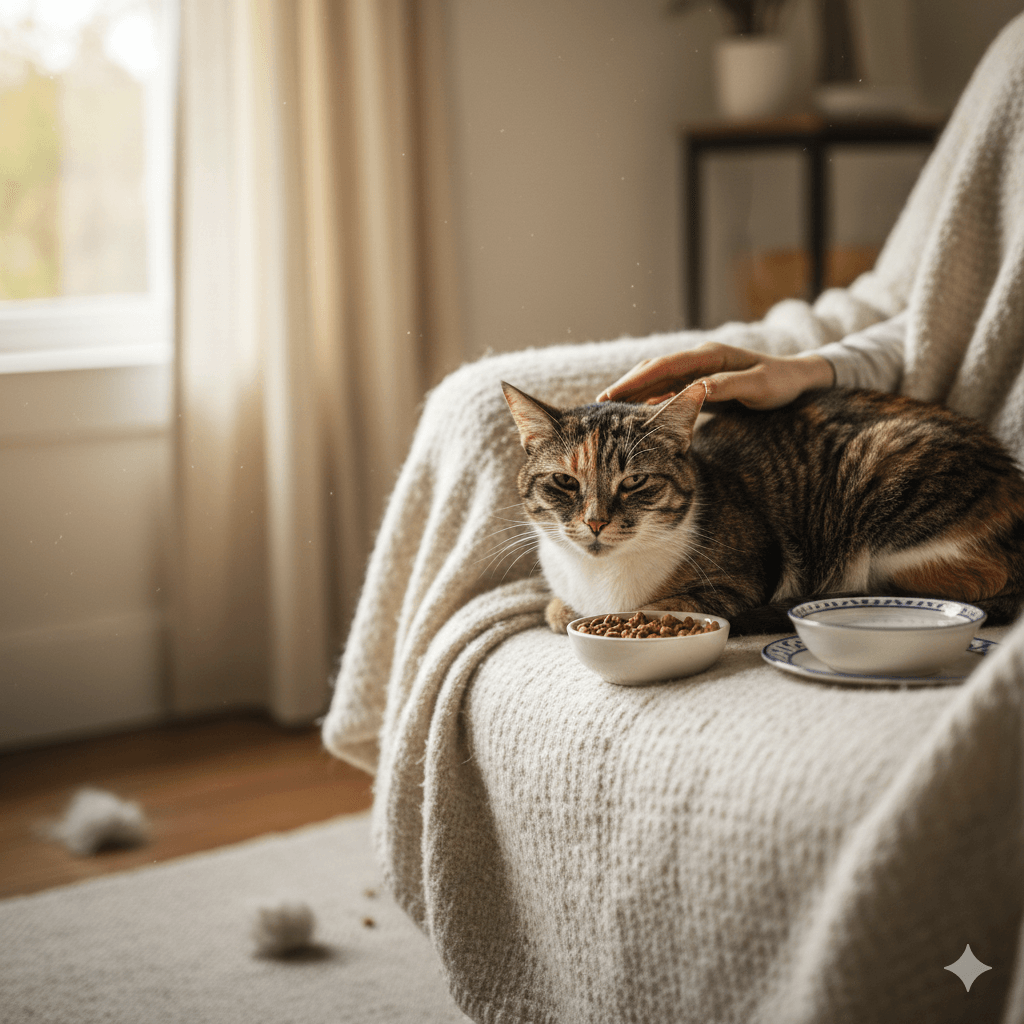
Causes of Elevated Liver Enzymes in Cats
- Hepatic Lipidosis (Fatty Liver Disease):
This condition occurs when fat accumulates in the liver, often triggered by prolonged anorexia or rapid weight loss. It’s particularly common in overweight cats who stop eating suddenly. - Infections and Inflammation:
Bacterial, viral, or parasitic infections can inflame the liver, leading to elevated enzyme levels. Feline infectious peritonitis (FIP) and toxoplasmosis are notable examples. - Toxic Exposure:
Household chemicals, medications, or plants like lilies can poison the liver, causing acute damage and elevated enzymes. Even small exposures pose significant risks to feline health. - Cholangiohepatitis (Liver Inflammation):
This inflammatory liver disease has multiple forms—suppurative, nonsuppurative, and lymphocytic—and is one of the most common liver disorders in cats. - Age-Related Changes:
Senior cats are prone to degenerative liver conditions, such as hepatic amyloidosis or tumors, which elevate enzyme levels over time. Routine monitoring is vital for older pets.
Check this guide 👉Understanding Cat Liver Function: Best 7 Expert Tips!
Check this guide 👉Cat Liver Disease Symptoms: Best 7 Expert Tips!
Check this guide 👉High Liver Enzymes in Cats: Best 7 Expert Tip!
Signs of Liver Issues in Cats | Preventive Measures for Liver Health |
|---|---|
Lethargy and weakness | Feed a balanced, species-appropriate diet |
Loss of appetite or weight loss | Ensure access to fresh water daily |
Jaundice (yellow gums or skin) | Remove toxic plants and chemicals from home |
Vomiting or diarrhea | Schedule routine vet check-ups and blood tests |
Increased thirst and urination | Maintain a stress-free environment |
Diagnostic Tests for High Liver Enzymes
- Complete Blood Count (CBC):
A CBC identifies abnormalities in red and white blood cells, which may indicate infection, inflammation, or anemia associated with liver dysfunction. - Serum Biochemistry Profile:
This test measures ALT, AST, ALP, and bilirubin levels, providing a detailed picture of liver enzyme activity and overall organ function. - Urinalysis:
Analyzing urine helps detect metabolic waste products and assess kidney function, which often correlates with liver health. - Imaging Studies (Ultrasound or X-rays):
Ultrasounds visualize the liver’s size, shape, and texture, while X-rays rule out obstructions or masses affecting the organ. - Liver Biopsy:
In some cases, a biopsy is necessary to diagnose specific conditions like cancer or chronic inflammation. This procedure involves removing a small tissue sample for analysis.
Treatment Options for Cats with High Liver Enzymes
- Dietary Management:
Prescription diets low in fat and protein reduce strain on the liver. Nutrient-dense formulas ensure adequate nutrition without overloading the organ. - Medications to Reduce Inflammation:**
Anti-inflammatory drugs or corticosteroids alleviate swelling and irritation in cases of cholangiohepatitis or autoimmune diseases. - Antibiotics for Infections:
If bacterial infections contribute to elevated enzymes, antibiotics target and eliminate harmful pathogens. - Fluid Therapy for Hydration:
Dehydrated cats benefit from intravenous or subcutaneous fluids, flushing toxins and restoring balance to the body. - Surgical Interventions (if Needed):
Tumors or obstructions may require surgical removal to restore normal liver function and prevent further complications.
Long-Term Care for Cats with Liver Issues
- Regular Vet Check-Ups:
Frequent blood tests and exams track enzyme levels and detect early signs of relapse or progression. - Weight Management:
Maintaining a healthy weight reduces the risk of fatty liver disease and other obesity-related complications. - Stress Reduction:
Minimizing environmental stressors supports immune function and prevents exacerbation of liver issues. - Avoiding Toxins:
Keeping harmful substances out of reach protects the liver from additional damage or toxicity. - Supplement Support:** Certain supplements, like SAMe or milk thistle, aid liver repair and regeneration under veterinary supervision.
Preventing Liver Problems in Cats
- Balanced Nutrition:
Feeding species-appropriate diets rich in essential nutrients supports optimal liver function and overall vitality. - Hydration Encouragement:
Ensuring access to fresh water prevents dehydration, which strains the liver and kidneys. Wet food also boosts moisture intake. - Routine Dental Care:
Poor oral hygiene contributes to bacterial infections that can spread to the liver. Regular cleanings mitigate this risk. - Parasite Prevention:
Fleas, ticks, and intestinal worms carry pathogens that harm the liver. Year-round prevention keeps these threats at bay. - Environmental Safety:
Removing toxic plants, chemicals, and hazards creates a safer home environment for curious cats.
When to Seek Emergency Veterinary Care
- Severe Jaundice:
Intense yellowing of the skin, eyes, or gums indicates advanced liver failure necessitating urgent care. - Persistent Vomiting or Diarrhea:
Uncontrolled gastrointestinal symptoms lead to dehydration and malnutrition, worsening liver stress. - Collapse or Seizures:
Neurological symptoms result from toxin buildup in the bloodstream due to compromised liver function. - Difficulty Breathing:
Labored breathing signals fluid retention or systemic shock, both of which require immediate stabilization. - Sudden Behavioral Changes:
Extreme lethargy, aggression, or confusion reflects severe liver distress demanding prompt attention.
“Cats have a notable tendency to accumulate triglycerides in their hepatocytes, and when these cells become filled with fat, the liver is unable to function properly. If not rescued promptly from the disease, affected cats don’t just end up with deformed livers—they die!”
— Dr. Sharon Center
Frequently Asked Questions About High Liver Enzymes in Cats
What causes high liver enzymes in cats?
High liver enzymes can result from various conditions, including fatty liver disease, infections, toxic exposure, or age-related degeneration. A vet can determine the exact cause through diagnostics.
Are elevated liver enzymes always serious?
Not always, but they indicate an underlying issue that requires attention. Mild elevations may resolve with treatment, while persistent or severe cases need thorough investigation.
Can diet help lower liver enzymes?
Yes, a balanced, low-fat, and nutrient-dense diet supports liver health and aids recovery. Prescription diets are often recommended for cats with liver issues.
How long does it take to see improvement?
Improvement varies depending on the cause and severity. Some cats show progress within weeks, while chronic conditions may require months of management.
Is liver disease in cats treatable?
Many liver conditions are manageable with proper care, though some may require lifelong monitoring. Early detection and treatment significantly improve outcomes.
Supporting Your Cat Through Liver Health Challenges

Is Rawhide Bad for Cats? Best 7 Expert Tips! – Discover the risks, safe alternatives, and expert advice to keep your feline friend healthy and happy.

Is Rawhide Bad for Dogs? Best 7 Expert Tips! – Discover the risks, benefits, and safer alternatives to rawhides for your dog’s chewing needs.

Understanding Anorexia in Cats: Best 7 Expert Tips! – Learn why cats stop eating, spot warning signs, and discover how to help your feline regain appetite safely.

Understanding Anorexia in Dogs: Best 7 Expert Tips! – Learn causes, symptoms, and solutions to help your dog regain appetite and stay healthy.