

High Grade Mast Cell Tumor Dog: Facing a Formidable Foe with Knowledge and Care
When your dog is diagnosed with a high grade mast cell tumor, it can feel like the ground has vanished beneath you. These aggressive skin cancers—among the most common in canines—demand swift action, informed decisions, and unwavering support. Unlike low-grade tumors that may be cured with surgery alone, high grade mast cell tumors in dogs carry a more complex prognosis and require a multifaceted approach. Yet even in uncertainty, there is hope: with early detection, expert veterinary guidance, and dedicated home care, many dogs continue to live meaningful lives. Understanding this condition is your first, most powerful step forward.
What Is a High Grade Mast Cell Tumor in Dogs?
Mast cell tumors (MCTs) arise from mast cells—immune cells involved in allergic responses and wound healing. When these cells become cancerous and highly abnormal, they form tumors that can spread quickly. High grade (Grade III or high-grade Grade II) tumors are particularly concerning due to their aggressive behavior and metastatic potential.
- Cellular Anaplasia:
High grade tumors show marked cellular abnormalities under the microscope, including irregular nuclei and high mitotic activity—signs of rapid, uncontrolled growth. - High Metastatic Risk:
These tumors often spread to lymph nodes, spleen, liver, or bone marrow, making localized treatment insufficient on its own. - Systemic Impact:
Tumors can release histamine and other inflammatory compounds, triggering vomiting, diarrhea, or even life-threatening ulcers. - Variable Presentation:
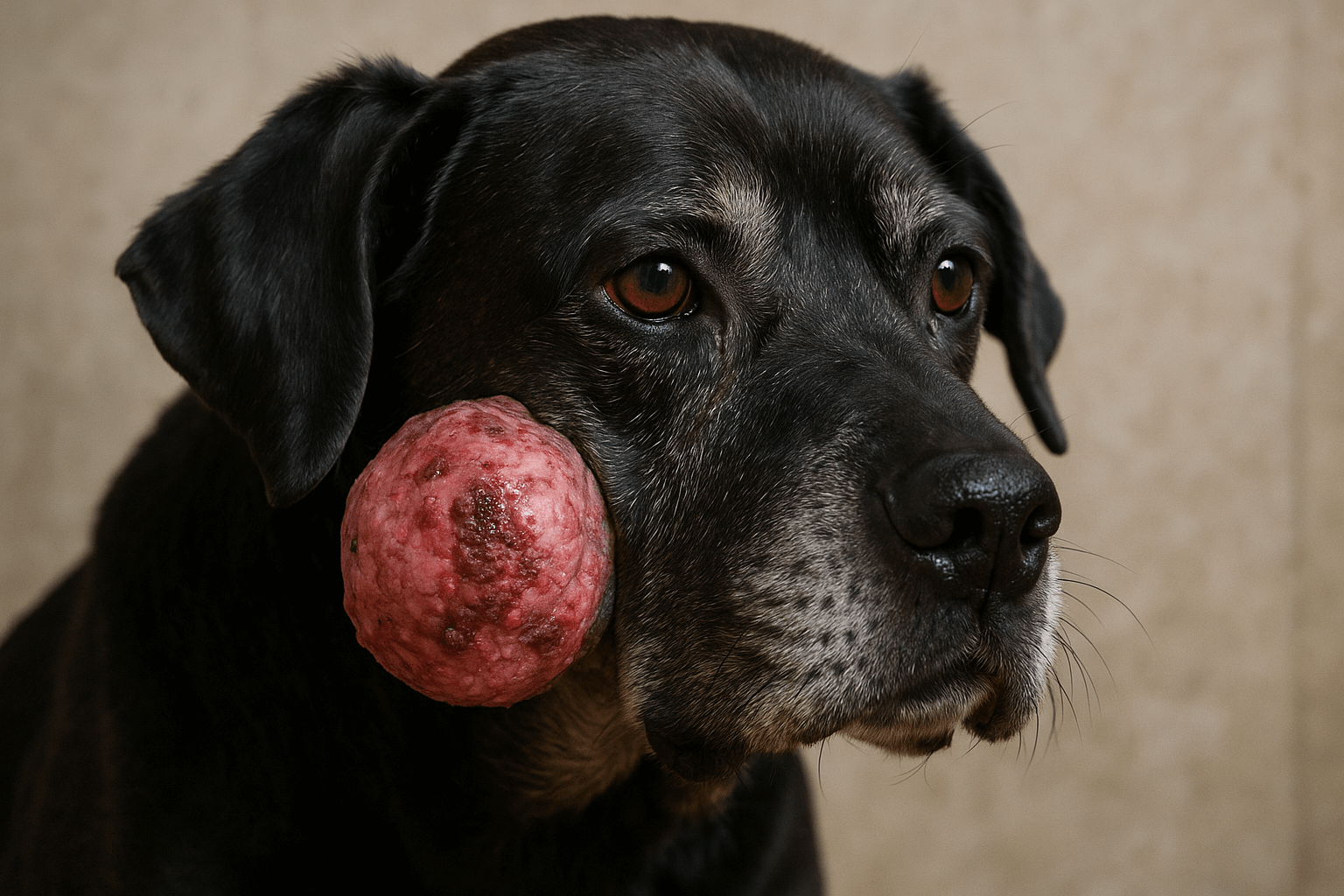
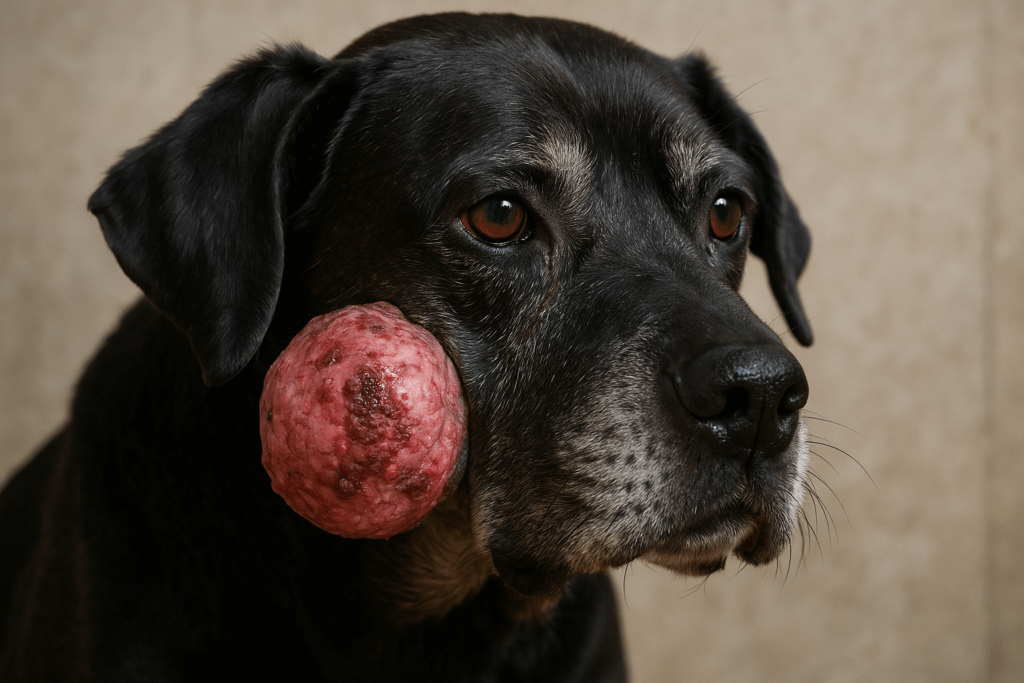
While often appearing as skin lumps, high grade MCTs may be ulcerated, inflamed, or change size rapidly—sometimes within hours. - Diagnosis Requires Expert Pathology:
Accurate grading depends on biopsy and analysis by a veterinary pathologist using standardized systems like the Patnaik or Kiupel classification.
Understanding the biology behind high grade mast cell tumors helps demystify the diagnosis and underscores why personalized treatment is essential.
Recognizing the Signs and Symptoms
Not all mast cell tumors look alike—and high grade versions can be especially deceptive. Early recognition by vigilant owners often makes a crucial difference in outcomes.
- Skin Lumps That Change Quickly:
A bump that swells, shrinks, or becomes red and itchy overnight may signal mast cell degranulation. - Gastrointestinal Distress:
Chronic vomiting, black tarry stools (melena), or loss of appetite can indicate internal histamine release affecting the gut. - Lethargy or Weight Loss:
As the disease progresses, dogs may show reduced energy, reluctance to play, or unexplained weight changes. - Swollen Lymph Nodes:
Enlarged nodes near a tumor site suggest possible spread—a red flag requiring immediate vet attention. - Systemic Inflammatory Response:
In severe cases, dogs may develop fever, low blood pressure, or collapse due to massive mediator release.
While these signs can mimic other illnesses, their combination—especially with a known skin mass—should prompt urgent veterinary evaluation.
Check this guide 👉The Costs of Dog Tumor Removal: Best 7 Expert Tips!
Check this guide 👉Mast Cell Tumor vs Histiocytoma in Dogs: Best 7 Expert Tips!
Check this guide 👉Vascular Tumors in Dogs: Best 7 Expert Tips!
Diagnostic Process and Staging
Accurately diagnosing and staging a high grade mast cell tumor is critical to mapping out the best treatment course. This isn’t just about the lump—it’s about understanding the full scope of disease in your dog’s body.
- Fine Needle Aspirate (FNA):
Often the first test, FNA can identify mast cells but usually can’t determine tumor grade—only surgical biopsy can. - Surgical Biopsy with Histopathology:
A tissue sample is sent to a lab for grading (Kiupel system preferred) and margin assessment to guide next steps. - Staging Tests:
Bloodwork, buffy coat smear, abdominal ultrasound, and lymph node aspiration help detect spread beyond the primary site. - c-KIT Mutation Testing:
Some high grade tumors have mutations in the c-KIT gene, which may influence response to targeted therapies like toceranib. - Veterinary Oncologist Consultation:
Early referral to a specialist ensures access to advanced diagnostics, clinical trials, and multimodal treatment plans.
Comprehensive staging transforms uncertainty into a clear roadmap—empowering you to make confident, compassionate choices.
Treatment Options for High Grade Disease
While high grade mast cell tumors pose serious challenges, modern veterinary oncology offers several tools to extend and improve your dog’s life.
- Surgery with Wide Margins:
If feasible, complete surgical removal remains the gold standard—but high grade tumors often require 3 cm margins, which isn’t always possible. - Radiation Therapy:
Highly effective for local control when surgery isn’t complete or the tumor is inoperable (e.g., on the face or paw). - Chemotherapy Protocols:
Drugs like vinblastine, lomustine (CCNU), or prednisone target systemic disease and can slow progression. - Targeted Kinase Inhibitors:
Toceranib phosphate (Palladia) blocks growth signals in tumors with c-KIT mutations, offering another line of defense. - Supportive & Palliative Care:
Antihistamines, gastroprotectants, pain management, and nutritional support maintain quality of life throughout treatment.
No single approach fits all—but a tailored plan, built with your vet team, can significantly alter the trajectory of the disease.
Prognosis and Survival Expectations
Honest conversations about prognosis are never easy—but they’re necessary for setting realistic goals and preserving your dog’s comfort.
- Median Survival Times Vary Widely:
With aggressive treatment, some dogs live 12–18 months or longer; without treatment, survival may be just weeks to a few months. - Grade and Stage Are Key Predictors:
High grade tumors with metastasis (Stage III–IV) carry a poorer outlook than localized high grade cases. - Response to Initial Therapy Matters:
Dogs who respond well to chemo or targeted drugs often enjoy extended remission periods. - Quality of Life Over Quantity:
Many owners prioritize comfort over aggressive intervention—focusing on joy, dignity, and symptom control. - Regular Reassessment Is Crucial:
Adjusting treatment based on your dog’s response and well-being ensures care remains aligned with their needs.
While statistics provide context, every dog’s journey is unique—shaped by biology, treatment, and the love that surrounds them.
Home Care and Daily Management
Your role at home is just as vital as any medical treatment. Consistent, attentive care can ease symptoms and strengthen your bond.
- Medication Adherence:
Give all prescribed drugs (e.g., antihistamines, antacids, chemo) exactly as directed—timing matters. - Gentle Skin Monitoring:
Avoid bumping or irritating the tumor site; use soft bedding and harnesses instead of collars if near the neck. - Digestive Support:
Feed a bland, easily digestible diet if GI upset occurs; probiotics may help restore gut balance. - Stress Reduction:
Keep routines calm and predictable; minimize loud noises or unfamiliar visitors during treatment cycles. - Hydration and Appetite Tracking:
Weigh your dog weekly and note water intake—early signs of decline often appear here first.
These daily acts of care may seem small, but they create a foundation of stability and comfort during a turbulent time.
Emotional Support for Dog Owners
Caring for a dog with a high grade mast cell tumor is emotionally demanding. Your feelings—grief, fear, guilt, exhaustion—are valid and shared by many.
- Acknowledge the Emotional Toll:
This diagnosis disrupts your life and future plans; allow yourself space to process complex emotions. - Seek Community Connection:
Online support groups (like those through the Dog Cancer Blog or Tripawds) offer empathy and practical advice. - Ask for Help:
Delegate tasks like dog walking or medication reminders to friends or family when you’re overwhelmed. - Document Joyful Moments:
Keep a journal or photo log of good days—these become anchors of hope during harder times. - Consider Your Own Well-being:
Your capacity to care for your dog depends on your own health; rest, eat well, and seek counseling if needed.
You are not alone—and your love is your dog’s greatest medicine.
Frequently Asked Questions About High Grade Mast Cell Tumor in Dogs
What does “high grade” mean for a mast cell tumor?
It indicates aggressive, rapidly dividing cancer cells with a higher likelihood of spreading—requiring more intensive treatment than low-grade tumors.
Can a high grade mast cell tumor be cured?
Complete cure is rare, but long-term remission is possible with aggressive, multimodal therapy tailored to the individual dog.
How fast do high grade mast cell tumors grow?
They can grow noticeably within days or weeks, and may fluctuate in size due to histamine release—even before diagnosis.
Should I get a second opinion on the pathology?
Yes. Sending the biopsy to a specialty lab (e.g., using the Kiupel grading system) ensures accurate grading, which directly impacts treatment.
What are the signs that it’s time to consider euthanasia?
Persistent pain, inability to eat or move comfortably, or more bad days than good—discuss quality-of-life scales with your vet to guide this decision.
Walking Forward with Courage and Compassion
A diagnosis of high grade mast cell tumor in your dog is undeniably heavy—but it is not the end of your story together. With each treatment decision, every quiet moment of comfort, and all the love you pour into these days, you honor your dog’s life in the most profound way. Advances in veterinary oncology continue to open new doors, and even when cure isn’t possible, meaningful time often is. Trust your instincts, lean on your care team, and remember: you are your dog’s safe place. And in that sanctuary of love, there is always grace.
Understanding Cryptosporidium in Cats: Best 7 Expert Tips! – Spot symptoms, treat safely, and stop parasite spread in your home.
Understanding Cryptosporidium in Dogs: Best 7 Expert Tips! – Learn symptoms, treatment & prevention for this stubborn gut parasite.
Understanding Syringomyelia in Cats: Best 7 Expert Tips! – Recognize signs, manage pain, and support your cat’s neurological health with vet-backed guidance.
Understanding Syringomyelia in Dogs: Best 7 Expert Tips! – Expert insights on symptoms, MRI diagnosis, pain management & quality of life.


