
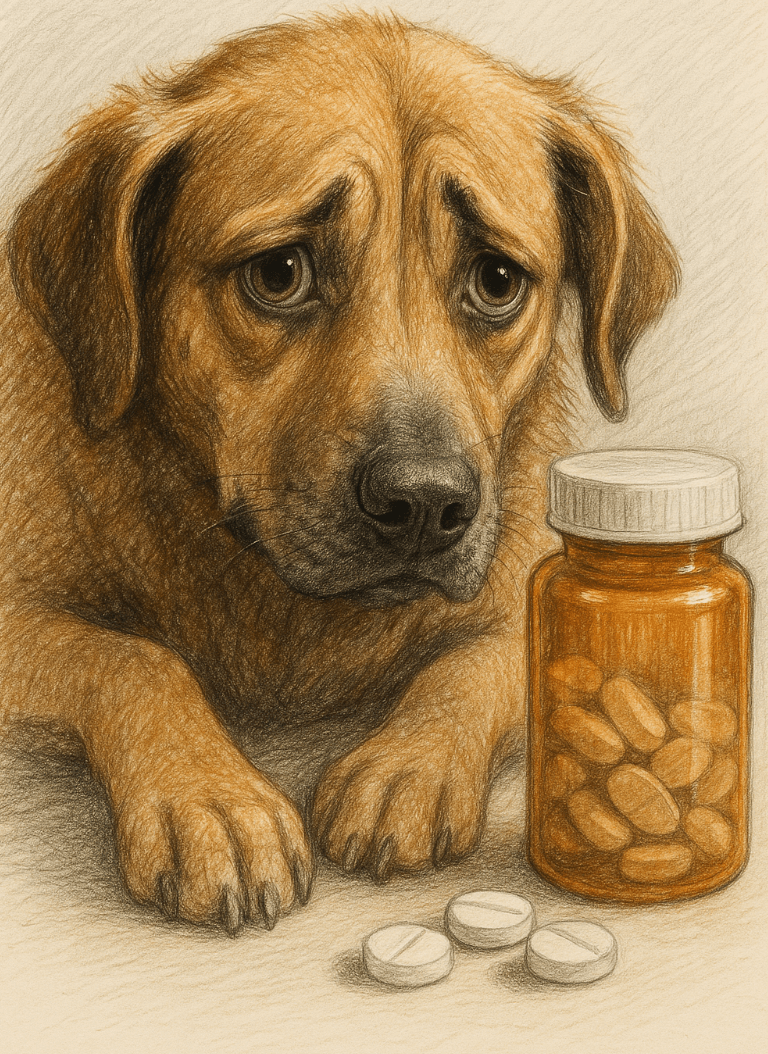

High Anxiety Dog Medication: What You Need to Know
Dogs, like humans, can experience anxiety in various forms—separation anxiety, noise phobias, or fear of new environments are just a few examples. For some dogs, anxiety can become so overwhelming that it affects their quality of life and the well-being of their families. When behavioral training and environmental adjustments aren’t enough, high anxiety dog medication may be recommended by veterinarians as part of a comprehensive treatment plan.
But what exactly are these medications, how do they work, and are they safe for your furry friend? In this blog post, we’ll explore everything you need to know about managing severe anxiety in dogs through medication, ensuring you’re equipped to make informed decisions for your pet’s health and happiness.
Expert Opinion on Dog Anxiety Treatment
“Treatment plans for dog anxiety often require the help of a veterinary behaviorist or a licensed dog trainer. As part of a behavior modification plan, your veterinarian may also recommend a medication for your dog’s anxiety.”
Common Types of High Anxiety Dog Medications
When it comes to treating severe anxiety in dogs, veterinarians often prescribe specific medications tailored to the dog’s needs. These medications target different aspects of anxiety, from calming the nervous system to addressing underlying chemical imbalances. Here are some of the most commonly prescribed options:
Selective Serotonin Reuptake Inhibitors (SSRIs):
SSRIs like fluoxetine help regulate serotonin levels, promoting a calmer mood over time. They are often used for long-term management of anxiety disorders.Tricyclic Antidepressants (TCAs):
TCAs such as clomipramine work similarly to SSRIs but may also affect other neurotransmitters, making them effective for certain cases of anxiety.Benzodiazepines:
Medications like diazepam provide rapid relief during acute anxiety episodes, such as thunderstorms or fireworks. However, they are typically not recommended for long-term use due to potential dependency.Gabapentin:
Originally designed for pain management, gabapentin is sometimes prescribed off-label for its calming effects on anxious dogs.Natural Supplements and Herbal Remedies:
While not traditional medications, supplements like L-theanine, chamomile, or valerian root can complement prescription treatments for mild to moderate anxiety.
Each medication has its own benefits and risks, so it’s essential to consult your veterinarian to determine the best option for your dog’s unique situation.
How to Identify if Your Dog Needs Medication
Not all anxious behaviors require medication. However, there are clear signs that indicate when professional intervention, including medication, might be necessary. Understanding these signals can help you address your dog’s anxiety before it escalates further.
Excessive Destructive Behavior:
If your dog chews furniture, digs through walls, or destroys household items even after consistent training, it may signal unmanageable stress.Prolonged Whining or Barking:
Constant vocalization, especially when left alone, can indicate separation anxiety or heightened distress.Self-Harm or Excessive Licking:
Dogs with severe anxiety may lick or chew themselves excessively, leading to skin infections or injuries.Avoidance or Hiding:
A dog that consistently hides or refuses to engage with family members may be experiencing chronic anxiety.Panic During Specific Triggers:
Extreme reactions to noises, strangers, or new environments suggest an inability to cope without additional support.
If you notice these signs persisting despite your efforts, it may be time to discuss high anxiety dog medication with your vet.
Check this guide 👉Can Dogs Have Anxiety Attacks? Best 7 Expert Tips!
Check this guide 👉Can Dogs Sense Anxiety? Best 7 Expert Tips!
Check this guide 👉Crate Training an Older Dog with Separation Anxiety: Best 7 Tips
Benefits of Anxiety Medication for Dogs | Potential Side Effects to Monitor |
|---|---|
Reduces panic during stressful events | Sedation or lethargy |
Improves overall quality of life | Gastrointestinal upset (vomiting/diarrhea) |
Enhances response to behavioral training | Increased thirst or appetite |
Helps manage chronic anxiety conditions | Rare allergic reactions |
Promotes better sleep patterns | Temporary disorientation |
Steps to Take Before Starting Medication
Before introducing high anxiety dog medication into your pet’s routine, it’s important to take several preparatory steps. These measures ensure that medication is truly necessary and that your dog receives the safest care possible.
Consult Your Veterinarian:
Schedule an appointment to discuss your dog’s symptoms and rule out any underlying medical issues causing the anxiety.Document Behavioral Patterns:
Keep a journal of when and where your dog exhibits anxious behaviors to help your vet assess the severity of the issue.Explore Non-Medication Options First:
Try behavior modification techniques, desensitization exercises, and environmental changes to see if improvement occurs naturally.Understand the Medication Plan:
Ask your vet about dosage, duration, and expected outcomes to set realistic expectations for treatment.Prepare for Regular Follow-Ups:
Ongoing monitoring ensures the medication remains effective and allows adjustments if side effects occur.
Taking these steps helps create a solid foundation for successful anxiety management.
Tips for Administering High Anxiety Dog Medication
Giving medication to your dog can sometimes feel challenging, especially if they resist pills or capsules. Use these tips to make the process smoother and less stressful for both of you.
Hide Pills in Treats:
Wrap the medication in soft treats, peanut butter, or cheese to mask its presence.Use Pill Pockets:
Specialized pill pockets are designed to conceal medications while enticing your dog with tasty flavors.Crush and Mix (if approved by your vet):
Some medications can be crushed and mixed with wet food or broth for easy consumption. Always confirm this method with your vet first.Reward Good Behavior:
Praise your dog immediately after taking the medication to reinforce positive associations.Stay Calm and Confident:
Dogs pick up on your emotions—if you’re relaxed, they’re more likely to cooperate during medication time.
With patience and creativity, administering medication can become a seamless part of your daily routine.
Signs That Medication Is Working Effectively
Once your dog starts high anxiety medication, it’s important to recognize signs of progress. These indicators show that the treatment is having a positive impact.
Reduced Destructive Behaviors:
Fewer instances of chewing, digging, or scratching around the house signal improved emotional regulation.Increased Calmness During Triggers:
Your dog may remain relaxed during previously stressful situations, such as loud noises or departures.Improved Social Interaction:
A once withdrawn or fearful dog may begin engaging more with family members and other pets.Better Sleep Patterns:
Restful nights without pacing or whining reflect reduced anxiety levels.Enhanced Responsiveness to Training:
Your dog may learn commands faster and respond more reliably due to lowered stress.
These changes demonstrate that the medication is helping your dog regain confidence and comfort.
Lifestyle Changes to Complement Medication
While medication plays a key role in managing anxiety, combining it with lifestyle adjustments amplifies its effectiveness.
Establish a Consistent Routine:
Predictable schedules for feeding, walks, and playtime reduce uncertainty and build trust.Create Safe Spaces:
Designate quiet areas where your dog can retreat when feeling overwhelmed.Incorporate Mental Stimulation:
Puzzle toys and interactive games keep your dog mentally engaged and distracted from anxious thoughts.Practice Desensitization Techniques:
Gradually expose your dog to triggers at low intensity to help them build tolerance over time.Prioritize Physical Exercise:
Regular walks and active play sessions release pent-up energy and promote relaxation.
Together, these strategies enhance the benefits of medication and foster long-term resilience.
Understanding the Emotional Impact on Pet Owners
Caring for a dog with high anxiety can take an emotional toll on pet owners. Acknowledging these challenges helps you stay proactive and compassionate.
Feeling Overwhelmed:
Managing an anxious dog can be exhausting, but seeking professional advice lightens the load.Guilt Over Medication Use:
Some owners worry about “drugging” their pets, but remember that medication aims to improve their quality of life.Financial Concerns:
The cost of medication and vet visits adds up, but many clinics offer payment plans or affordable alternatives.Frustration with Slow Progress:
Anxiety management takes time; celebrate small victories along the way to stay motivated.Strengthened Bond Through Caregiving:
Helping your dog overcome anxiety deepens your connection and reinforces mutual trust.
By addressing these emotions, you can maintain a positive outlook while supporting your dog’s journey toward healing.
Frequently Asked Questions About High Anxiety Dog Medication
How long does it take for anxiety medication to work?
Some medications, like benzodiazepines, act quickly, while others, like SSRIs, may take weeks to show full effects.
Are these medications safe for long-term use?
Many medications are safe for extended use under veterinary supervision, but regular check-ups are crucial to monitor health.
Can I stop giving my dog medication suddenly?
No, abruptly stopping certain medications can cause withdrawal symptoms. Always taper off under your vet’s guidance.
Will medication change my dog’s personality?
Most medications aim to reduce anxiety without altering your dog’s core personality traits.
What if my dog refuses to take the medication?
Discuss alternative formulations (e.g., liquid or injectable options) with your vet if your dog consistently resists pills.
Empowering Your Dog to Thrive Despite Anxiety
Managing high anxiety in dogs requires a thoughtful combination of love, patience, and professional guidance. High anxiety dog medication can be a powerful tool in helping your pet overcome debilitating fears and live a happier, more balanced life. By working closely with your veterinarian, staying observant of your dog’s needs, and exploring complementary therapies, you can create a supportive environment where your furry companion feels safe and secure. Remember, every step you take toward addressing your dog’s anxiety brings you closer to strengthening the bond you share—and ensuring a brighter future for your beloved pet.
Understanding Cryptosporidium in Cats: Best 7 Expert Tips! – Spot symptoms, treat safely, and stop parasite spread in your home.
Understanding Cryptosporidium in Dogs: Best 7 Expert Tips! – Learn symptoms, treatment & prevention for this stubborn gut parasite.
Understanding Syringomyelia in Cats: Best 7 Expert Tips! – Recognize signs, manage pain, and support your cat’s neurological health with vet-backed guidance.
Understanding Syringomyelia in Dogs: Best 7 Expert Tips! – Expert insights on symptoms, MRI diagnosis, pain management & quality of life.


