
Understanding Hemangiosarcoma in Dogs: A Silent Threat
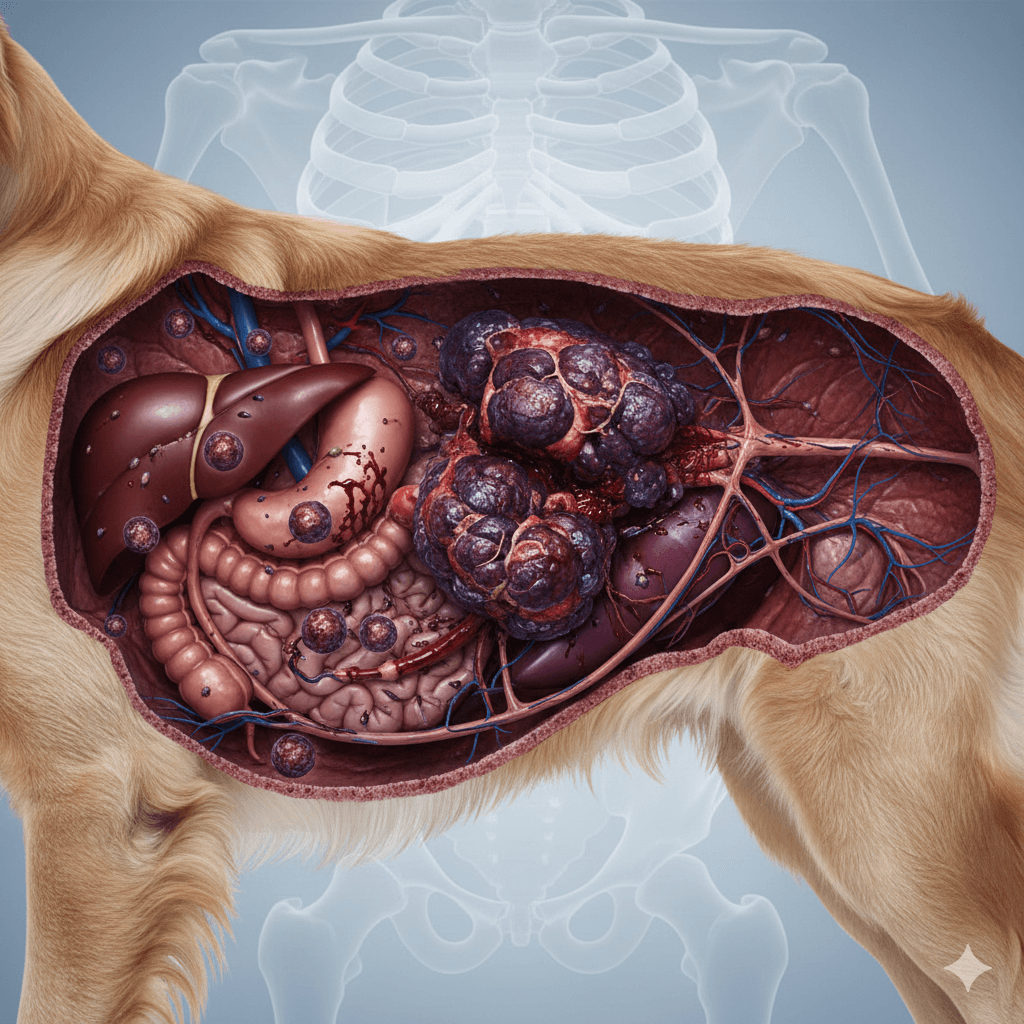
Hemangiosarcoma is an aggressive and often silent cancer that originates in the blood vessels, commonly affecting dogs. This devastating disease typically targets the spleen, heart, or liver, spreading rapidly before symptoms even appear. Early detection and proactive management are crucial to giving your dog the best chance at a longer, healthier life.
What Is Hemangiosarcoma and How Does It Develop?
Hemangiosarcoma is a malignant cancer that arises from the cells lining blood vessels, making it highly invasive and prone to metastasis. This cancer can develop anywhere in the body but is most commonly found in the spleen, heart, liver, or skin. Understanding its origins and progression helps owners recognize its severity and respond appropriately.
- Origin in Blood Vessels:
Hemangiosarcoma originates in endothelial cells, which line the interior of blood vessels, leading to uncontrolled cell growth and tumor formation. - Types of Hemangiosarcoma:
There are three main types: visceral (affecting internal organs like the spleen or heart), dermal (skin-based), and subcutaneous (beneath the skin). Each type varies in prognosis and treatment options. - Aggressive Nature of the Cancer:
This cancer is highly metastatic, spreading to other organs like the lungs, liver, or brain. Even localized tumors pose significant risks due to their tendency to rupture and cause internal bleeding. - Risk Factors for Development:
While the exact cause is unknown, genetic predisposition plays a role. Breeds like Golden Retrievers, German Shepherds, and Labrador Retrievers are more susceptible. Environmental factors may also contribute. - Why Early Detection Is Challenging:
Symptoms often appear late in the disease’s progression, as tumors grow silently until they rupture or metastasize. Regular veterinary check-ups are vital for high-risk breeds.
Understanding hemangiosarcoma’s biology underscores the importance of vigilance and early intervention, even when no symptoms are present.
Common Symptoms of Hemangiosarcoma in Dogs
The symptoms of hemangiosarcoma vary depending on the location of the tumor and its stage of development. Because this cancer often remains asymptomatic until advanced stages, recognizing subtle signs can make a life-saving difference.
- Sudden Weakness or Collapse:
Tumors in the spleen or heart can rupture, causing internal bleeding and sudden weakness. Affected dogs may collapse due to acute blood loss. - Abdominal Swelling:
Fluid accumulation in the abdomen, known as ascites, occurs when tumors in the spleen or liver rupture, leading to visible bloating. - Lethargy and Fatigue:
Dogs with hemangiosarcoma often exhibit extreme tiredness, reluctance to play, or difficulty keeping up during walks. - Pale Gums or Mucous Membranes:
Anemia caused by internal bleeding results in pale gums, tongue, or eyelids—a key indicator of blood loss. - Labored Breathing or Coughing:
When tumors affect the heart or lungs, dogs may experience difficulty breathing, coughing, or fainting episodes due to reduced cardiac function.
These symptoms warrant immediate veterinary evaluation, especially in high-risk breeds, as they could indicate a life-threatening emergency.
Check this guide 👉Cyanide Poisoning in Dogs: Best 7 Expert Tips!
Check this guide 👉Leptospirosis in Dogs: Best 7 Expert Tips!
Check this guide 👉Wheat Allergies in Dogs: Best 7 Expert Tips!
Early Warning Signs | Immediate Actions to Take |
|---|---|
Sudden weakness or collapse | Rush your dog to the vet or emergency clinic immediately |
Abdominal swelling or bloating | Schedule an ultrasound to check for splenic masses |
Pale gums or labored breathing | Administer oxygen (if available) and contact your vet |
Lethargy or extreme fatigue | Monitor closely and seek professional evaluation |
Visible skin lumps or sores | Have any new growths biopsied to rule out dermal hemangiosarcoma |
Diagnostic Process for Hemangiosarcoma
Diagnosing hemangiosarcoma requires a combination of clinical evaluation, imaging, and laboratory tests. Early diagnosis improves treatment options and outcomes, though definitive confirmation often comes late in the disease.
- Physical Examination:
Vets check for abdominal swelling, pale gums, or irregular heart rhythms, which may suggest underlying issues. - Blood Tests and Chemistry Panels:
Complete blood counts reveal anemia or clotting abnormalities, while chemistry panels assess organ function and overall health. - Imaging Techniques:
Ultrasound and X-rays help identify tumors in the spleen, liver, or heart. These tools also detect fluid accumulation or metastasis to other organs. - Biopsy Confirmation:
Fine-needle aspiration or surgical biopsy provides definitive proof of hemangiosarcoma, though this step carries risks in fragile patients. - Staging the Disease:
Once diagnosed, vets determine the cancer’s stage through additional imaging or exploratory surgery to guide treatment decisions.
Accurate diagnosis ensures tailored care plans, maximizing your dog’s chances of survival despite this aggressive cancer.
Treatment Options for Hemangiosarcoma
While hemangiosarcoma is incurable, various treatments aim to extend life and improve quality of life. The chosen approach depends on the tumor’s location, size, and whether metastasis has occurred.
- Surgical Removal of Tumors:
Surgery is the primary treatment for localized tumors, especially in the spleen or skin. Removing the affected organ can temporarily halt progression. - Chemotherapy Protocols:
Post-surgery chemotherapy reduces the risk of metastasis and extends survival times. Doxorubicin is a common drug used in these protocols. - Radiation Therapy:
For dermal or subcutaneous hemangiosarcoma, radiation targets localized tumors without systemic side effects, preserving surrounding tissue. - Palliative Care Measures:
In advanced cases, pain management, anti-inflammatory drugs, and supportive therapies focus on comfort rather than cure. - Emerging Treatments:
Immunotherapy and targeted therapies are being researched to improve outcomes, offering hope for future breakthroughs.
Each treatment option balances efficacy with your dog’s overall well-being, ensuring compassionate care at every stage.
Prognosis and Survival Rates for Hemangiosarcoma
The prognosis for dogs with hemangiosarcoma is generally poor due to its aggressive nature and late-stage detection. However, understanding survival statistics and influencing factors helps owners make informed decisions about care.
- Survival Without Treatment:
Untreated hemangiosarcoma typically leads to death within weeks due to tumor rupture, internal bleeding, or organ failure. - Surgery Alone Outcomes:
Surgical removal of tumors extends life by 1–3 months on average, though recurrence is almost inevitable without additional therapies. - Combination Therapies:
Surgery followed by chemotherapy increases median survival time to 6–8 months, with some dogs living over a year under optimal conditions. - Skin-Based Hemangiosarcoma Prognosis:
Dermal tumors have a better outlook if caught early and fully removed, with survival rates exceeding 12 months in many cases. - Factors Influencing Prognosis:
Tumor location, stage at diagnosis, breed susceptibility, and response to treatment all impact long-term outcomes significantly.
Realistic expectations combined with proactive care ensure the best possible quality of life for your dog.
Preventive Measures and Risk Management
Though hemangiosarcoma cannot be entirely prevented, certain measures reduce risks and promote early detection. High-risk breeds benefit most from vigilant monitoring and preventive strategies.
- Regular Veterinary Check-Ups:
Frequent exams and routine blood work help identify abnormalities before symptoms arise, improving early detection odds. - Awareness of Breed Risks:
Owners of high-risk breeds should educate themselves on hemangiosarcoma signs and discuss screening options with their vet. - Healthy Lifestyle Choices:
Balanced nutrition, regular exercise, and avoiding environmental toxins support overall immune health and reduce cancer risks. - Monitoring Skin Lesions:
Dogs with light-colored coats or thin fur are prone to dermal hemangiosarcoma; inspect skin regularly for unusual lumps or sores. - Proactive Screening Tools:
Advanced imaging techniques, like ultrasounds, can detect splenic masses in high-risk dogs before clinical signs appear.
Prevention focuses on awareness, education, and partnership with your veterinarian to safeguard your dog’s health.
Coping with Hemangiosarcoma Diagnosis and Emotional Support
Receiving a hemangiosarcoma diagnosis is devastating, but emotional resilience and practical resources help you navigate this challenging journey. Supporting your dog—and yourself—ensures strength and compassion throughout treatment.
- Educate Yourself About the Disease:
Knowledge empowers you to make informed decisions and advocate for your dog’s care with confidence. - Seek Veterinary Guidance:
Collaborate closely with oncologists and veterinarians to explore all available treatment options and create a personalized plan. - Join Support Communities:
Online forums or local groups connect you with others facing similar challenges, providing comfort and shared experiences. - Focus on Quality of Life:
Prioritize activities and moments that bring joy to your dog, fostering cherished memories during their remaining time. - Prepare for End-of-Life Decisions:
Discuss euthanasia and palliative care options with your vet to ensure your dog’s final days are peaceful and dignified.
Facing hemangiosarcoma requires courage, love, and a commitment to honoring your dog’s spirit every step of the way.
“Dogs with the most common splenic form of HSA will usually arrive at an emergency clinic having suddenly collapsed and with pale gums due to internal bleeding from a previously undetected and now ruptured tumor.”
— Kelly Sams
Frequently Asked Questions About Hemangiosarcoma in Dogs
What breeds are most at risk for hemangiosarcoma?
Golden Retrievers, German Shepherds, and Labrador Retrievers are among the breeds most commonly affected due to genetic predisposition.
How long can a dog live with hemangiosarcoma?
Without treatment, survival is typically a few weeks. With surgery and chemotherapy, median survival ranges from 6–8 months, depending on tumor location and stage.
Is hemangiosarcoma painful for dogs?
Yes, internal bleeding from ruptured tumors causes significant pain. Palliative care focuses on managing discomfort to improve quality of life.
Can hemangiosarcoma be cured?
Unfortunately, no—this cancer is highly aggressive and metastatic, making complete eradication nearly impossible. Treatment aims to extend life and improve comfort.
What should I do if my dog collapses suddenly?
Seek emergency veterinary care immediately, as sudden collapse could indicate internal bleeding caused by a ruptured hemangiosarcoma tumor.
A Lifeline in Every Moment of Crisis
Hemangiosarcoma is a devastating diagnosis, but understanding its nature and treatment options empowers you to make informed decisions for your beloved companion. While this aggressive cancer poses immense challenges, early detection, proactive care, and compassionate support can provide your dog with more quality time by your side. Remember, your love and dedication are the greatest gifts you can offer during this difficult journey. By staying vigilant, educating yourself, and partnering with your veterinarian, you honor your dog’s spirit and create cherished memories that last a lifetime.

Is Rawhide Bad for Cats? Best 7 Expert Tips! – Discover the risks, safe alternatives, and expert advice to keep your feline friend healthy and happy.

Is Rawhide Bad for Dogs? Best 7 Expert Tips! – Discover the risks, benefits, and safer alternatives to rawhides for your dog’s chewing needs.

Understanding Anorexia in Cats: Best 7 Expert Tips! – Learn why cats stop eating, spot warning signs, and discover how to help your feline regain appetite safely.

Understanding Anorexia in Dogs: Best 7 Expert Tips! – Learn causes, symptoms, and solutions to help your dog regain appetite and stay healthy.