
Understanding Heartgard for Cats: A Essential Prevention Tool
How Heartgard Works to Protect Your Cat
- Targeting Larval Stages:
Heartgard specifically targets the larval stages of heartworms, known as microfilariae, which are deposited in your cat’s bloodstream after a mosquito bite. By eliminating these larvae early, the medication stops the progression of the disease. - Monthly Dosage Schedule:
Administered once a month, Heartgard provides continuous protection by ensuring no gaps in coverage. Consistency is key to maintaining its effectiveness against heartworms. - Safe for Cats:
Heartgard is formulated specifically for felines and has been extensively tested to ensure safety, even for kittens as young as six weeks old. It’s gentle on their systems while remaining highly effective. - Preventing Systemic Damage:
By stopping heartworm larvae early, Heartgard prevents them from migrating to vital organs like the lungs and heart, where they can cause severe inflammation and dysfunction. - Complementary Protection:
While primarily targeting heartworms, Heartgard also helps reduce the risk of other parasitic infections, such as roundworms and hookworms, which can be transmitted through similar vectors.
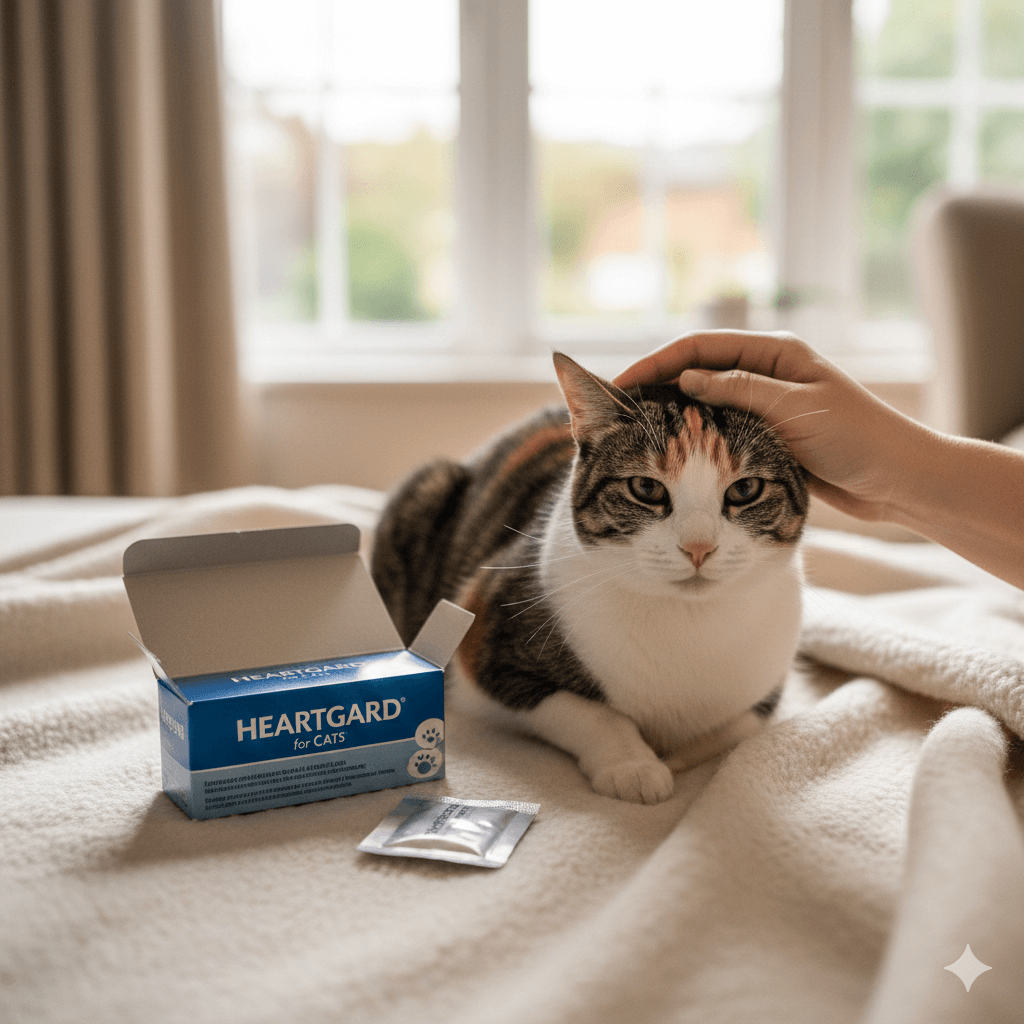
Common Signs of Heartworm Disease in Cats
- Chronic Coughing:
A persistent cough is one of the earliest signs, as heartworms irritate the lungs and airways, leading to respiratory distress. - Vomiting and Decreased Appetite:
Gastrointestinal upset, including vomiting and reduced interest in food, may occur due to systemic inflammation triggered by heartworms. - Lethargy and Weakness:
Cats infected with heartworms often appear unusually tired or reluctant to engage in normal activities, reflecting the strain on their bodies. - Difficulty Breathing:
Dyspnea (labored breathing) or wheezing indicates lung involvement, as heartworms can cause inflammation and fluid buildup in the respiratory system. - Sudden Collapse or Seizures:
In severe cases, heartworms can block blood vessels in the lungs, leading to a condition called heartworm-associated respiratory disease (HARD), which may result in sudden collapse or death.
Check this guide 👉Natural Treatments for Cat Arthritis: Best 7 Expert Tips!
Check this guide 👉Omega-3 for Cats: Best 7 Expert Tips!
Check this guide 👉Is Tea Tree Oil Safe for Cats? Best 7 Expert Tips!
| Benefits of Heartgard for Cats | Tips for Safe Administration |
|---|---|
| Prevents heartworm disease effectively | Administer on the same day each month |
| Protects against roundworms and hookworms | Ensure your cat's weight matches the dosage |
| Easy-to-administer oral chewable | Watch for rare side effects like vomiting |
| Veterinarian-recommended and trusted | Store in a cool, dry place |
| Cost-effective compared to treatments | Combine with regular vet check-ups |
Why Heartgard Is Essential for Outdoor Cats
- Increased Mosquito Exposure:
Outdoor cats spend more time in environments where mosquitoes thrive, such as gardens, parks, or wooded areas, heightening their risk of bites. - Unpredictable Behavior:
Unlike indoor cats, outdoor cats roam freely, making it difficult to monitor their interactions with potential disease vectors like mosquitoes. - Year-Round Threat:
Mosquito activity isn’t limited to warm months; many species adapt to cooler climates, posing a year-round threat to unprotected cats. - Reducing Stress on Owners:
Knowing your outdoor cat is protected with Heartgard alleviates anxiety about unseen threats lurking in their environment. - Cost-Effective Prevention:
Investing in Heartgard is far less expensive than treating advanced heartworm disease, which often requires complex and costly interventions.
Comparing Heartgard to Other Preventive Options
- Oral vs. Topical Formulations:
Unlike topical treatments, Heartgard’s chewable tablets are ingested orally, ensuring consistent absorption and effectiveness. - Tasty Flavor Profile:
Heartgard is designed to appeal to cats, making administration stress-free for both pets and owners. Many cats eat it willingly as a treat. - Broad-Spectrum Protection:
While some preventives focus solely on heartworms, Heartgard also addresses other common parasites, offering comprehensive coverage. - Veterinary Endorsement:
Heartgard is widely recommended by veterinarians due to its safety profile and decades of successful use in preventing heartworm disease. - Affordability and Accessibility:
Compared to prescription-only alternatives, Heartgard is competitively priced and readily available through authorized retailers and veterinary clinics.
Administering Heartgard Safely and Effectively
- Stick to the Monthly Schedule:
Consistency is crucial—administer Heartgard on the same day each month to maintain uninterrupted protection against heartworms. - Check Weight Guidelines:
Ensure your cat falls within the recommended weight range for the dosage prescribed; underdosing reduces efficacy, while overdosing poses risks. - Observe for Side Effects:
Although rare, some cats may experience mild side effects like vomiting or diarrhea; contact your vet if adverse reactions occur. - Combine with Routine Vet Visits:
Regular check-ups allow your vet to confirm your cat’s heartworm status and adjust preventive protocols if needed. - Store Properly:
Keep Heartgard in a cool, dry place away from direct sunlight to preserve its potency until administration.
Addressing Misconceptions About Heartgard for Cats
- Myth: Indoor Cats Don’t Need Heartgard:
Even indoor cats are at risk, as mosquitoes can easily enter homes through open windows or doors, exposing them to heartworm larvae. - Myth: Heartgard Causes Severe Side Effects:
While all medications carry some risk, Heartgard has an excellent safety profile when used as directed, with minimal reported adverse reactions. - Myth: Heartworm Disease Isn’t Common in Cats:
Though less prevalent than in dogs, heartworm disease in cats is often underdiagnosed, making prevention even more critical. - Myth: One Missed Dose Won’t Matter:
Skipping even a single dose leaves your cat vulnerable to infection, as heartworm larvae can mature quickly without intervention. - Myth: Heartgard Is Only for Heartworms:
In addition to preventing heartworms, Heartgard combats other parasites like roundworms and hookworms, providing broader health benefits.
Long-Term Benefits of Using Heartgard
- Preventing Chronic Conditions:
By halting heartworm development early, Heartgard prevents chronic respiratory and cardiovascular issues that could otherwise shorten your cat’s lifespan. - Enhancing Quality of Life:
A heartworm-free cat enjoys better energy levels, appetite, and mobility, allowing them to live life to the fullest without underlying health concerns. - Reducing Veterinary Costs:
Preventive care with Heartgard is far more affordable than treating advanced heartworm disease, which often requires hospitalization and intensive therapies. - Peace of Mind for Owners:
Knowing your cat is protected against heartworms alleviates worry about unseen threats, letting you focus on enjoying their companionship. - Supporting Public Health:
By preventing heartworm transmission, Heartgard indirectly contributes to reducing parasite prevalence in local animal populations, benefiting community health.
“Veterinarians now strongly recommend that all cats receive year-round monthly heartworm prevention… Prevention is safe and easy, with a wide margin of safety, even in kittens as young as six weeks of age.” — Malcolm Weir, DVM, MSc, MPH
Frequently Asked Questions About Heartgard for Cats
Is Heartgard safe for all cats?
Yes, Heartgard is safe for most cats, including kittens as young as six weeks old and those with certain sensitivities. Always consult your vet before starting any new medication.
Can I split the dosage if my cat is small?
No—splitting doses compromises the medication’s effectiveness. Use the appropriate formulation based on your cat’s weight.
What happens if I miss a dose?
Missing a dose leaves your cat vulnerable to infection. Administer the missed dose immediately and resume the regular schedule, then contact your vet for guidance.
Does Heartgard expire?
Yes, Heartgard has an expiration date printed on the packaging. Expired medication may lose potency, so always check before administering.
Can Heartgard be used alongside other medications?
Generally, yes, but inform your vet about all medications or supplements your cat is taking to avoid potential interactions.
A Lifeline in Every Monthly Dose

Is Rawhide Bad for Cats? Best 7 Expert Tips! – Discover the risks, safe alternatives, and expert advice to keep your feline friend healthy and happy.

Is Rawhide Bad for Dogs? Best 7 Expert Tips! – Discover the risks, benefits, and safer alternatives to rawhides for your dog’s chewing needs.

Understanding Anorexia in Cats: Best 7 Expert Tips! – Learn why cats stop eating, spot warning signs, and discover how to help your feline regain appetite safely.

Understanding Anorexia in Dogs: Best 7 Expert Tips! – Learn causes, symptoms, and solutions to help your dog regain appetite and stay healthy.