
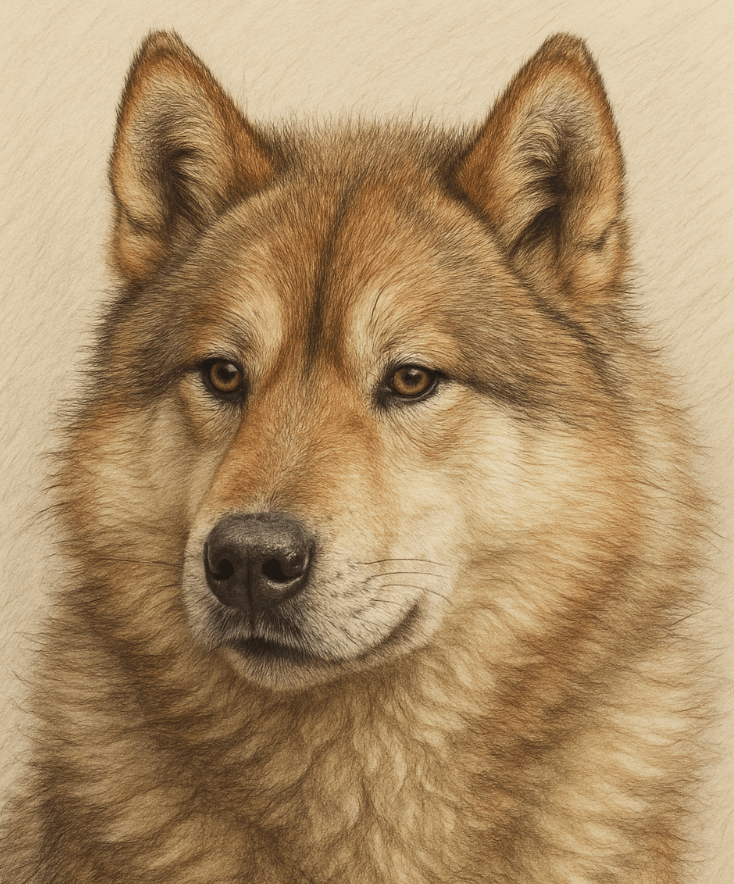

Greenland Dog: Best 7 Expert Tips!

Greenland Dog: Best 7 Expert Tips!

Greenland Dog: The Hardy Arctic Companion


The Greenland Dog, a breed steeped in history and resilience, is one of the oldest working dogs in the world. Originally bred by the Indigenous peoples of Greenland, these robust canines have been indispensable companions for centuries, aiding in sledding, hunting, and survival in the harshest Arctic conditions. Known for their strength, endurance, and unwavering loyalty, Greenland Dogs are not your typical household pets—they are working dogs through and through.

In this blog post, we’ll explore the unique characteristics, care requirements, and fascinating history of the Greenland Dog, shedding light on why they remain such a remarkable breed. Whether you’re an admirer of Arctic breeds or considering adopting one, this guide will provide valuable insights into the world of the Greenland Dog.

Key Characteristics of the Greenland Dog


The Greenland Dog is a striking breed with a personality and physique tailored for survival in extreme environments. Here’s what makes this Arctic powerhouse truly special.

 
  • Powerful Build:
    With a muscular frame and thick double coat, the Greenland Dog is built to endure freezing temperatures and heavy workloads.

  • Independent Nature:
    These dogs are highly independent thinkers, often relying on their instincts rather than constant human guidance.

  • Strong Work Ethic:
    Bred for sledding and hauling, they thrive when given a job to do and can cover vast distances without tiring.

  • Loyal but Reserved:
    While deeply loyal to their families, Greenland Dogs tend to be reserved around strangers, making them excellent watchdogs.

  • Pack-Oriented Behavior:
    They have a natural pack mentality, which means they get along well with other dogs but may challenge authority if not properly trained.


These traits make the Greenland Dog a breed best suited for experienced owners who appreciate their rugged charm and working spirit.

Physical Traits of the Greenland Dog


The Greenland Dog’s appearance reflects its Arctic heritage, combining functionality with a majestic presence. Here’s a closer look at their physical attributes.

 
  • Size and Weight:
    Standing 20-27 inches tall and weighing between 66-71 pounds, they are a large and imposing breed designed for strength.

  • Thick Double Coat:
    Their waterproof outer coat and dense undercoat protect them from freezing temperatures and harsh winds.

  • Distinctive Mask Markings:
    Many Greenland Dogs feature striking facial masks, adding to their wild and untamed aesthetic.

  • Bushy Tail:
    Their tail curls over their back, providing additional warmth by covering their nose during cold nights.

  • Broad Head and Erect Ears:
    A broad skull and pointed ears give them an alert and commanding expression, perfect for their role as working dogs.


Their rugged appearance and functional design highlight the Greenland Dog’s adaptation to one of the planet’s most challenging environments.

Greenland Dog: Best 7 Expert Tips!
Pros of Owning a Greenland Dog
Cons of Owning a Greenland Dog
Exceptionally strong and hardworking
Requires significant exercise and mental stimulation
Thrives in cold climates
Not ideal for warm or humid environments
Deeply loyal to their family
Independent nature can make training challenging
Great with other dogs in a pack setting
Needs experienced handling due to strong instincts
Low grooming needs despite thick coat
Rare breed, making it harder to find a puppy

Training and Socialization Tips for Greenland Dogs


Training a Greenland Dog requires patience, consistency, and an understanding of their independent nature. These tips will help you build a strong bond while ensuring they remain well-behaved.

 
  • Start Early:
    Begin training and socialization as a puppy to establish trust and set boundaries early on.

  • Use Positive Reinforcement:
    Reward-based methods, such as treats and praise, work best to motivate this intelligent breed.

  • Focus on Leash Training:
    Due to their size and strength, leash training is essential to ensure they can be safely controlled during walks.

  • Channel Their Energy Productively:
    Provide plenty of physical and mental challenges, such as sledding or agility exercises, to prevent boredom and destructive behavior.

  • Respect Their Independence:
    Avoid harsh corrections; instead, encourage cooperation by respecting their natural instincts and decision-making abilities.


With dedication and respect for their needs, training a Greenland Dog can be a rewarding experience that strengthens your bond.

Exercise Needs of the Greenland Dog


As a high-energy working breed, the Greenland Dog requires substantial exercise to stay happy and healthy. Neglecting their activity needs can lead to frustration and behavioral issues.

 
  • Daily Sled Pulling or Running:
    If possible, engage them in activities like sledding, pulling carts, or long-distance running to mimic their traditional roles.

  • Long Walks or Hikes:
    Aim for extended outdoor adventures in cooler weather to satisfy their need for exploration and movement.

  • Mental Stimulation:
    Incorporate problem-solving games and scent work to keep their sharp minds engaged.

  • Supervision in Open Spaces:
    Always monitor them in open areas, as their prey drive may lead them to wander off or chase wildlife.

  • Avoid Overheating:
    Exercise them only in cool conditions and provide plenty of water to prevent heat exhaustion.


Meeting their exercise requirements ensures a calm and content companion at home.

Common Misconceptions About the Greenland Dog


Despite their fascinating history, several misconceptions surround the Greenland Dog. Clarifying these myths helps set realistic expectations for potential owners.

 
  • They Are Like Huskies or Malamutes:
    While similar in appearance, Greenland Dogs are more independent and less suited for novice owners compared to Siberian Huskies or Alaskan Malamutes.

  • All Arctic Breeds Are Family-Friendly:
    Though loyal, Greenland Dogs are primarily working dogs and may not always prioritize cuddling or affection.

  • They Don’t Need Much Grooming:
    While their coats are low-maintenance, seasonal shedding requires regular brushing to manage loose fur.

  • They Can Adapt to Any Climate:
    Built for Arctic conditions, they struggle in hot or humid environments and require special care to stay cool.

  • They’re Easy to Train:
    Their independent nature means training requires patience and consistency, often challenging first-time dog owners.


Dispelling these myths ensures a deeper understanding of this incredible breed.

Health Considerations for the Greenland Dog


Like all breeds, the Greenland Dog is prone to certain health issues that owners should monitor closely. Being proactive about their care helps ensure a longer, healthier life.

 
  • Hip Dysplasia:
    A common condition in large breeds; maintaining a healthy weight reduces strain on joints.

  • Bloat (Gastric Torsion):
    Rapid eating and stress increase the risk of bloat; feeding smaller meals and using slow-feed bowls helps mitigate this.

  • Eye Disorders:
    Progressive retinal atrophy (PRA) or cataracts may occur; routine eye exams help detect problems early.

  • Heat Sensitivity:
    Their thick coats make them vulnerable to overheating; avoid strenuous activity in warm weather.

  • Parasites in Cold Climates:
    Regular vet check-ups ensure protection against fleas, ticks, and worms, even in icy environments.


Proactive healthcare ensures a longer, healthier life for your beloved pet.

Fun Activities to Enjoy with Your Greenland Dog


Living with a Greenland Dog means embracing an active lifestyle. These fun activities will keep them physically and mentally stimulated while strengthening your bond.

 
  • Sledding Adventures:
    Harness their natural talent for sledding and enjoy outdoor excursions together in snowy conditions.

  • Hiking in Cool Weather:
    Explore trails and scenic routes during cooler months to satisfy their love for exploration.

  • Agility Training:
    Create obstacle courses to channel their athleticism and focus their energy constructively.

  • Interactive Toys:
    Puzzle feeders and treat-dispensing toys provide mental stimulation and entertainment indoors.

  • Socializing with Other Dogs:
    Arrange playdates with other friendly dogs to fulfill their pack-oriented instincts and reduce loneliness.


Engaging in these activities ensures a fulfilling life for your adventurous companion.

Frequently Asked Questions About the Greenland Dog

 
Is the Greenland Dog suitable for apartment living?

No, their large size and high energy levels make them better suited for homes with spacious yards.

Yes, they are generally good with kids but require supervision due to their size and strength.

Minimal grooming is required; regular brushing helps manage shedding, especially during seasonal coat changes.

Not typically aggressive, but they are naturally reserved and may take time to warm up to new people.

Common concerns include hip dysplasia and bloat; regular vet check-ups are essential for maintaining their health.

Embracing Life with a Greenland Dog


The Greenland Dog is a breed unlike any other, embodying the spirit of resilience, loyalty, and hard work. While they may not be the easiest breed to care for, their unique qualities and rich history make them incredibly rewarding companions for those willing to meet their needs. By understanding their requirements and respecting their instincts, you can forge a lifelong bond with this remarkable Arctic breed. Whether you live in a cold climate or simply admire their rugged beauty, the Greenland Dog offers a glimpse into the enduring partnership between humans and dogs in the harshest corners of the world.

Can You Give a Cat Too Much Fish Oil? Best 7 Expert Tips!

Can You Give a Cat Too Much Fish Oil? Best 7 Expert Tips! – Discover safe dosages, risks of overuse, and how to boost your cat’s health with omega-3s responsibly.

Can You Give a Dog Too Much Fish Oil? Best 7 Expert Tips!

Can You Give a Dog Too Much Fish Oil? Best 7 Expert Tips! – Discover safe dosages, risks of overuse, and how to boost your dog’s health with fish oil.

Noise Phobia in Cats: Best 7 Expert Tips!

Noise Phobia in Cats: Best 7 Expert Tips! – Discover causes, symptoms, and solutions to help your cat cope with noise-related anxiety effectively.

Noise Phobia in Dogs: Best 7 Expert Tips!

Noise Phobia in Dogs: Best 7 Expert Tips! – Learn how to calm your dog during storms, fireworks, and loud noises with expert strategies. Reduce anxiety safely!

Leave a Reply

Your email address will not be published. Required fields are marked *

Post Category


